

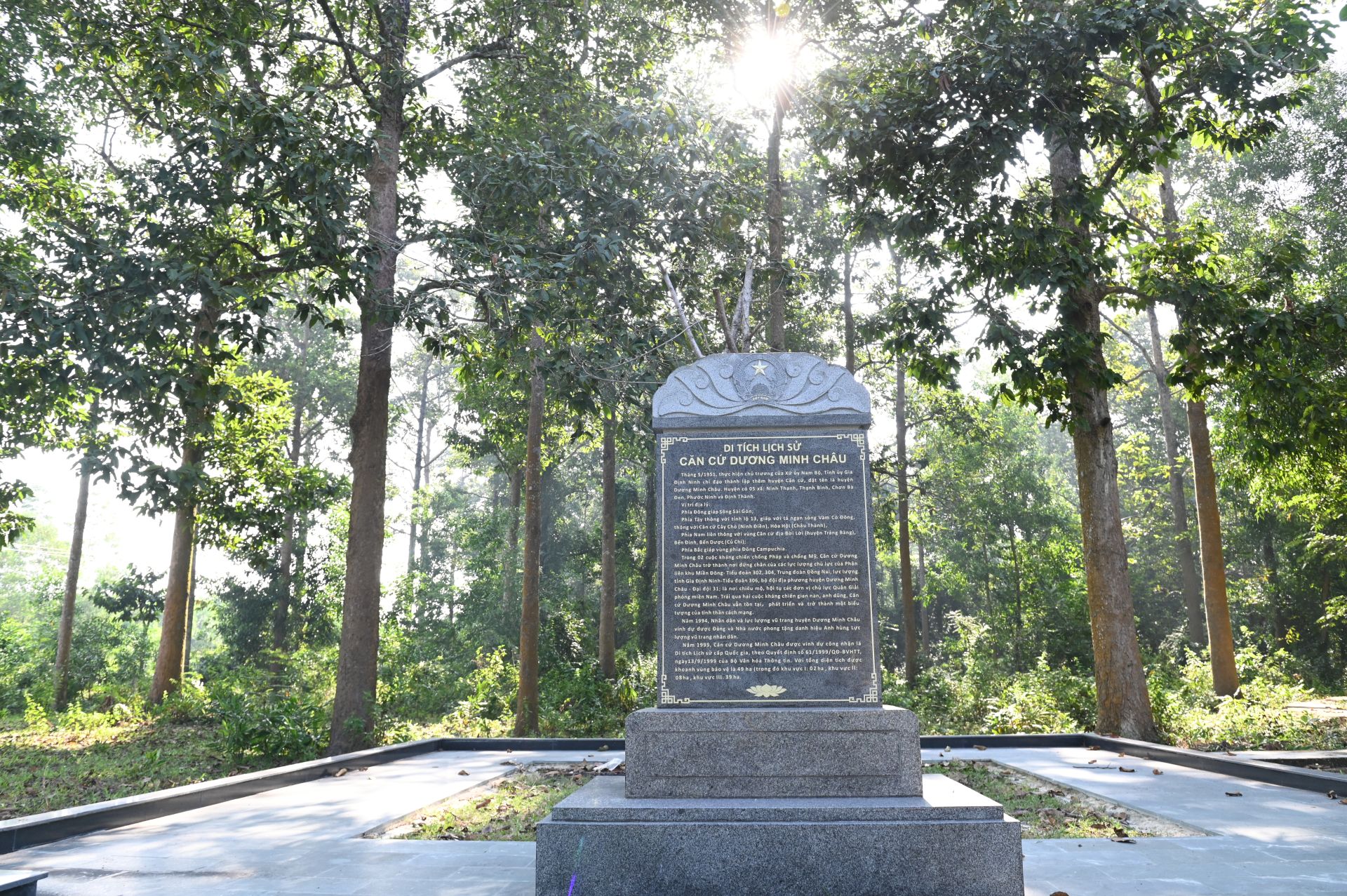
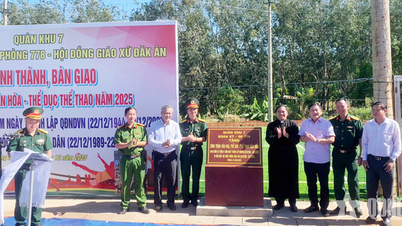
The stone stele records the history of the monument.
Reconstructing many models from the resistance war era.
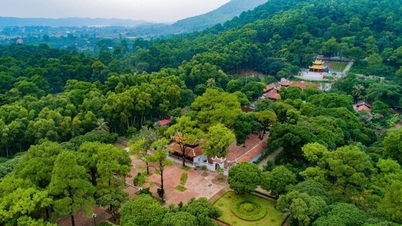
The Duong Minh Chau base was established in May 1951. In 1999, the Duong Minh Chau base was recognized as a National Historical Monument. Currently, the site is located amidst a lush green oil palm forest, covering a total area of over 130 hectares.
During the two wars of resistance against France and the United States, Duong Minh Chau Base became a foothold for the main forces of Battalions 302 and 304 (Eastern Sub-region), Battalion 306 ( Dong Nai Regiment), and Company 31 (local troops of Duong Minh Chau district).
Having survived two wars of resistance, the Duong Minh Chau Base remained intact and became a symbol of revolutionary spirit. Today, the Duong Minh Chau Base historical site receives attention and investment from leaders at all levels for restoration and preservation of its original elements and artifacts from various periods, aiming to educate future generations about its traditions.
Within this area, Zone 1, a protected zone covering 2 hectares, is where the original elements of the monument are preserved. Upon entering this area, visitors will see a stone stele summarizing the monument's history.
A few dozen meters from the stone monument is the Guest House. The house is roofed with artificial thatch (made of plastic material), the pillars and rafters are made of imitation forest wood, and the surrounding walls are made of imitation bamboo panels, 1 meter high.
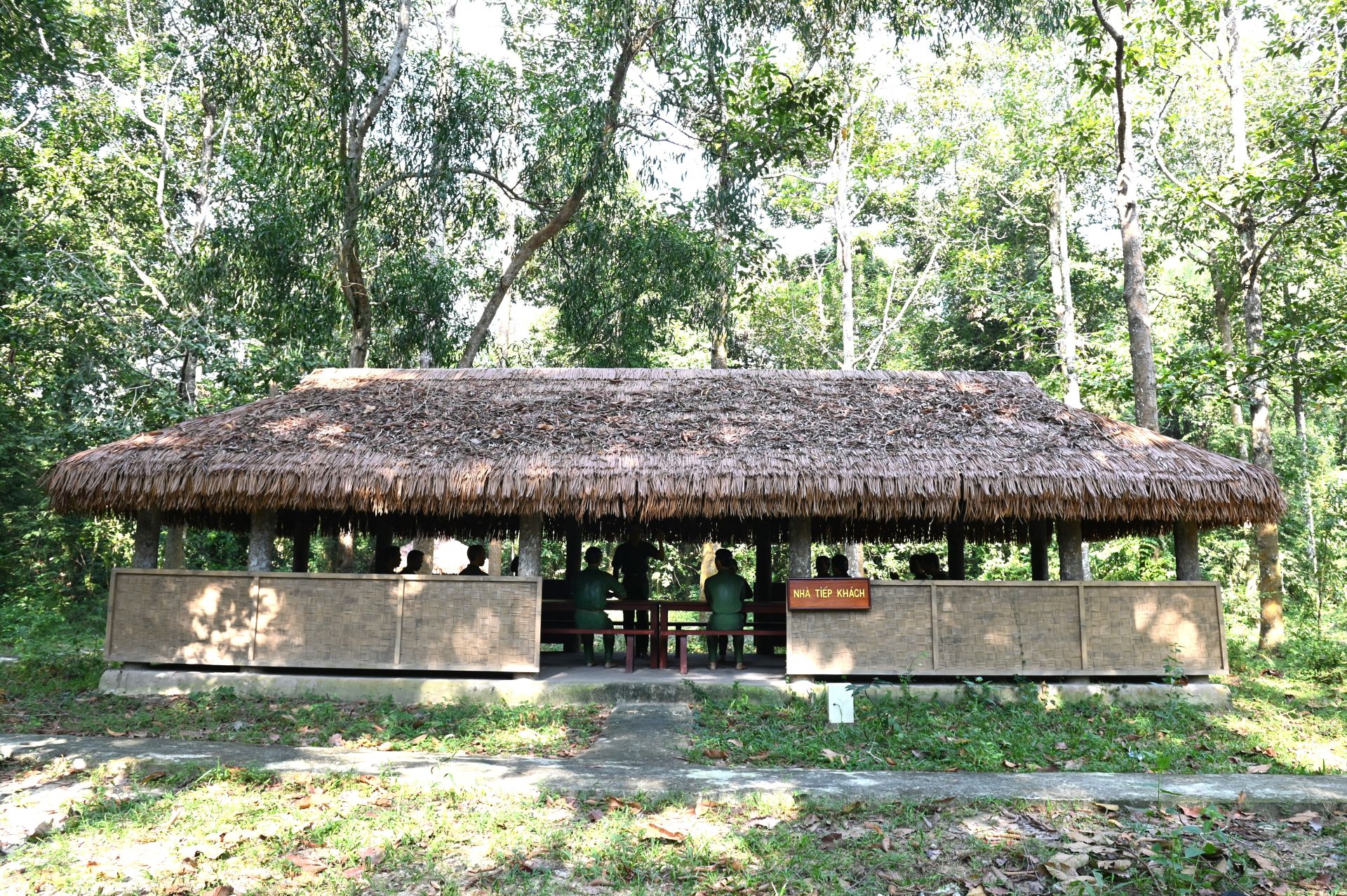
Guest house.
Inside the house, the set of tables and chairs is a collection of sculptures recreating scenes of daily life, welcoming guests, holding meetings, and discussing battle plans. The human figures are modeled after real people from the resistance era, along with objects such as tables, chairs, oil lamps, weapons, books, and documents.
Scattered throughout the forest are three more soldiers' quarters, each measuring 5.7 x 3.6 m² , with architecture, materials, and imagery similar to the guest house. Notably, these quarters also contain secret underground bunkers.
Additionally, the Hoang Cam kitchen, measuring 5.7 x 3.6 m² , has been reconstructed in the forest. It features thatched walls, wooden pillars, and a floor dug 1 meter below ground level. The structure includes two cooking stoves, two smoke mixing pits, and an external smoke dispersion system. Kitchen utensils such as pots, pans, bowls, chopsticks, and earthenware jars are also present.
Next to Hoang Cam's kitchen is a well. The well's mouth is 1.2 m in diameter and 5 m deep, with a well area 3 m in diameter, built with mortar to resemble earth, rich in water, and a rotating water-filling frame made of steel pipes.
Connecting these structures is an internal concrete road, over 450 meters long, and a trench system nearly 200 meters long. All of the aforementioned structures are equipped with lighting systems, fire protection systems, and water pumps to prevent flooding.
Mr. Hoa Van Hiep, Deputy Director of the Culture, Sports and Broadcasting Center of Duong Minh Chau district, said that recently, many delegations from agencies, veterans' associations, and schools in the province have come to visit and learn about history.
The center has submitted a request to the District People's Committee for approval and funding to invest in additional items in this area, such as paving the courtyard with cement concrete and installing more stone benches for tourists to rest.
An ideal location for organizing activities related to heritage.
Area 2, spanning 8 hectares, is quite well-invested and visible from the entrance gate to the central area, including the Memorial House, the Memorial Hall, the Exhibition House, the Drum House, and the Bell House. Around the area, there are also internal roads leading to the bomb craters – remnants of a fierce wartime era.
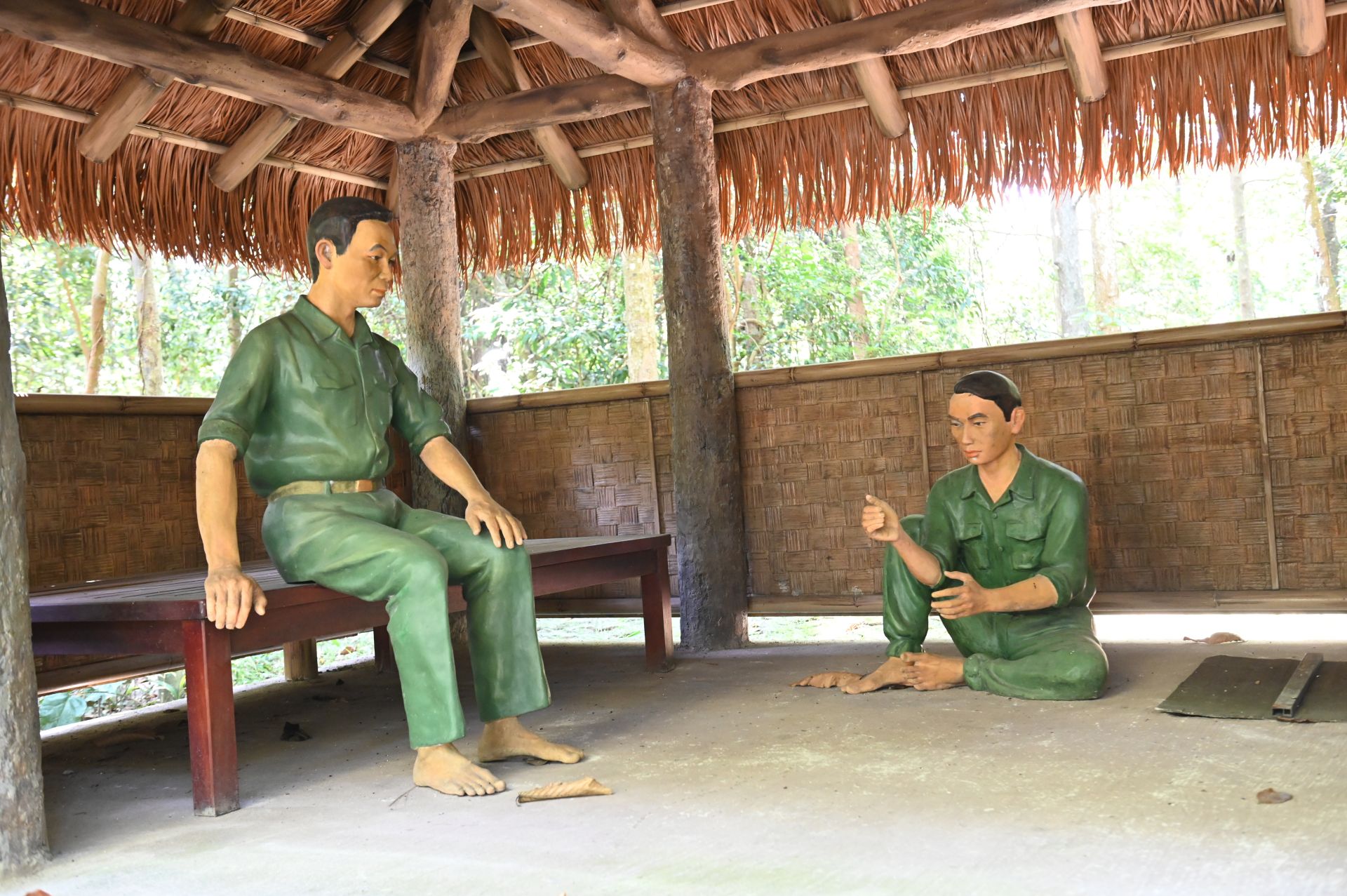
The complex of statues is modeled after real images from the resistance war era.
The Memorial House is designed in the ancient architectural style of temples, reflecting a solemn atmosphere. Inside, there are three worship areas. In the center is the altar to the Fatherland. To the left, viewed from the outside, is the altar dedicated to Hero of the People's Armed Forces Duong Minh Chau, former representative of the first National Assembly of the Democratic Republic of Vietnam, and former Chairman of the Resistance Administrative Committee of Tay Ninh province. To the right is the altar to Heroic Vietnamese Mothers. Around the walls are stone plaques inscribed with the names of Heroic Vietnamese Mothers and martyrs who sacrificed their lives to protect the Fatherland.
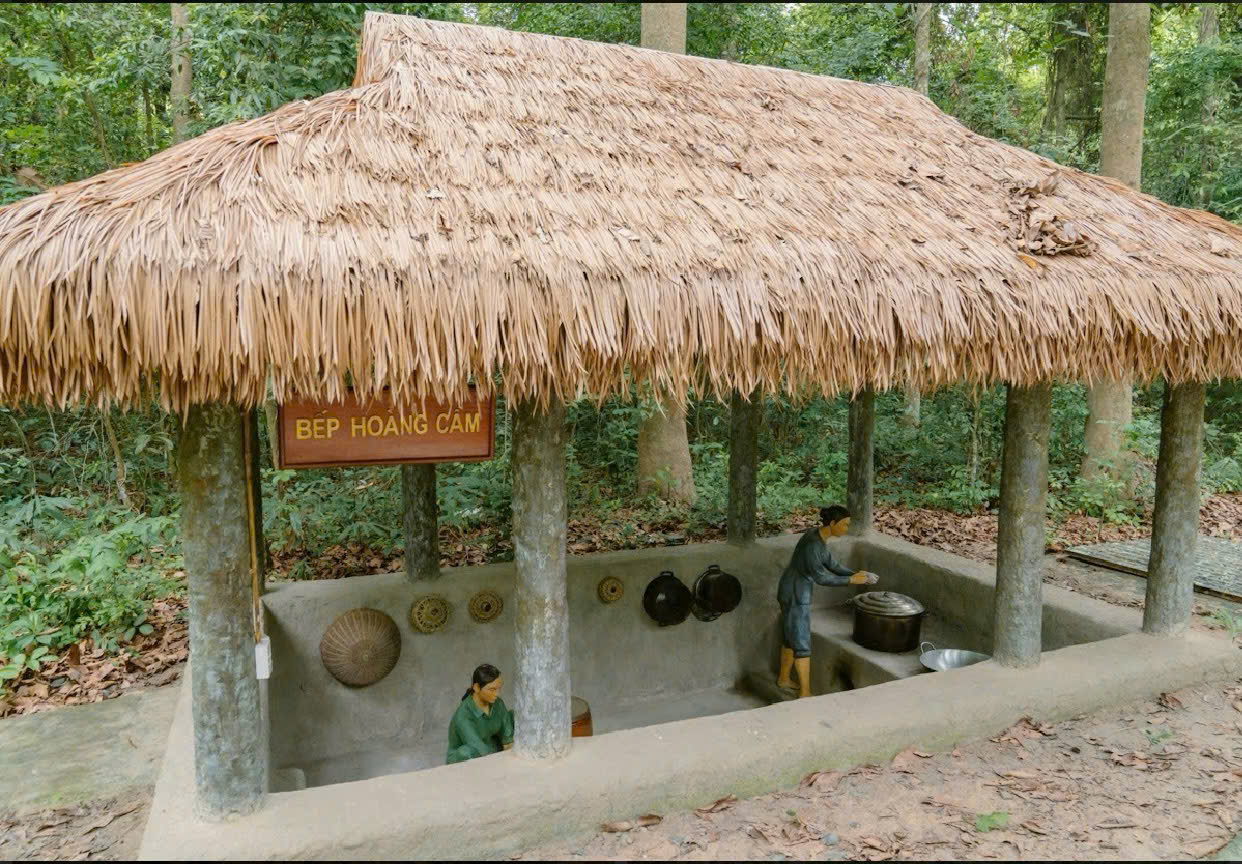
Hoang Cam Kitchen project.
Behind the Memorial House is the Exhibition House. This building displays images of the revolutionary forces fighting during the resistance against the French and Americans, as well as some images of the district leaders' activities during peacetime. In addition, there are display cases showcasing artifacts from the resistance war such as AK rifles, sickles, knives, pots, pith helmets, and items used by the military medical corps…
Outside, visitors can explore the Bell House with its brass bells, 800mm in diameter, featuring ancient architectural designs with dragon carvings. The Drum House houses a set of traditional drums with drumheads measuring 800 x 1200 mm, covered in wood and leather, and painted with red lacquer and cloud and water patterns. Particularly noteworthy within this historical site is a 9-meter-long model of an AK rifle, placed in a B52 bomb crater. This model has been recognized by the Vietnam Record Organization as the longest AK rifle model in Vietnam.
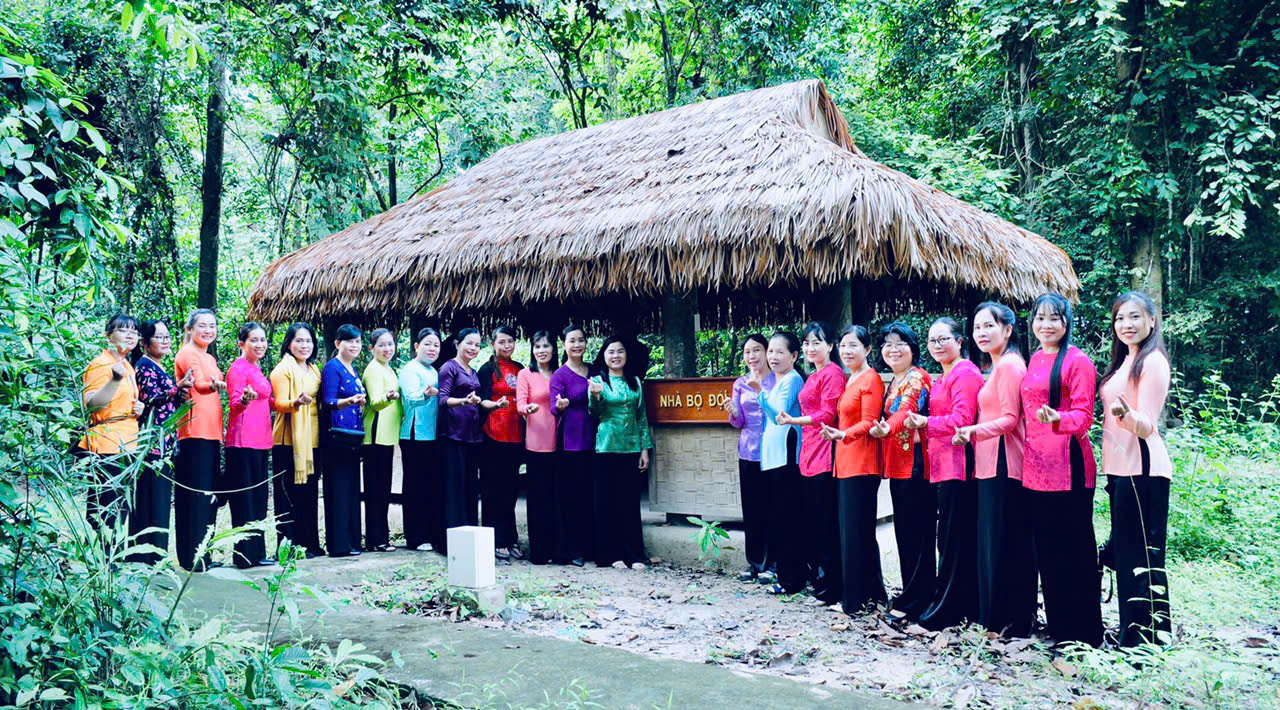
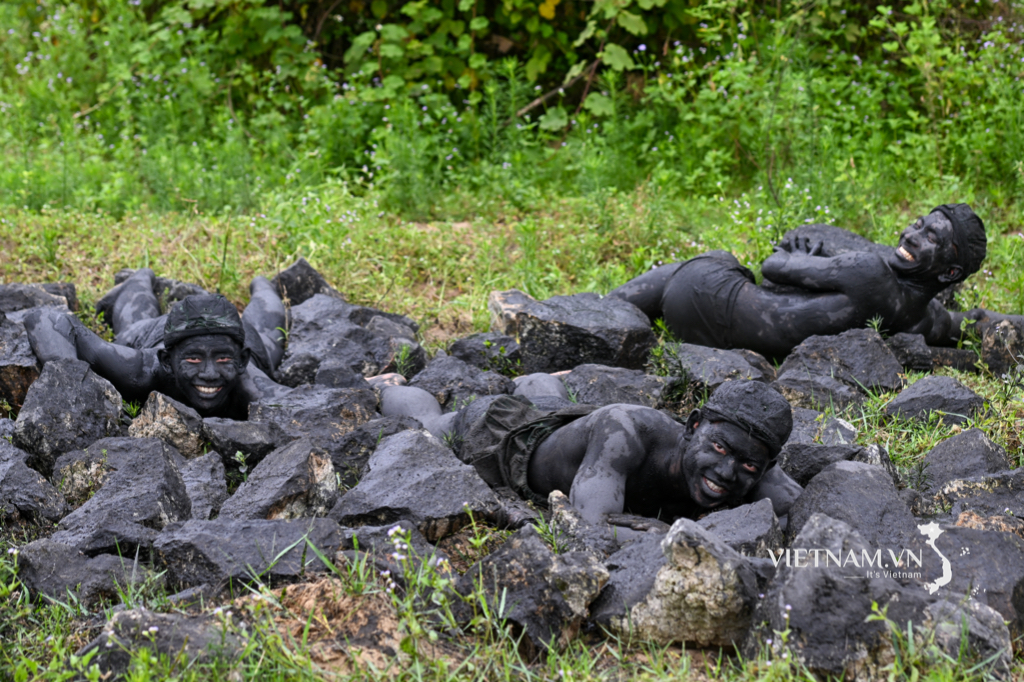
Visitors at the historical site.
Area 2 has received regular maintenance and upkeep from the province and district, as it is the venue for many commemorative activities and important local holidays, such as the anniversary of the district's founding, farewell ceremonies for citizens enlisting in the military and police service each year, traditional camp activities, and visits to historical sites by delegations from within and outside the district.
The entire historical site is covered by a 40-year-old oil palm forest and many natural forests with tangled vines. On weekends, coming here to learn about history, breathe in the fresh air, and immerse yourself in the refreshing nature is one of the pleasures that are hard to find in the city.
Ocean
Source: https://baotayninh.vn/ve-tham-chien-khu-duong-minh-chau-a181637.html


![[Photo] Prime Minister Pham Minh Chinh attends the Conference on the Implementation of Tasks for 2026 of the Industry and Trade Sector](/_next/image?url=https%3A%2F%2Fvphoto.vietnam.vn%2Fthumb%2F1200x675%2Fvietnam%2Fresource%2FIMAGE%2F2025%2F12%2F19%2F1766159500458_ndo_br_shared31-jpg.webp&w=3840&q=75)





































































Comment (0)