

The tourism system planning for the 2021-2030 period, with a vision to 2045, has just been issued with the following content: Determining priorities for synchronous investment and improving the quality of recognized national tourist areas; at the same time, planning and investing in infrastructure, attracting investment in facilities to promote potential locations for national tourist area development.

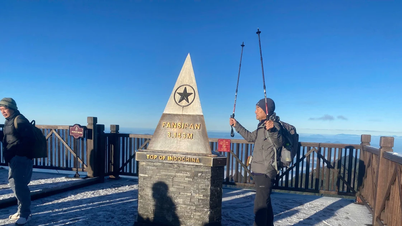
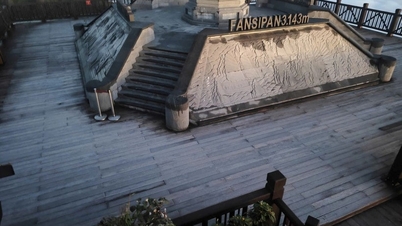
Tourists come to visit, sightsee and worship at the spiritual tourist area, the road to the top of Fansipan.
The newly issued plan clearly states a list of potential locations for national tourism development, including 61 locations distributed in 6 tourist regions.
This is an important orientation in the planning of Vietnam's tourism development in the coming time. Because the national tourism area is an important nucleus to attract investment in a concentrated and effective direction, creating motivation and highlights for regions and areas to develop tourism; it has an important meaning in building brands and images for destinations.
According to the Ministry of Culture, Sports and Tourism, up to now, there have been 9 potential areas recognized as national tourist areas. These are Tuyen Lam National Tourist Area (Lam Dong) in 2017; Sa Pa National Tourist Area (Lao Cai) in 2017; Sam Mountain National Tourist Area (An Giang) in 2018; Tra Co National Tourist Area, Mong Cai (Quang Ninh) in 2019; Mui Ne National Tourist Area (Binh Thuan) in 2020; Hung Temple National Tourist Area, Viet Tri (Phu Tho) in 2020; Tam Dao National Tourist Area (Vinh Phuc) in 2022; Moc Chau National Tourist Area (Son La) in 2024 and Con Dao National Tourist Area ( Ba Ria - Vung Tau ) in 2024.
Currently, the Ministry of Culture, Sports and Tourism is continuing to build and perfect a set of criteria for managing the cultural environment in national tourist areas to contribute to building a civilized and cultural tourism environment in 9 national tourist areas in particular and other destinations.
According to the Vietnam National Administration of Tourism, the set of criteria for building a cultural environment in national tourist areas includes 5 groups with nearly 50 criteria. These are groups of criteria related to: Building cultural institutions and cultural landscapes; preserving and promoting the values of customs, practices and other tourism resource values; building ethics, lifestyles and codes of conduct in tourism activities; developing cultural products and services for tourism; specific characteristics of developing products, services and tourism activities in national tourist areas. The criteria for achieving the title of national tourist area are quite high and strict. Ensuring cultural environment criteria will contribute to attracting a large number of tourists.
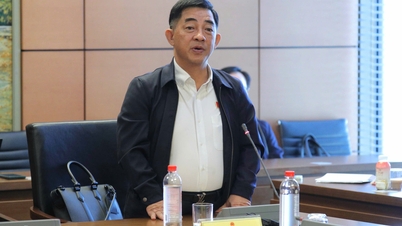
Associate Professor, Dr. Bui Hoai Son, Standing Member of the National Assembly's Committee on Culture and Education, shared: A good cultural environment helps create unique tourism experiences and a safe space for tourists, promoting the conservation and promotion of local cultural values. The cultural environment significantly supports cultural diversity, respect between communities, and creates a friendly tourism space. In addition, tourism can create good opportunities for economic and social development for local communities; raise tourists' awareness of environmental protection and promote sustainable tourism behaviors. A good cultural environment can help stimulate local businesses, increase community income, ensure historical and cultural relics are preserved and managed sustainably, etc.
Source


![[Photo] Urgently help people soon have a place to live and stabilize their lives](/_next/image?url=https%3A%2F%2Fvphoto.vietnam.vn%2Fthumb%2F1200x675%2Fvietnam%2Fresource%2FIMAGE%2F2025%2F12%2F09%2F1765248230297_c-jpg.webp&w=3840&q=75)





































![[Photo] General Secretary To Lam works with the Standing Committees of the 14th Party Congress Subcommittees](https://vphoto.vietnam.vn/thumb/402x226/vietnam/resource/IMAGE/2025/12/09/1765265023554_image.jpeg)




















Comment (0)