

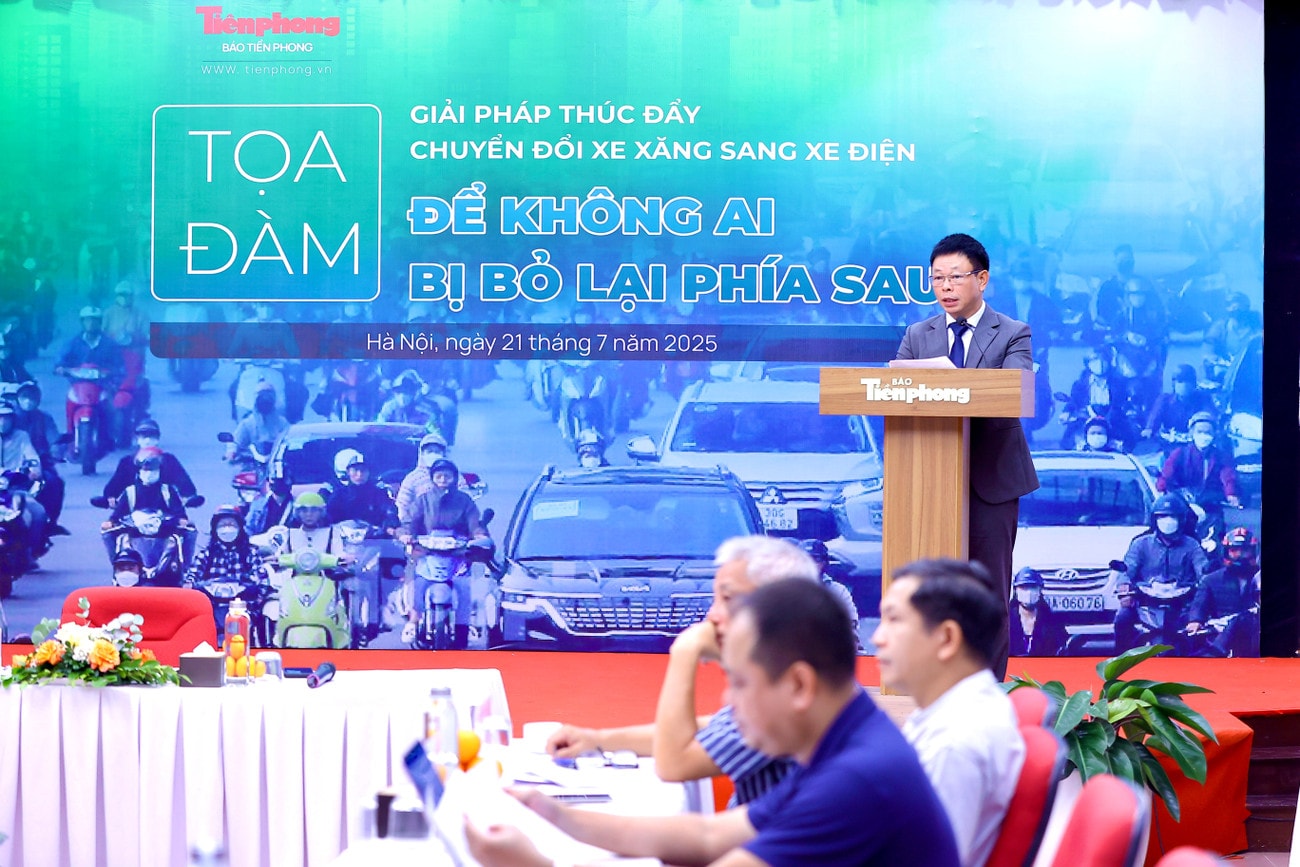
Motorcycles - a major source of emissions.
At the seminar "Solutions to promote the transition from gasoline to electric vehicles so that no one is left behind," organized by Tien Phong Newspaper on the morning of July 21, many scientists , experts, and leaders of ministries, departments, and specialized agencies affirmed that: Without decisive action, air pollution will continue to erode public health and negatively impact sustainable development.
Associate Professor Hoang Anh Le (Faculty of Science, Vietnam National University, Hanoi) cited research indicating that during the day, motorcycles are the primary source of emissions, while at night it is trucks. In particular, gasoline-powered motorcycles are often not equipped with exhaust gas treatment systems, emitting directly through the exhaust pipe, thus causing much higher levels of pollution compared to cars – which already have standard exhaust gas filtration systems.
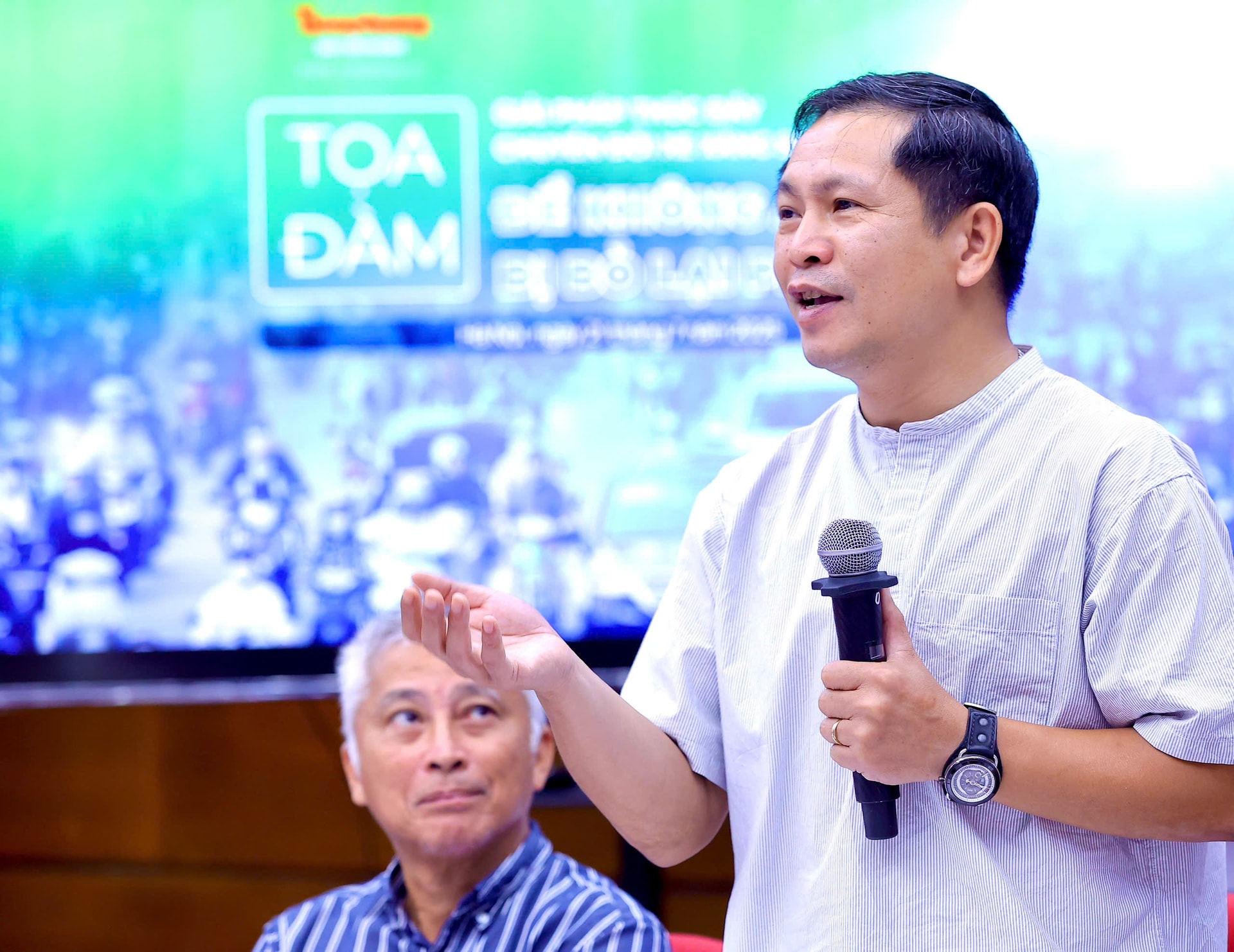
In the inner city area – especially within the Ring Road 1 – traffic is dense and travel speeds are low, leading to increased fuel consumption. Calculations show that the average speed of vehicles in Hanoi is only about 35 km/h – one of the reasons for the sharp increase in emissions.
According to Ms. Nguyen Hoang Anh (Department of Environment, Ministry of Agriculture and Environment ), after the Covid-19 pandemic, when economic activities return to normal, there are only a few days left when Hanoi has good air quality.
In the last three months of 2024, the city recorded 47 days with very poor pollution levels, with the AQI exceeding 246. “To determine the exact cause, an emissions inventory is needed, but this is a dynamic source, changing flexibly, and we currently lack funding and standardized methods. However, data from monitoring stations shows that traffic remains the largest source of emissions, combined with winter weather conditions – dry and with temperature inversions – making Hanoi's pollution more severe than Ho Chi Minh City,” explained Ms. Nguyen Hoang Anh.

A feasible and humane transition roadmap is needed.
Discussing the issue of motorcycle emissions in depth, Nguyen Dong Phong, Director of the Center for Road Motor Vehicle Emission Testing, frankly stated: "The country has nearly 70 million motorcycles, but there is no mechanism to control emissions from vehicles currently in circulation. We only apply emission standards to new vehicles sold on the market. This results in an extremely large and difficult-to-control amount of emissions from older vehicles."
Therefore, the transition to electric vehicles is considered a strategic solution, but it needs to be accompanied by a specific roadmap, clear support policies, and most importantly, ensuring that no one is left behind.
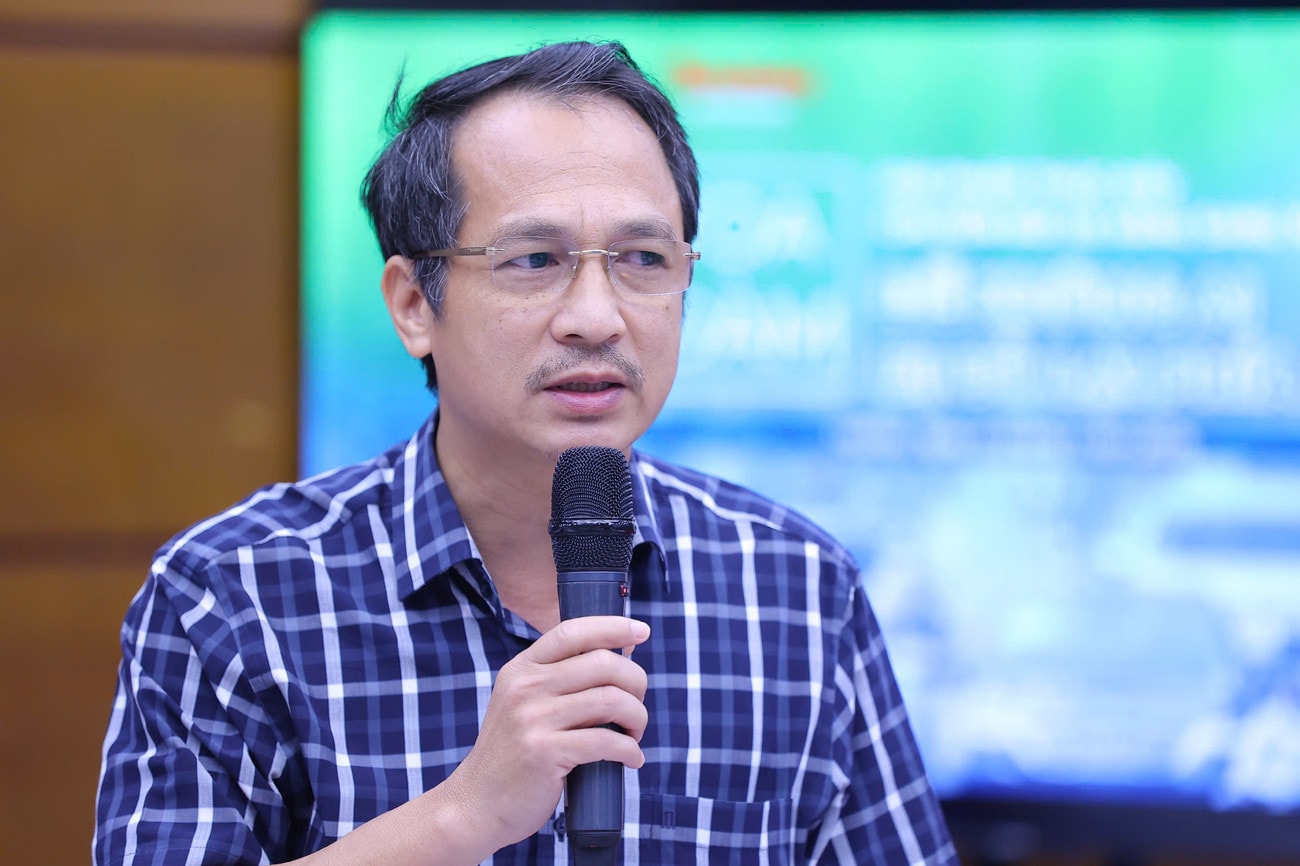
In particular, it is no coincidence that Prime Minister's Directive No. 20/CT-TTg has mandated that Hanoi city, starting July 1, 2026, ban all gasoline-powered motorcycles from circulating within the first ring road. Following this, from 2028, restrictions will be placed on private cars using fossil fuels within rings 1 and 2. By 2030, this policy will be extended to ring road 3. This is a bold decision, but it also raises many challenges regarding transition, infrastructure, consensus, and practical feasibility.
Sharing the same view, Dr. Hoang Duong Tung (Chairman of the Vietnam Clean Air Network) emphasized: Opportunities lie ahead, but without detailed plans, effective communication, and transparent mechanisms, people will not feel secure in participating. Hanoi must take the lead in the transformation – not only because it has the Capital City Law, but also because it has the responsibility to set an example.
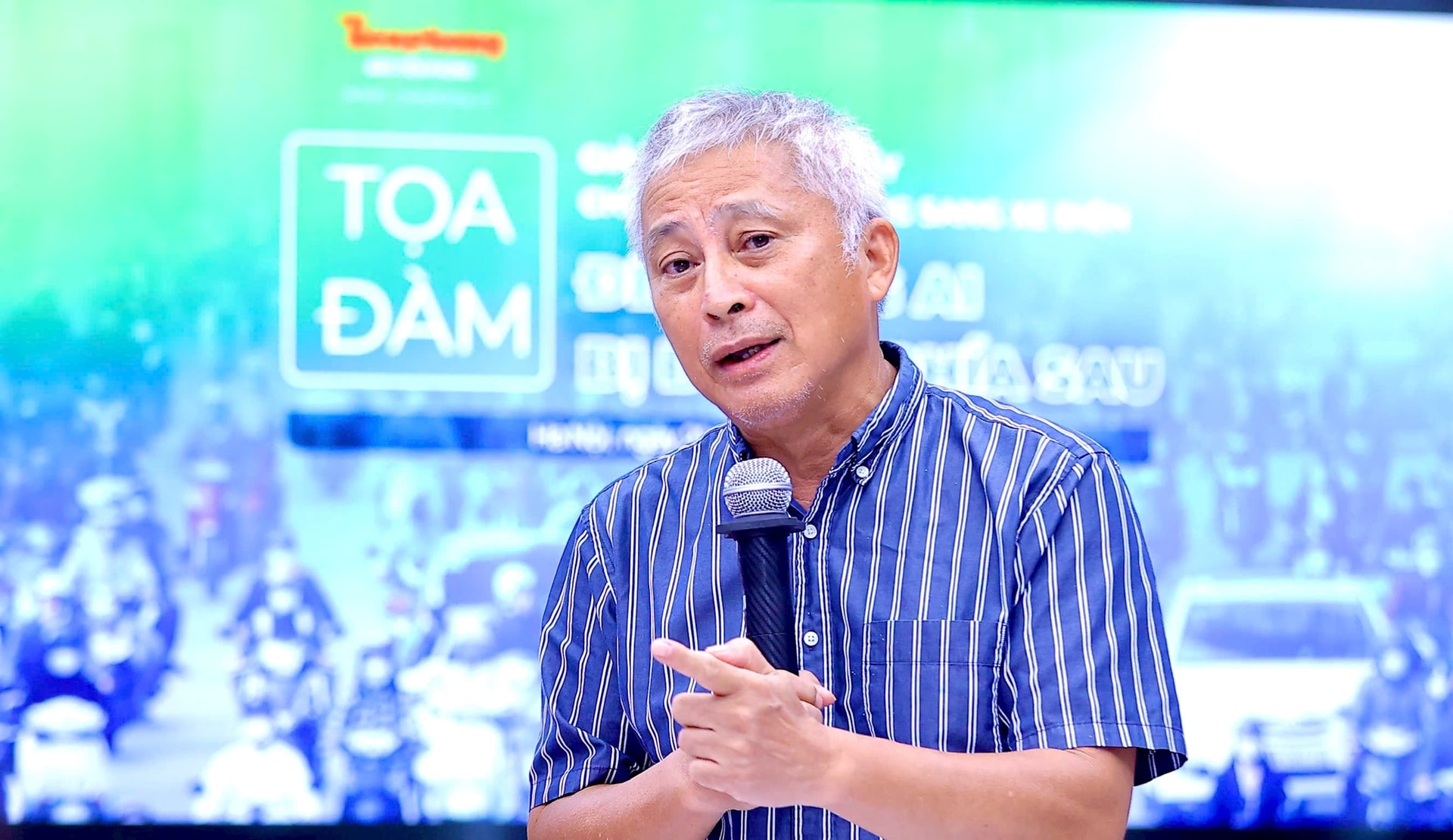
Hanoi currently has approximately 6.9 million motorbikes, with an estimated 450,000 permanently operating within the Ring Road 1. According to Phan Truong Thanh, Head of the Finance and Investment Department of the Hanoi Department of Construction, the city will implement five groups of solutions: surveying residents, assessing the number of vehicles and usage needs; perfecting policies and legal frameworks related to the Capital City Law and the Low Emission Zone Project; investing in public transport infrastructure and charging stations; issuing emission standards and establishing an inspection mechanism for motorbikes; and strengthening communication and raising public awareness to help people understand and support the initiative.

Furthermore, motorcycles cannot be replaced without a convenient, fast, and well-connected public transportation system. According to Mr. Nguyen Van Ngoc – Deputy General Director of Hanoi Railway Company Limited, as of July 2025, the two metro lines (Cat Linh – Ha Dong and Nho Son – Hanoi Station) have transported a total of over 42 million passengers; the growth rate reached 9.5% (2023) and 14% (2024)... showing that people are gradually changing their habits if the infrastructure is good.
"We are connecting with mini-bus routes and organizing shuttle services at the terminal, making it easier for passengers to access the metro, especially in small alleys and narrow streets," Mr. Ngoc said.

Associate Professor Dr. Nguyen Duc Luong (Hanoi University of Civil Engineering) affirmed that Vietnam is not alone on this journey. South Korea, Japan, India, Thailand, and Indonesia have all strongly implemented or are currently implementing transition policies. Specifically, South Korea integrates charging stations into smart urban planning, offers tax incentives, and promotes the development of electric vehicles by large corporations. Japan provides tax exemptions and reductions for electric vehicles and encourages the use of hybrid vehicles. India heavily subsidizes electric two-wheelers, focusing on delivery and technology sectors.
From there, Mr. Luong proposed: "Vietnam needs a transparent roadmap, a specific plan, direct support for the people, promotion of private investment, and strong communication to ensure that the transformation truly comes to life."
The transition from gasoline-powered motorcycles to electric vehicles is not simply a transportation policy – it's a comprehensive social, environmental, health, economic, and welfare policy. Hanoi has the advantages, the determination, and has taken the first steps. But to succeed, much more is needed, from the commitment of the government and the partnership of businesses to the understanding and sharing of the people. A green, clean, and modern Hanoi is not just an aspiration, but a responsibility. There can be no further delay!
Source: https://hanoimoi.vn/xe-may-xang-va-o-nhiem-khong-khi-do-thi-da-den-luc-hanh-dong-quyet-liet-709832.html



![[Photo] Two flights successfully landed and took off at Long Thanh Airport.](/_next/image?url=https%3A%2F%2Fvphoto.vietnam.vn%2Fthumb%2F1200x675%2Fvietnam%2Fresource%2FIMAGE%2F2025%2F12%2F15%2F1765808718882_ndo_br_img-8897-resize-5807-jpg.webp&w=3840&q=75)




































































Comment (0)