

From 2024 to the present, the Politburo of the 13th Party Congress has issued seven strategic resolutions, including Resolution No. 57-NQ/TW on breakthroughs in the development of science, technology, innovation, and national digital transformation; Resolution No. 59-NQ/TW on international integration in the new situation; Resolution No. 66-NQ/TW on reforming the work of drafting and implementing laws to meet the requirements of national development in the new era; Resolution No. 68-NQ/TW on the development of the private economy; Resolution No. 70-NQ/TW on ensuring national energy security until 2030, with a vision to 2045; Resolution No. 71-NQ/TW on breakthroughs in the development of education and training; and Resolution No. 72-NQ/TW on some breakthrough solutions to strengthen the protection, care, and improvement of people's health.
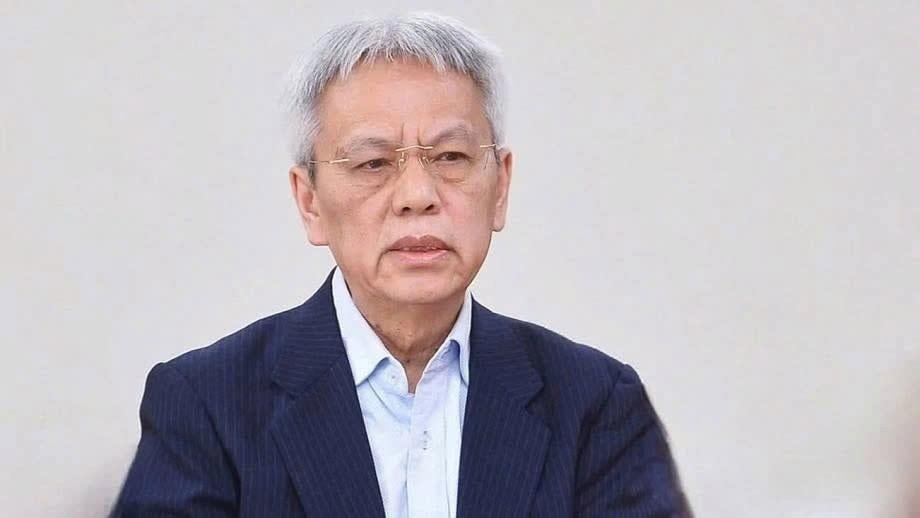
To better understand the meaning and impact of these resolutions on the country's development, our reporter interviewed Dr. Nguyen Si Dung, former Deputy Head of the National Assembly Office.
PV: Sir, some argue that combining these seven strategic resolutions will create a cyclical process that promotes socio- economic development and supports businesses. A transparent legal framework provides a foundation for businesses to invest confidently in the long term, while simultaneously fostering science, technology, innovation, and the development of the private sector. A stable energy infrastructure and a high-quality workforce create favorable conditions for businesses to expand production and improve labor productivity… What is your view on this matter?
Dr. Nguyen Si Dung: I believe this assessment is entirely justified, because the seven resolutions of the Politburo are not isolated policies, but rather a deliberately designed "cycle of development." Resolution 66 creates a transparent and predictable institutional and legal foundation, helping businesses feel secure in long-term investment. Building on that foundation, Resolution 57 promotes science, technology, innovation, and digital transformation, opening up new growth opportunities. Resolution 68 unleashes the power of the private sector – the most dynamic force in the economy.
Simultaneously, to enable businesses to expand production at reasonable costs and low risk, Resolution 70 ensures energy security; Resolution 71 provides high-quality human resources; and Resolution 72 improves public health – the nation's human capital. Resolution 59 on integration helps businesses access global markets and new value chains.
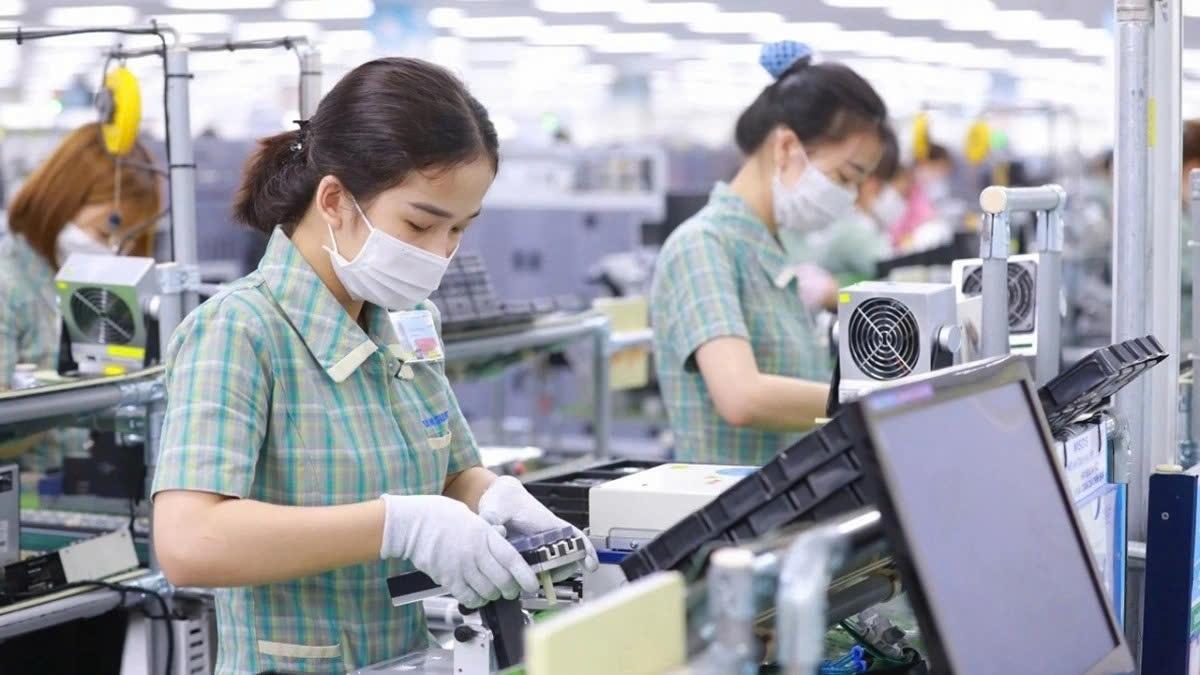
When interconnected, the seven resolutions form a closed development ecosystem: institutions → innovation → businesses → resources → markets. This is the cyclical process that supports businesses in thriving in the new era.
PV: In your opinion, what kind of development mechanism will these seven resolutions create for Vietnam, and what impact will they have on businesses in the new era?
Dr. Nguyen Si Dung: These seven strategic resolutions are creating a completely new development mechanism for Vietnam: a development mechanism based on high-quality institutions, science and technology, innovation, and human strength. While previously our growth model leaned towards capital, cheap labor, and resource exploitation, the Politburo is now strongly orienting us towards a model based on intellect, creativity, and modern national governance capacity.
From the business perspective, the impact is very direct. Resolution 66 helps create a more transparent and predictable legal environment, reducing compliance costs and legal risks. Resolution 57 opens opportunities for the application of technology, data, and digital transformation to increase productivity. Resolution 68 promotes the private sector as a key driving force, while Resolution 70 ensures that businesses have a stable energy source at a reasonable cost. Resolutions 71 and 72 strengthen human resources and public health—critical factors for long-term labor productivity. Resolution 59 supports businesses in deeper integration and access to global value chains.
In summary, this is a “new development operating system” that enables Vietnamese businesses to accelerate, innovate, and compete at the regional and global levels.
PV: How will these 7 strategic resolutions support Vietnamese businesses in achieving breakthroughs in the context of digital transformation, deep integration, and global competition, sir?
Dr. Nguyen Si Dung: The seven strategic resolutions will create a "new runway" for Vietnamese businesses to take off in the context of digital transformation, deep integration, and global competition. First, Resolution 66 helps remove institutional bottlenecks that increase costs and slow down business growth. When the legal environment is transparent, stable, and predictable, businesses can focus on innovation, market expansion, and product development.
Resolution 57 places science and technology, data, and innovation as the foundation of new productivity. This helps Vietnamese businesses quickly adapt to digital technology, AI, automation, and data-driven business models.
Simultaneously, Resolution 59 expands the scope of integration, helping businesses access global value chains and take advantage of new-generation trade agreements. Resolution 68 provides further impetus to the private sector – the pioneering force of competition and innovation. Resolutions 70, 71, and 72 provide three fundamental conditions: stable energy, high-quality human resources, and public health.
When these factors combine, Vietnamese businesses can not only keep up with the global game, but also break through and lead in new areas of the digital age.
PV: In your opinion, how does the connection between institutions, science and technology, energy, human resources, healthcare, and international integration in the seven strategic resolutions create a national development cycle?
Dr. Nguyen Si Dung: The seven strategic resolutions create a very clear national development cycle: institutions → technology → businesses → resources → integration → back to promoting institutions. This is a systemic, architectural approach, different from the piecemeal policymaking methods of the past.
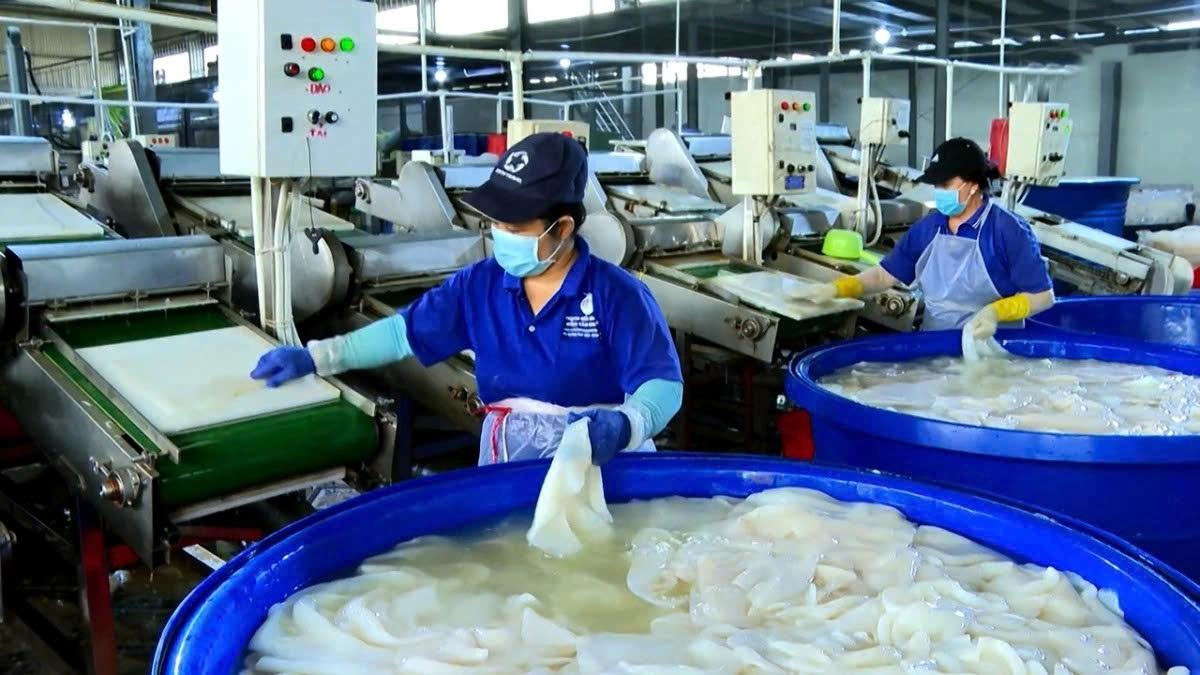
The transparent and stable institutions established by Resolution 66 served as a starting point: they reduced costs, mitigated risks, and fostered business confidence. Building on this foundation, Resolution 57 injected innovation and technology into the economy, boosting productivity and opening up new industries. Resolution 68 further strengthened the private sector as a powerful engine of growth.
Resolution 70 ensures energy – the lifeblood of the economy; Resolutions 71 and 72 build human resources and public health – irreplaceable “human capital”. As businesses become healthier and more competitive, Resolution 59 opens up opportunities for international integration, allowing them to expand globally.
This connection creates a closed loop: good institutions breed strong businesses; strong businesses require even better institutions. It is this cycle that will propel Vietnam onto a trajectory of rapid and sustainable development in the new era.
PV: In the context of a rapidly changing global economy, how can these seven strategic resolutions help Vietnam seize new opportunities and participate more deeply in global value chains, sir?
Dr. Nguyen Si Dung: In the context of a rapidly changing global economy, the seven strategic resolutions provide Vietnam with a new set of capabilities to not only adapt but also capitalize on the great opportunities of the global value chain. First, Resolution 66 helps improve the quality of institutions, increase predictability, and reduce legal risks – something that multinational corporations always consider a prerequisite when choosing an investment destination.
Resolution 57 makes science and technology, innovation, and digital transformation pillars, helping Vietnamese businesses participate in higher-value stages such as design, R&D, digital logistics, or smart manufacturing. Resolution 68 creates conditions for the private sector to break through and become a leading force in new supply chains.
Resolution 70 ensures a stable energy supply, meeting green standards – a requirement increasingly valued by global corporations. Resolutions 71 and 72 provide high-quality human resources and good public health, making Vietnam a reliable destination for high-tech industries. Resolution 59 expands the scope of integration, enabling Vietnam to proactively participate and even shape the "rules of the game" in some areas.
In summary, the seven resolutions create the capacity for Vietnam to "escalate value," participate more deeply, and have a stronger position in the global supply chain.
PV: What role do the 7 strategic resolutions play in shaping the momentum for sustainable development and enhancing Vietnam's national standing in the new era, sir?
Dr. Nguyen Si Dung: The seven strategic resolutions create a foundation for truly sustainable development: not just rapid growth, but growth based on quality, resilience, and the nation's inherent strength. Resolution 66 upgrades institutions – a decisive factor in transparency, effectiveness, and policy implementation. Good institutions not only reduce costs but also create social trust – a crucial form of "development capital" in an uncertain era.
Resolution 57 promotes innovation, technology, and digital transformation, helping Vietnam build a knowledge-based economy and reduce dependence on the traditional growth model. Resolution 68 unlocks the potential of the private sector – the center of competition and the vitality of the economy.
Resolutions 70, 71, and 72 reinforce three fundamental elements of sustainable development: stable energy, a high-quality workforce, and public health. These are irreplaceable conditions for a country wishing to maintain long-term growth.
Resolution 59 on integration expands the development space and strengthens Vietnam's position in the value chain and on the geopolitical chessboard.
Thanks to the combination of seven resolutions, Vietnam has the opportunity to forge a sustainable development momentum and elevate its national standing in the new era of competition.
Interviewer: Thank you, sir!
Source: https://dangcongsan.org.vn/van-de-quan-tam/7-nghi-quyet-chien-luoc-don-bay-phat-trien-va-tang-truong-ben-vung-cua-viet-nam.html
![[Photo] Prime Minister Pham Minh Chinh receives Lao Minister of Education and Sports Thongsalith Mangnormek](/_next/image?url=https%3A%2F%2Fvphoto.vietnam.vn%2Fthumb%2F1200x675%2Fvietnam%2Fresource%2FIMAGE%2F2025%2F12%2F16%2F1765876834721_dsc-7519-jpg.webp&w=3840&q=75)
![[Image] Leaked images ahead of the 2025 Community Action Awards gala.](/_next/image?url=https%3A%2F%2Fvphoto.vietnam.vn%2Fthumb%2F1200x675%2Fvietnam%2Fresource%2FIMAGE%2F2025%2F12%2F16%2F1765882828720_ndo_br_thiet-ke-chua-co-ten-45-png.webp&w=3840&q=75)


![[Photo] Prime Minister Pham Minh Chinh receives the Governor of Tochigi Province (Japan)](/_next/image?url=https%3A%2F%2Fvphoto.vietnam.vn%2Fthumb%2F1200x675%2Fvietnam%2Fresource%2FIMAGE%2F2025%2F12%2F16%2F1765892133176_dsc-8082-6425-jpg.webp&w=3840&q=75)





































![[Photo] Prime Minister Pham Minh Chinh attends the Vietnam Economic Forum 2025](https://vphoto.vietnam.vn/thumb/402x226/vietnam/resource/IMAGE/2025/12/16/1765893035503_ndo_br_dsc-8043-jpg.webp)






















Comment (0)