

As of October 2024, Binh Phuoc province has 7 heritage items inscribed on the national list of intangible cultural heritage. Of these, Bu Dang district has 4: the folk knowledge and traditional craft of making rice wine of the S'tieng people; the Cau Bong festival of the Kinh people; the brocade weaving of the M'nong people; and the basket weaving and brocade weaving of the S'tieng people. In addition, Bu Dang is also home to the art of gong playing, an indispensable part of the Central Highlands gong culture (an intangible cultural heritage of humanity).
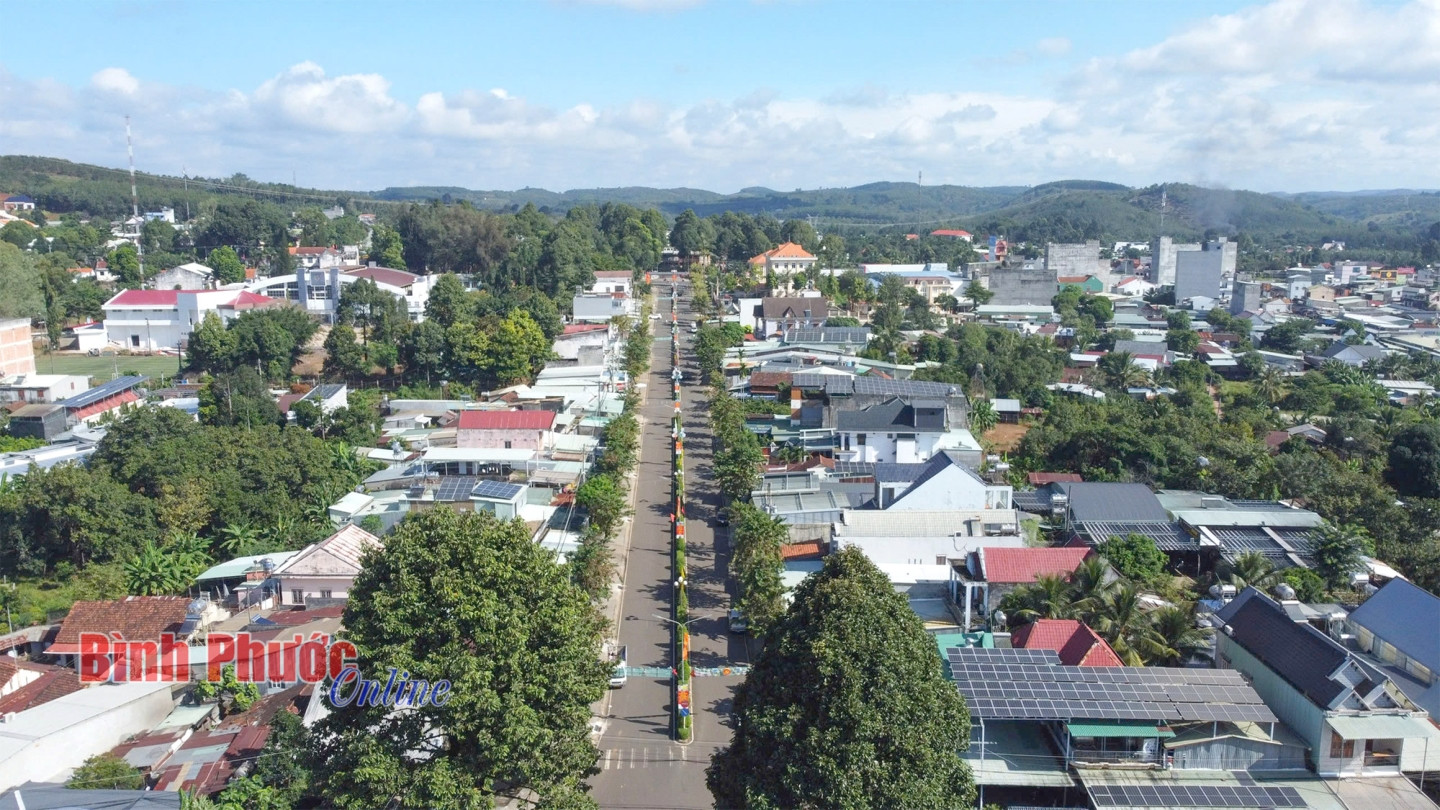
Bu Dang holds within itself precious gems of the diverse ethnic cultures of Vietnam, making a significant contribution to the district's 50-year journey of construction and development.
Each heritage site tells a fascinating story.
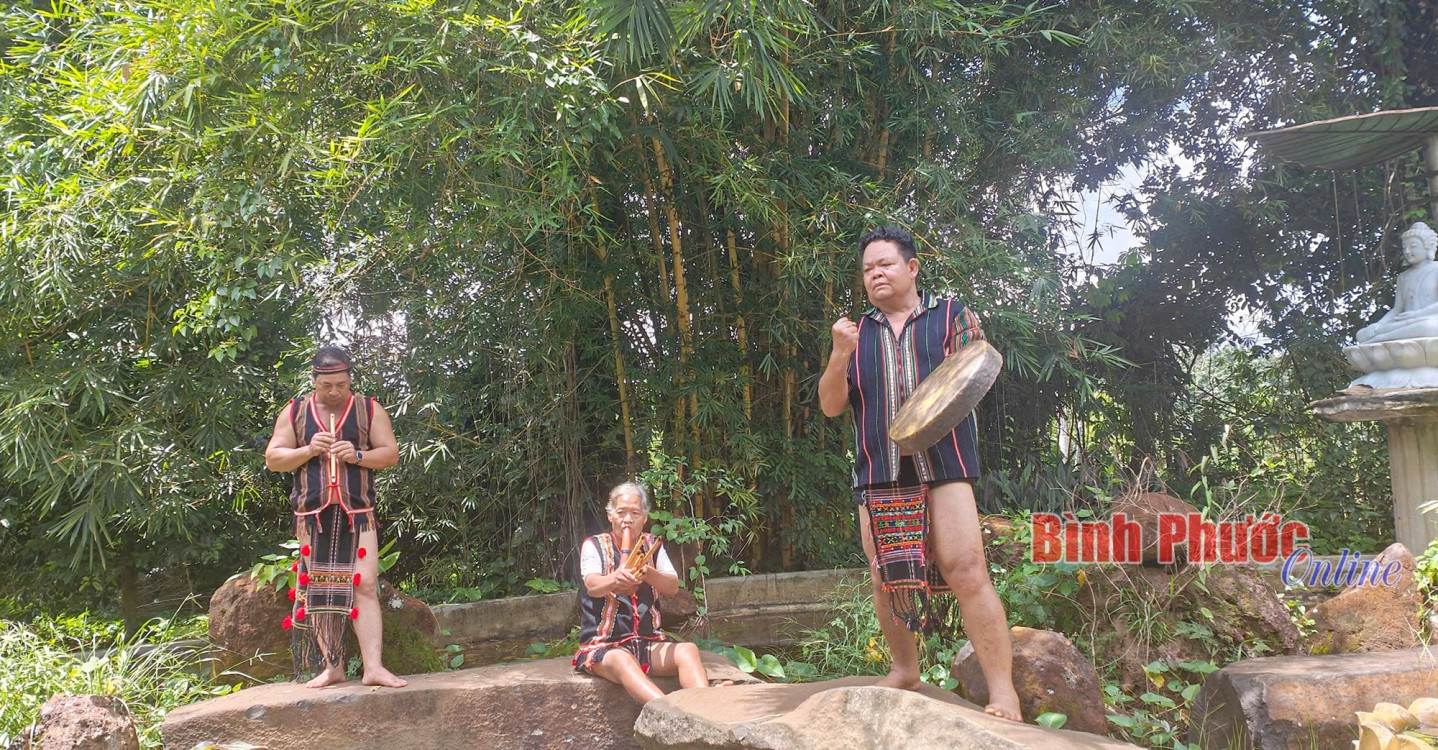
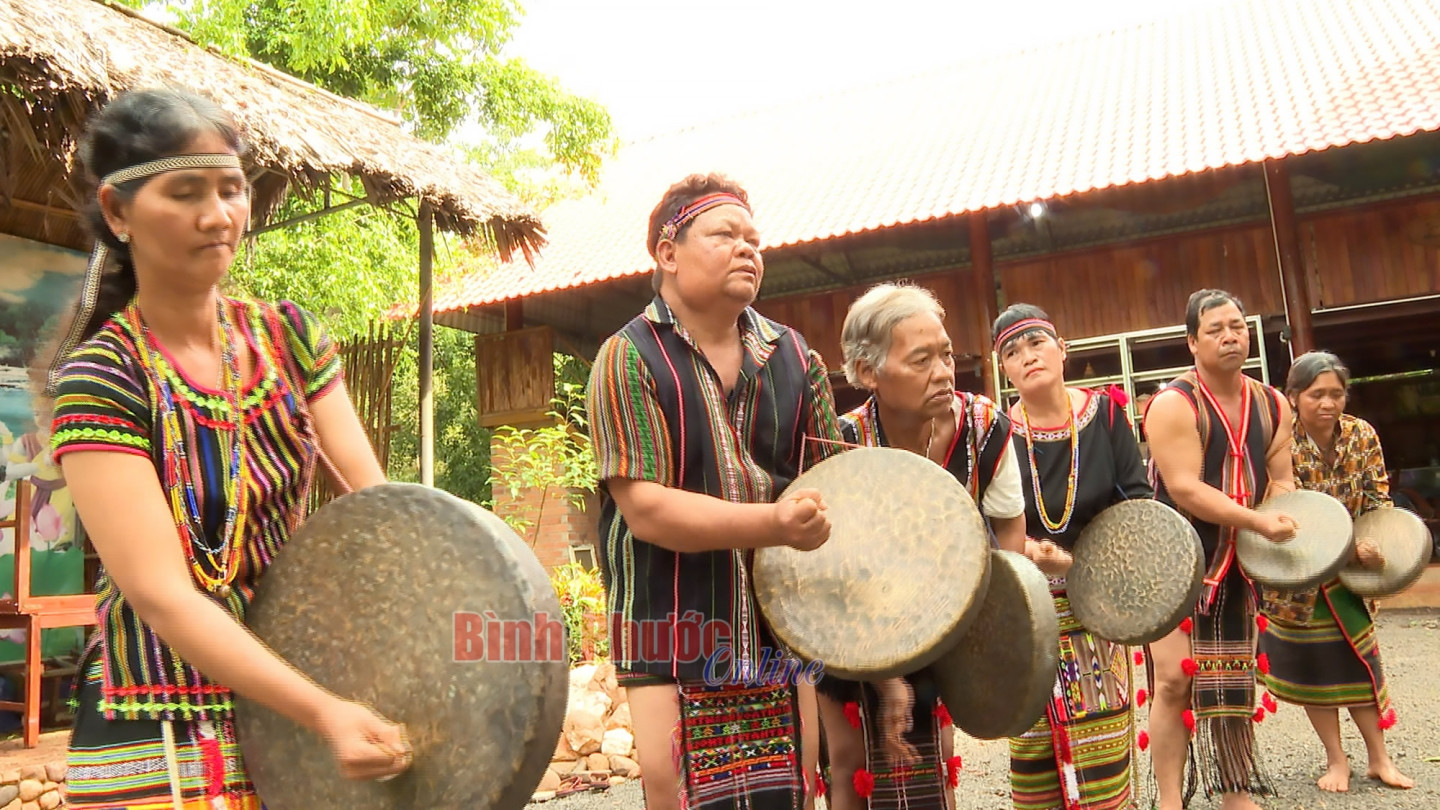
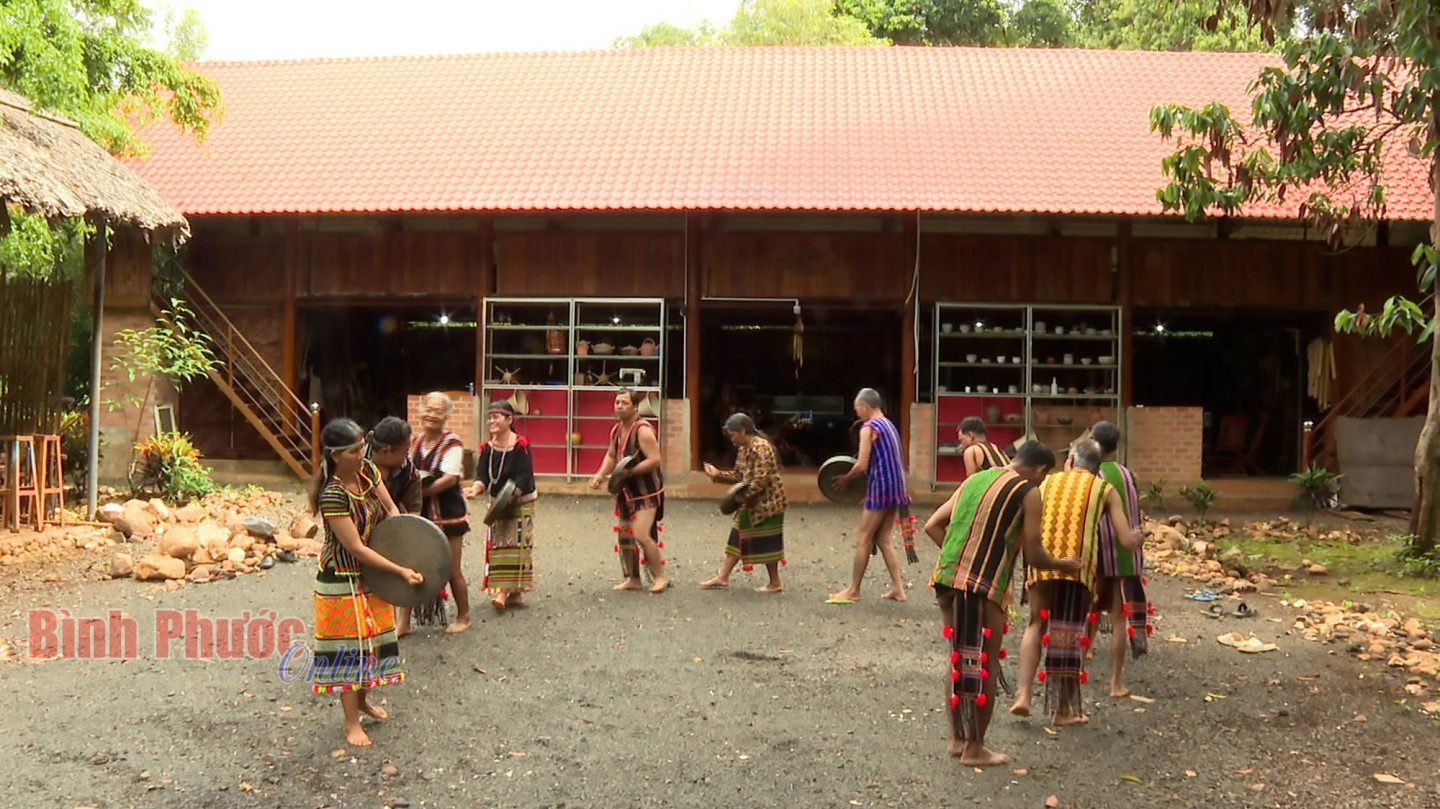
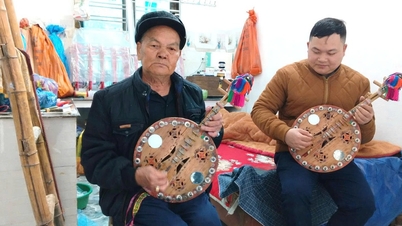
Currently, Bu Dang District has 13 gong ensembles with approximately 70 artisans skilled in the art of gong performance. The art of gong performance is called Goong Xon Gant by the S'tieng and M'nong people. The gong and cymbal performance art is different. Each piece has a unique rhythm, so the members of the ensemble must understand it well to coordinate harmoniously. Associate Professor, Dr. Buon Krong Tuyet Nhung, senior lecturer at Tay Nguyen University, stated: Gongs not only have musical significance but are also considered the "sacred soul of the nation," the "identity," and the "roots" that need to be cherished, preserved, and promoted. Alongside the efforts of the local government, the cultural subjects of the Central Highlands gong culture have been and continue to preserve and promote this unique value.
On August 4, 2022, the traditional brocade weaving craft of the M'nong people in Binh Phuoc province was recognized as a national intangible cultural heritage by the Ministry of Culture, Sports and Tourism. The M'nong people in the communes of Dak Nhau, Dong Nai, Tho Son, and Phu Son in Bu Dang district are very proud that their traditional handcrafted weaving has been honored. Having guided and taught brocade weaving to local women for over 15 years, artisan An De in Son Hoa village, Tho Son commune, shared: “To pursue this craft, one must be persistent and passionate. Many of my students have moved away with their husbands, or gone to work far away… only a few remain in the village, still maintaining the weaving craft.” Ms. An De hopes to pass on the weaving craft to more women to preserve and promote the beauty of their ethnic culture.
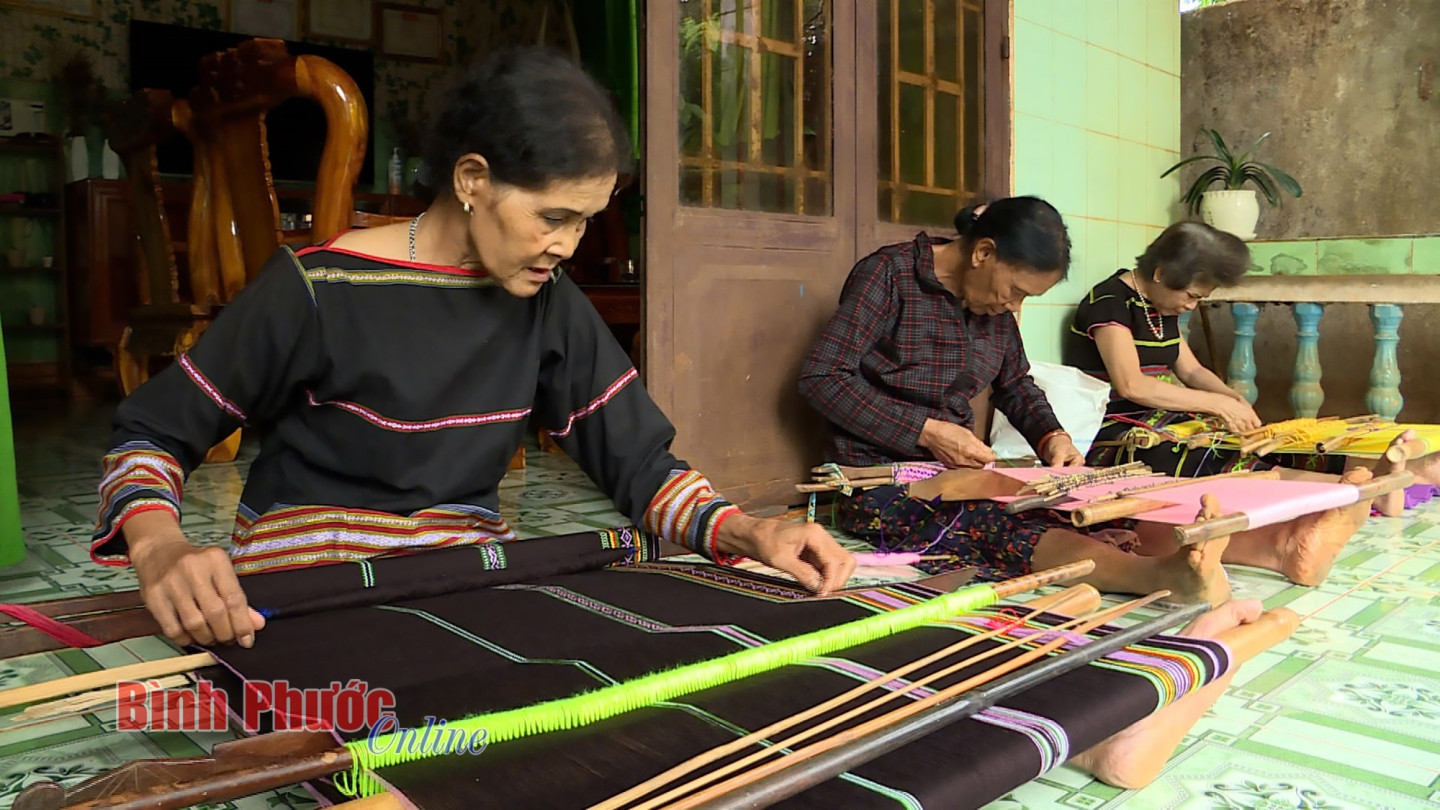
Currently, in Bu Dang district, there are over 100 M'nong households with women who know how to weave brocade and are maintaining the craft. For them, brocade weaving is not only about creating products but also about sitting together, chatting, sharing the joys and sorrows of life, and strengthening community bonds around the colorful loom. This is also a practical way to preserve the traditional craft of their ethnic group.
For the S'tieng people, the recognition of basket weaving and brocade weaving as national intangible cultural heritage holds significant importance, honoring traditional crafts and the custodians of this cultural heritage. This also raises public awareness, emphasizes the responsibility of all levels of government and sectors, and encourages organizations and individuals to work together to preserve and promote the value of this national intangible cultural heritage in the locality.
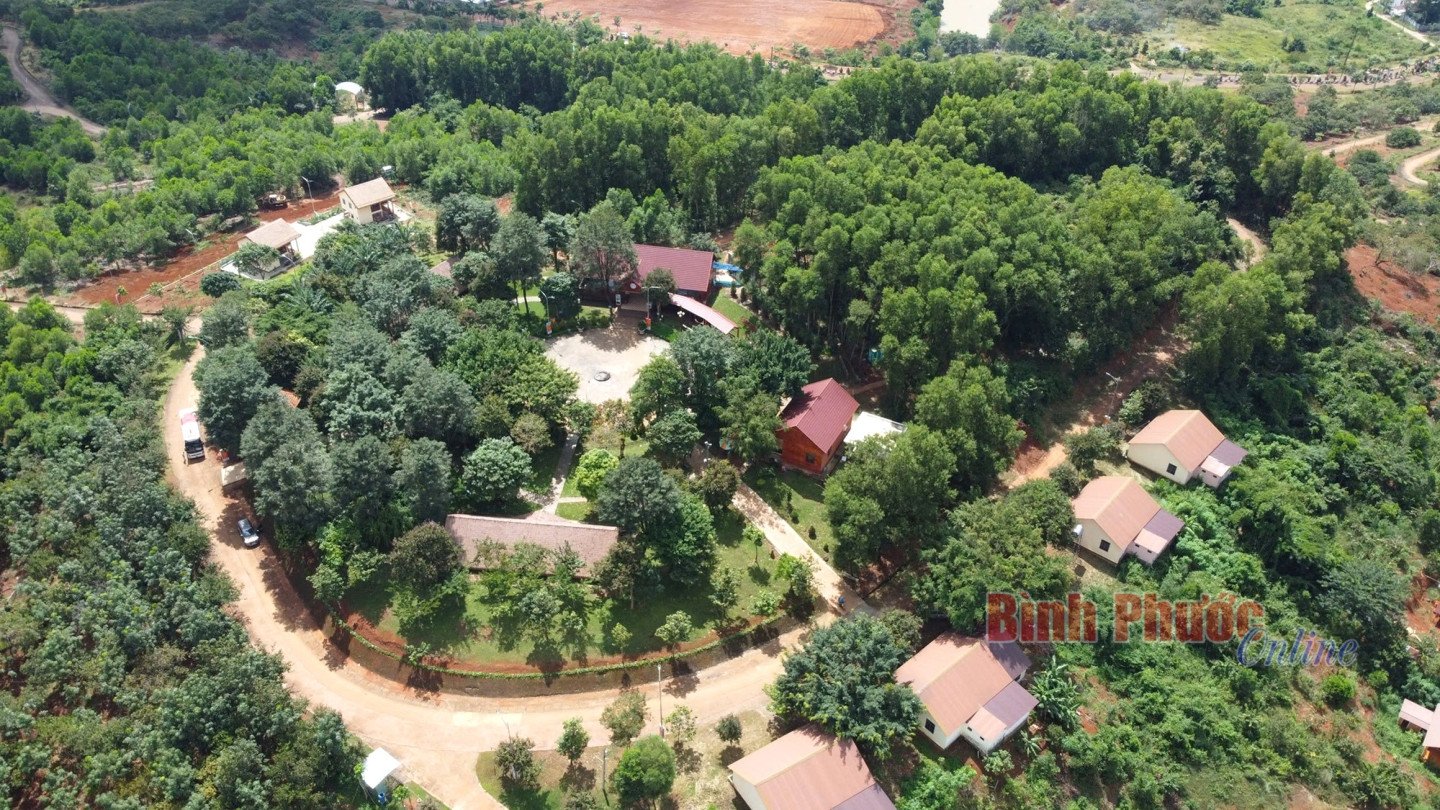
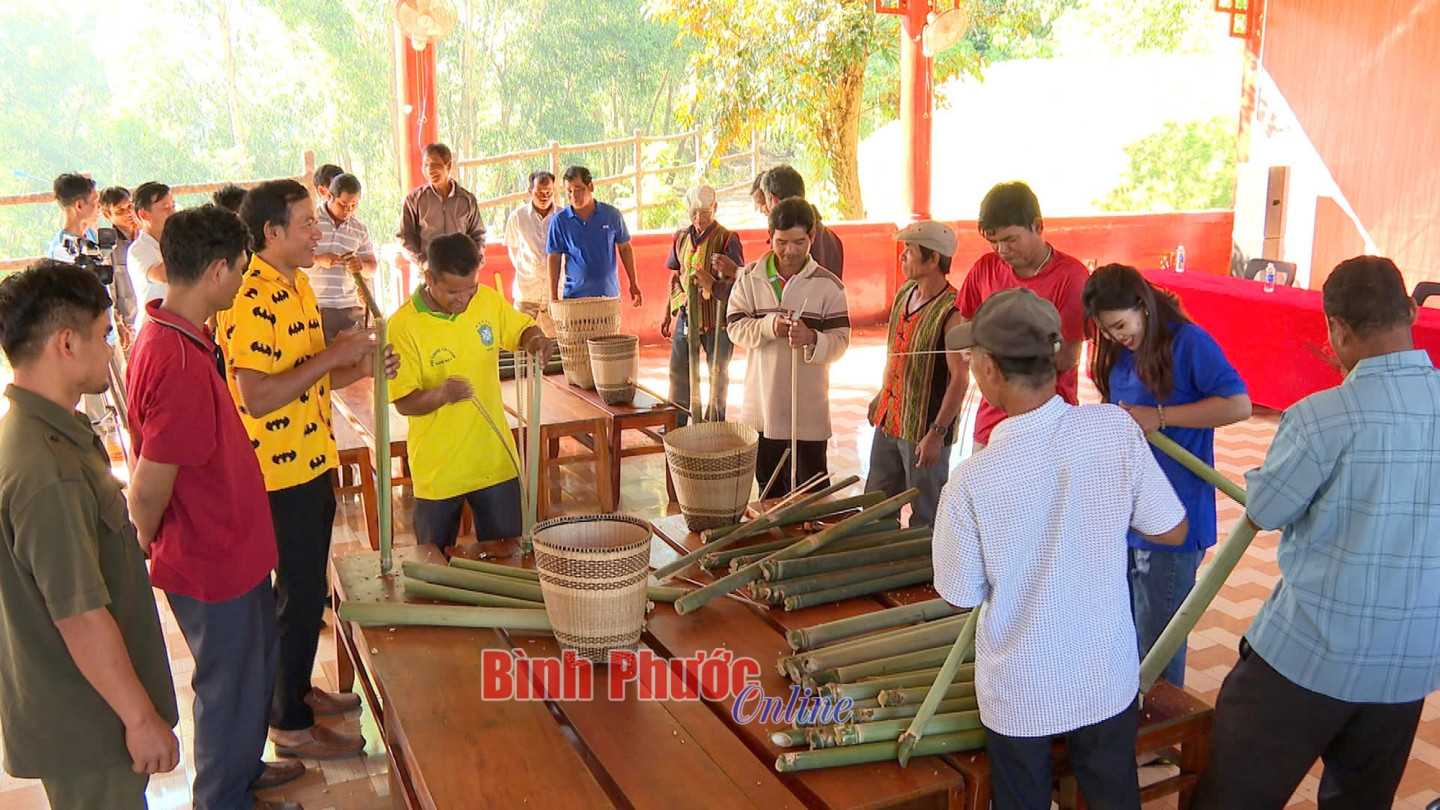
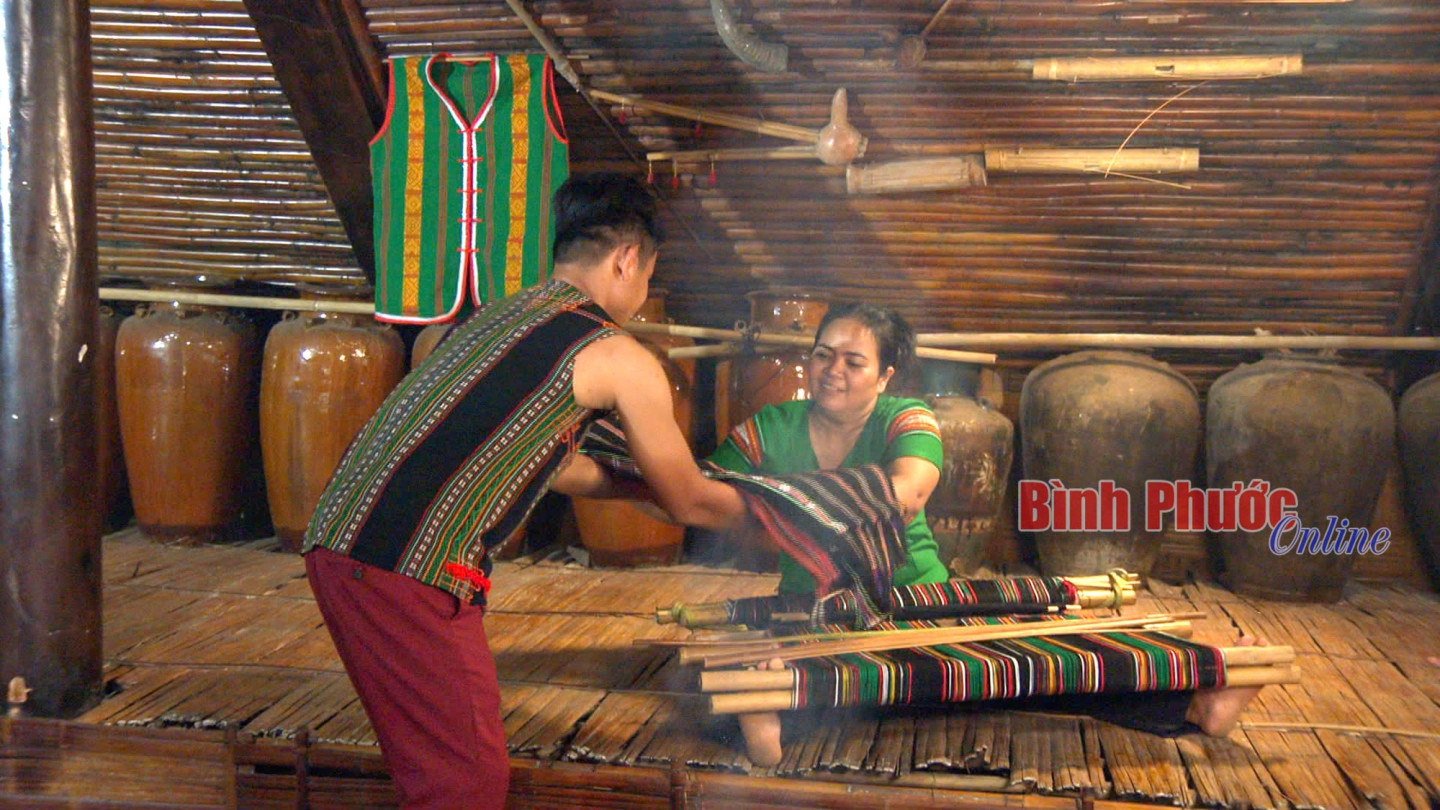
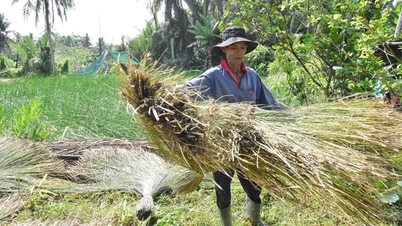
Bu Dang currently has several cooperatives specializing in basket weaving and brocade weaving. Products from these cooperatives and craft villages meet the daily needs of the local people while also promoting tourism development. Mr. Dieu Lon, head of the craft village group in the S'tieng ethnic cultural conservation area of Bom Bo hamlet, said: "Almost all the elderly people in the hamlet know the craft. Those who know more and are skilled teach those who know less or nothing. In this way, products are created and traditional crafts are preserved for future generations."
Besides its heritage of folk songs, folk music, and traditional crafts, Bu Dang also holds a rich heritage of folk knowledge. According to the elders, in the past, the god Le Lon taught the S'tieng people how to go into the forest to find leaves for fermentation and how to ferment rice wine in earthenware jars until it matured. At that time, people didn't know how to drink rice wine as they do now; they only knew how to eat it. Later, the god Uy Uong – the god of thunder and lightning – showed people how to whittle bamboo straws and pour water into jars to drink. For the S'tieng people, rice wine is not just a simple drink but is also associated with legends and sacred things. Rice wine is always present in everyday cultural activities as well as in festivals and events of families and communities. Therefore, many people believe that drinking S'tieng rice wine is drinking an ancient cultural tradition.
Preserving and promoting the value of heritage
In 2019, the Ministry of Culture, Sports and Tourism recognized "Folk knowledge and techniques of making rice wine of the S'tieng people" as a national intangible cultural heritage. The locality has intensified communication and promotion of the product not only within the province but also nationwide. Notably, in 2022, the S'tieng ethnic cultural conservation area in Bom Bo village had the opportunity to promote its rice wine brand to friends from Cambodia and South Korea at a cultural exchange program with these countries.
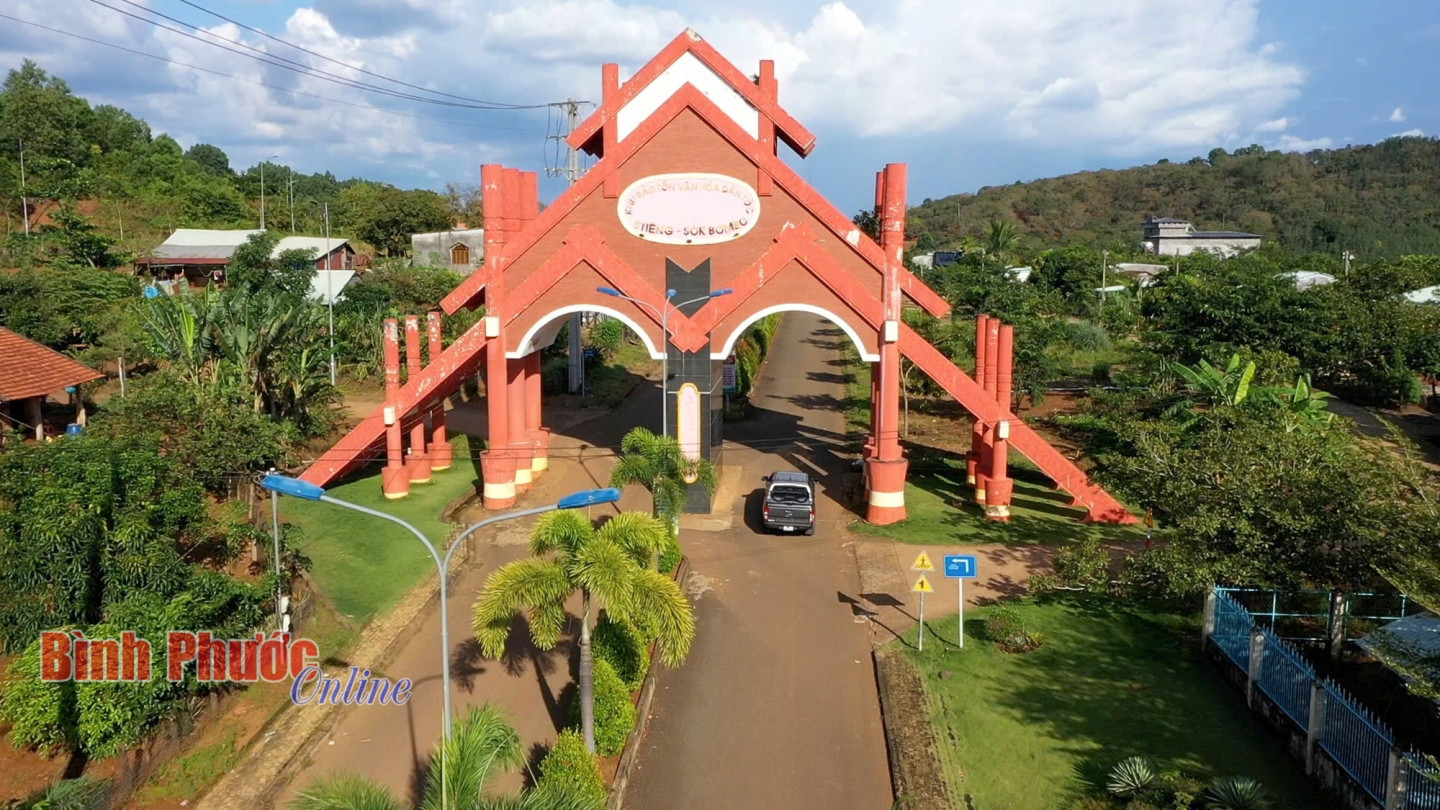

The People's Committee of Bu Dang district has issued a tourism development plan for the period 2020-2025, which includes the formation of a 2-day, 1-night tourist route connecting tourist destinations within the district. And the traditional rice wine of the S'tieng people is a product within that tourism activity chain.
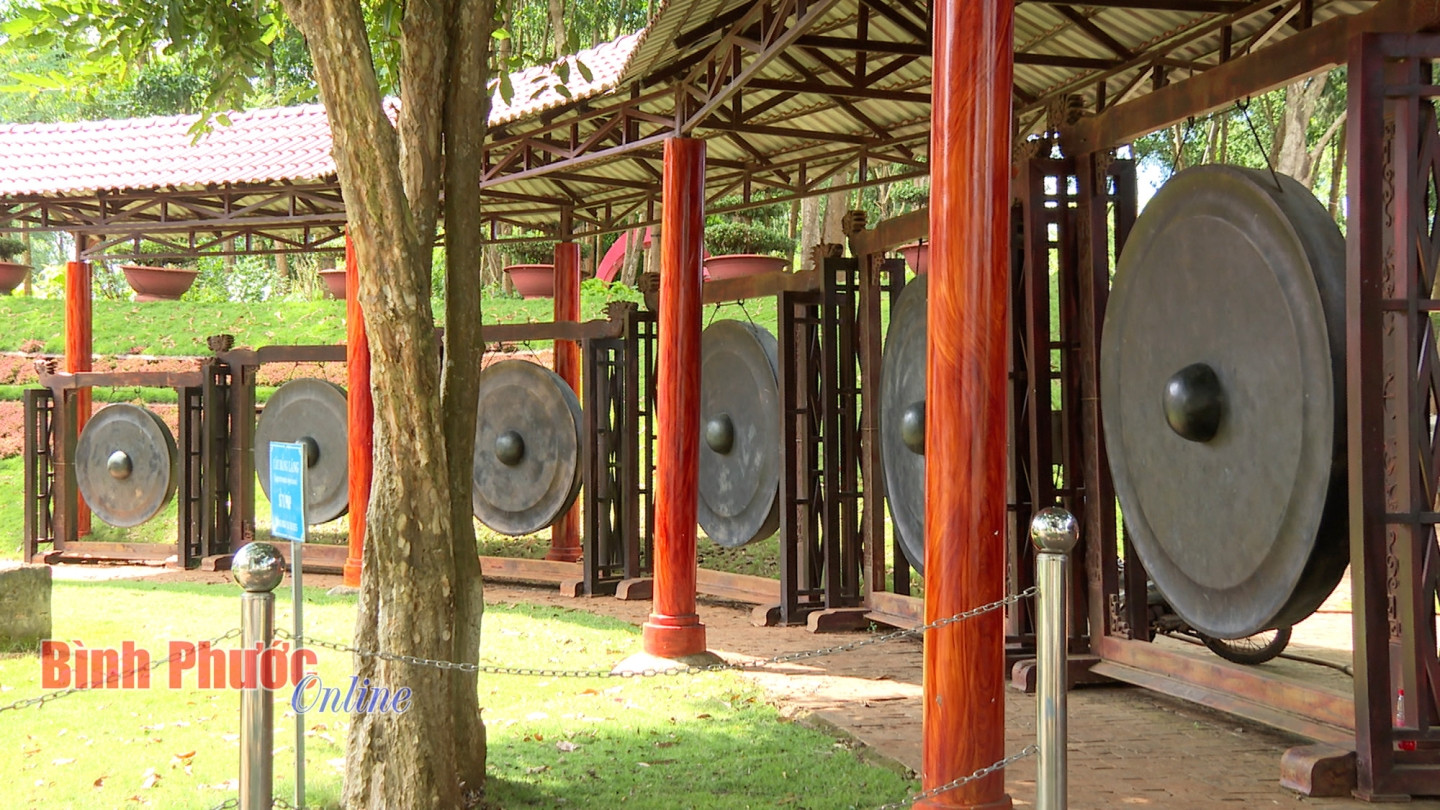
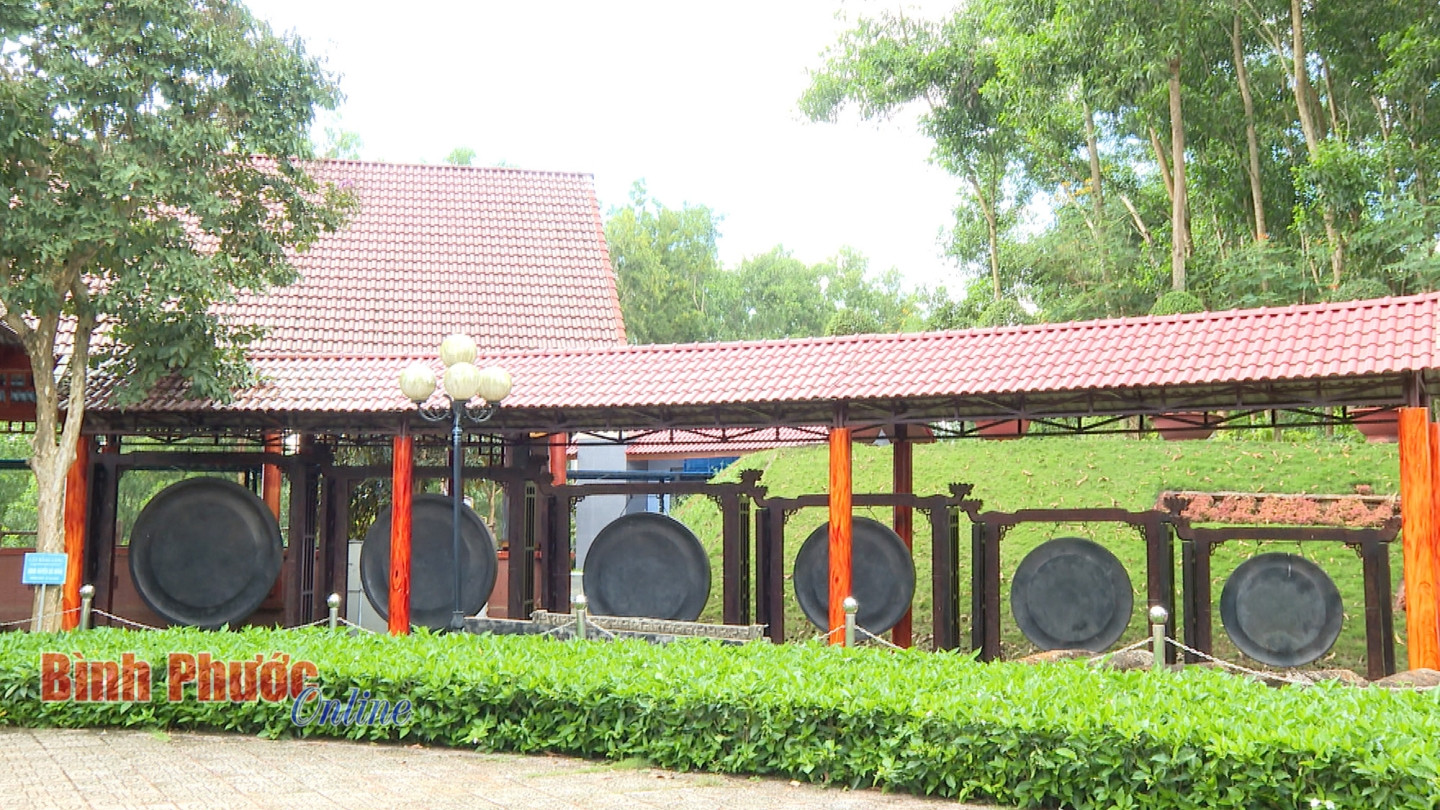
Unlike other art forms, gong performances carry ritual and spiritual significance. In recent years, Bu Dang district has surveyed and strengthened gong ensembles, developing them into a distinctive tourism product of the district and performing at the S'tieng ethnic cultural conservation area in Bom Bo village. From 2018 to the present, the district has organized more than 150 gong performances at the S'tieng ethnic cultural conservation area in Bom Bo village and in other districts, towns, and cities inside and outside the province. Notably, the district has sent the Bom Bo village gong ensemble to participate in a cultural exchange program with Korean culture and to perform at the Vietnam Ethnic Culture Village (Hanoi). In addition, the District Department of Culture and Information has organized ethnic minority cultural festivals and revived traditional festivals…
Mr. Vu Van Muoi, Chairman of the People's Committee of Bu Dang district, said: "In recent years, Bu Dang has always prioritized and allocated many resources to the preservation of the culture of ethnic groups, especially the S'tieng people; investing in the construction of traditional craft villages such as brocade weaving, rice wine processing, and basket weaving, while also opening training courses for members of these craft villages… Especially this year, we are organizing the festival "The Sound of the Pestle Resounds Forever in Bom Bo Village," with many special programs, taking place over 3 days from November 8th to 10th."
Thanks to the efforts of all levels and sectors in recent times, the people here have built a solid foundation of awareness in preserving, conserving, and promoting the cultural values of their ethnic group; turning Bu Dang into a unique "heritage museum," an ideal stop for domestic and international tourists.
Source














































































Comment (0)