

On the morning of December 25th, the Office of the President held a press conference to announce the President's order promulgating the laws passed by the 15th National Assembly at its 6th session.
Seven laws were passed by the 15th National Assembly at its 6th session, including: the Telecommunications Law; the Law on Management and Protection of National Defense Works and Military Zones; the Identity Card Law; the Housing Law; the Water Resources Law; the Law on Forces Participating in Protecting Security and Order at the Local Level; and the Real Estate Business Law.
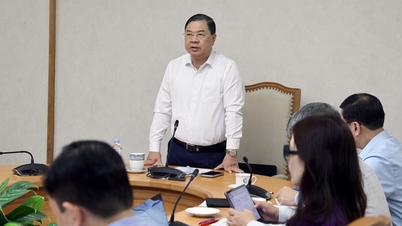
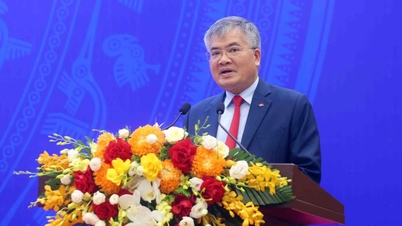
Regarding the Housing Law, at the press conference, Mr. Nguyen Van Sinh - Deputy Minister of Construction - stated that the Law has 13 chapters with 198 articles and will come into effect on January 1, 2025. The Law stipulates the housing development program and plan at the provincial level, but removes the provision for annual housing development plans.
The law stipulates stricter regulations regarding the adjustment of housing development programs and plans; it abolishes the requirement to seek the opinion of the Ministry of Construction when carrying out procedures for the construction and approval of housing development programs and plans.
Notably, the 2023 Housing Law added regulations on the development of multi-story, multi-apartment housing by individuals (also known as mini-apartments) for sale, lease-purchase, or lease, with stricter conditions for investment and construction to ensure the safety of people's lives and property.
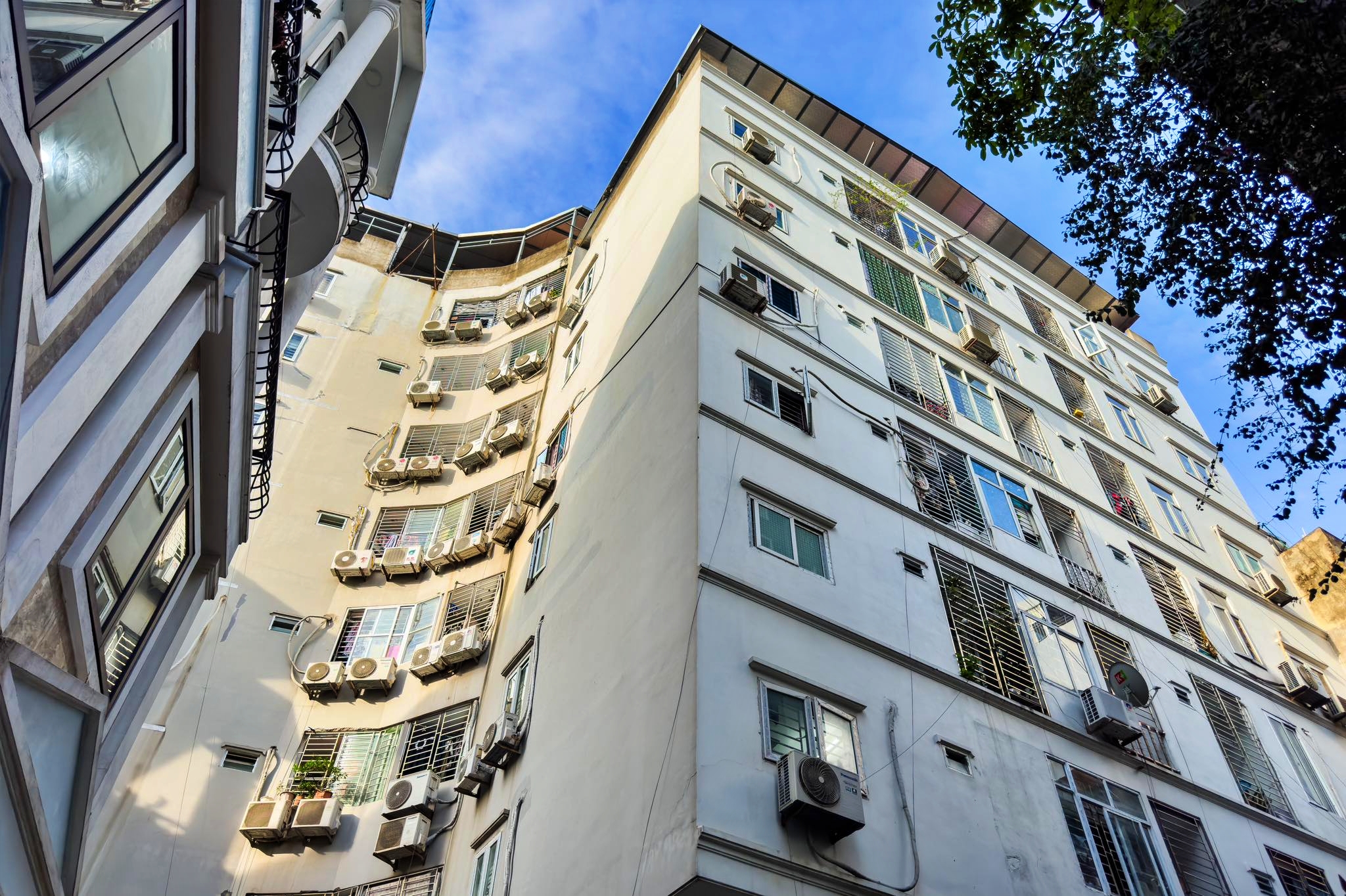
The amended Housing Law has added stricter regulations regarding the development of multi-story, multi-apartment housing by individuals for sale, lease-purchase, or rental.
Responding further to the above issue at the press conference, Deputy Minister Nguyen Van Sinh stated that regulations on the construction of individual houses already exist, but there have been shortcomings in their implementation.
Therefore, during this revision of the Housing Law, the development of multi-story, multi-apartment housing for individuals for sale or rent, as well as the issuance of certificates, is one of the policies being considered for revision to ensure stricter regulations than before.
Article 57 clearly outlines regulations related to the development of multi-story, multi-apartment housing by individuals for sale and rent. It includes several requirements, such as ensuring that construction investment complies with construction laws and other relevant regulations.
Notably, the amended law stipulates that mini-apartment buildings (houses with two or more floors where each floor is designed as an apartment, or two or more floors with 20 or more apartments) that meet the conditions will be granted land use certificates (also known as pink certificates). These apartments can also be sold, leased, or leased according to the provisions of the Housing Law and real estate business laws.
For mini-apartment buildings (residential buildings with two or more floors and fewer than 20 apartments, with a specific design on each floor) intended solely for rent, individuals with land use rights must meet three conditions. First, they must meet the housing construction requirements as stipulated by the Minister of Construction. Specific regulations on this matter will be issued soon. Second, they must meet fire safety requirements.
Thirdly, it is necessary to ensure adequate road access for firefighting vehicles to carry out firefighting duties in areas with multi-story, multi-apartment residential buildings, as stipulated by the Provincial People's Committee.
Encouraging businesses to participate in investing in social housing.
Another notable new feature in the amended Housing Law is the policy on social housing. According to Mr. Sinh, the Law clearly defines the responsibility of allocating land for the development of social housing as the responsibility of local authorities.
During the process of formulating and approving construction plans and urban plans, provincial People's Committees must allocate sufficient land for the development of social housing according to the approved housing development program and plan.
He emphasized that empowering individuals while holding them accountable is crucial to creating a flexible mechanism for local implementation.
The law adds two new forms of development: developing housing for workers and developing housing for the people's armed forces.
Accordingly, in addition to being able to buy, rent, or lease-to-own social housing, workers and laborers in industrial zones are also eligible to rent worker accommodation within the industrial zone; and members of the People's Armed Forces are eligible to buy, rent, or lease-to-own housing for the People's Armed Forces.
At the same time, it is proposed that businesses, cooperatives, and cooperative unions in industrial zones be allowed to rent worker accommodation within the industrial zone to sublet to their workers and employees.
A notable new point is the addition of a regulation allowing the Vietnam General Confederation of Labor to be the managing agency for investment projects to build social housing using trade union funds for workers and laborers who are eligible for social housing rental policies ...
Source





















![[Video] Sunset at Lap An Lagoon – Where the sun sets over the fishing nets](https://vphoto.vietnam.vn/thumb/340x192/vietnam/resource/IMAGE/2026/05/31/1780192137701_beach-landscape-sea-water-nature-grass-745871-pxhere-com.jpeg)





![[Photo] The General Secretary, President and his wife lay flowers at the Ho Chi Minh Monument in Manila.](https://vphoto.vietnam.vn/thumb/1200x675/vietnam/resource/IMAGE/2026/05/31/1780219759477_anh-man-hinh-2026-05-31-luc-16-29-07.png)
































































Comment (0)