

Starting from a concern
I met Mr. Nguyen Xuan Thao on a chilly November afternoon, when he had just returned from the Ceremony to honor collectives and individuals with outstanding achievements in the patriotic emulation movement for the period 2021-2025, on the occasion of the 80th anniversary of the Agriculture and Environment sector.
The man over 60 years old appeared tall and thin, with dark skin, silver hair, and a gentle smile. His eyes always shone with optimism - the belief of someone who had spent many years on the ancient Hua La hillsides (now Chieng Coi ward), where he quietly tended his coffee plantations.
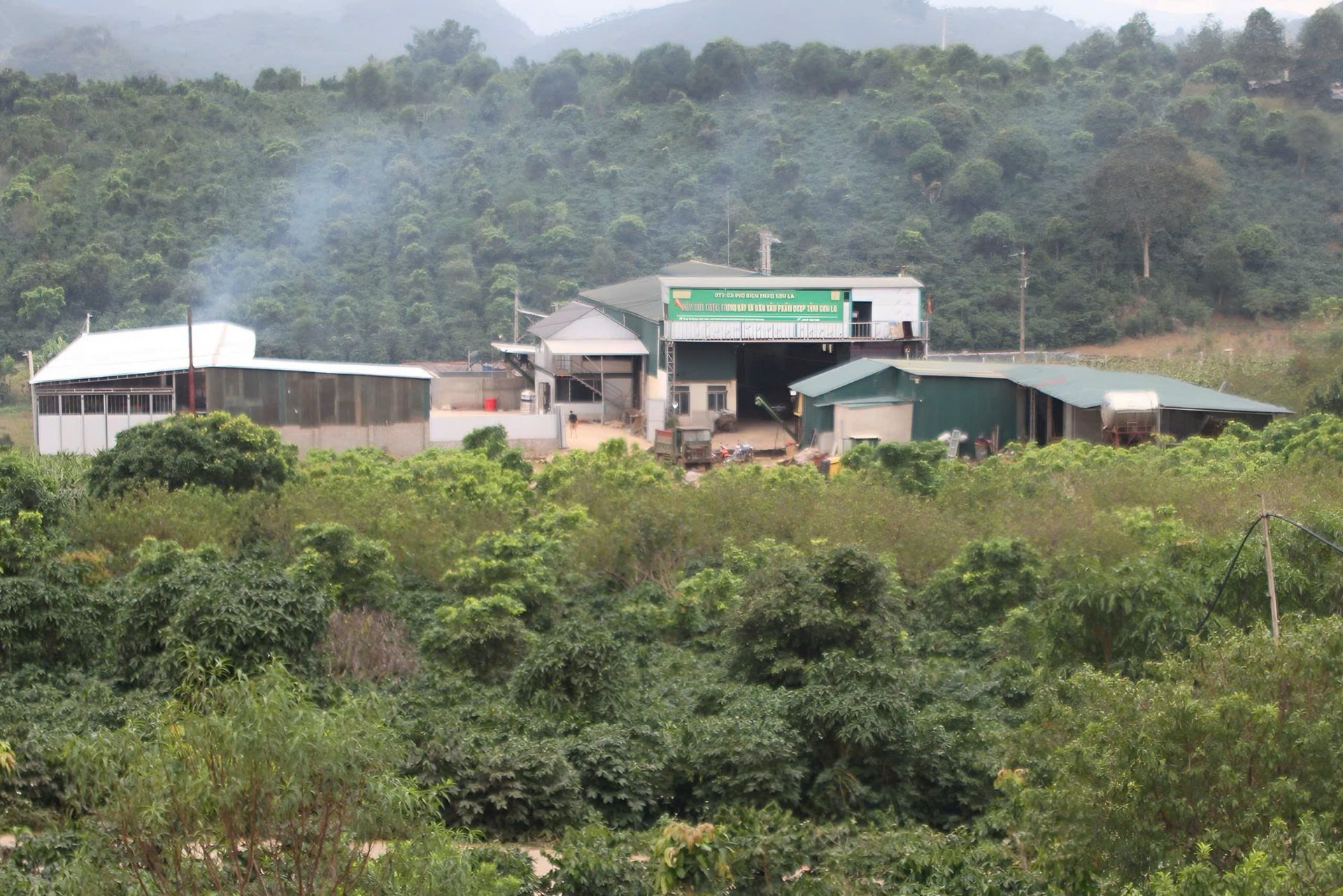
The coffee processing factory of Bich Thao Coffee Cooperative is located in the middle of a large Arabica raw material area. Photo: Nguyen Nga.
Previously, he worked as a mechanic. “In 2014-2015, coffee prices were as cheap as free, only about 4,000 VND/kg, while the cost of picking was 3,000 VND. I sold coffee hulling machines to people, but they said they wouldn’t pay me if I couldn’t sell the coffee. I thought: if growing coffee isn’t enough to make a living, how can I increase its value?”, he said.
The question was simple but big enough to change the direction of his life. In the following years, he began to research, study, and experiment with coffee growing and processing processes. With the advantage of relationships with roasters nationwide and experience from the mechanical profession, he invested in machinery, installed production lines, and oriented the brand building. In 2017, Bich Thao Son La Coffee Cooperative was officially established.
At the beginning, there were only 11 households, rudimentary machinery and an area of only 50 hectares. But Mr. Thao had a special "capital": the spirit of daring to do, the skillful hands of a mechanic and the unwavering belief that Son La coffee deserved a higher position.
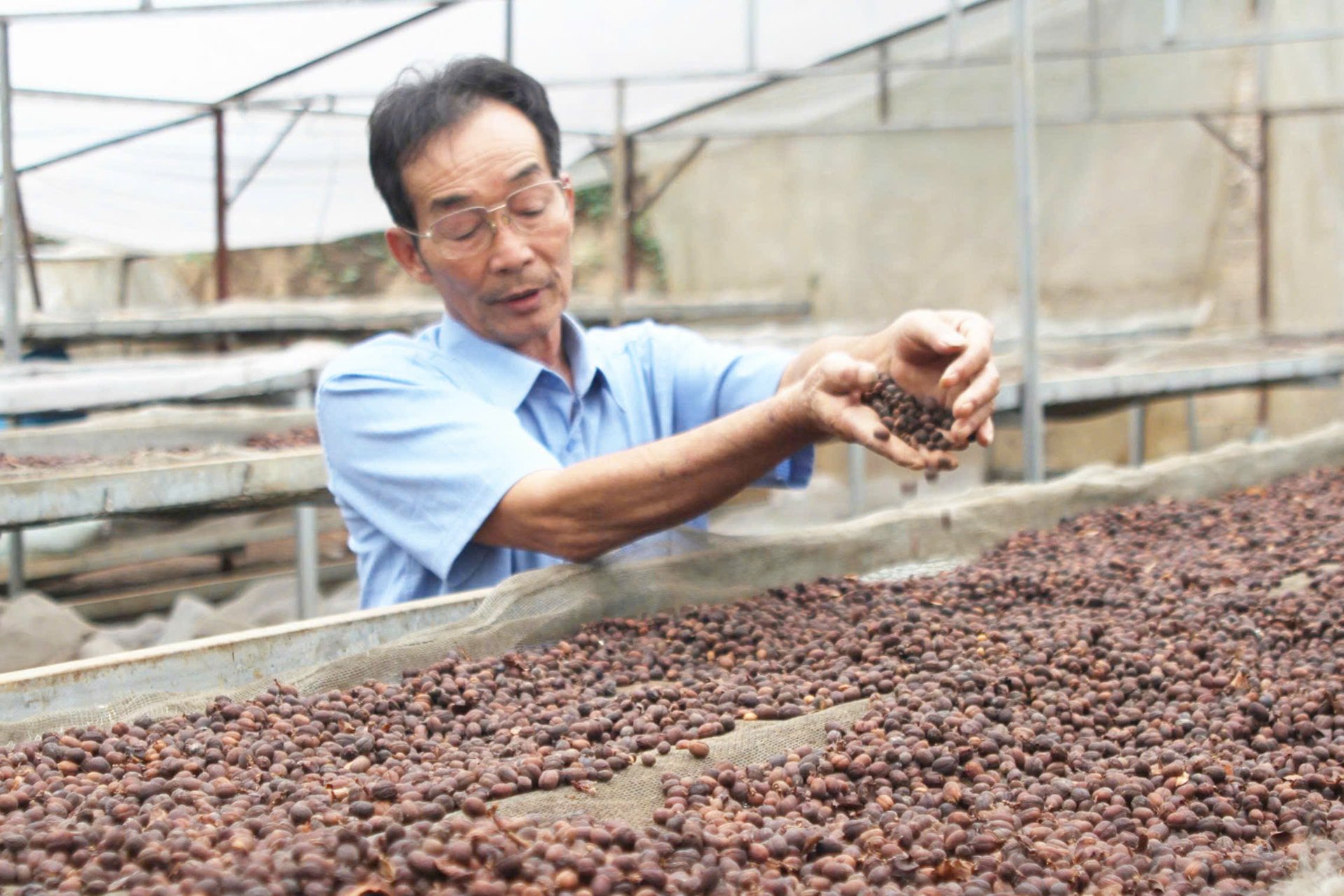
Mr. Nguyen Xuan Thao checks the quality of coffee beans at the cooperative's greenhouse. Photo: Nguyen Nga.
Technology - the "key" to taking Son La coffee far and wide
In the 2000s, Son La coffee growers mostly sold fresh fruit, with unstable market prices and little value. The emergence of Bich Thao Cooperative gradually changed the way coffee was made.
According to Mr. Nguyen Xuan Thao, if you want to sell coffee at a good price, it must be produced with the right technique, cleanly and have its own story. The cooperative has proactively applied a closed-chain organic coffee production process, meeting VietGAP and UTZ standards. Coffee trees are cared for entirely with organic fertilizers; the harvesting and processing process is strictly followed to maintain the natural sugar content and original flavor.
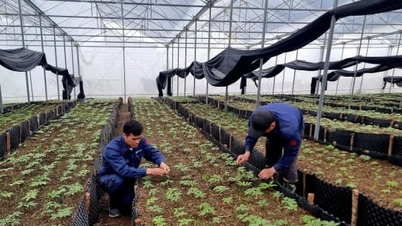
In 2021, the Cooperative continued to expand its scale, investing in a processing factory with a capacity of 20 tons of beans/day with a system of grinding machines, sizing and weighing machines, color sorting machines with German and American technology, along with a roasting and grinding line, storage warehouse and product display area. Two new 700 m² greenhouses were also built right behind the factory and a 1,500 m² greenhouse in Muong Bang commune (Muong Do commune, old Phu Yen district) to produce specialty coffee.
The cooperative is currently applying a natural processing method, anaerobically fermenting the coffee for 80 hours before drying it naturally for about a month, then putting it into a machine system for sorting. This method helps to preserve the deep aroma, long aftertaste and identity of the Arabica beans from the mountains.
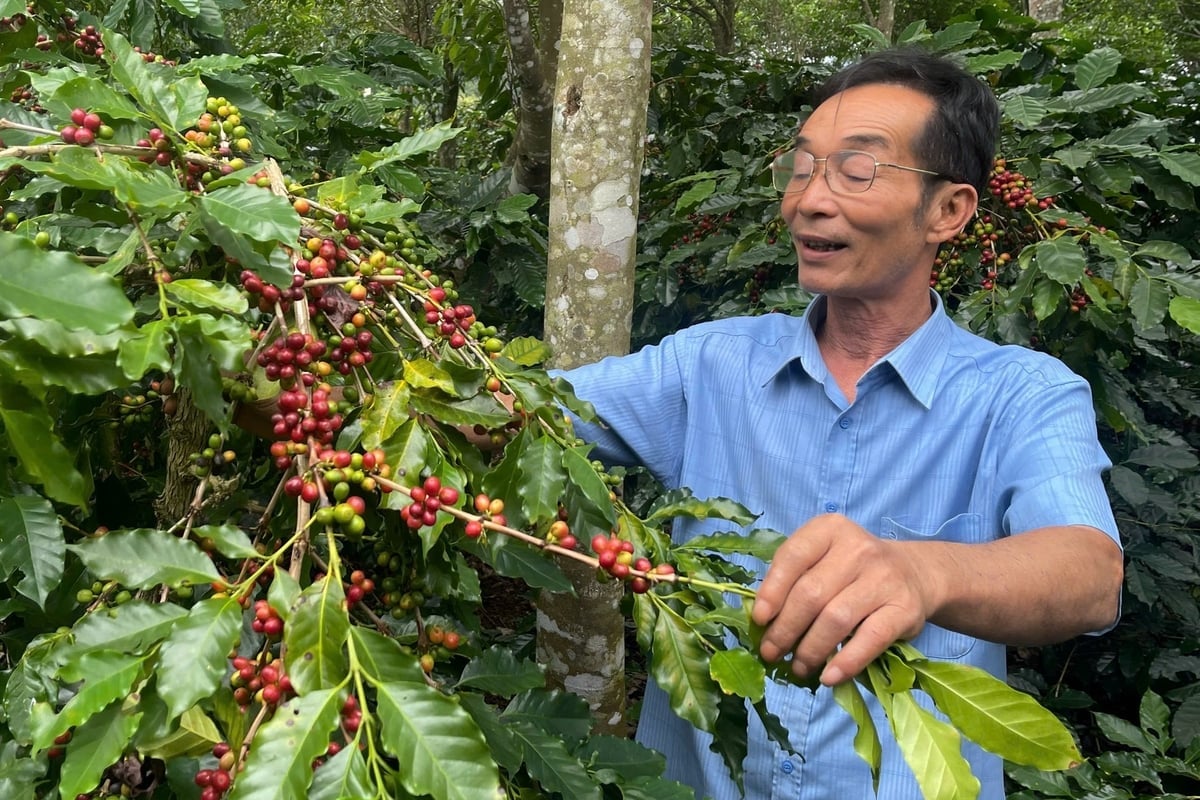
Bich Thao coffee trees are cared for entirely with organic fertilizers; the harvesting and processing procedures are strictly followed to maintain the natural sugar content and intrinsic quality of the beans. Photo: Nguyen Nga.
Along with innovation in processing technology, the Cooperative has switched to using 100% Arabica varieties; adding Bourbon varieties since 2017. By 2025, the Bourbon variety will reach a price of 37 USD/kg (about more than 900,000 VND/kg), a significant increase compared to the previous year's level of 30 USD/kg. This is the export price of green coffee; the Cooperative's roasted ground coffee alone can reach 1.5 million VND/kg, clearly showing the value of high-quality varieties and specialty processing procedures.
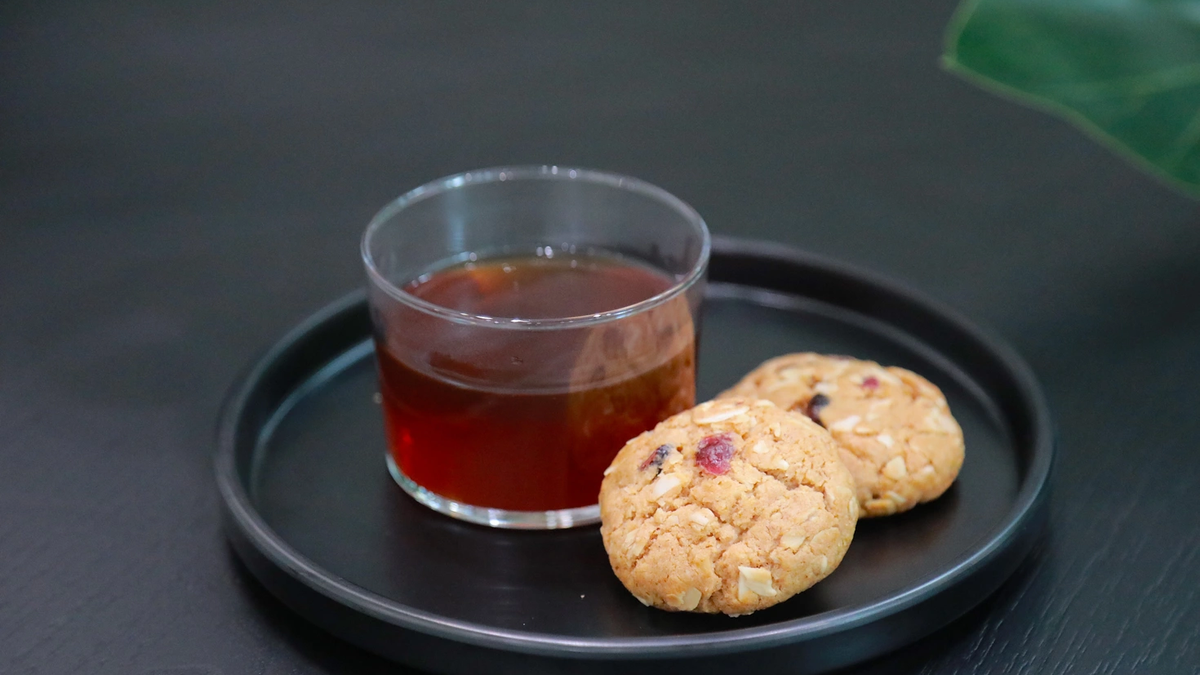
Thanks to synchronous innovation from varieties - processes - technology, 97% of the cooperative's specialty coffee output is currently exported to more than 20 countries such as Japan, Germany, the US, Korea... The cooperative also creates syrup tea products from coffee husks, sublimated instant coffee from high-quality Arabica coffee beans, all with clear traceability.
Bich Thao is also one of the first six units in Son La to be granted the right to use the geographical indication “Son La Coffee” for its ground coffee, roasted coffee beans and green coffee products. In 2022, Bich Thao coffee was recognized as a national 5-star OCOP, becoming a typical brand of Son La agricultural products.
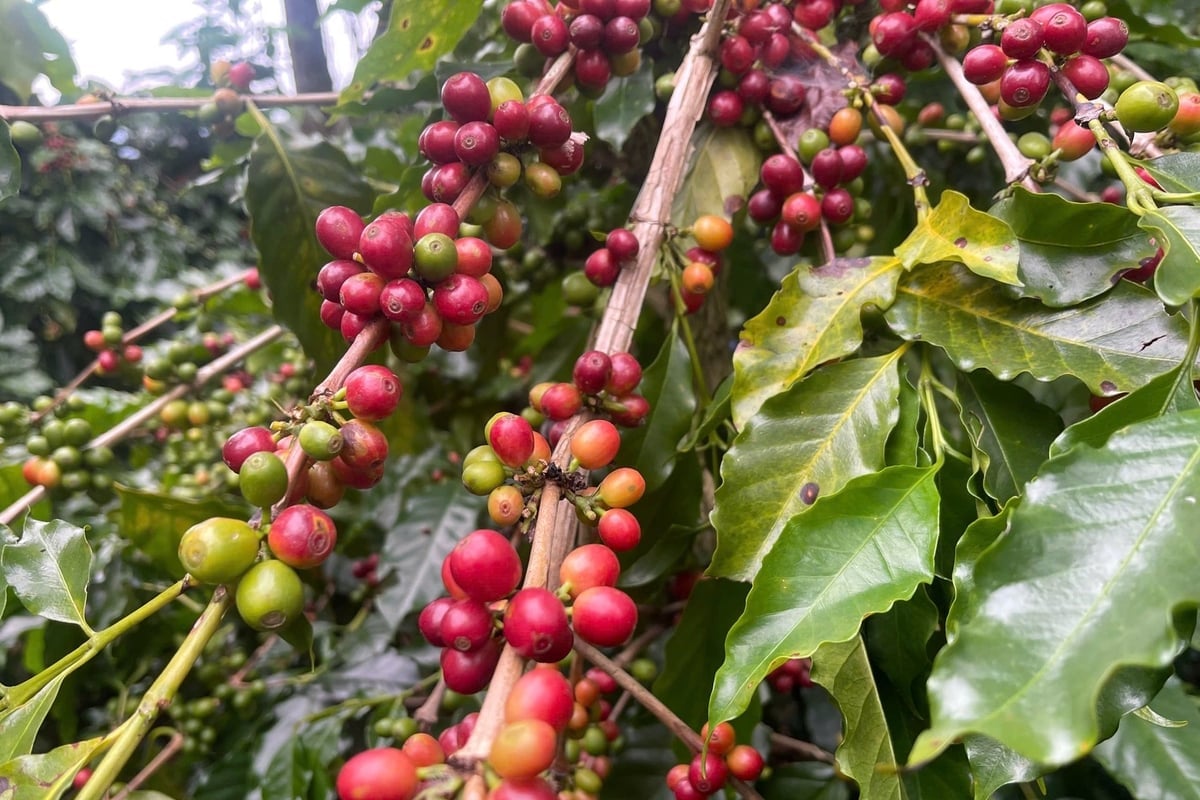
Bich Thao Coffee Cooperative has 16 hectares of coffee that have been recognized for reducing emissions according to VietFarm standards. Photo: Nguyen Nga.
Over the mountains to the ocean
For Mr. Nguyen Xuan Thao, making specialty coffee is not only about increasing the value of the product, but also about preserving the identity of Vietnamese agriculture, reducing emissions, and using organic fertilizers to protect the health of both growers and drinkers.
At the cooperative, all coffee husks, wastewater and by-products are recycled into organic fertilizer according to the circular economy model. Thanks to that, production costs have been significantly reduced, from 70-80 million to 20-25 million VND/ha, while profits from specialty coffee have increased 3-4 times compared to the traditional method.
Walking along the rows of green coffee trees, he was proud that the number of cooperative members had increased from 11 to 25 households. Notably, the number of households associated with the cooperative had increased from 400 households (in 2024) to 1,300 households in just one year. Since the implementation of the two-level local government, leaders of communes and wards have directly come to the cooperative to connect, transfer, guide and train people on methods of cultivating, caring for, harvesting and processing coffee.
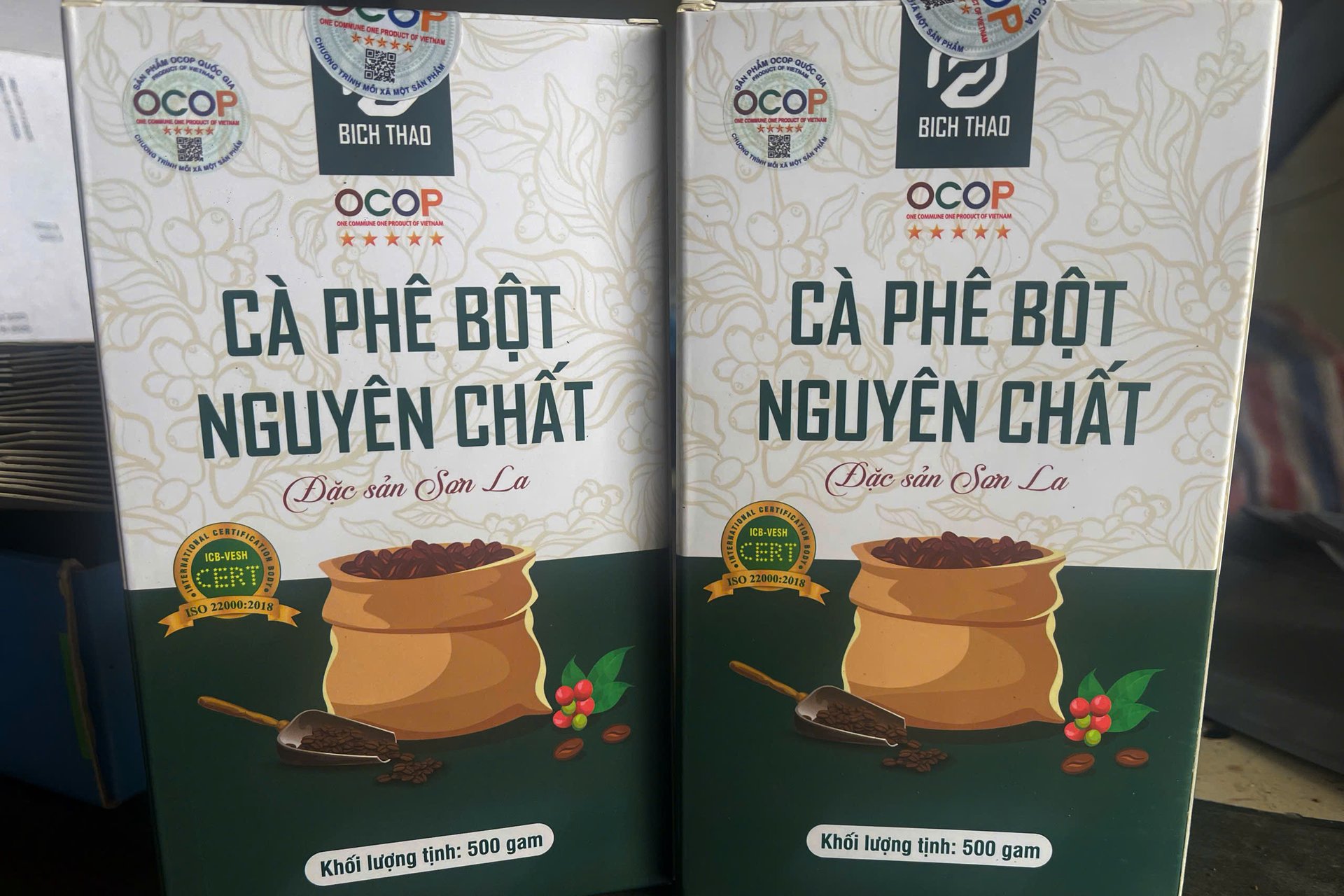
Pure ground coffee of Bich Thao Coffee Cooperative - a brand with national 5-star OCOP certification. Photo: Nguyen Nga.
The Cooperative is currently planting 500 hectares of coffee in a low-emissions direction, of which 16 hectares have been recognized according to VietFarm standards. In 2025, the Bich Thao Son La brand was also in the Top 10 of the Golden Coffee Awards (IGCA) in Vietnam, demonstrating the right foundation and direction.
By 2030, with a vision to 2050, the Cooperative aims to convert 100% of the linked coffee area to replanting, using organic fertilizers to increase productivity, stabilize quality, achieve the highest export value, and avoid the situation of good harvest but low price, good price but bad harvest.
On the small path leading out of the garden, the sound of machinery from the distant workshop echoed, blending with the golden afternoon light pouring down on the coffee trees. The person who “breathes life” into the coffee beans believes that, with the available foundation, Son La coffee will continue to reach far and affirm its worthy position in the international market.
Source: https://nongnghiepmoitruong.vn/ban-linh-dua-hat-ca-phe-son-la-vuon-ra-the-gioi-d784442.html




![[Photo] Prime Minister Pham Minh Chinh meets with representatives of outstanding teachers](https://vphoto.vietnam.vn/thumb/1200x675/vietnam/resource/IMAGE/2025/11/15/1763215934276_dsc-0578-jpg.webp)
![[Photo] General Secretary To Lam receives Vice President of Luxshare-ICT Group (China)](https://vphoto.vietnam.vn/thumb/1200x675/vietnam/resource/IMAGE/2025/11/15/1763211137119_a1-bnd-7809-8939-jpg.webp)







![35 years of building a high-quality herd: [Part 1] Crossbreeding journey](https://vphoto.vietnam.vn/thumb/402x226/vietnam/resource/IMAGE/2025/11/16/1763280452986_0239-3-160957_743.jpeg)






























































Comment (0)