

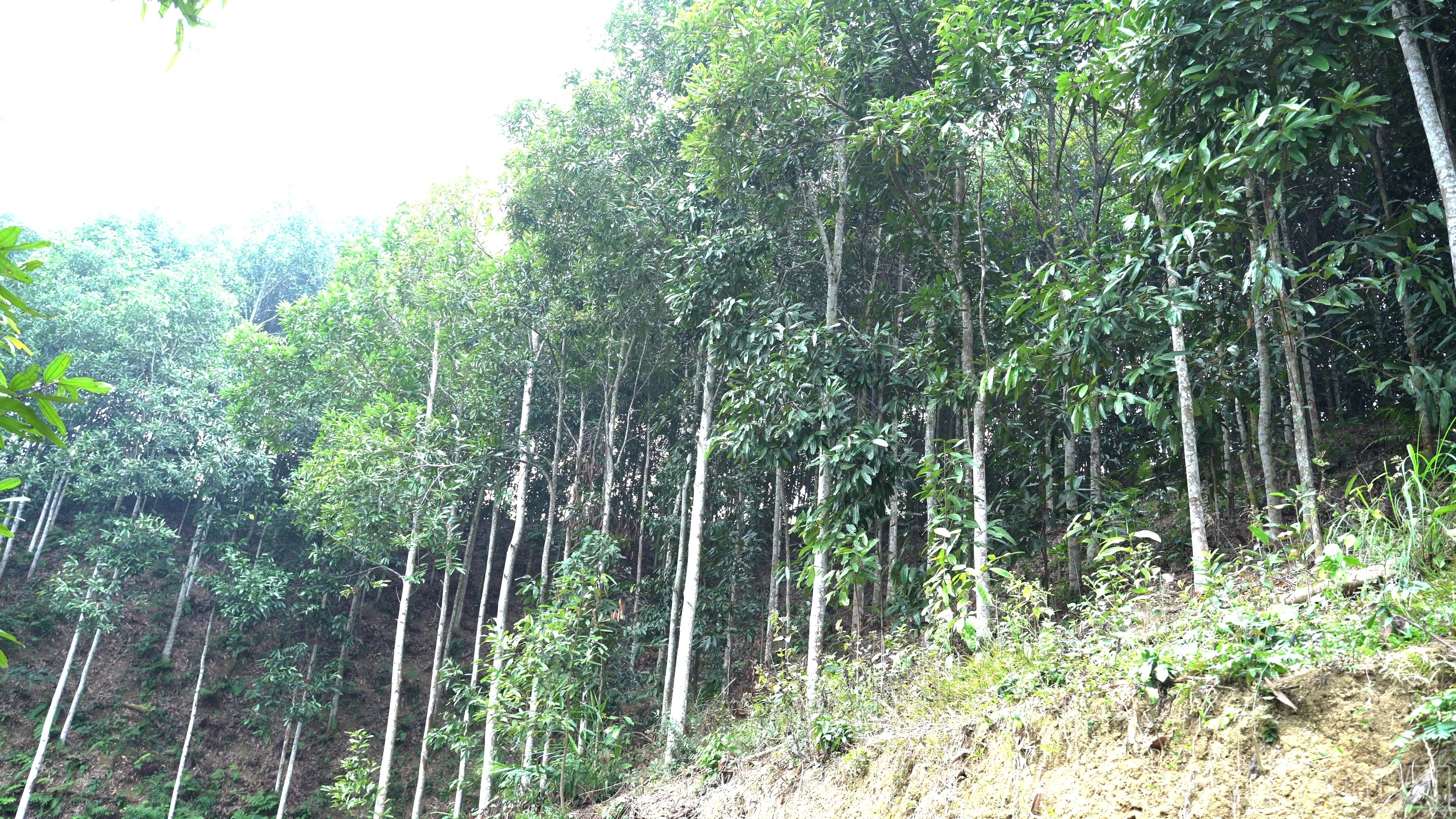
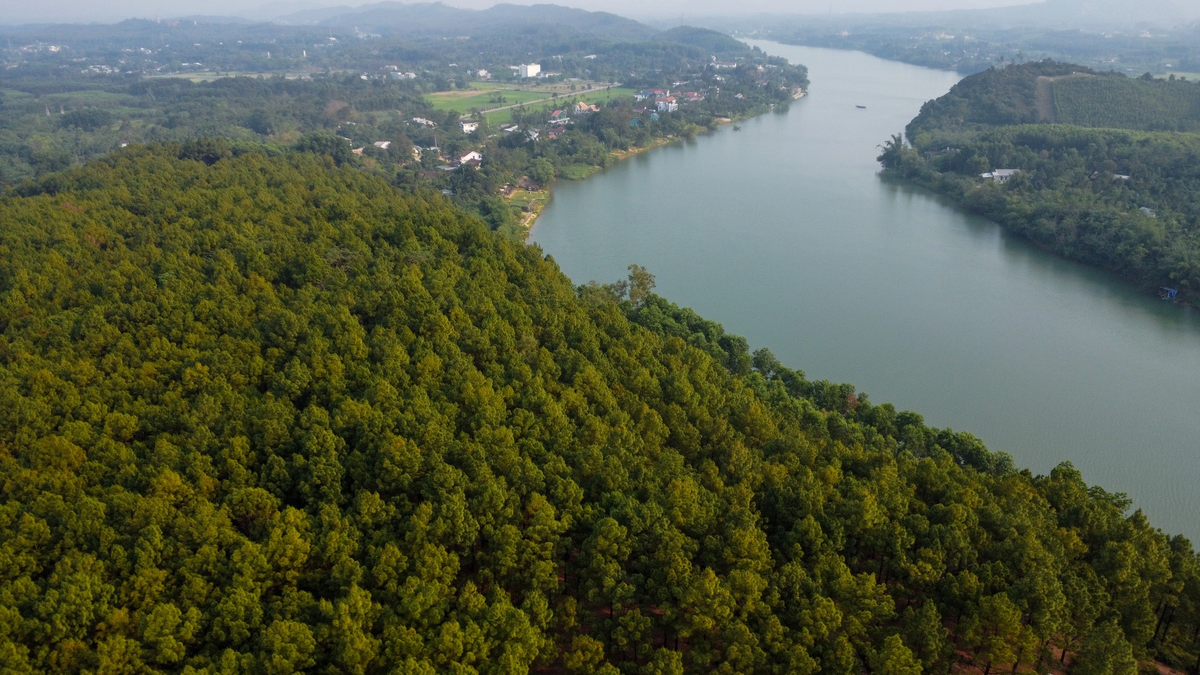
The entire Chau Que commune currently has over 7,000 hectares of cinnamon trees concentrated in the villages of Ao Ech, Ha Ly, Khe San, Banh, Nhuoc, Mo, Ban Tat, etc. However, now that cinnamon has become the main crop, the challenge is how to increase its value, not only for immediate income but also for sustainable development.
Ms. Dinh Thi Hong Loan, Vice Chairman of the Chau Que Commune People's Committee, affirmed: If we chase after yield and overuse pesticides, the immediate benefits may be visible, but the long-term consequences are soil degradation, stunted plant growth, and loss of market. Therefore, the commune is orienting cinnamon development towards clean, organic farming, gradually reducing chemical use, and improving quality instead of increasing yield.
Changing farming habits is difficult. Many households previously used pesticides to make plants grow faster and reduce pests and diseases. Now, switching to natural farming, accepting slower growth and more labor, is not something everyone is willing to do. The commune government did not choose to impose orders, but instead patiently held village meetings, engaged in direct discussions, and analyzed the pros and cons. These conversations took place right in the village cultural center, without grand slogans, just focusing on practical matters: growing cinnamon organically means preserving the land for future generations and protecting one's own health.
Alongside cinnamon trees, Chau Que commune doesn't rely solely on one type of tree for its livelihood. Bodhi trees and tallow trees continue to be developed. Models for raising buffaloes, cattle, and breeding sows are being implemented in many villages. In 2025 alone, the commune plans to develop and implement 23 economic development models. While not a breakthrough number, it reflects a shift in production thinking: no longer relying on just one source of income.
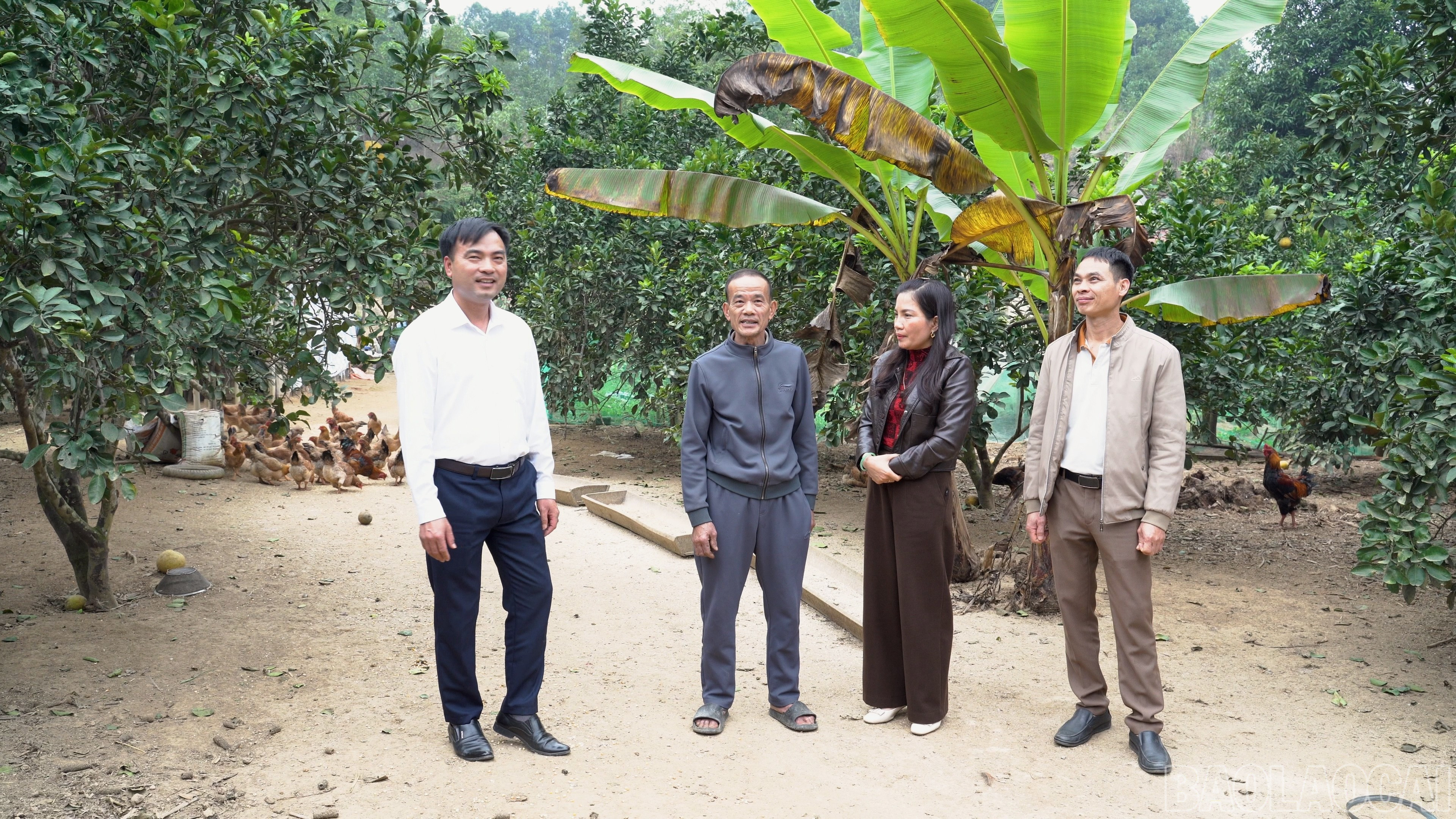
In Ha Ly village, Mr. Nguyen Van Tan is one of the first to choose diversification. He recounted: "Previously, my family mainly grew grafted mangoes and lychees, but the economic efficiency was not high. In 2015, after visiting and learning from many places, I realized that pomelo trees had better economic value. I decided to renovate my orchard and buy seedlings from Yen Binh to plant."
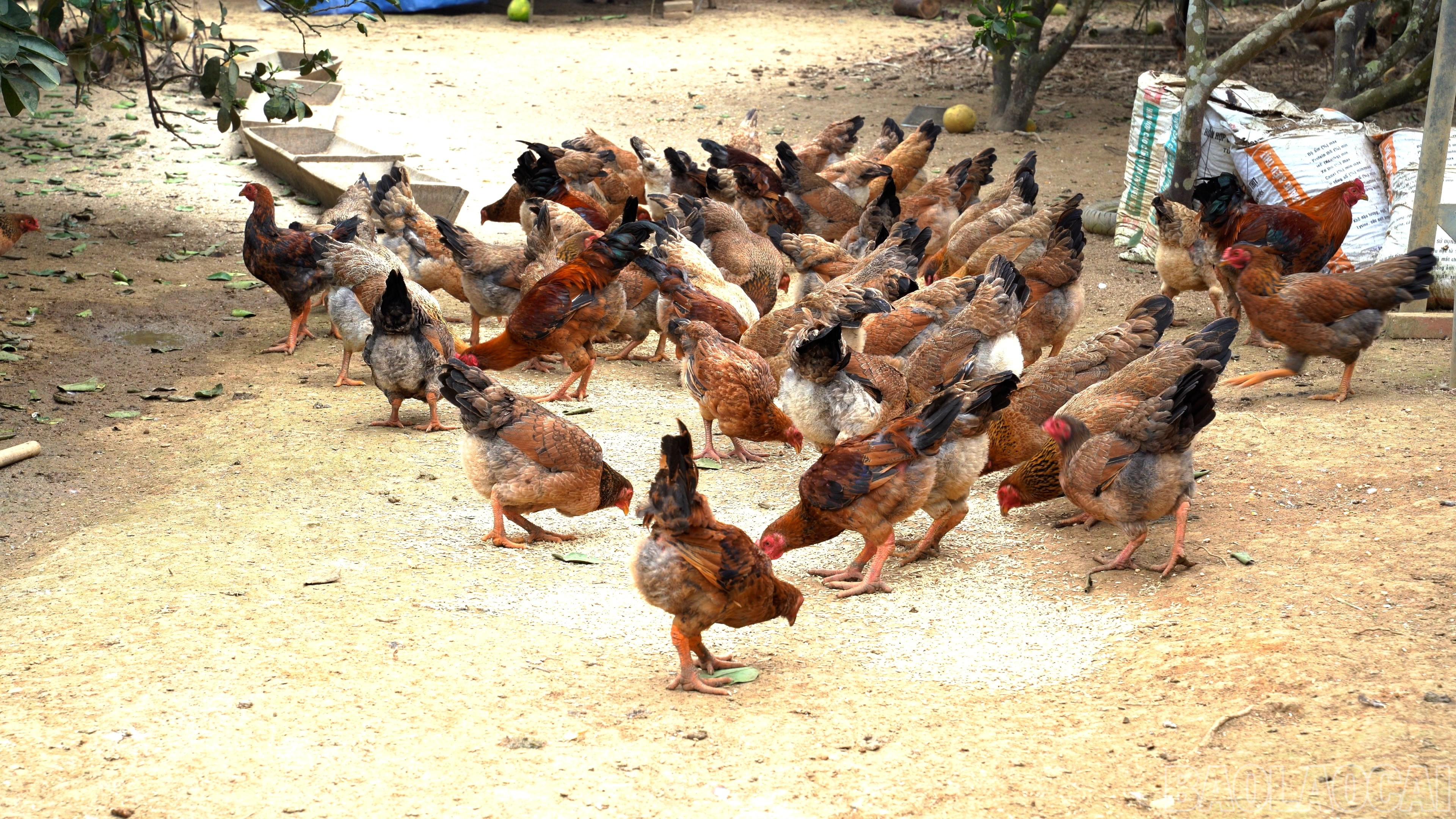
Currently, his family owns nearly 200 pomelo trees, yielding an income of 50-60 million VND per year. In addition, he also grows royal bananas, royal bananas, cinnamon, and raises chickens, ducks, pigs, and buffaloes.
Mr. Tan believes that many households have not fully exploited the potential of their land. If they know how to arrange crops and livestock in a rational intercropping system, with harvests spread evenly throughout the months and seasons, the cash flow will circulate continuously. Garden farming should be a closed-loop system. Manure from livestock farming is composted to make organic fertilizer for plants; chickens and ducks are raised under the garden canopy to find natural food and reduce pests and diseases... Each link in the chain is interconnected, reducing input costs and limiting dependence on chemical fertilizers.
While Mr. Tan's model focuses on extensive development in traditional agricultural production, Mr. Pham Van Tuan has chosen a different path: raising civets.
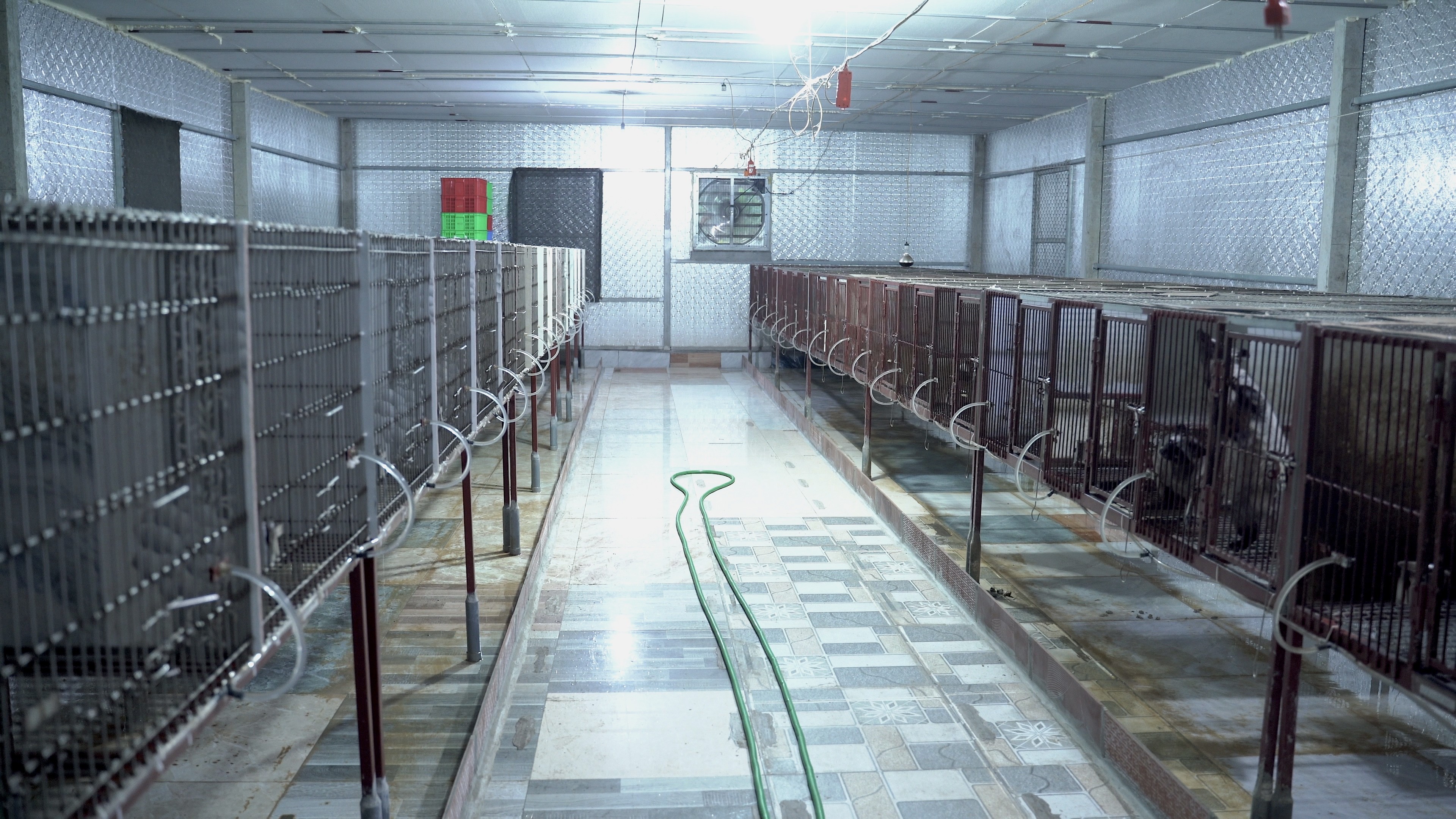
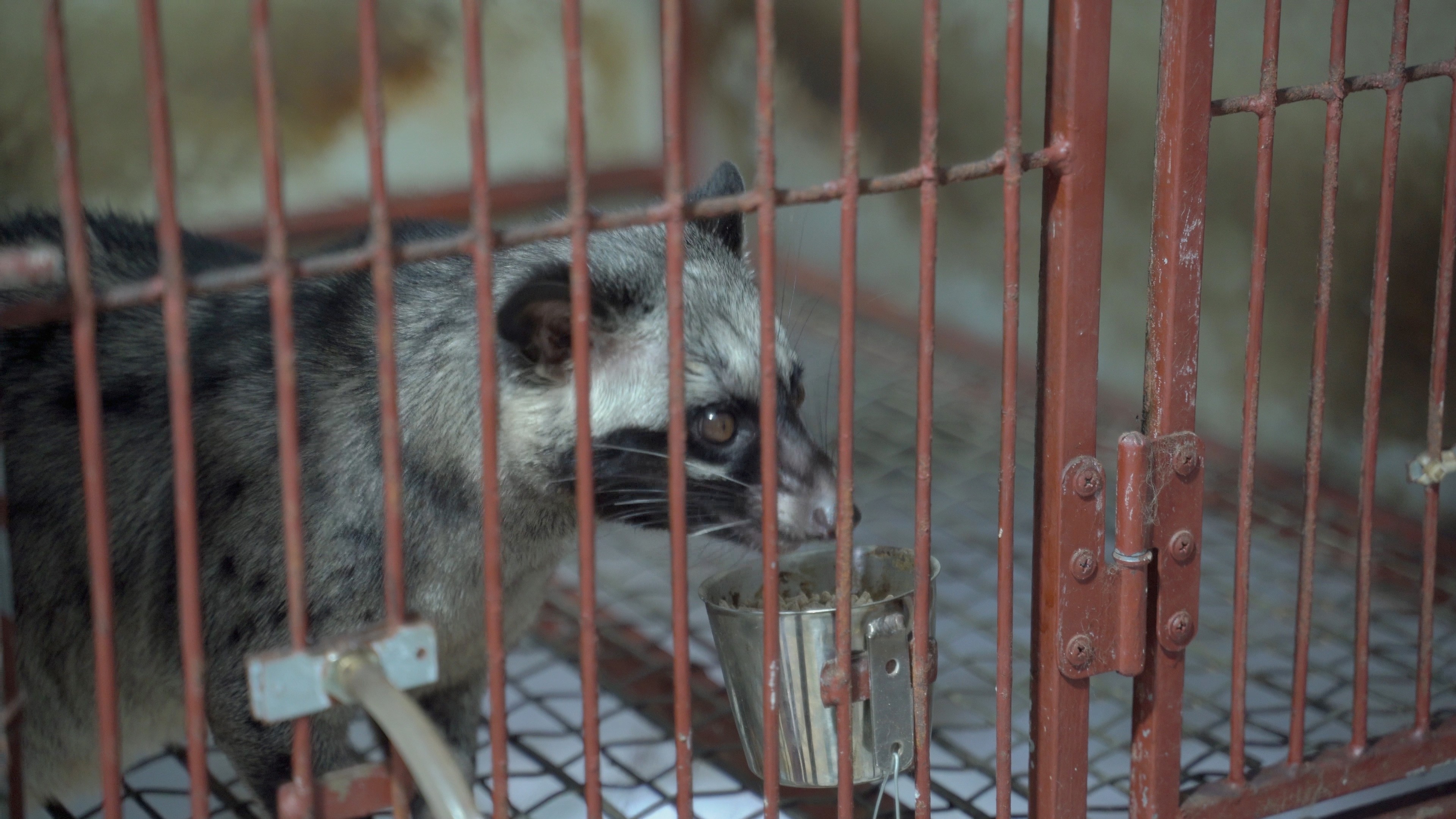
Previously, he also raised cattle like many other households, but found the economic efficiency not high compared to the effort invested. After researching models in several provinces and cities in the South, he decided to bring civets back to the North for experimental breeding. In the North, this model is not yet common, so he accepted the initial risks.
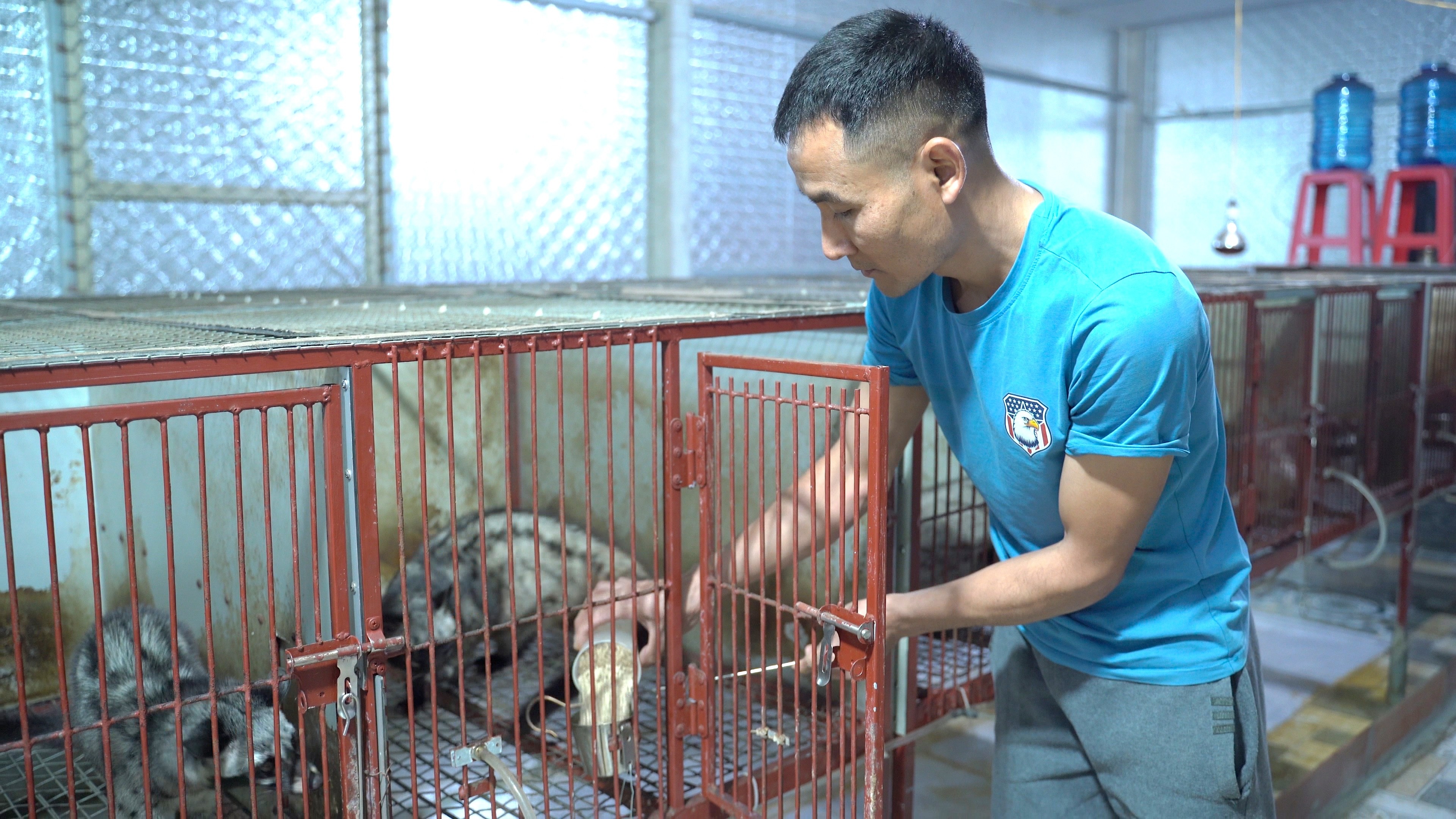
He started with 7 females and 2 males. To date, the herd has grown to about 70 animals. The parent civets weigh 4–6 kg. He mainly breeds them and doesn't sell them commercially. Young civets, around 2 months old, can be separated from their mothers, and the market price is about 8 million VND per pair.
According to Mr. Tuan, raising civets isn't too complicated; you just feed them in the morning and evening, and clean the cages. Their main food is bran, supplemented with bananas, but the most important thing is keeping the cages clean. His total investment so far is about 400 million VND. Legally, he bought the breeding stock from a reliable source and received guidance from the forest rangers on how to legally raise them.
Mr. Nguyen Van Hinh, an agricultural extension officer, assessed that this model has potential if a stable market outlet is ensured. Currently, Mr. Tuan's family has partnered with a facility in Hanoi . Once a sustainable consumption chain is established, the economic value could be higher than many traditional livestock.
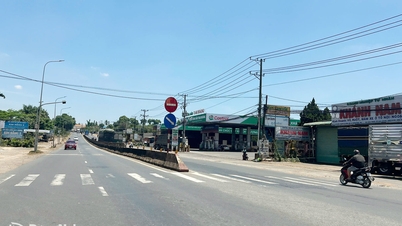
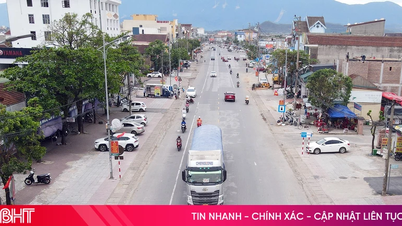
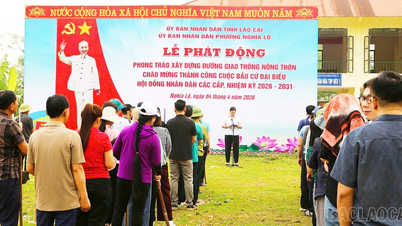
Despite positive production trends, Chau Que still faces a familiar bottleneck in the highlands: transportation infrastructure. Roads are difficult to navigate, transportation costs are high, and traders are reluctant to come directly to the area to purchase produce. Recognizing this, the commune plans to build nearly 20 km of rural roads in 2026. The government will provide materials, while the people will contribute labor and land clearance.
Chau Que today is not yet a wealthy area; there are still struggling households, and the hills are not yet covered with greenery. However, what is noteworthy is the change in mindset and approach. The mentality of waiting and relying on others is gone. Production is no longer carried out mechanically according to old habits. Instead, there is more careful planning, and a closer link between farming and livestock, and between the people and local authorities.
Source: https://baolaocai.vn/chau-que-chuyen-minh-post893812.html












































Comment (0)