

The weak yen, coupled with investor optimism about the US debt ceiling, propelled the Nikkei 225 index to its highest level since 1990.
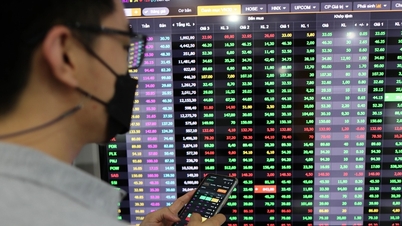
Within the first 10 minutes of trading opening on May 29th, the Nikkei 225 index (Japan) rose to 31,560 points – its highest level since July 1990. The gains then narrowed, causing the index to close at 31,233 points, up 1.03%.
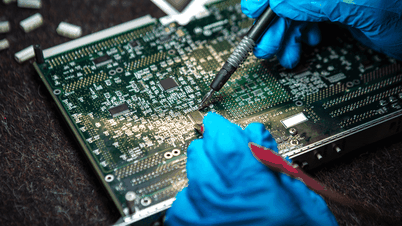
Masahiro Ichikawa, a market strategist at Sumitomo Mitsui DS Asset Management, said the Nikkei index is heavily influenced by technology stocks. Chip-related stocks continued to perform well today thanks to the artificial intelligence (AI) craze.
Shares of telecommunications giant SoftBank surged by more than 8%, driven by news that Arm, the company's UK subsidiary, launched new chip technology that will be used by Taiwanese smartphone chip manufacturer MediaTek in future products.
Shares of chip testing equipment manufacturer Advantest rose more than 4%, bringing its total gain over the past three sessions to nearly 26%.
Another factor driving up the Japanese stock market was US President Joe Biden's announcement on May 28th that he had finalized a debt ceiling agreement with House Speaker Kevin McCarthy and was ready to send it to Congress for a vote.
"This agreement still carries many risks. However, both sides have agreed to prevent the US from defaulting. The Nikkei broke through the psychological resistance level of 31,500 today, but failed to hold it by the end of the session. This week, I think the index will continue to rise," commented Maki Sawada, strategist at Nomura Securities.
The yen's depreciation against the dollar today also helped the Nikkei 225 index rise. For the first time in six months, one dollar was worth 141 yen. Many companies in the Nikkei 225 index are exporters. Therefore, a weaker yen will help boost their revenue from overseas markets when converted to yen.
Honda Motor shares rose 1.28%. Subaru shares gained 1.67%. Of the 225 stocks in the Nikkei index, 165 closed higher.
Ha Thu (according to Reuters)
Source link
![[Photo] Two flights successfully landed and took off at Long Thanh Airport.](/_next/image?url=https%3A%2F%2Fvphoto.vietnam.vn%2Fthumb%2F1200x675%2Fvietnam%2Fresource%2FIMAGE%2F2025%2F12%2F15%2F1765808718882_ndo_br_img-8897-resize-5807-jpg.webp&w=3840&q=75)





























































































Comment (0)