

Before going to school, we would wake up early, and after breakfast, we would excitedly wait for our mother to finish cleaning and other chores. Then, we would happily and excitedly follow her to the feast. Later, when we reached school age, we would still go to school in the morning, but we would spend the whole morning giggling and feeling joyful because after school at lunchtime, we would go to the feast.
My mother always came to help prepare the food at most feasts. However, depending on the relationship—whether they were close relatives or how well the two families were connected—she would arrive early to help with everything, or only start assisting in the middle of the day. For some feasts, she even arrived the afternoon before to help the host prepare the food. Besides the main meal, my siblings and I also got to enjoy the side dishes. We called them "side dishes," but back then, they were just as delicious as the main meal.
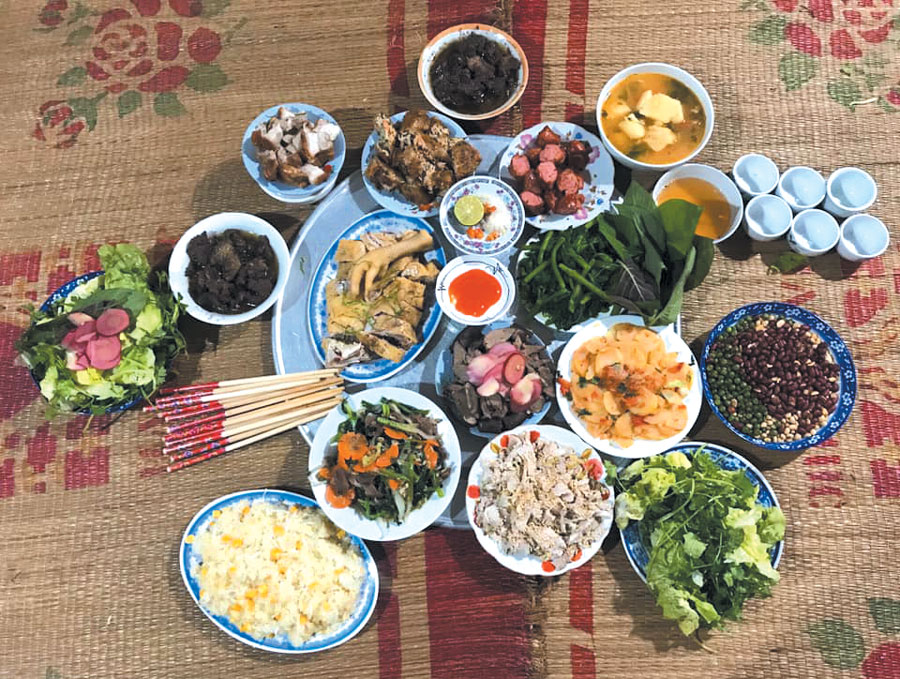
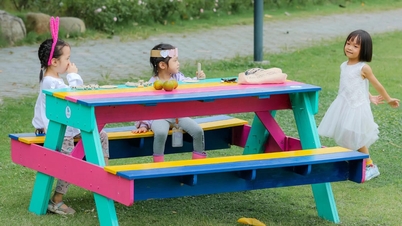
For weddings of nearby neighbors or relatives, the day before, my mother would go over to help boil water, prepare the pork, pick vegetables, peel potatoes, and peel green bananas for cooking... Uncles and aunts would set up tents and arrange tables and chairs; others would butcher the pork, pound the meat for sausage, and chop bones... the sounds of knives and cutting boards, and lively conversations filled a corner of the village. Weddings in the countryside always have a feast before the wedding day, called the "tent-setting feast." Most of the people who eat at the "tent-setting feast" are family members. The food for the "tent-setting feast" usually consists of dishes not found at the main feast, mainly pork offal and pig's head. The pigs are raised specifically for the family feast, so they are carefully cared for and fed clean vegetables, resulting in very delicious dishes. As the first meal, and eaten while still hot, the "tent-setting feast," even if it only includes a plate of boiled offal, a plate of boiled pig's head, some stewed or stir-fried dishes, and broth from boiling the offal; The adults' platter included blood pudding served with various herbs, including basil... and everyone found it incredibly delicious. Even though we were busy playing, by evening, when we smelled the fragrant aroma of the dishes, we knew everyone had finished preparing the feast and was setting up the tent... Like my siblings and me, many other parents who came to help at the feast brought their children. In rural feasts, there's always a children's platter, and they're almost always arranged to eat first because they're worried the children will get hungry too soon due to their hyperactivity, and to feed them well so the adults can have more time to help with the feast. The children's platter was always noisy and boisterous while they ate, and sometimes an adult had to sit in charge.
Traditional wedding feasts often included dishes like golden-brown boiled chicken, pork sausage, fatty pork sausage, mixed pork sausage, bamboo shoot soup, potato soup, stewed bananas, stir-fried beef, sticky rice, etc. Later, with economic development, more dishes were added to the feast, such as boiled shrimp, steamed fish, stir-fried squid, stewed pigeon, etc. The feast table was usually decorated to be both attractive and aesthetically pleasing. Feasts at memorial services, housewarming parties, baby's first month celebrations, etc., were simpler, but still fundamentally included boiled chicken, pork sausage, sticky rice, and various stewed and stir-fried dishes.
In the past, due to economic hardship, meat was only served during Tet (Lunar New Year), ancestral worship ceremonies, and other celebrations. Therefore, going to feasts with our mothers and grandmothers was a source of great excitement for us children, as we got to enjoy delicious food and have fun. In many rural areas, both then and now, there's a custom of taking leftovers home from feasts. This custom is actually very meaningful. Except for close relatives, very close friends, and major events, families usually only go together; otherwise, each invited family only "assigns" one adult, possibly accompanying a child, to the feast. The act of taking a portion home for those who stayed behind shows affection and care for one another. This also makes the host happy when everyone finishes their food.
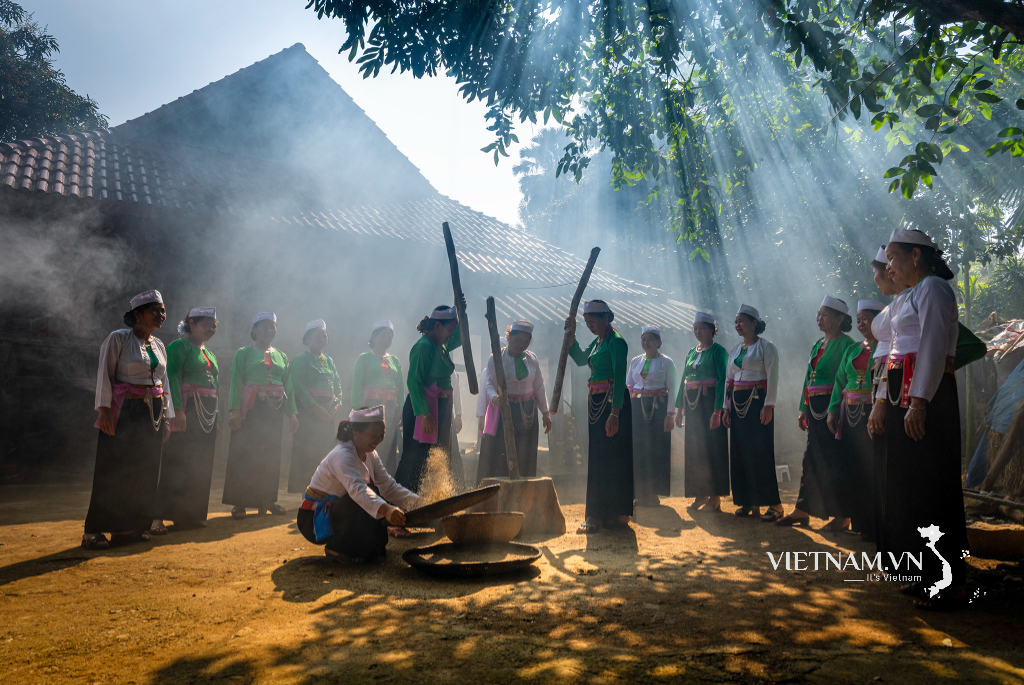
A traditional village feast, with its produce from the fields and gardens, pigs raised in the pens, and free-range chickens, is incredibly delicious. This custom is a tradition and part of the culture of rural people. People come to share in the joy of weddings, housewarming parties, and baby celebrations. They also come to offer condolences at funerals, remembering the deceased at memorial services and reburials. Inviting guests to a meal is a gesture of gratitude from the host, strengthening neighborly and kinship ties. Most guests don't just arrive for the meal; they come early to help the host prepare the food. Relatives and close friends help with entertaining guests and then clean up. This is sharing and helping – a beautiful tradition in rural areas. A traditional village feast not only showcases the produce from the fields, ponds, gardens, and livestock, created by the diligent hands of farmers, but also demonstrates the skill and creativity of rural people in creating delicious and appealing dishes. It is the bond of community and neighborly love... so that generations born and raised in the countryside, no matter where they go or what they do later, will always cherish the beautiful memories of their childhood, remembering the times they went to feasts with their mothers and grandmothers.
Do Hong
Source: https://baohanam.com.vn/van-hoa/co-que-149239.html

![[Photo] General Secretary and President To Lam presides over the meeting to approve the draft report on the results of the second inspection by the Politburo of the Standing Committee of the Hanoi City Party Committee.](https://vphoto.vietnam.vn/thumb/1200x675/vietnam/resource/IMAGE/2026/05/26/1779789811432_a2-bnd-4430-9620-jpg.webp)






















































Comment (0)