


In his neat wooden house, breezy with mountain air in the remote border region, Mr. Ho Van Tuu, a respected elder in Cu Bai village, Huong Lap commune, thoughtfully recounted the hardships faced by the local people in the past.
Cu Bai is located in a remote area; it's rare to find a specialized truck from the Ho Chi Minh Highway crossing several mountains and deep streams to reach the village. Infrastructure for education , healthcare, culture, and production is lacking. Rice paddies are small and yields are low; the people don't know how to plant trees or raise livestock, so there are more days of hunger than days of plenty…
Furthermore, many outdated customs have become deeply ingrained in the thinking and practices of the local people. For example, when people are sick, their families often organize rituals instead of taking them to medical facilities; women are forced into marriage at the young age of 15-16, and when in labor, they have to go to makeshift huts in the forest to give birth alone; women have to work tirelessly from early morning until the sun sets behind the mountains in Ta Pang village, Sepon district, in neighboring Laos.
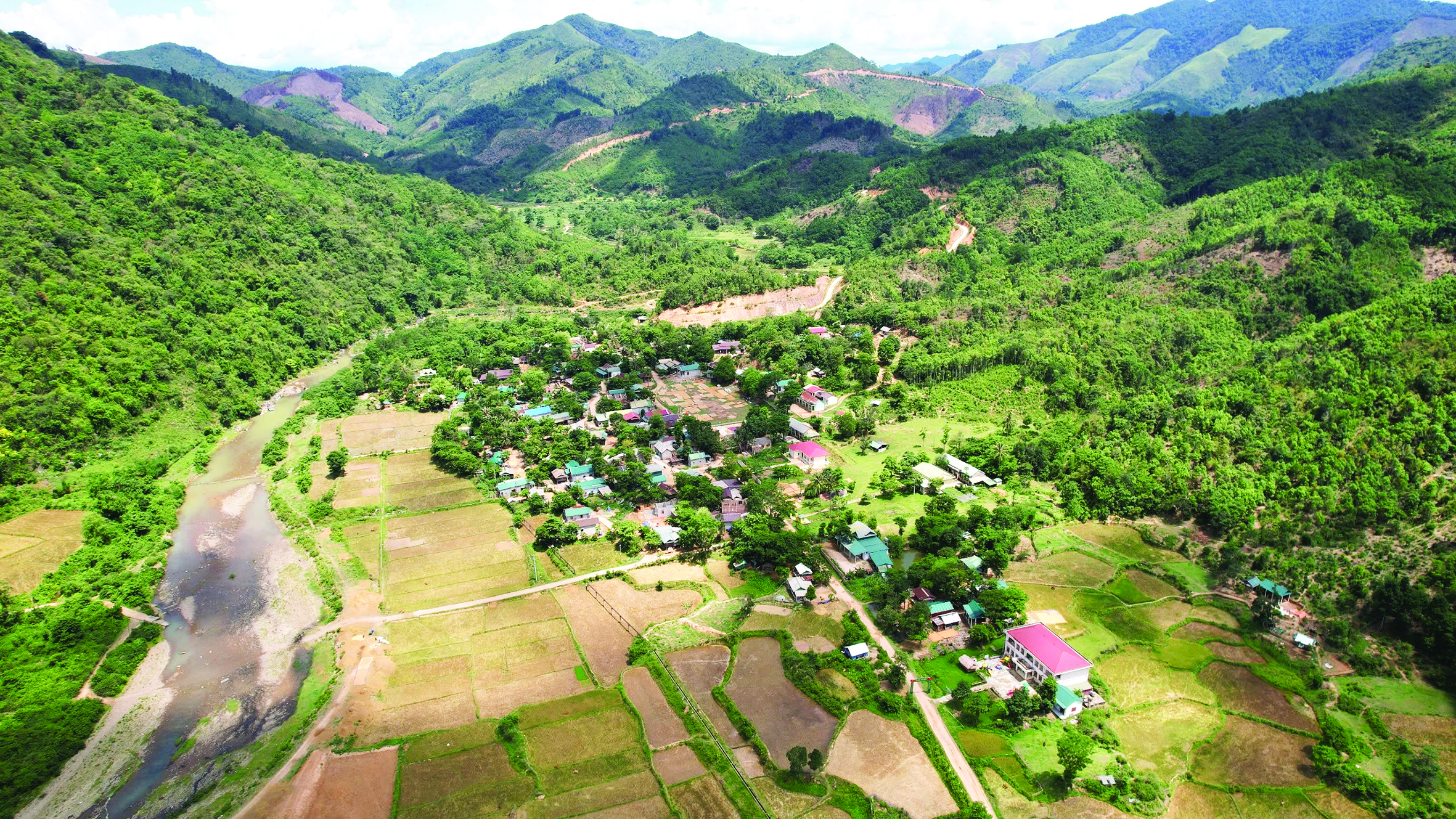 |
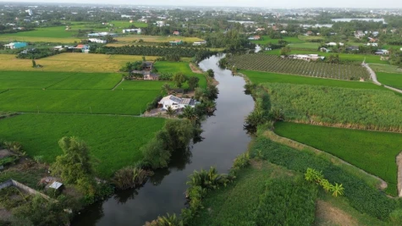
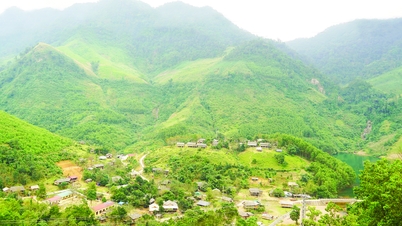
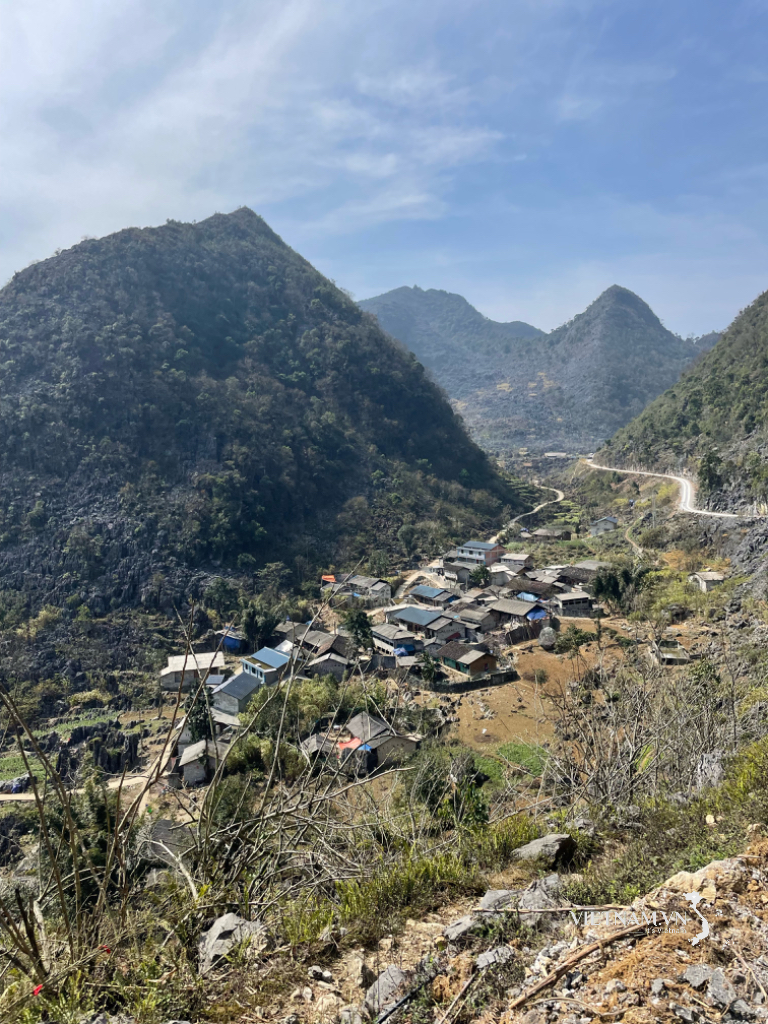
| Cu Bai village nestled peacefully amidst the Truong Son mountain range - Photo: HN |
“Cu Bai has changed a lot now,” said Ho Van Duon, the village head, adding, “In recent years, the lives of the people of Cu Bai have seen positive changes. The village has 25 hectares of rice paddies, 30 hectares of cassava, 383 hectares of bời lời trees, 19 hectares of melaleuca forest, a total herd of nearly 600 buffaloes, cows, and goats, and 9 ponds for raising various animals…”
This achievement is thanks to the drastic changes in mindset and farming practices among the local people. For rice cultivation, people pay attention to seed selection, land preparation, and the application of scientific and technological advancements, resulting in an average rice yield of over 5 tons per hectare. For the bời lời tree (a type of medicinal plant), by prioritizing care, one hectare yields approximately 20 tons of bark per year. Rice ensures daily food security, while income from selling bời lời products and livestock (buffaloes, cows, and goats) covers other needs, thus improving living standards.
Most households in the village now own motorbikes, audio-visual equipment, and machinery for production; many families have built spacious houses, and their children receive a good education. Outdated customs are gradually being eliminated. Infrastructure such as transportation, irrigation, electricity, kindergartens, and cultural centers are receiving investment for construction…
While the conversation was lively, Mr. Ho Van Thang, Secretary of the Party Branch of Cu Bai village, and Major Nguyen Minh Tien, Head of the Cu Bai Border Control Station, Huong Lap Border Guard Post, arrived.
According to Mr. Thang, the changes in Cu Bai today bear the significant mark of the village Party branch in building and leading the effective implementation of policies on poverty reduction and improving the quality of activities of political and social organizations.
The Party cell has 27 members, and the Party committee regularly holds monthly meetings with specific content that is relevant to reality and the aspirations of the people, such as: ensuring that all local people, especially policy beneficiary families and poor households, have a warm and prosperous Lunar New Year celebration in the year of the Horse; mobilizing the people to clean up the environment and beautify the landscape…
“The biggest change in Cu Bai is the noticeable shift in the mindset and practices of the people. The mentality of dependence and outdated customs have gradually been eradicated. People have recognized the importance of stable livelihoods, learned to produce goods that the market demands, and built a cultured and compassionate way of life. This is thanks to the unwavering loyalty of the people of Cu Bai to the Party and the leading, exemplary roles of village elders and respected figures like Ho Van Tuu and Ho Don, and loyal Party members like Ho Van Xum and Ho Phong,” Major Nguyen Minh Tien added.
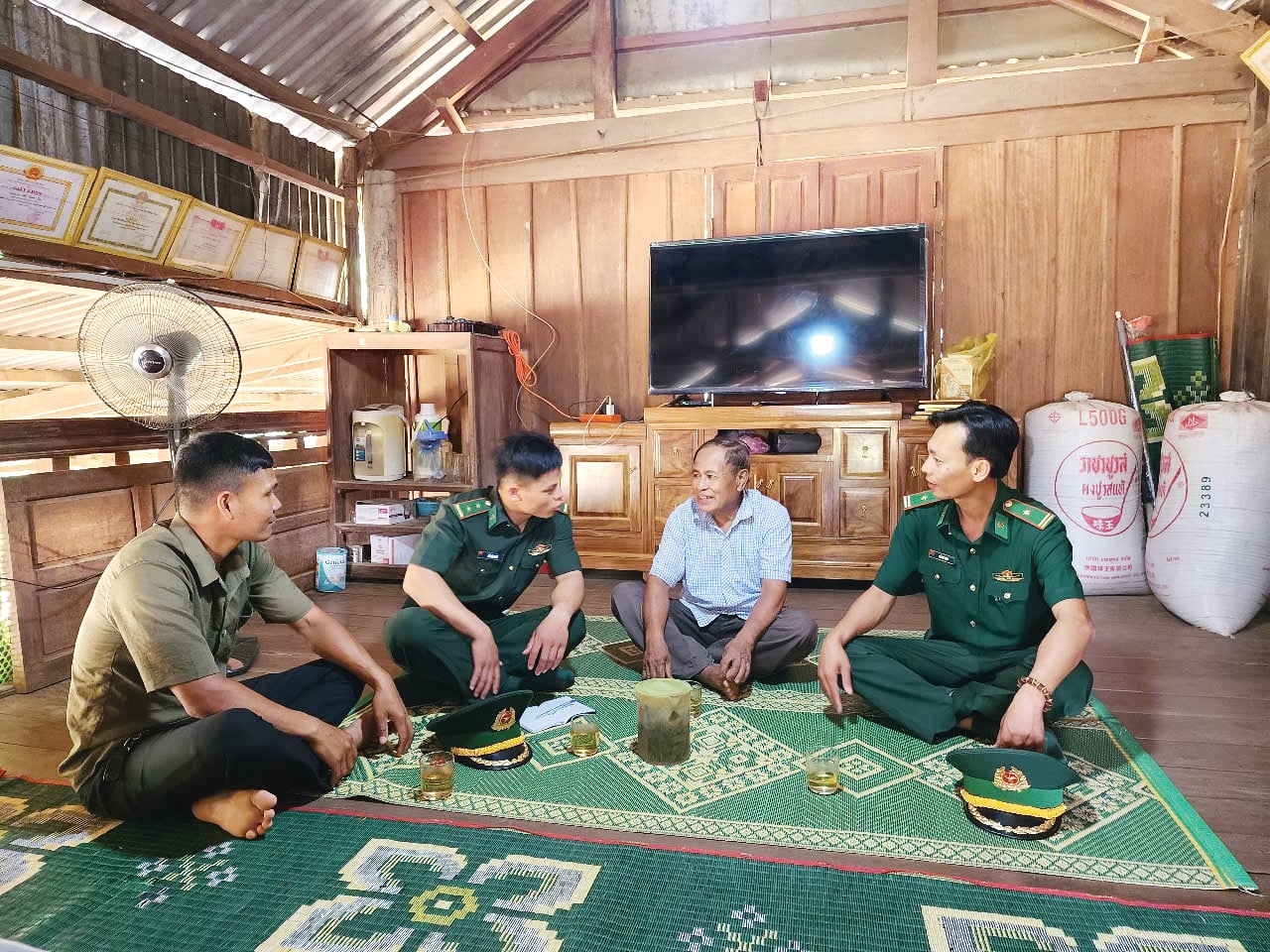 |
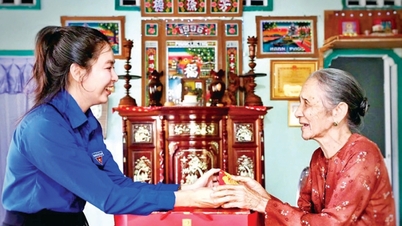
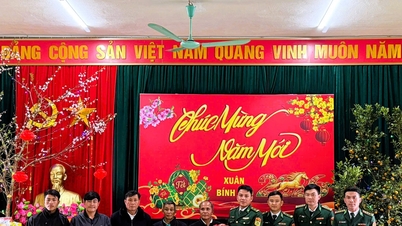
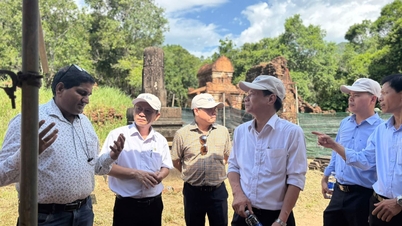
| Officers at Huong Lap Border Guard Station are always close to and deeply involved with the people of Cu Bai - Photo: HN |
To achieve the current stature of Cu Bai, the role of the soldiers in green uniforms is indispensable. Mr. Ho Phong (88 years old, 41 years of Party membership), a "torchbearer" in all movements and activities in Cu Bai, believes that border guards are like children of the local people.
Therefore, they can support the people, working alongside them in everything from land reclamation and irrigation for rice cultivation to providing technical guidance on livestock farming and forestry; building the political system; teaching literacy; and caring for families receiving preferential treatment and impoverished households… Without the Border Guard, the people of Cu Bai would hardly have the life they have today.
“In July 1954, the Geneva Accords were signed, establishing the Ben Hai River as the temporary military demarcation line. In May 1955, right-wing Laotian reactionaries, aided by the US-Diem regime, sent troops to provoke border disputes in Huong Lap. On June 1, 1955, our forces arrived at Cu Bai, planting the national flag at the border junction with Laos and the temporary demarcation line between North and South Vietnam. This marked the establishment of the former Cu Bai People's Armed Police Station, the predecessor of the current Huong Lap Border Guard Station. The unit currently manages the Huong Lap commune, protecting a border over 28.5 km long, 16 border markers, and 5 boundary posts. During its formation and development, the unit was stationed in Cu Bai for many years, only recently moving to a new barracks in A Xoc village in 1998. For the people in the area under its management in general, and Cu Bai village in particular... "In particular, generations of officers and soldiers have always shown deep affection and relied on the people to build a strong unit in all aspects, worthy of being twice awarded the title of Hero of the People's Armed Forces. During the Lunar New Year of the Year of the Horse, the unit organized practical activities to join hands in helping people in the border areas of the Fatherland celebrate the traditional New Year in warmth and peace," shared Lieutenant Colonel Ho Van Quan, Deputy Political Officer of Huong Lap Border Guard Station.
“Currently, Cu Bai has 135 households and 660 inhabitants, with 100% of the population being Van Kieu ethnic minorities. Building on the glorious revolutionary tradition, in recent years the local people have always been united and innovative in their thinking and methods to strive for a prosperous life. By the end of 2025, the number of poor households in Cu Bai will decrease to 64, accounting for 46.37%; 5 households will be near-poor, accounting for 3.7%; and many families will be well-off, with incomes reaching 200 million VND/year. The people of Cu Bai always actively and effectively participate in movements and activities to protect the border, border markers, border security and sovereignty, and to foster the special solidarity and friendship between Vietnam and Laos,” said Nguyen Minh Tam, Chairman of the People's Committee of Huong Lap commune.
Continuing the stories about the land and people of this border region, I heard a lot about their plans and aspirations for a prosperous and civilized life, and the strengthening of the bond between the military and the people. While I know there is a long road ahead and many difficulties remain, I believe that the generations of people of Cù Bai, the soldiers in green uniforms, will succeed because they have overcome the harsh times of war and the most difficult years in their journey towards this goal.
Huy Nam
Source: https://baoquangtri.vn/xa-hoi/202602/cu-bai-khong-xa-954794f/

























































Comment (0)