


Currently, the province has 183 reservoirs with a total designed capacity of 359 million m³. To ensure safety during the rainy and stormy season, localities and reservoir management units proactively monitor and prepare sufficient materials, personnel, and equipment according to the "four on-the-spot" principle (on-the-spot command, on-the-spot forces, on-the-spot materials, and on-the-spot logistics) at critical locations…
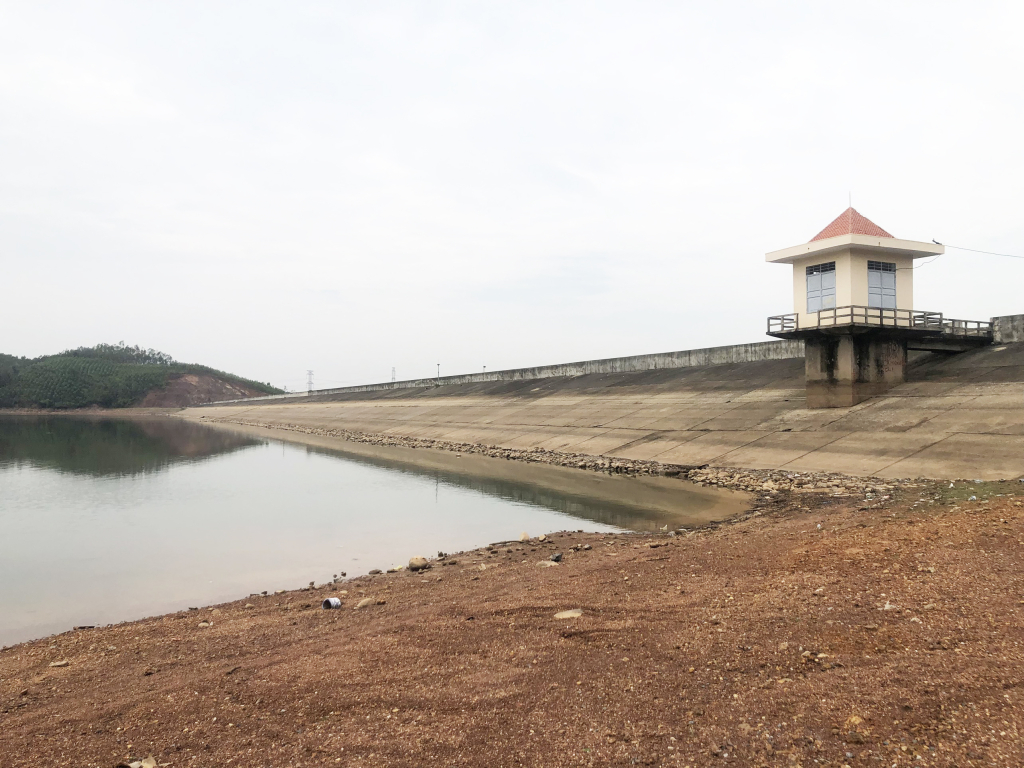
According to forecasts, the weather in 2023 will be more complex than in previous years. Given the harsh weather conditions, ensuring the safety of reservoirs and dams is being proactively implemented by relevant units and localities in the province. Currently, Dong Trieu Irrigation Company Limited is entrusted by the province with managing and operating 18 large and small reservoirs and dams with a total water storage capacity of nearly 39 million m³; 6 irrigation pumping stations with 18 units with a total pumping capacity of over 18,100 m³/h; 5 drainage pumping stations with 31 units with a total capacity of 124,000 m³/h; and 1 drainage culvert under the dike. Annually, the company provides irrigation water for 6,150 hectares of cultivated land and drainage for 3,900 hectares of catchment area. The management and operation of irrigation works are crucial in increasing crop and livestock productivity and contributing to disaster prevention and mitigation.
Mr. Vu Minh Thanh, Director of Dong Trieu Irrigation Company Limited, said: To be ready to respond to any unusual weather developments, since the beginning of 2023, the company has developed a plan for flood and storm prevention. This year, the unit has focused on repairing and upgrading the Dong Do 1 reservoir headworks; repairing some cracked canal sections. The company has also launched an inspection of the main dam, spillway, and water intake gates at 18 reservoirs. Through the inspection, most of the structures are ensuring the service of agricultural production and domestic water supply, as well as ensuring safety during the 2023 rainy season. However, some reservoir components are deteriorating and need repair, such as the Dong Do spillway, the Yen Duong reservoir earth dam, and the Tan Yen spillway… The company is proposing to the province to allocate funds for timely repairs to ensure absolute safety for these irrigation works.
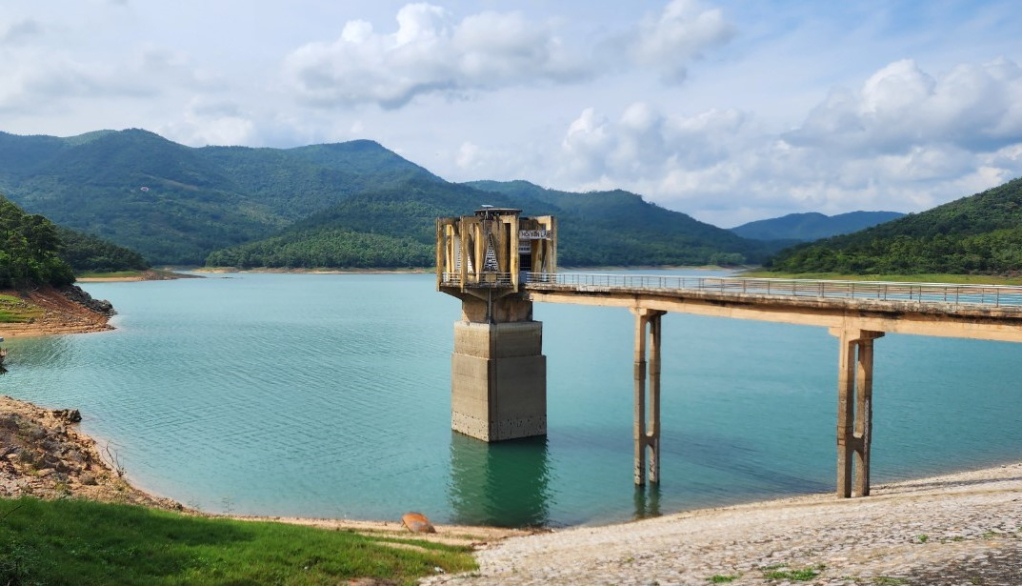
Yen Lap Lake is the largest freshwater lake in the province with a storage capacity of 130 million m³. Currently, the lake supplies water for agricultural production and provides water to the clean water treatment plants of Ha Long City, Uong Bi City, and Quang Yen Town. Therefore, the task is to actively and thoroughly prepare for disaster prevention and search and rescue operations with the "four on-the-spot" principle. At the same time, plans must be developed to prepare human and material resources to proactively cope with the possibility of unusual floods, operational errors, and dam erosion.
Mr. Vu Trong Tinh, Deputy Director of Yen Lap Irrigation Company Limited, said: "From the early months of the year, the unit has proactively inspected and maintained the valve system of the control house at the water intake canal and the control house of the spillway gates, while regularly monitoring weather developments. Currently, the water level of Yen Lap reservoir is close to the dead water level. Along with operating and regulating irrigation water sources to combat drought in the reservoir, the company is proactively monitoring rainfall and floods in the reservoir in the coming time to have plans for regulating spillway discharge and flood control, ensuring absolute safety for Yen Lap reservoir during this year's rainy season."
Following the direction of the Provincial People's Committee, irrigation companies in the province and localities are currently implementing the "4 on-site, 3 ready" principle in disaster prevention and control, ensuring the safety of reservoirs, dams, and people in downstream areas. In addition, the Department of Agriculture and Rural Development has directed all relevant units and localities to maintain 24/7 readiness to safely operate reservoirs and to review, reinforce, and repair critical storm and flood control points and structures; regularly monitor weather developments, conduct surveys and measurements, and develop timely storm and flood response and prevention plans…
Source















































































![[Photo] Coc Ly market bustling on the eve of Tet](https://vphoto.vietnam.vn/thumb/402x226/vietnam/resource/IMAGE/2026/02/14/1771062261424_baolaocai-br_img-6457-jpg.webp)






Comment (0)