

The merger of Bac Lieu and Ca Mau provinces aims to reduce the number and increase the scale of administrative units, expand new development spaces, maximize the potential and advantages of the localities, improve the effectiveness and efficiency of management, and concentrate financial and human resources to create favorable conditions for investment and socio-economic development in each locality and region in particular, and the whole country in general.
Ensuring the direct and comprehensive leadership of the Party.
To ensure the direct and regular leadership and guidance of the Party committees over the political system and agencies and organizations, the two localities have agreed on the plan to establish the Ca Mau Provincial Party Committee. The goal is to build a strong and cohesive Party organization system corresponding to the local State administrative system at two levels (provincial and grassroots); to ensure the direct and comprehensive leadership of the Party over the local political system; and to effectively promote the mechanism of "Party leadership, State management, and people's ownership".
The (new) Ca Mau Provincial Party Committee will maintain the number of Executive Committee members, Standing Committee members, and Deputy Secretaries of the Provincial Party Committee for the 2025-2030 term as designated at the time of the merger and consolidation for the 2020-2025 term (excluding comrades who are not old enough to be re-elected, have transferred to other positions, or wish to retire early) and will gradually reduce the number over the next 5 years after the merger and consolidation. By the 2030-2035 term, the number of Party committee members will be implemented according to the new regulations of the Politburo.
The Party Committee structure aims to achieve a rate of 15% or more of female Party Committee members and include female cadres in the Standing Committee; a rate of 10% or more of young cadres (under 42 years old) (calculated for the entire term); and a rate of approximately 5% of cadres with scientific and technological qualifications. Accordingly, the Provincial Party Committee has 79 members, of which 58 meet the age requirements for re-election in the 2025-2030 term (Bac Lieu 26 members, Ca Mau 32 members); the Provincial Party Standing Committee has 29 members, of which 22 meet the age requirements for re-election.
The Bac Lieu Provincial Party Committee and the Ca Mau Provincial Party Committee have initially approved the personnel plan for the Executive Committee, Standing Committee, and Inspection Committee, and are expected to assign members of the Provincial Party Committee Executive Committee and members of the Ca Mau Provincial Party Committee Standing Committee (after the merger). The Central Committee highly appreciated their proactive spirit and readiness for new tasks.
The newly established Ca Mau Provincial Party Committee comprises the following subordinate party organizations: the Party Committee of the Provincial Party Agencies, the Party Committee of the Provincial People's Committee, the Party Committee of the Provincial Armed Forces, and 64 commune and ward party committees (25 in Bac Lieu and 39 in Ca Mau), corresponding to the new commune-level administrative units, with a total of 98,622 party members. Given the large number of party members and party organizations, the province has planned to implement the "Electronic Party Member Handbook" software; and to promote digital transformation to improve the efficiency and effectiveness of work, shortening the distance in bringing the Party's policies and guidelines to each cadre and party member.
Following the reorganization, the new Ca Mau province's administrative structure will consist of 13 specialized agencies under the Provincial People's Committee; 16 public service units (a reduction of 3 units); and will retain the functions and tasks of the non-budgetary state financial agencies of the two provinces after the merger; while maintaining the current status of state-owned companies and enterprises of the two provinces after the merger.
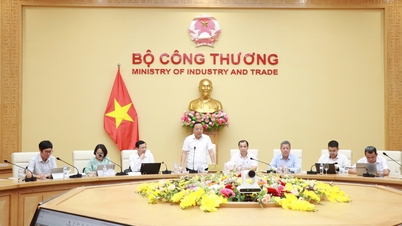
Comrade Nguyen Ho Hai, Secretary of the Ca Mau Provincial Party Committee, emphasized: “The establishment of the Ca Mau Provincial Party Committee demonstrates a high level of political determination in concretizing the Central Committee's guidelines and building a strong Party organization. Therefore, it must be implemented scientifically, rigorously, uniformly, and synchronously with the reorganization of the administrative apparatus and Party units; ensuring that no time is wasted, work is not interrupted, and the normal activities of society and the people are not affected; there should be no negligence or loss of vigilance; and it should not affect the goals of socio-economic development.”
Determined to achieve high growth rates.
The Party Committees of the two provinces have unanimously agreed to choose a high-growth scenario (double digits), with an average GRDP growth rate of 10-10.5% per year for the period 2026-2030. This content has been included in the Draft Political Report of the Ca Mau Provincial Party Committee's First Congress, term 2025-2030. This scenario is based on the draft documents of the 14th National Party Congress in April 2025 (striving to achieve an average annual growth rate of 10% or more) and on the basis of the socio-economic situation of Ca Mau and Bac Lieu provinces.
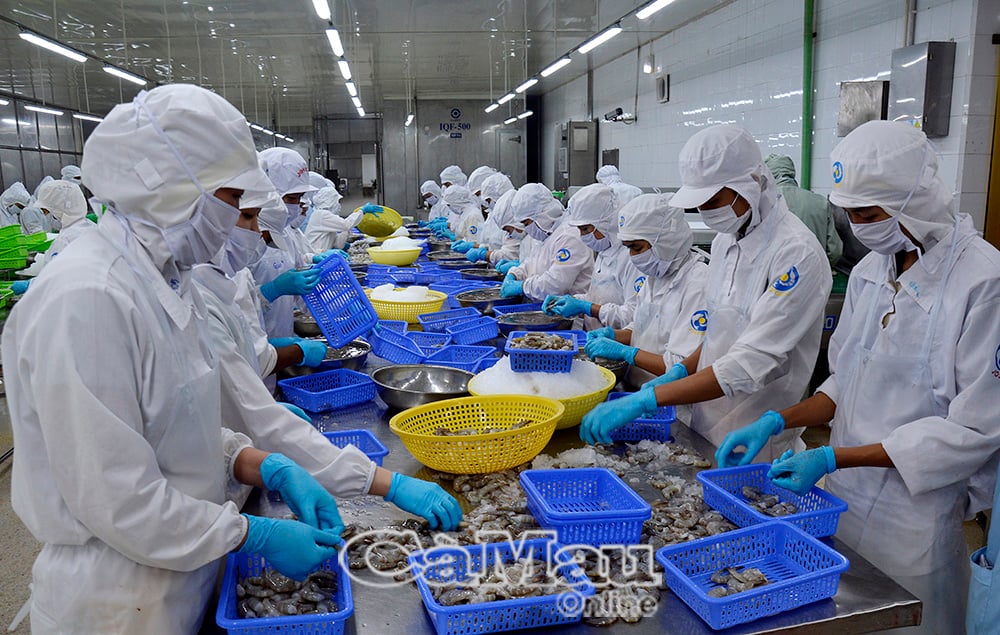
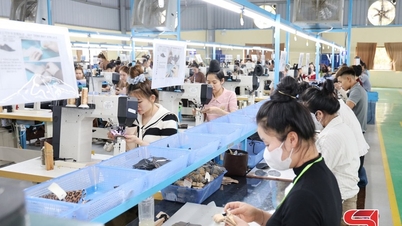
Ca Mau is determined to invest in technological innovation and improve productivity at seafood processing plants in the area, thereby boosting export turnover growth.
Expanding its development space, Ca Mau province will exploit and maximize its existing potential and advantages for development, such as a fully integrated economy encompassing key sectors (agriculture, industry, renewable energy development, clean energy, tourism, marine economy, and synchronized infrastructure), thereby promoting comprehensive economic growth. Accordingly, the target by the end of 2030 is for the province's economy (at current prices) to reach approximately VND 321,564 billion, nearly 1.9 times the 2025 figure (VND 172,907 billion); GRDP per capita will reach approximately VND 149 million (an increase of nearly 86% compared to 2025), equivalent to about 70% of the national average (USD 8,500 in 2030).
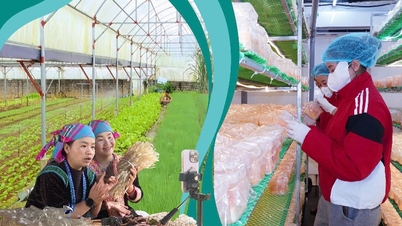
To achieve high growth, the province has implemented feasible solutions in each sector. These include focusing on restructuring the agricultural sector towards in-depth development, increasing the quantity and quality of goods per production unit. Developing super-intensive shrimp farming and ecological shrimp farming, forming concentrated farming areas, and obtaining ecological certification. Increasing seafood processing output linked to increased export volume and value, with expectations of several investment projects to innovate technology and improve the productivity of seafood processing plants in the area.
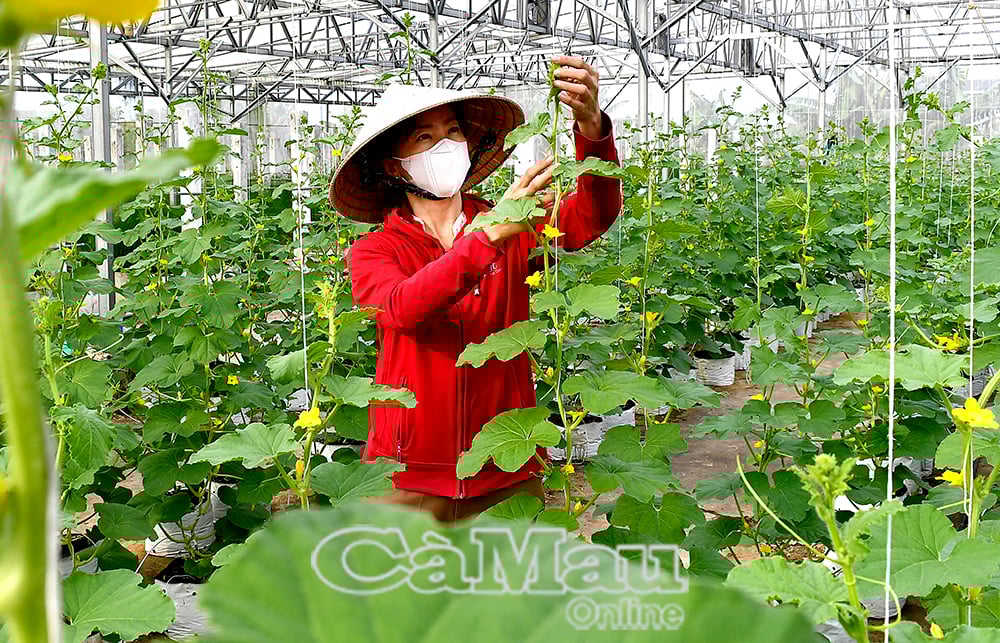
Promoting research, application, and transfer of science and technology, and digital transformation into agricultural production activities, in order to improve the quality of plant and animal breeds.
In addition, key and important projects must be implemented and completed during the 2026-2030 period. Specifically, these include: the Ca Mau Airport expansion and upgrade project (total investment of approximately VND 3,260 billion, including land acquisition; expected completion in mid-2026); the Ca Mau City - Dat Mui Expressway project (total investment of approximately VND 50,000 billion); Hon Khoai Port and connecting road to Hon Khoai Island (total investment for the two projects of approximately VND 32,000 billion); the National Highway 1 upgrade and expansion project and the Ho Chi Minh Highway from Ca Mau City to Dat Mui (total investment for the two projects of approximately VND 12,700 billion); and the Bac Lieu Wind Power Plant project (phase 3). The project involves investing in the development of infrastructure for industrial and semi-industrial shrimp farming areas in Bac Lieu province (total investment of 2,000 billion VND)...
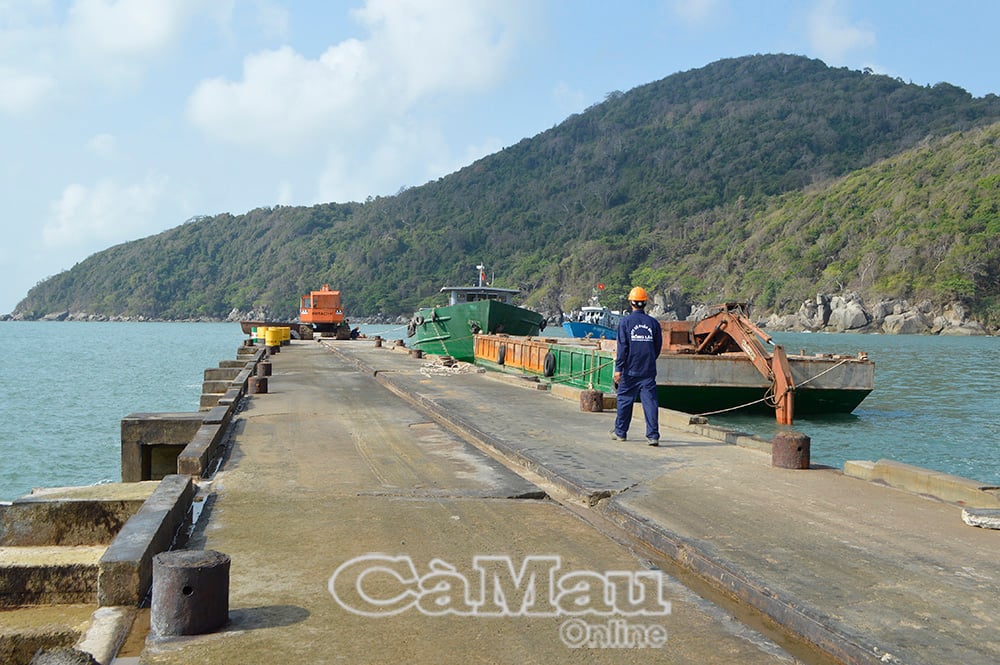
During the period 2026-2030, Ca Mau province is determined to implement key projects, including Hon Khoai Port and the road connecting to Hon Khoai Island (total investment for the two projects is approximately 32,000 billion VND).
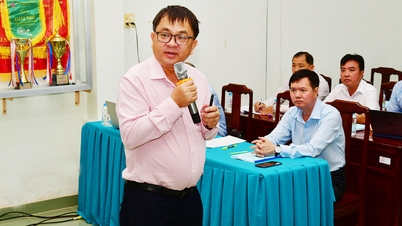
Comrade Huynh Quoc Viet, Alternate Member of the Central Committee of the Communist Party of Vietnam, Standing Deputy Secretary of the Bac Lieu Provincial Party Committee, expressed his determination: “We must maximize our advantages to develop tourism into an important economic sector of the province. We must build a safe and friendly tourism environment, linked to building the Ca Mau tourism brand with its southernmost destination and distinctive riverine culture, and carefully consider how to create products and services that attract visitors.”
Ca Mau continues to improve and enhance its provincial competitiveness; build a favorable, open, transparent, and low-cost investment and business environment to attract investment. It aims to create breakthroughs in the development of science, technology, innovation, and digital transformation, generating new momentum for growth in accordance with Resolution No. 57-NQ/TW.
With the strong political determination of the two provinces preparing for the merger to usher in a historic turning point in development, the image of a new Ca Mau is now emerging, with strong breakthroughs gradually taking shape. The economic potential and geographical advantages will be maximized, enhancing the position of the new province in the regional and national development strategy, promising prosperity for the people and contributing to the overall development of the country.
Mong Thuong
Source: https://baocamau.vn/dang-dap-tinh-ca-mau-moi-voi-nhung-buoc-dot-pha-a39465.html

![[Image] National Assembly discusses the implementation of the socio-economic development plan.](https://vphoto.vietnam.vn/thumb/1200x675/vietnam/resource/IMAGE/2026/04/20/1776696707422_ndo_br_img-20260420-185419-jpg.webp)

![[Photo] General Secretary and President To Lam meets with National Assembly delegates from ethnic minorities.](https://vphoto.vietnam.vn/thumb/1200x675/vietnam/resource/IMAGE/2026/04/20/1776696701056_a1-bnd-8331-3342-jpg.webp)




























































Comment (0)