

Strengthening decentralization in veterinary management, quarantine, and slaughter
Contributing comments focusing on Article 11 and issues related to veterinary medicine in the draft law, National Assembly member Nguyen Thi Lan said that the amendments in Article 11 of the veterinary law are very important, clarifying the responsibilities of the Ministry of Agriculture and Environment in promulgating technical regulations, forecasting and warning about epidemics, and calculating damage statistics; while also increasing decentralization to localities in veterinary management, quarantine, slaughter and veterinary medicine. "This is an approach consistent with international experience in disease management along the value chain "from farm to table", National Assembly member Nguyen Thi Lan emphasized.
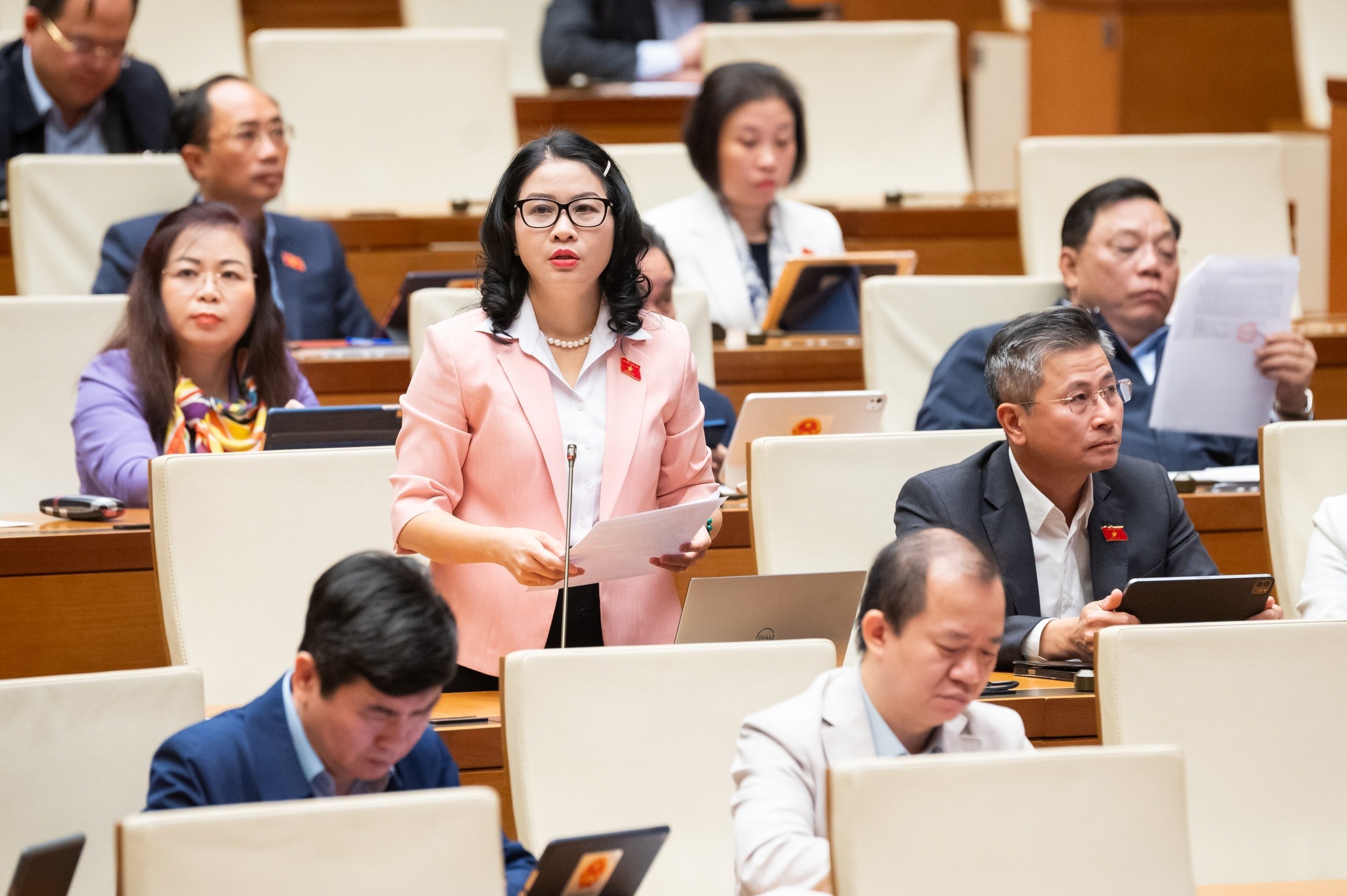
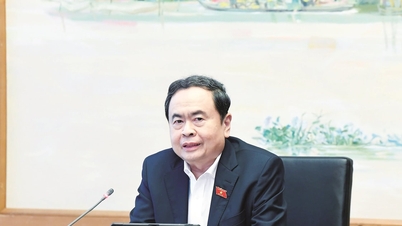
National Assembly Delegate Nguyen Thi Lan speaks at the discussion on December 1
However, delegates pointed out that reality shows that many dangerous epidemics such as avian influenza, African swine fever, foot-and-mouth disease, lumpy skin disease and other emerging diseases still pose the risk of complicated developments, greatly affecting the economy and people's health. According to the World Health Organization (WHO) and the World Organization for Animal Health, more than 70% of emerging infectious diseases in humans originate from animals; SARS, MERS, H5N1, H7N9, Ebola, Nipah and Covid-19 are clear evidence. This affirms that animal disease control is the first line of defense for public health.
At the same time, the challenge of antibiotic resistance is increasing rapidly with more than 100 antibiotic active ingredients being used in animal husbandry. In many countries, including Vietnam, this sector accounts for 60–70% of annual antibiotic consumption. Improper use in animal husbandry and veterinary medicine causes antibiotic-resistant bacteria to spread to humans through food and the environment. WHO considers this one of the 10 biggest threats to global health.
"Animal diseases also cause heavy economic losses through the cost of culling, herd restoration and production decline, directly affecting food security. This shows that investing in disease prevention and the veterinary system is investing in socio-economic stability," National Assembly member Nguyen Thi Lan analyzed.
Therefore, the delegate said that the international community is currently promoting the “One Health” model, considering human health closely linked to animal health and the environment, which is also consistent with the spirit of Resolution 72 of the Politburo on strengthening preventive medicine, early detection and early warning of disease risks. In Vietnam, the grassroots veterinary network is still uneven, monitoring and testing capacity is uneven, and the risk of drug-resistant bacteria spreading from livestock to humans is increasingly clear. Lessons from ASF and avian influenza show that a strong veterinary system leads to better disease control.
Therefore, the delegate recommended that Article 11 should emphasize more on the requirement to strengthen the capacity of the veterinary system; improve monitoring - warning - testing; control the use of veterinary drugs and antibiotics; and promote the connection between veterinary - medical - environment according to the "One Health" model. "This is not only the task of the agricultural sector but also contributes directly to protecting people's health and improving the national disease response capacity," emphasized National Assembly delegate Nguyen Thi Lan.
Improving the efficiency of the national veterinary ecosystem
From the perspective of policy development, National Assembly Deputy Nguyen Thi Lan also proposed to clarify some important technical contents below to ensure feasibility when implementing, contributing to improving the effectiveness of the national veterinary ecosystem. According to the delegate, first of all, it is necessary to regulate the minimum capacity requirements of grassroots veterinary, standardize the veterinary training system, regardless of the organizational model, it is necessary to ensure that all levels of government, especially the provincial and communal levels, have enough human resources and tools to detect early and promptly handle epidemics according to the recommendations of WHO and WOAH, especially the need to standardize the system.
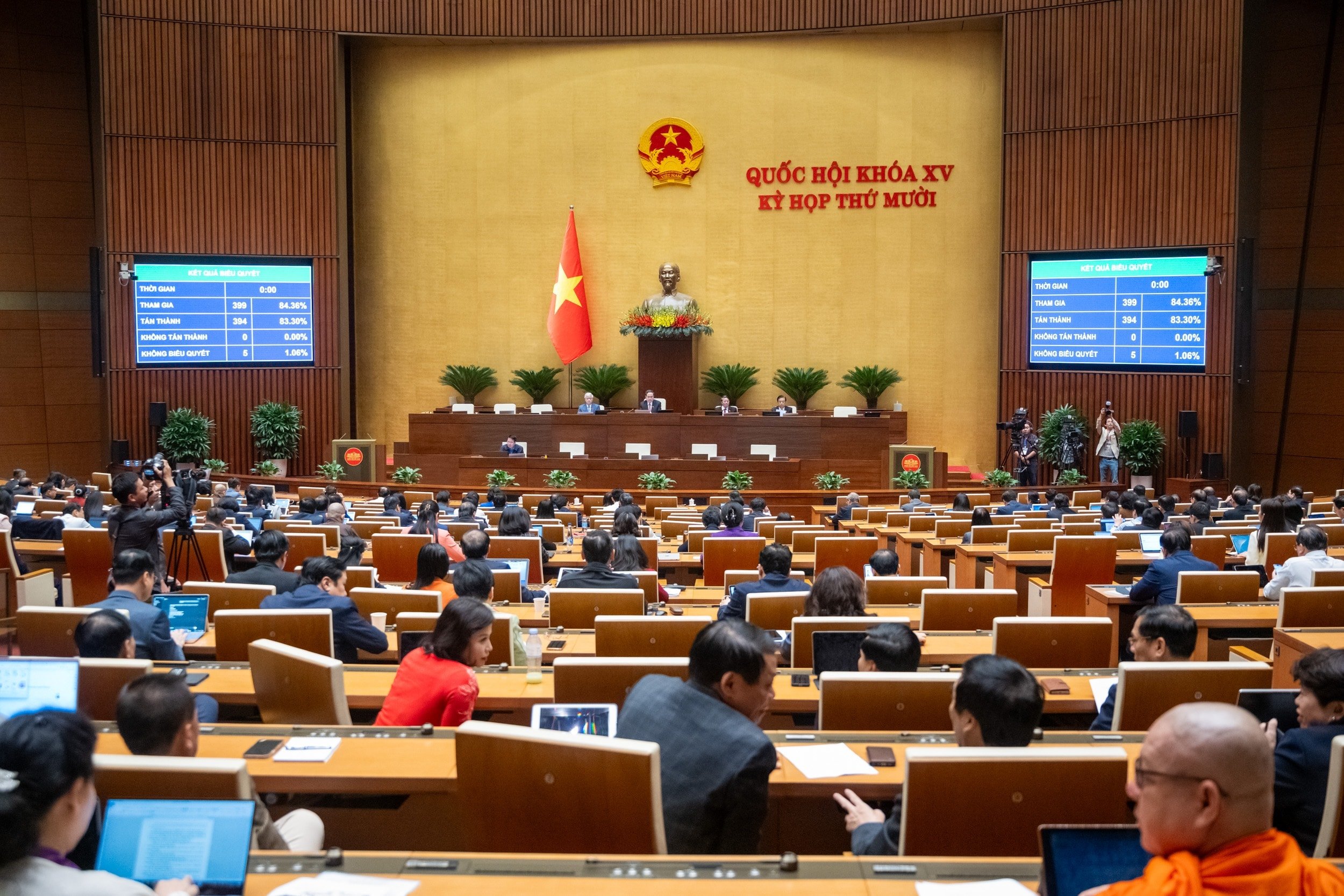
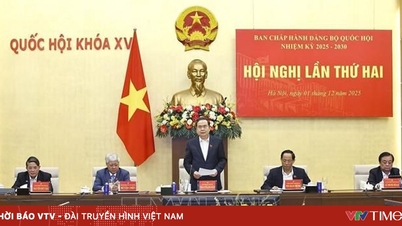
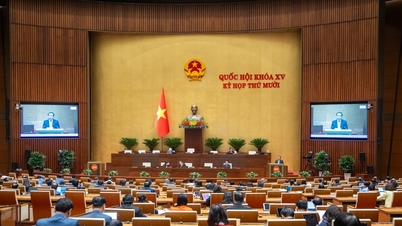
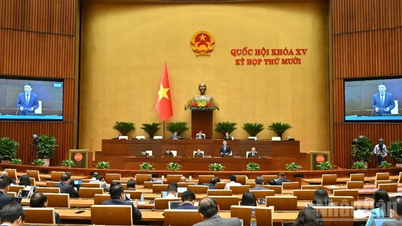
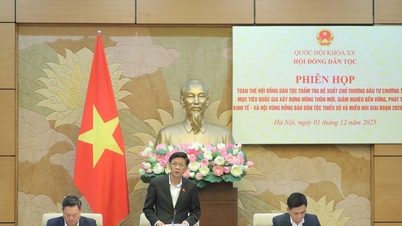
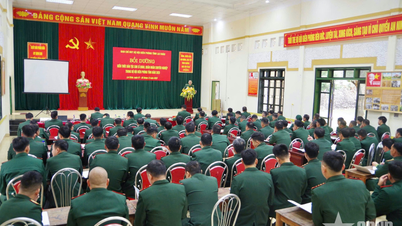
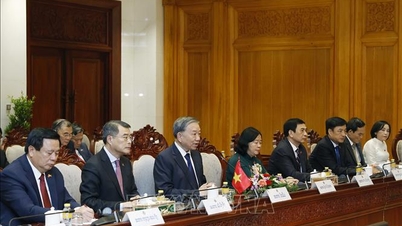
Scene of the discussion session on the morning of December 1
In addition, delegates proposed to add the principle of mobilizing domestic scientific and technological resources, including research institutes, universities and qualified laboratories, to participate in testing, monitoring and assessing disease risks. Currently, this force in Vietnam is not considered a component of the national veterinary system, while in many countries they play a core role in disease surveillance.
"Therefore, there needs to be a legal mechanism for scientific establishments to officially participate in the national veterinary surveillance network, in accordance with international practices and to increase disease management capacity," National Assembly Deputy Nguyen Thi Lan stated.
Regarding the decentralization of the issuance and renewal of veterinary practice certificates, delegates said that there should be a set of criteria and procedures that are unified nationwide to ensure transparency and improve the quality of the practicing team. At the same time, it is recommended to consider adding standards and regulations for regular knowledge updates for practicing veterinarians to comply with international practices and ensure the quality of practice.
"The above recommendations aim to build a modern, synchronous veterinary system, connecting the central - local - institutes, with enough capacity to protect animal health and public health in the new context. We respectfully request that the drafting agency consider and accept Article 11 so that it truly becomes an important foundation for disease control, protecting people's health and developing safe and sustainable agriculture," said National Assembly member Nguyen Thi Lan.
Source: https://daibieunhandan.vn/dap-ung-cac-yeu-cau-moi-ve-an-toan-thuc-pham-va-bao-ve-suc-khoe-cong-dong-10397755.html


![[Photo] Prime Minister Pham Minh Chinh receives President of Cuba's Latin American News Agency](/_next/image?url=https%3A%2F%2Fvphoto.vietnam.vn%2Fthumb%2F1200x675%2Fvietnam%2Fresource%2FIMAGE%2F2025%2F12%2F01%2F1764569497815_dsc-2890-jpg.webp&w=3840&q=75)



























































Comment (0)