

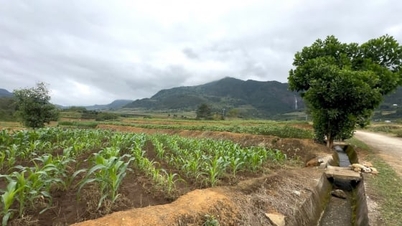
From provinces like Phu Tho and Ninh Binh to the Mekong Delta, low-emission rice farming is gradually transforming from a policy into concrete action in the fields. Solutions such as alternating wet and dry irrigation, straw management, and reduced nitrogen fertilization have been implemented. These changes are not only in production techniques but also in the mindset and practices of farmers in the context of agriculture adapting to climate change and the demands of sustainable development.
2023 marked a significant milestone when the "Project for the sustainable development of 1 million hectares of high-quality, low-emission rice cultivation associated with green growth in the Mekong Delta by 2030" was implemented.
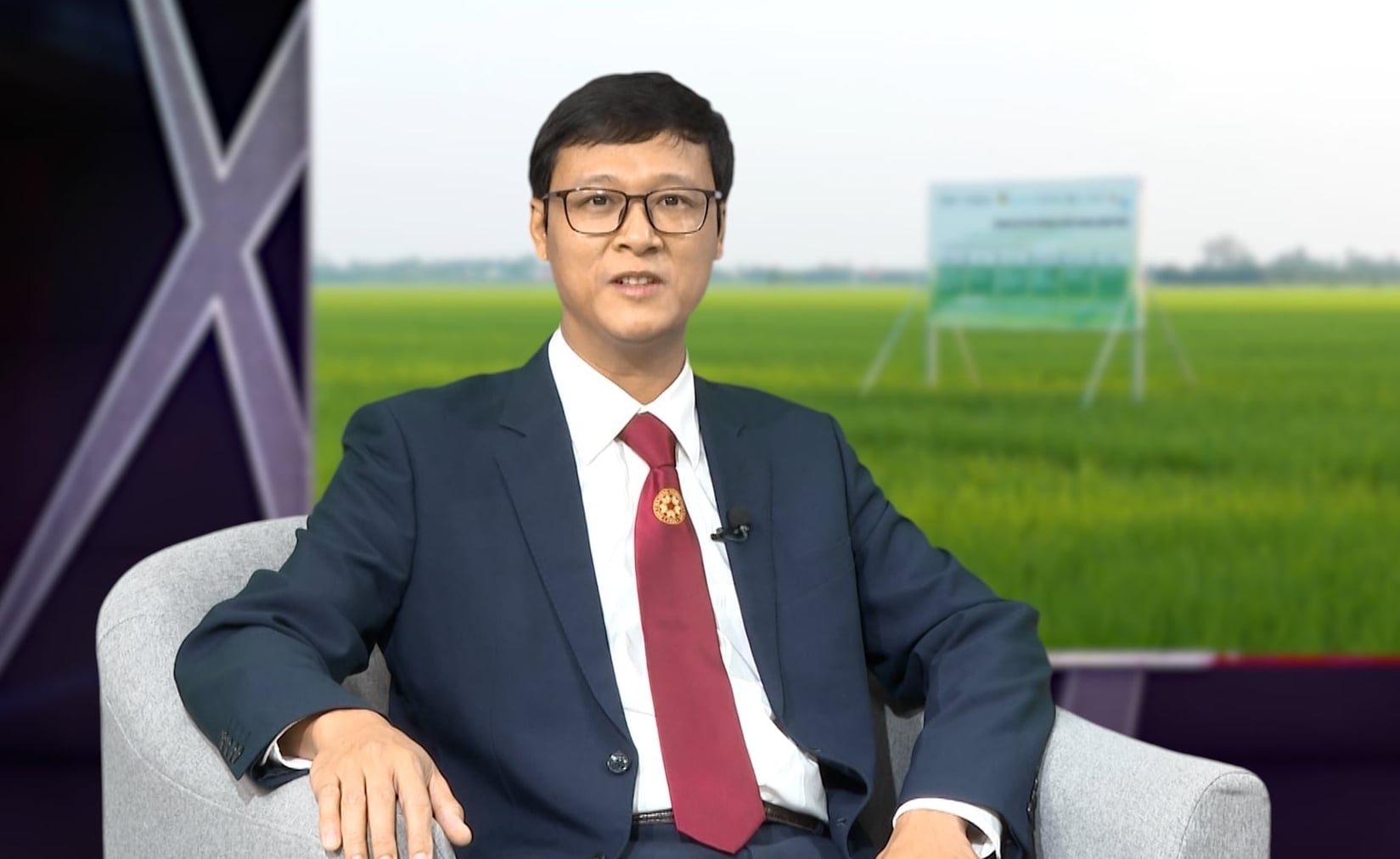
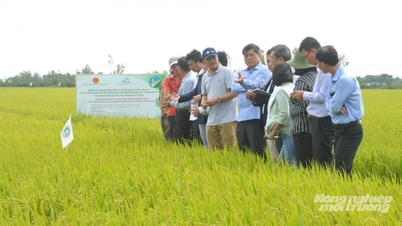
Dr. Vu Duy Hoang, Deputy Director of the Organic Agriculture Center, Faculty of Agronomy, Vietnam Academy of Agriculture, shared that for farmers to proactively switch to growing low-emission rice, it requires a combination of technology, market, and production mindset. Photo: Duy Hoc .
By 2025, the whole country had established 11 pilot models, laying the groundwork for wider implementation. Participating farmers were required to change traditional production habits, keep complete field diaries, attend technical training courses, strictly adhere to cultivation procedures, and absolutely refrain from burning straw after harvest.
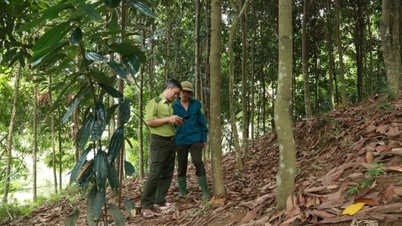
Beyond theoretical training, technical staff go directly to the fields with farmers every week to monitor the rice plant's growth, provide timely guidance on pest control, adjust fertilizer and irrigation levels, and update farmers on support policies. As a result, farmers are gradually mastering the techniques, reducing input costs, increasing production efficiency, and minimizing environmental impact.
Simultaneously, sustainable rice farming models were launched in 2023 to directly support the project of cultivating 1 million hectares of low-emission rice in the Mekong Delta.
To date, more than 4,500 farmers have received advanced farming technology. Practical production has proven that rice yields and quality have improved significantly, resource efficiency has increased, and emissions have been controlled. From the foundation of green transformation, technology is the tool, and the market is the driving force encouraging farmers to commit to low-emission rice production in the long term.
Based on these initial positive results, the models continue to be replicated, contributing to enhancing the capacity of farmers and gradually realizing the goal of sustainable agricultural development linked to the national green growth strategy.
Dr. Vu Duy Hoang, Deputy Director of the Organic Agriculture Center, Faculty of Agronomy, Vietnam Academy of Agriculture, said that for farmers to proactively switch to low-emission rice cultivation, no single factor is sufficient to create change; it must be a combination of technology, market, and production mindset. But if I had to choose the decisive factor, I believe that changing mindsets is still the most important.
Because when farmers understand the benefits, seeing that measures such as alternating wet and dry irrigation, straw management, and rational fertilization help reduce costs, save water, increase efficiency, and protect the environment, they will proactively adopt new techniques in reducing emissions and responding to climate change. This is a shared responsibility of the whole society, not just one person.
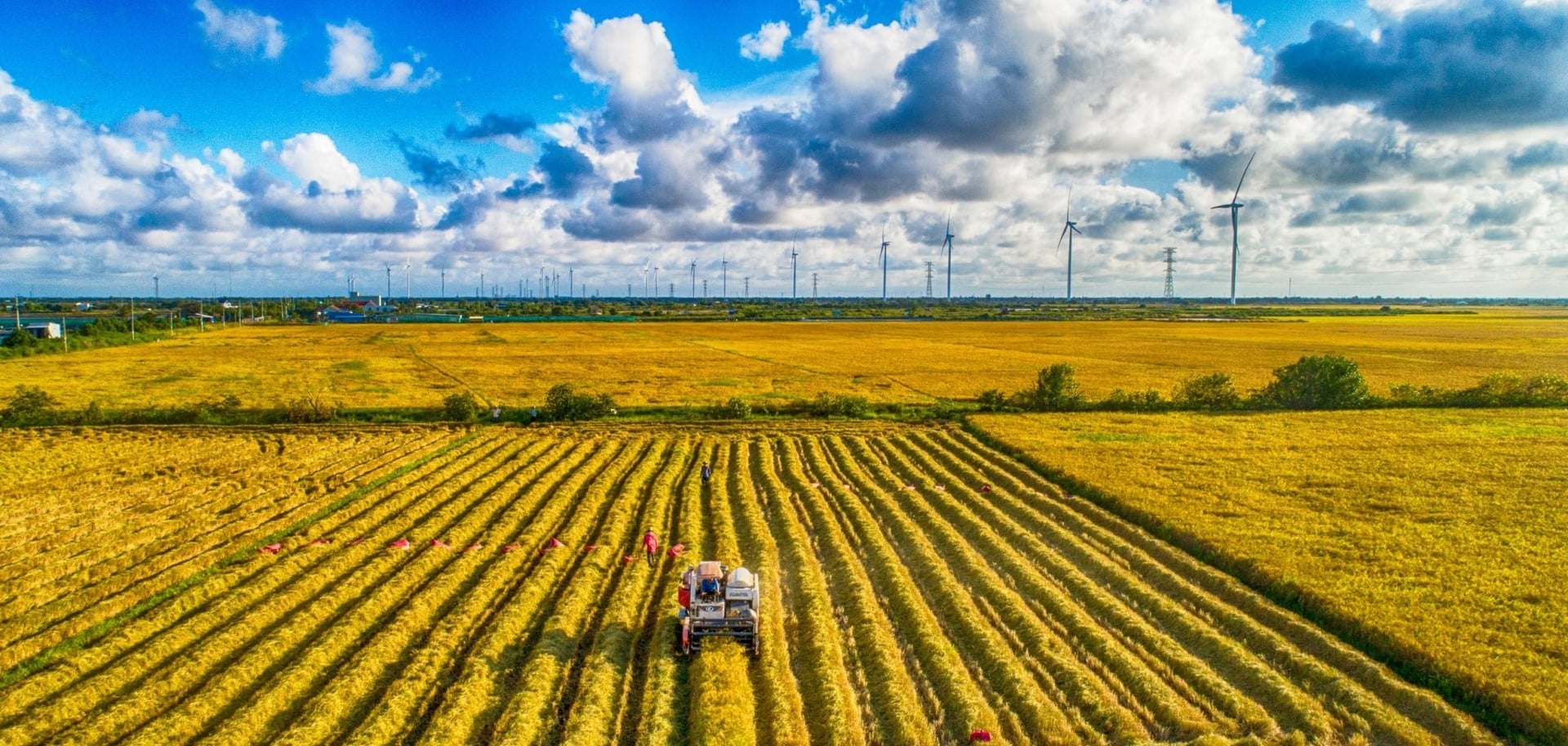
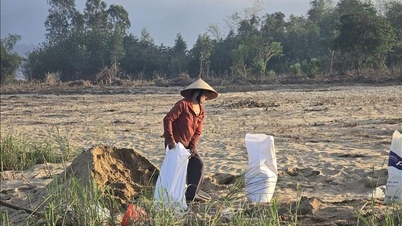
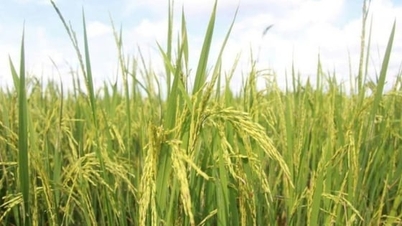
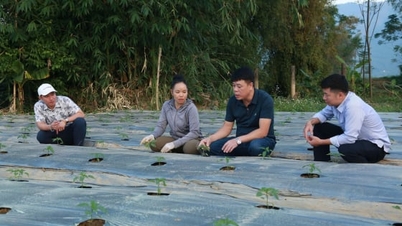
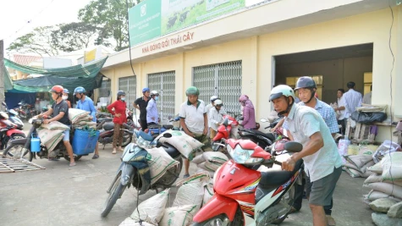
Low-emission rice farming is gradually transforming from a policy into action, specifically in the fields. Photo: Hong Tham .
However, for this shift in mindset to translate into practical action, two supporting conditions are necessary. First, the techniques must be simple, easy to apply, and suitable for the specific farmland conditions of each locality.
Secondly, the market and businesses must work together, creating value chains, consumption mechanisms, and financial incentives. For example, should low-emission rice fetch a higher price? Could carbon credits become an additional source of income for farmers?
"In short, mindset is the foundation of transformation, technology is the tool, and the market is the driving force for farmers to sustainably commit to the low-emission rice farming model," Mr. Hoang emphasized.
From these initial results, it is clear that a path to low-emission rice production is gradually taking shape, where innovative thinking from farmers, appropriate techniques, and a supportive market will together create the foundation for a green, sustainable rice industry that is adaptable to climate change in the long term.
Source: https://nongnghiepmoitruong.vn/de-nguoi-nong-dan-chu-dong-chuyen-sang-trong-lua-phat-thai-thap-d789737.html


![[Image] Central Party Office summarizes work in 2025](/_next/image?url=https%3A%2F%2Fvphoto.vietnam.vn%2Fthumb%2F1200x675%2Fvietnam%2Fresource%2FIMAGE%2F2025%2F12%2F18%2F1766065572073_vptw-hoi-nghi-tong-ket-89-1204-jpg.webp&w=3840&q=75)














































Comment (0)