

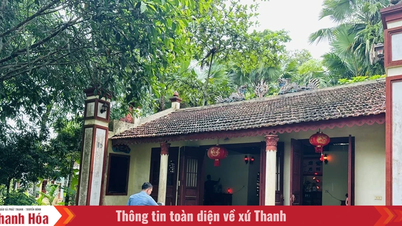
According to the books Đại Nam nhất thống chí and Hưng Hóa phong thổ lục, Tuần Quán Temple dates back to the Trần Dynasty. Initially, the temple was dedicated to Lady Diệp, who had rendered meritorious service in "protecting the nation and its people," and was revered by the people as a Saint of Grace. Therefore, the temple was then called Vệ Quốc Temple (Temple of National Protection). During the Lê Dynasty (early 15th century), Mother Liễu Hạnh descended to earth at the temple, assisting officials and the people in building and protecting the country. In recognition of her merits, King Lê Hiển Tông bestowed upon her the title "Đức Chúa Quốc Mẫu Hoàng Ân Phương Dung" (Hoang An Phuong Dung, the Queen Mother of the Nation). From then on, the temple was also dedicated to Saint Mother Liễu Hạnh and renamed "Quốc Mẫu Thánh Ân Bách Lẫm Temple" (Temple of the National Mother of Grace Bách Lẫm). Due to its location near Quán Tuần – where a patrol station and tax collection point used in the past – over time, the people became accustomed to calling it Tuần Quán Temple, a name that has been passed down and used to this day.
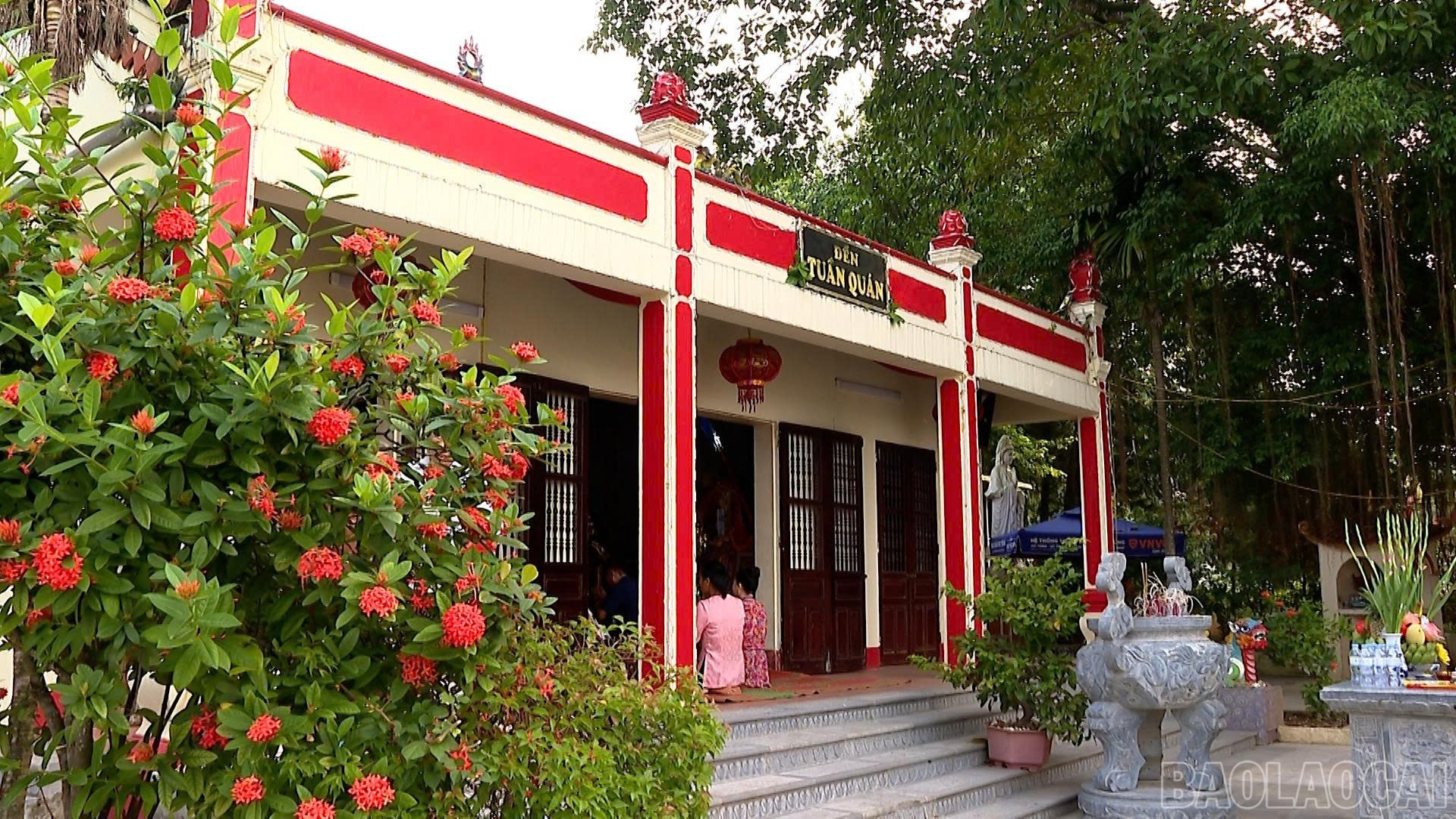
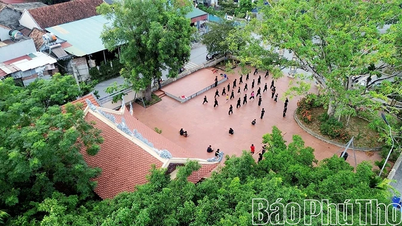
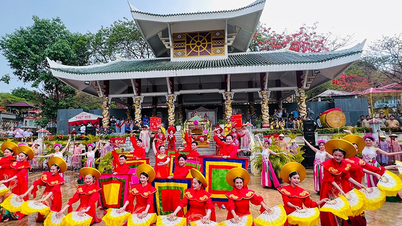
For a long time, Tuan Quan Temple has been a familiar spiritual destination for locals and tourists from all over. Every spring, or on the first and fifteenth days of each lunar month, crowds of people flock to the temple in a solemn and respectful atmosphere.
Ms. Nguyen Thi Quy, residing in Group 18, Yen Bai Ward, shared: “Every month, on the first or fifteenth day of the lunar month, I go to the temple to pray. Going to the temple makes me feel relieved and my life more peaceful. I only pray for everyone's health, favorable weather, and prosperity for the people.”
For hundreds of years, Tuan Quan Temple has not only been a place of worship and prayer for peace and prosperity for the people and tourists from all over, but also a historical witness to countless changes in the times. According to the historical records, on the afternoon of February 9, 1930, patriotic intellectuals of the Vietnam National Party, belonging to the Xuan Lung branch (Phu Tho province), disguised themselves as pilgrims, carrying weapons and mingling with the crowds of worshippers at Tuan Quan Temple to plan the Yen Bai Uprising. Just one day later, at exactly 10 pm on February 10, 1930, the gunfire of the uprising rang out, beginning a glorious chapter in the history of the Vietnamese revolutionary movement. Ten years later, in 1940, Comrade Hoang Van Thu - a member of the Central Committee of the Party, along with Comrade Bui Duc Minh, stayed at the temple before going to China to meet President Ho Chi Minh .
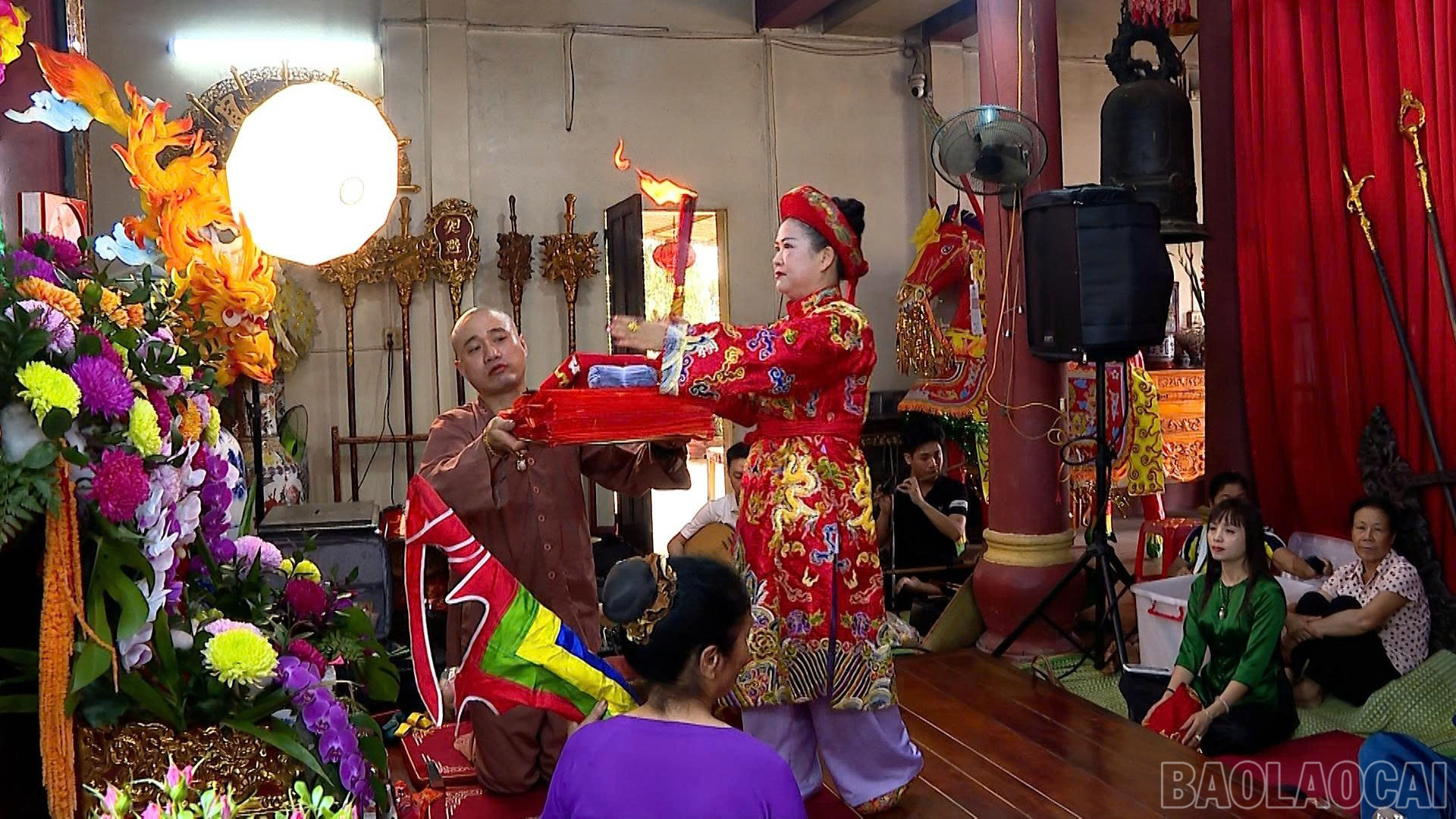
After the August Revolution, this place became a communication point, disseminating the good news about the birth of the Democratic Republic of Vietnam, and also a fundraising location during the "Golden Week" to support the resistance. In 1946, the temple was the gathering place for many units of the National Guard of Military Zone I before attacking the Viet Quoc reactionary forces and completely liberating the provincial capital of Yen Bai. During the resistance war against the French (1947-1954), the temple area was an important military defense line protecting Yen Bai town. Every trace, every story associated with the temple is vivid evidence of the patriotism, indomitable will, and faith of the people of the Red River region in justice and goodness.
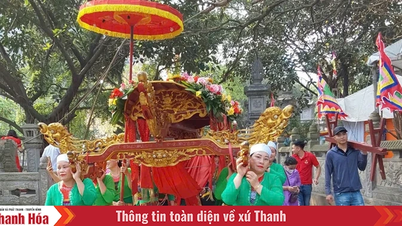
More than just a place of spiritual belief, Tuan Quan Temple is also a space for community bonding. During the Mother Goddess commemoration in the third lunar month and the Father's commemoration on the 20th of August (lunar calendar), the temple always welcomes a large number of locals and tourists who come to admire the scenery and pay their respects. Although this year, due to flooding, the ceremonial rituals could not be held as usual, according to Ms. Nguyen Thi Le Thu - Head of the Relic Management Team, the ceremonies were still maintained within the temple grounds, demonstrating reverence and the continuation of the local spiritual and cultural traditions.
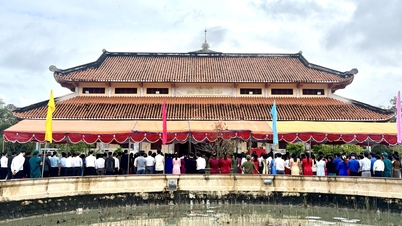
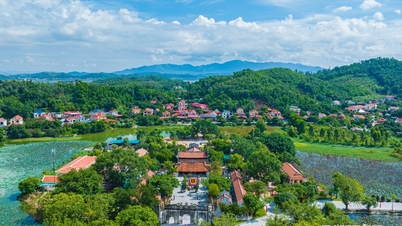
Over time, wars and the vicissitudes of history caused the temple to suffer severe damage. In 1998, with the attention of the State and the people, the temple was restored and renovated on its original site, with a spacious area of 1,660 m². In 2005, Tuan Quan Temple was officially classified as a provincial-level historical and cultural relic, becoming a source of pride for the people of Yen Bai.
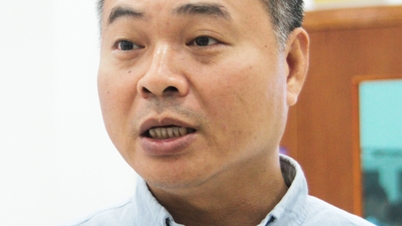
Mr. Nguyen Minh Tho, Head of the Relic Management Team, said: "Thanks to the attention of all levels and sectors and the charitable contributions of the people, the temple has been upgraded and renovated many times. To date, the facilities and worship space adequately meet the religious needs of the people and tourists."
Today, amidst the hustle and bustle of modern life, Tuan Quan Temple still retains its sacred and serene atmosphere, a place where people in the Red River Delta region entrust their faith, reverence, and pride in the cultural and historical roots of their homeland.
Source: https://baolaocai.vn/den-tuan-quan-noi-gui-gam-niem-tin-and-long-thanh-kinh-post884969.html
![[Image] Leaked images ahead of the 2025 Community Action Awards gala.](/_next/image?url=https%3A%2F%2Fvphoto.vietnam.vn%2Fthumb%2F1200x675%2Fvietnam%2Fresource%2FIMAGE%2F2025%2F12%2F16%2F1765882828720_ndo_br_thiet-ke-chua-co-ten-45-png.webp&w=3840&q=75)


![[Photo] Prime Minister Pham Minh Chinh receives Lao Minister of Education and Sports Thongsalith Mangnormek](/_next/image?url=https%3A%2F%2Fvphoto.vietnam.vn%2Fthumb%2F1200x675%2Fvietnam%2Fresource%2FIMAGE%2F2025%2F12%2F16%2F1765876834721_dsc-7519-jpg.webp&w=3840&q=75)





















































Comment (0)