

In the early days of winter, temperatures in many highland communes dropped significantly, sometimes falling below 10°C. Thick frost appeared in the early morning, directly affecting agricultural production. In Ban Ho commune, the local authorities actively disseminated information and guided people to protect livestock shelters, stockpile feed, and bring livestock into enclosed areas.
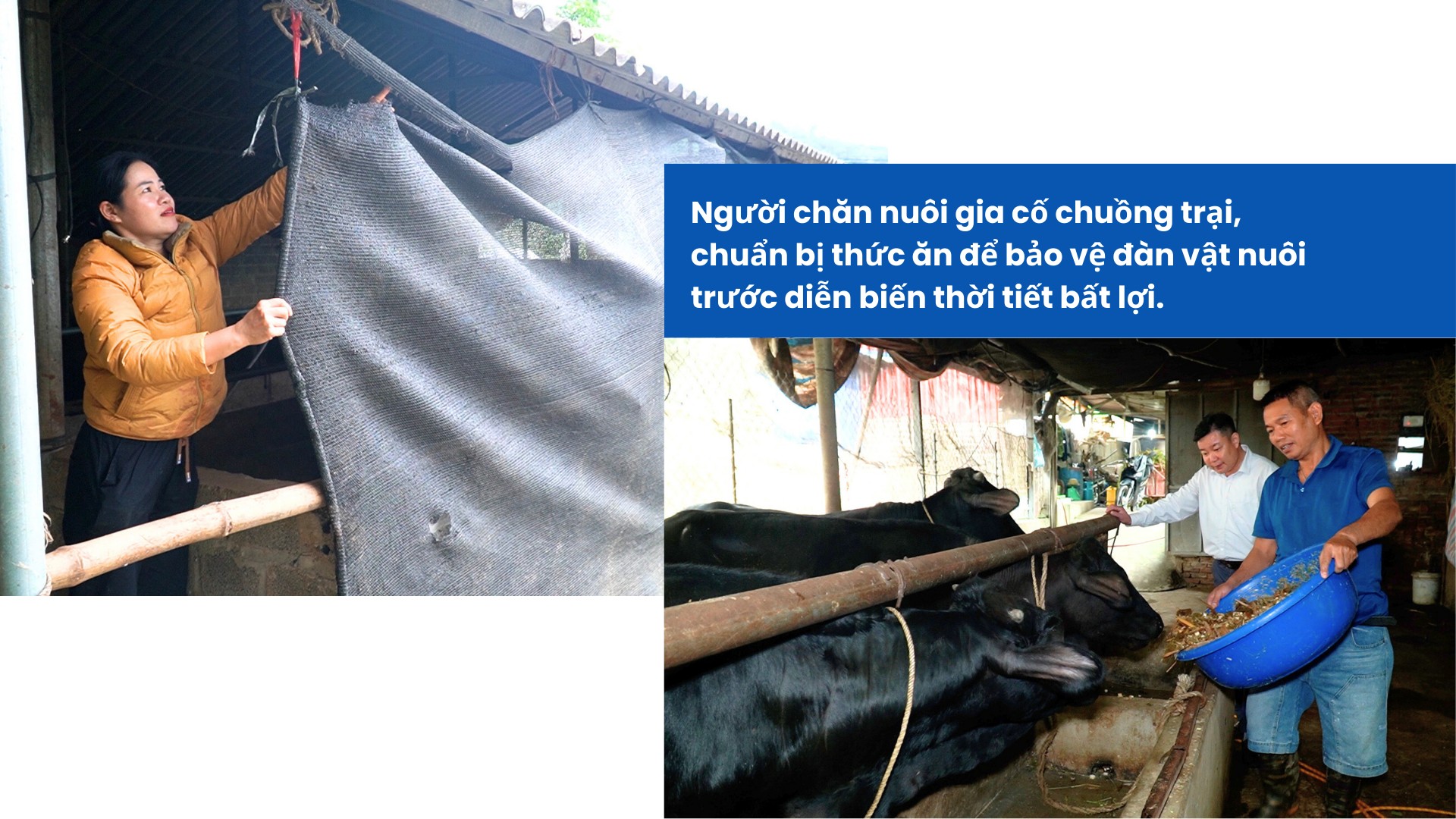
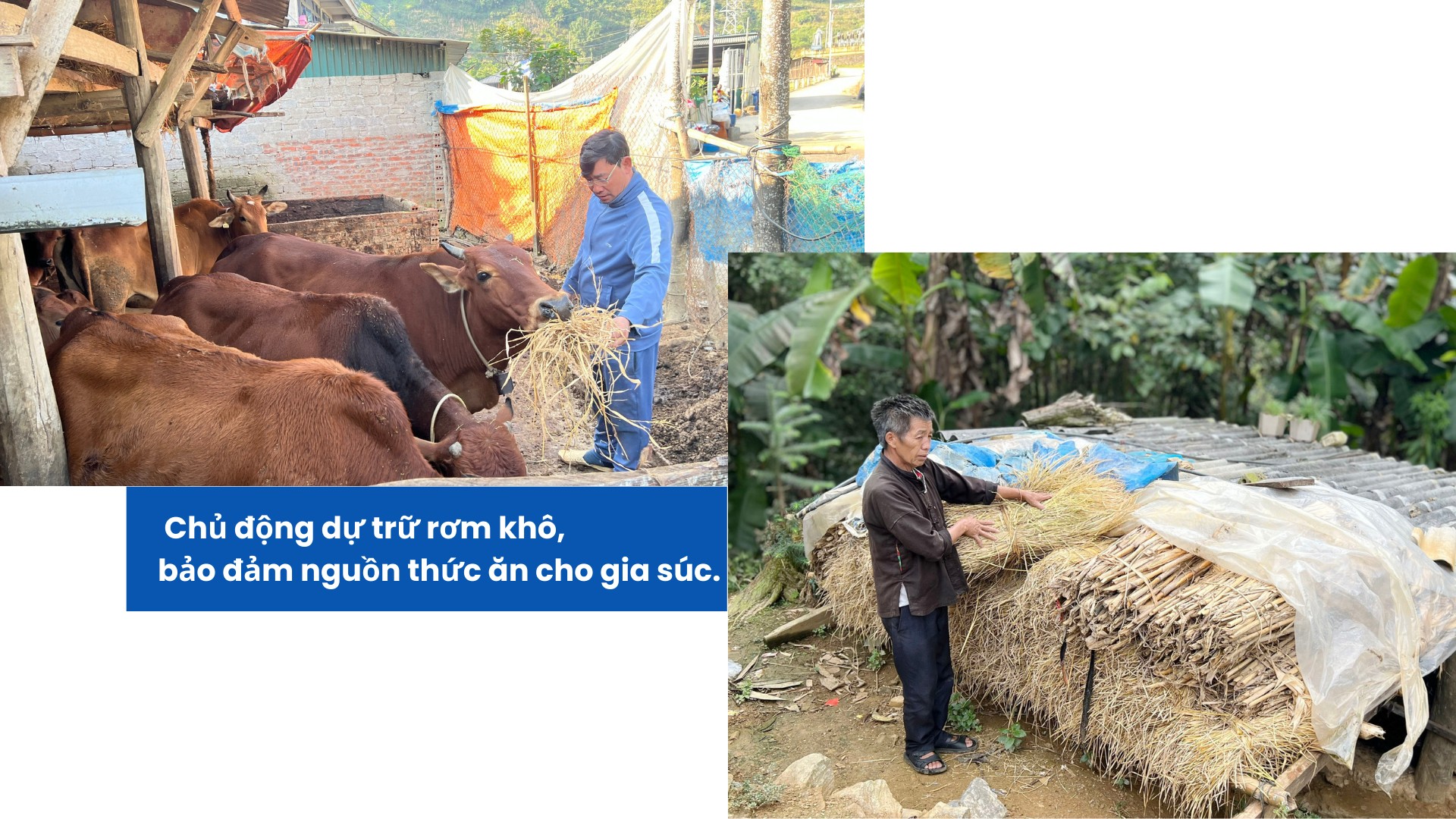
The family of Mr. Lo A Vuong, in Ban Den village, currently raises more than 10 cows using a semi-intensive grazing method. Preparing for winter, Mr. Vuong stockpiles straw, plants more grass, and supplements the herd with corn kernels to ensure a sufficient food supply. Because the weather in Ban Ho is often very cold at night and frosty in the early morning, the family limits grazing, mainly keeping the cows indoors to prevent them from catching a cold.
In Hoang Lien village, Mr. Dao Van Hung, with 15 years of experience raising buffalo and cattle, has completely switched to raising livestock in confinement to ensure greater safety and efficiency. Mr. Hung shared: “Due to the sloping terrain, if left to roam freely, buffalo and cattle are prone to slipping and falling. Furthermore, in winter there is often a shortage of grass, so letting them out would make them thin. In contrast, keeping them in confinement provides protection from the cold wind and allows them to receive a supplement of concentrated feed.”
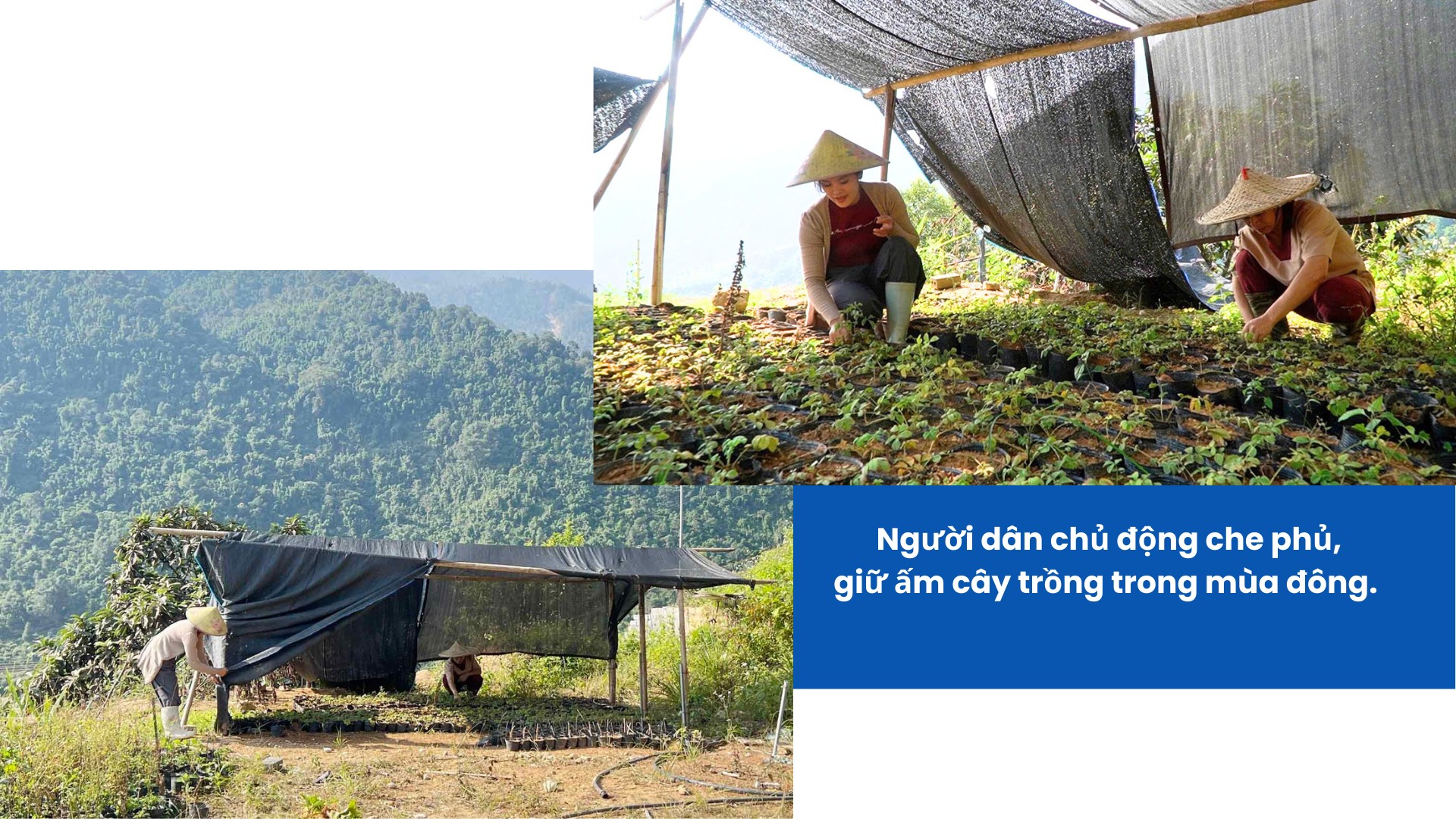
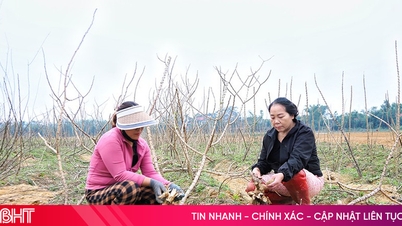
The agricultural sector also faces the problem of frost causing leaf burn, directly affecting plant growth. At Tam Binh An Tourism and Medicinal Herb Cooperative in Ban Ho commune, more than 1 hectare of medicinal plants are carefully cared for, using black netting and nylon tarpaulins to minimize the impact of frost. Ms. Nguyen Thi Thuy, Director of Tam Binh An Tourism and Medicinal Herb Cooperative, said: “In winter, when there is frost, we cover the plants with netting and tarpaulins to prevent leaf burn. Around 7-8 am, we lift the tarpaulins and water the plants to melt the frost, helping them avoid thermal shock.”
Ban Ho commune currently has nearly 3,000 head of livestock and over 10 hectares of medicinal plants and winter vegetables. To protect the livestock during the cold weather, the commune has directed villages to intensify propaganda and mobilize people to repair barns, stockpile sufficient feed, not let livestock roam freely, and expand the area of grass cultivation for livestock. For crops, people are instructed to cover them with plastic sheeting, water them to dissipate dew in the morning, and prioritize using cold-tolerant plant varieties to minimize damage caused by frost and severe cold.
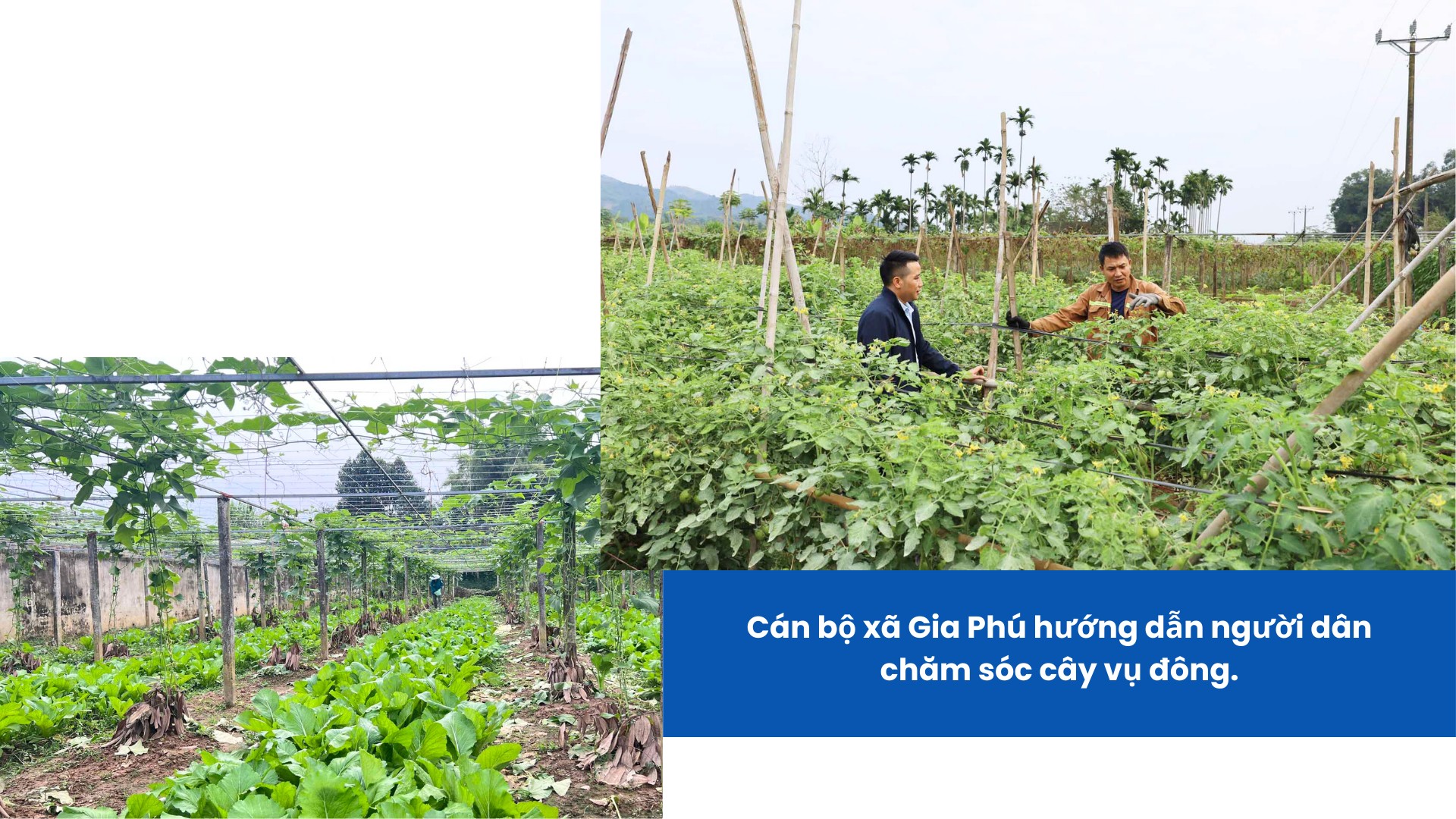
In the vegetable-growing area of Gia Phu commune, many households are proactively caring for, fertilizing, and supporting their tomato and chayote crops to ensure their growth in cold weather. The family of Mr. Tran Van Bac, in Thai Bo village, has 15 sao (approximately 1.5 hectares) of land planted with winter vegetables. On days when frost appears, the family has to increase watering to melt the frost, cover the roots, and provide more careful care to minimize damage.
Mr. Bac shared: “Crops are very sensitive during the winter, especially when there is frost. If we don't monitor them regularly, just one cold night can ruin the crop. Therefore, my family has to be meticulous in every step. Good care ensures the plants grow and yield a harvest on time.”
To proactively prevent and combat hunger and cold for livestock and crops during the 2025-2026 winter-spring season, especially during periods of severe cold, the Department of Agriculture and Environment requests that the People's Committees of communes and wards strengthen propaganda and guidance for people to implement comprehensive measures to protect production. This includes focusing on repairing livestock shelters, keeping livestock warm, proactively stockpiling green fodder and concentrated feed, and absolutely prohibiting the free-range release of buffalo and cattle during periods of severe cold (temperatures below 12°C).
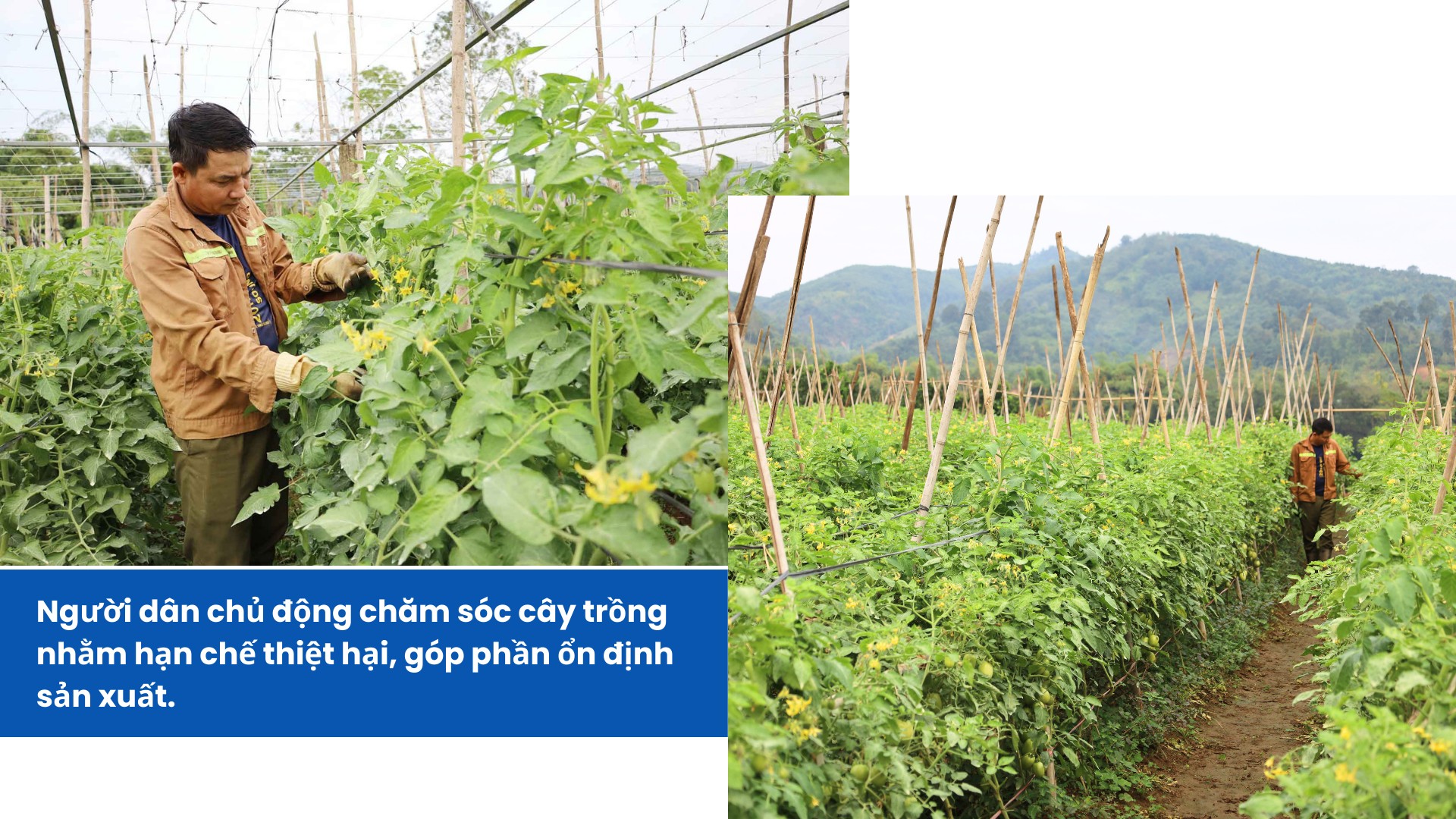
In addition, the agricultural sector advises livestock farmers to closely monitor weather forecasts, implement confinement measures during severe cold spells, supplement nutrition and provide warm drinking water for animals, and ensure full vaccination to enhance their resistance. Strict quarantine measures, transportation control, and disease surveillance are also necessary to limit the outbreak and spread of diseases.
For crops, local authorities instruct people to cover them with plastic sheeting, mulch the roots, and water adequately, avoiding sowing seedlings and planting vegetables during days when temperatures drop low. Areas with perennial crops and fruit trees need to have their roots mulched, kept warm, and closely monitored for frost and ice to take timely countermeasures.

Performed by: Khanh Ly
Source: https://baolaocai.vn/chu-dong-bao-ve-cay-trong-vat-nuoi-trong-nhung-ngay-ret-hai-post889029.html
![[Photo] Prime Minister Pham Minh Chinh receives the Governor of Tochigi Province (Japan)](/_next/image?url=https%3A%2F%2Fvphoto.vietnam.vn%2Fthumb%2F1200x675%2Fvietnam%2Fresource%2FIMAGE%2F2025%2F12%2F16%2F1765892133176_dsc-8082-6425-jpg.webp&w=3840&q=75)

![[Image] Leaked images ahead of the 2025 Community Action Awards gala.](/_next/image?url=https%3A%2F%2Fvphoto.vietnam.vn%2Fthumb%2F1200x675%2Fvietnam%2Fresource%2FIMAGE%2F2025%2F12%2F16%2F1765882828720_ndo_br_thiet-ke-chua-co-ten-45-png.webp&w=3840&q=75)
![[Photo] Prime Minister Pham Minh Chinh receives Lao Minister of Education and Sports Thongsalith Mangnormek](/_next/image?url=https%3A%2F%2Fvphoto.vietnam.vn%2Fthumb%2F1200x675%2Fvietnam%2Fresource%2FIMAGE%2F2025%2F12%2F16%2F1765876834721_dsc-7519-jpg.webp&w=3840&q=75)
![[Live] 2025 Community Action Awards Gala](/_next/image?url=https%3A%2F%2Fvphoto.vietnam.vn%2Fthumb%2F1200x675%2Fvietnam%2Fresource%2FIMAGE%2F2025%2F12%2F16%2F1765899631650_ndo_tr_z7334013144784-9f9fe10a6d63584c85aff40f2957c250-jpg.webp&w=3840&q=75)









































![[Photo] Prime Minister Pham Minh Chinh attends the Vietnam Economic Forum 2025](https://vphoto.vietnam.vn/thumb/402x226/vietnam/resource/IMAGE/2025/12/16/1765893035503_ndo_br_dsc-8043-jpg.webp)
























Comment (0)