

The race to Net Zero - a difficult problem, but one that can be solved.
Recently, within the framework of the workshop "Towards Net-Zero: Strategies and Solutions for Reducing Greenhouse Gas Emissions in the Food Industry" at the Vietfood & Beverage - Propack Vietnam 2024 exhibition, many solutions and practical experiences were presented by businesses in the food and beverage sector. This is especially relevant given the increasing demands for Net-Zero and sustainability standards.
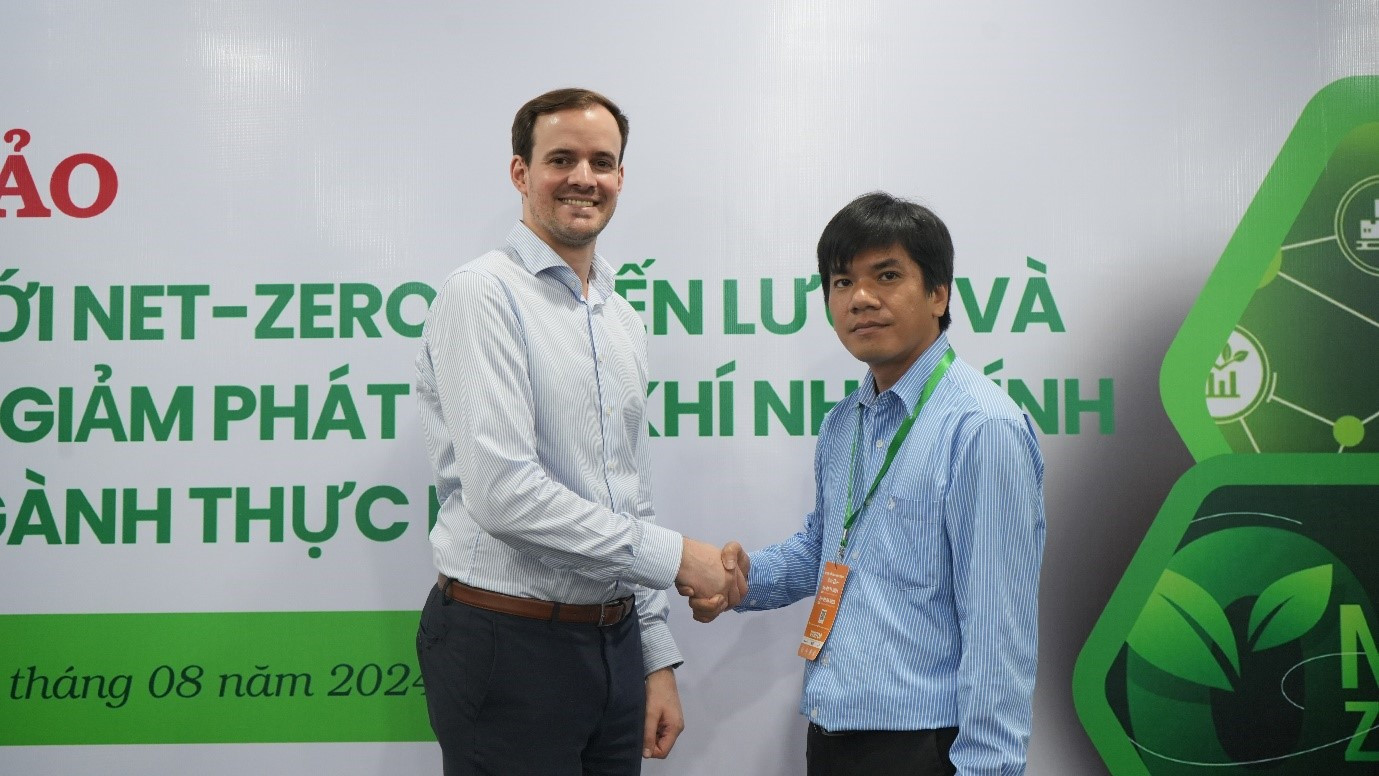
GEA, one of the world's leading suppliers of technology systems (machinery, processing and filling plants, etc.) for the food, beverage, and pharmaceutical industries, shared its emission reduction solutions. GEA particularly emphasized aseptic filling technology. This technology plays a strategic role in contributing to the supplier's sustainable development goals and achieving Net Zero by 2040, while also providing sustainable development solutions for many of GEA's major partners worldwide, including Vietnam.
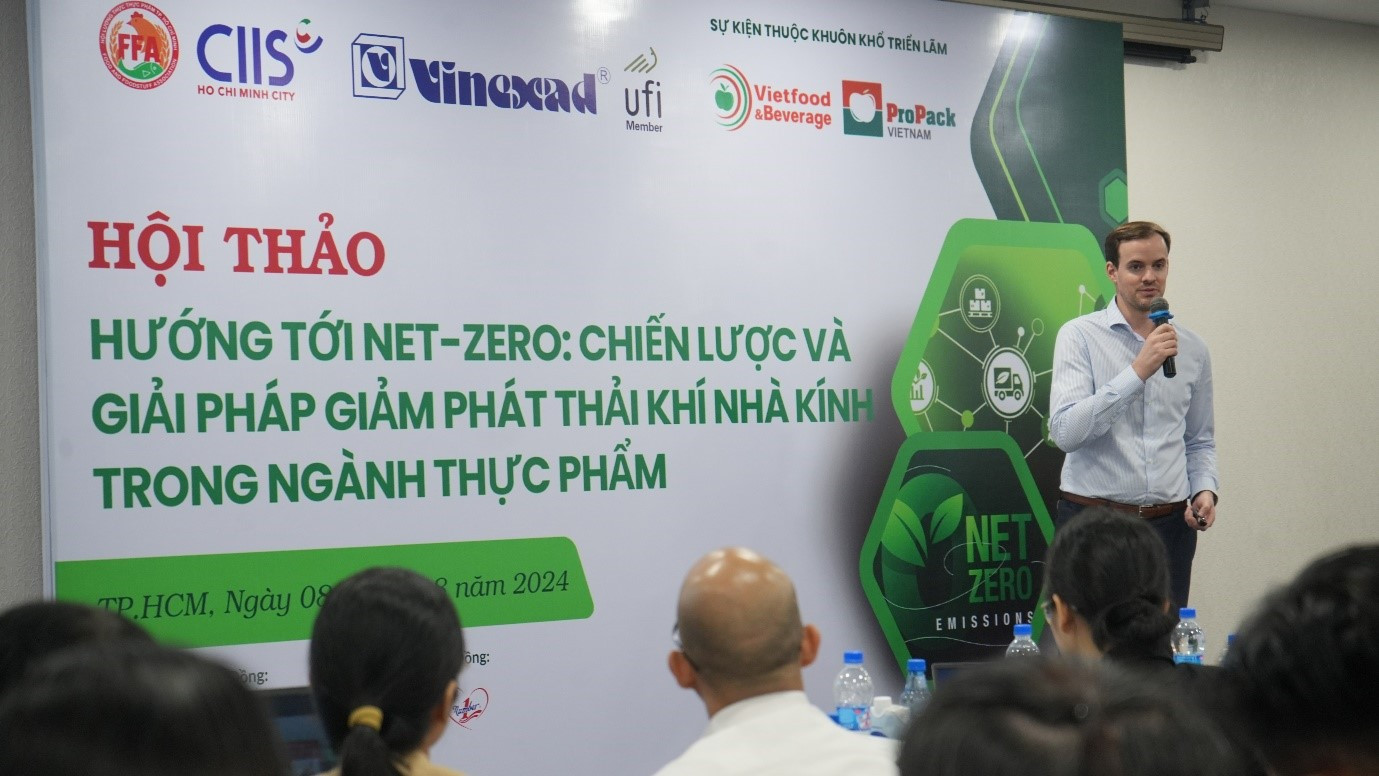
GEA representatives presented specific solutions such as: reducing scope 3 greenhouse gas emissions by 27.5% by 2030; 100% of the proposed solutions will be linked to eliminating the use of freshwater by 2030; 100% of packaging-related solutions will utilize sustainable packaging materials by 2030; and 100% of materials used to package machinery or spare parts will meet one of the five R's of the circular economy (reduce, reuse, repair, remanufacture, recycle) by 2026.
As an indispensable step in any beverage production process, aseptic filling technology (sterile at room temperature) is being applied in the beverage industry today to minimize environmental impact.
Aseptic technology encompasses a complex series of closely interconnected processes (from processing, mixing, UHT (Ultra High Temperature) sterilization, filling, and capping) to produce a finished product. This process is carried out in a closed, sterile system. Both the bottles and caps must also be sterilized. Aseptic filling systems are capable of recovering the sterilizing solution for bottles and caps (Peracetic Acid - PAA), recovering sterile water, in addition to low energy consumption.
According to GEA representatives, the aseptic filling solution offers numerous benefits in the journey towards achieving the Net Zero goal. The new aseptic water rinsing system in GEA ECOSpin has received the GEA Add Better label, significantly reducing water consumption thanks to a new nozzle design that saves up to 91% compared to previous versions. Furthermore, this system can be integrated to upgrade older equipment, achieving water savings of up to 83%.
With this aseptic filling technology, the product sterilization system (UHT) uses heat exchange technology that has less impact on the environment, saving up to 90% energy (whereas hot filling saves 60% energy).
Furthermore, aseptic technology helps minimize the amount of plastic used compared to other technologies such as hot filling. With the cooperation of GEA, each bottled product under the Tan Hiep Phat brand has reduced the bottle weight by 50%, to only 13.5 grams. This helps reduce CO2 greenhouse gas emissions by the equivalent of 20% per bottle.
Tan Hiep Phat and its efforts to achieve Net Zero.
In Vietnam, GEA has partnered with Tan Hiep Phat to develop 10 high-speed filling lines at Tan Hiep Phat's factories across the country. These are also the earliest PET sterile filling lines in Vietnam to be FDA-approved for low-acid products.
The collaboration between the two businesses helps deliver beverage products with high nutritional value, while maintaining their natural, pure color and flavor without preservatives. Furthermore, this technology helps businesses reduce plastic usage in production by decreasing bottle weight. The company can also reduce waste during production and decrease electricity and water consumption.
In the future, GEA will collaborate with Tan Hiep Phat on several projects based on GEA ECOSpin2 ZERO aseptic filling technology and GEA Modulbloc technology. Accordingly, GEA and Tan Hiep Phat aim to focus on developing equipment to achieve the “GEA Add Better” label (a label ensuring better sustainable practices). The main goal remains to minimize plastic waste as much as possible. Aseptic filling technology will also ensure reduced plastic waste, enhanced sensory flavor, and extended product shelf life, helping to reach more consumers in the market in a more sustainable way.
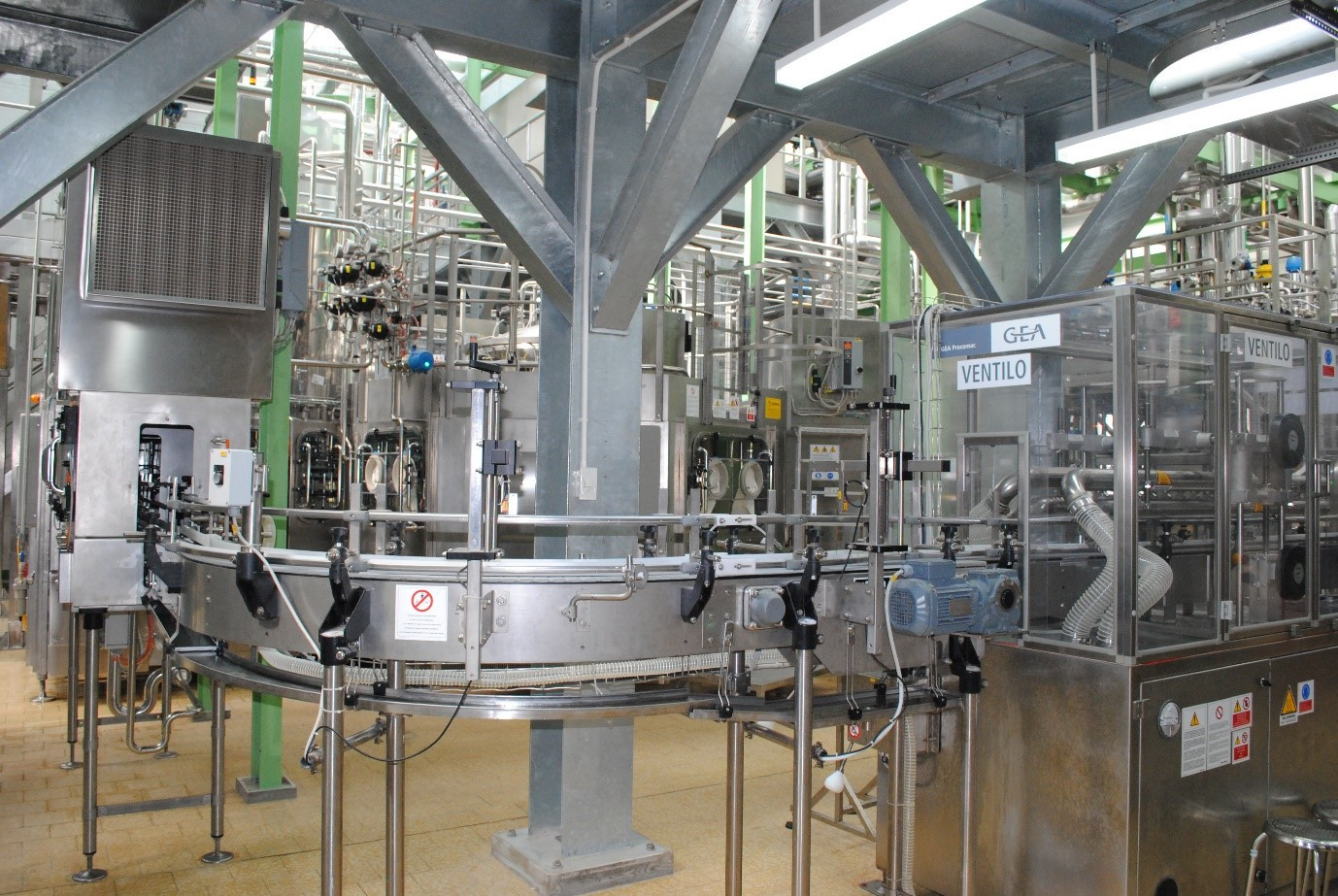
In addition, GEA has also made many technological innovations for other equipment in the production line, such as bottle blowing machines: besides the current bottle blowing technology, GEA has added aseptic bottle blowing technology. This is also a way to minimize plastic waste while saving water and energy quite significantly. These factors will play a significant role in the Net Zero plan by 2030.
Hong Nhung
Source: https://vietnamnet.vn/doanh-nghiep-do-uong-tim-huong-di-tren-lo-trinh-tien-toi-net-zero-2317203.html
![[Live] 2025 Community Action Awards Gala](/_next/image?url=https%3A%2F%2Fvphoto.vietnam.vn%2Fthumb%2F1200x675%2Fvietnam%2Fresource%2FIMAGE%2F2025%2F12%2F16%2F1765899631650_ndo_tr_z7334013144784-9f9fe10a6d63584c85aff40f2957c250-jpg.webp&w=3840&q=75)
![[Photo] Prime Minister Pham Minh Chinh receives the Governor of Tochigi Province (Japan)](/_next/image?url=https%3A%2F%2Fvphoto.vietnam.vn%2Fthumb%2F1200x675%2Fvietnam%2Fresource%2FIMAGE%2F2025%2F12%2F16%2F1765892133176_dsc-8082-6425-jpg.webp&w=3840&q=75)
![[Image] The tenacious fighting spirit of Vietnamese women's football](/_next/image?url=https%3A%2F%2Fvphoto.vietnam.vn%2Fthumb%2F1200x675%2Fvietnam%2Fresource%2FIMAGE%2F2025%2F12%2F17%2F1765990260956_ndo_br_4224760955870434771-copy-jpg.webp&w=3840&q=75)
![[Photo] Prime Minister Pham Minh Chinh receives Lao Minister of Education and Sports Thongsalith Mangnormek](/_next/image?url=https%3A%2F%2Fvphoto.vietnam.vn%2Fthumb%2F1200x675%2Fvietnam%2Fresource%2FIMAGE%2F2025%2F12%2F16%2F1765876834721_dsc-7519-jpg.webp&w=3840&q=75)

![[Image] Leaked images ahead of the 2025 Community Action Awards gala.](/_next/image?url=https%3A%2F%2Fvphoto.vietnam.vn%2Fthumb%2F1200x675%2Fvietnam%2Fresource%2FIMAGE%2F2025%2F12%2F16%2F1765882828720_ndo_br_thiet-ke-chua-co-ten-45-png.webp&w=3840&q=75)














































![[Live] Closing Ceremony and Award Presentation for the "Impressive Vietnam Tourism" Video/Clip Creation Contest 2025](https://vphoto.vietnam.vn/thumb/402x226/vietnam/resource/IMAGE/2025/12/17/1765974650260_z7273498850699-00d2fd6b0972cb39494cfa2559bf85ac-1765959338756946072104-627-0-1338-1138-crop-1765959347256801551121.jpeg)















Comment (0)