

Gion Street – The heart of ancient Kyoto
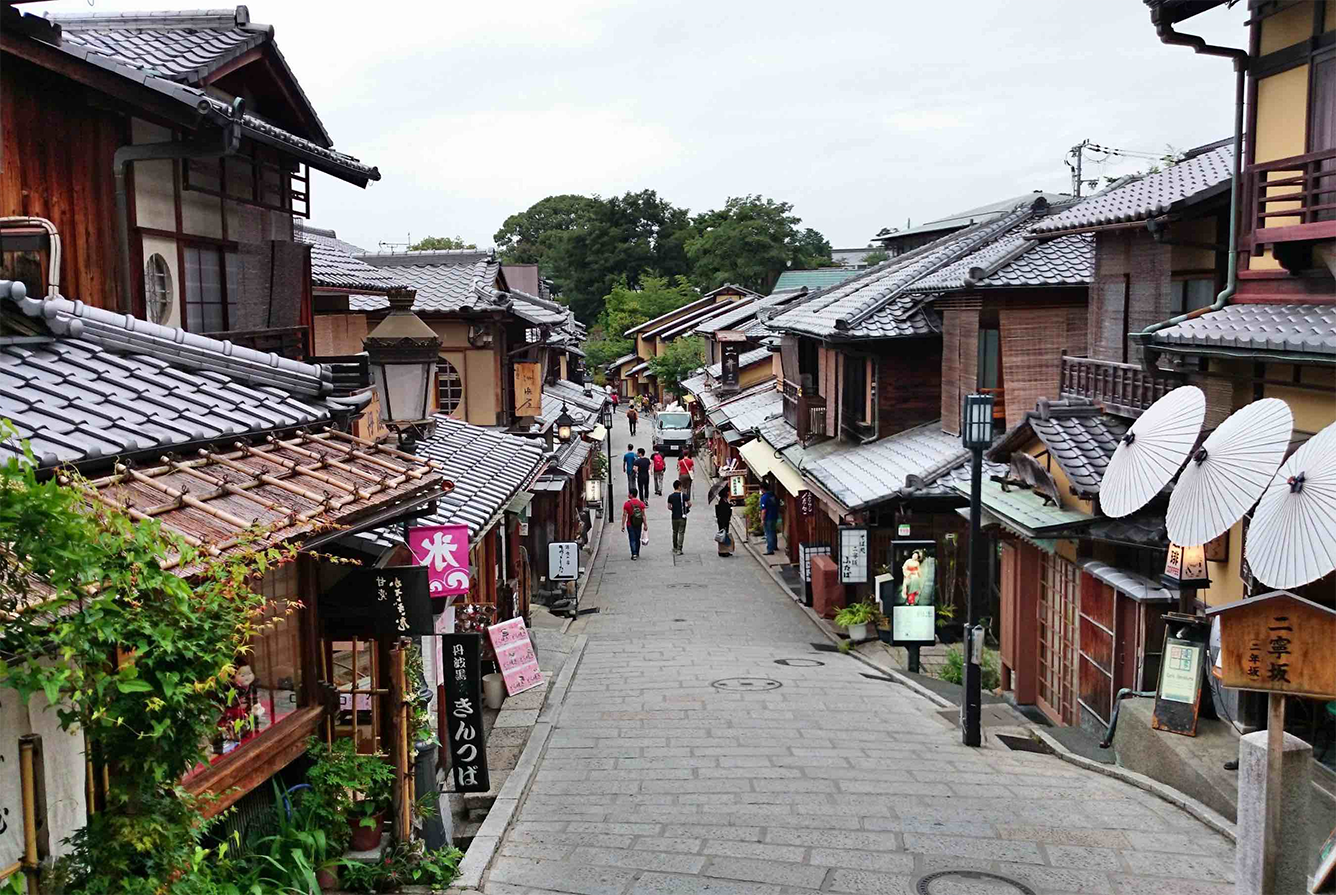
The original beauty of Kyoto's Gion district with its ancient wooden houses, red lanterns, and cobblestone streets. (Photo: Collected)
Located in eastern Kyoto , Gion Street is one of the oldest ancient districts, retaining almost intact its traditional wooden architecture, red lanterns, and small tea houses hidden behind noren curtains. Once a high-class entertainment area catering to the nobility and merchants, it remains a stage for Maiko and Geisha – artists who preserve Japan 's long-standing traditional arts .
It is this nostalgic atmosphere that makes Gion the ideal place to experience wearing a yukata. When you put on this traditional attire, each step seems to merge with history, whispering among the curved roofs and red lanterns swaying in the evening breeze.
What is a yukata? How is it different from a kimono?
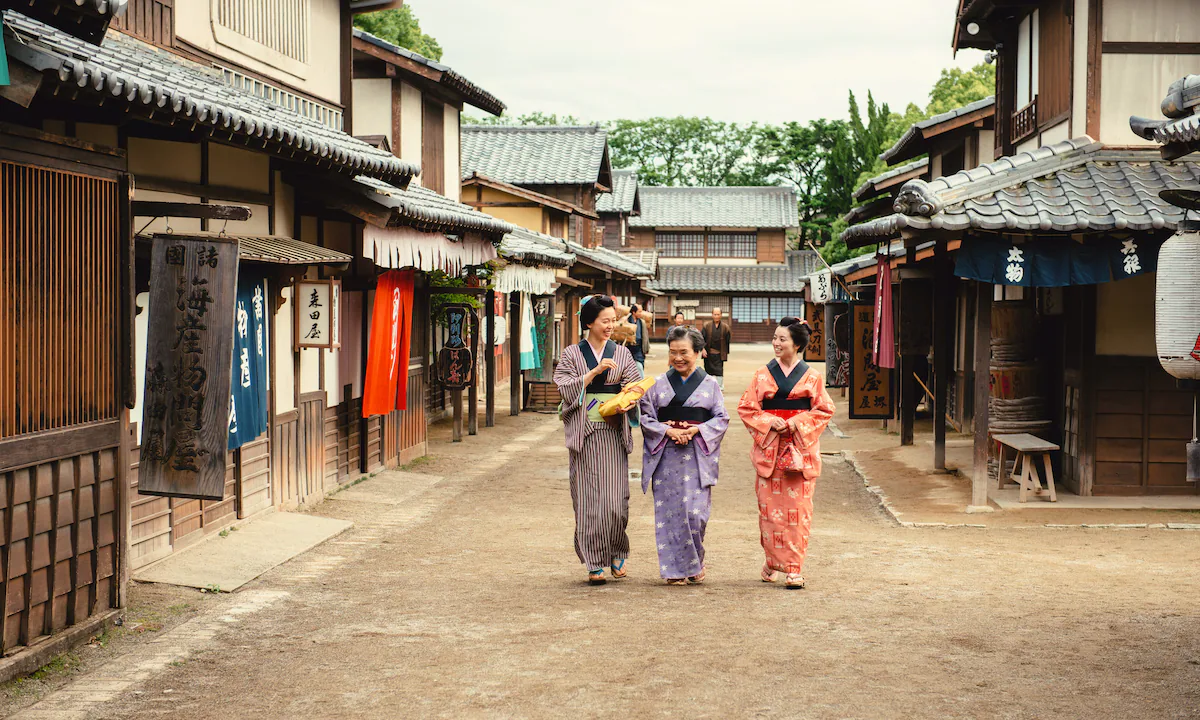
Summer yukata, with its traditional patterns, is light, simple, and refined, distinctly different from the kimono. (Photo: Collected)
Yukata is a lighter and simpler version of the kimono, often worn in the summer or on festive occasions. Unlike the elaborate layering of kimonos, yukata are made from thin, breathable cotton or linen, keeping the wearer cool in the sweltering heat of Japanese summers.
One of the major differences between a yukata and a kimono is their construction and purpose. Kimonos are typically worn on formal occasions and come with many accessories such as obi belts, juban undergarments, and tabi socks. Yukata, on the other hand, is simpler, easier to wear, and very popular with young people during festivals like fireworks displays, Obon, or when traveling in Japan during the summer.
More than just an outfit, the yukata embodies traditional spirit. For tourists, the experience of wearing a yukata is not just a fashion experiment, but an opportunity to deeply appreciate the beauty of ancient culture.
How to rent a yukata in Kyoto and tips for choosing one.
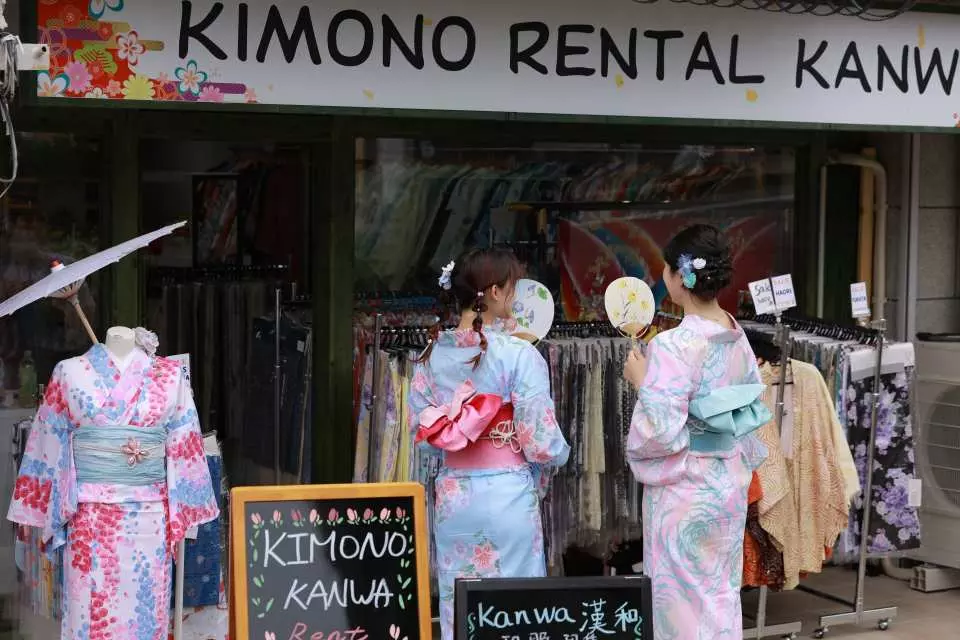
A tourist is choosing a yukata at a shop in the Gion district, surrounded by vibrant colors and friendly service. (Photo: Collected)
You can easily rent a yukata at shops catering to tourists around Kyoto's Gion district . Most shops offer services such as choosing the yukata, putting it on, styling your hair in a traditional style, and taking souvenir photos.
Upon arriving at the shop, you will be guided in choosing colors that suit your body type and the season. Soft pastel colors are often preferred in the summer, while bold, intricate patterns are more appropriate for evenings or special occasions. Men can also choose yukata in muted, elegant tones with a strong samurai feel.
Don't forget to choose wooden clogs (geta), delicate hair accessories, or a small, pretty traditional purse. A little tip when experiencing wearing a yukata is to walk slowly, with your back straight and your arms relaxed, as if offering a gentle greeting to the city standing still and watching you.
Experience strolling through Gion wearing a yukata – A truly authentic Japanese moment.
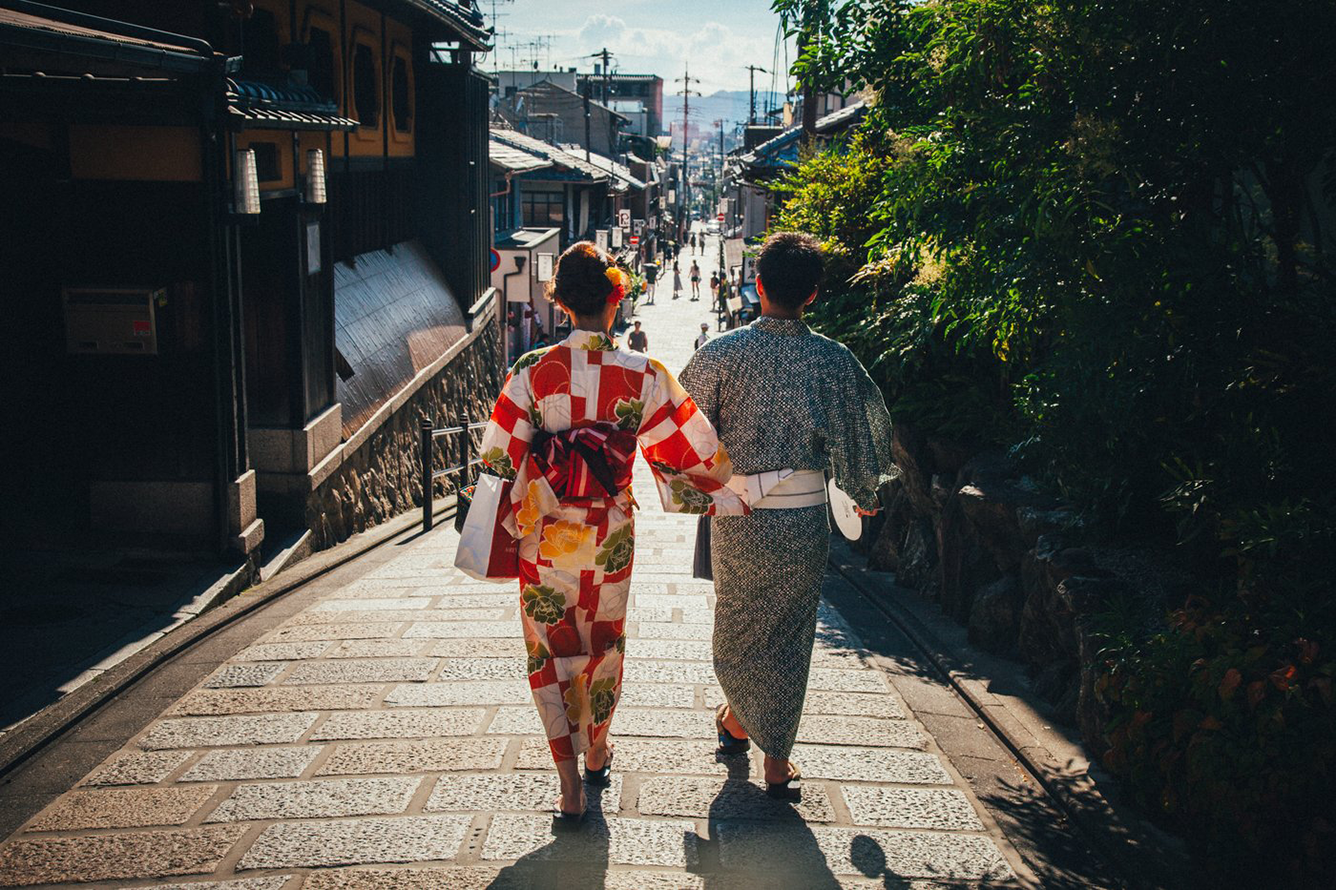
The sunset scene on Gion Street, with golden sunlight falling on the ancient tiled roofs, blends with the silhouettes of people wearing yukata. (Photo: Collected)
The feeling of wearing a yukata for the first time.
From the moment you step out of the rental shop, you'll notice that all the glances become gentler and more affectionate. Locals will smile and nod as if you're truly immersing yourself in their culture. The delicate fabric of the yukata, the subtle fragrance of hinoki wood or lavender from the dry cleaner – everything is so refined it's unforgettable.
With each step, your robe flutters gently, the obi belt cinched at your back supporting your entire figure. You are no longer just a tourist, but a part of this scene.
Must-visit spots when wearing a yukata while strolling through Gion.
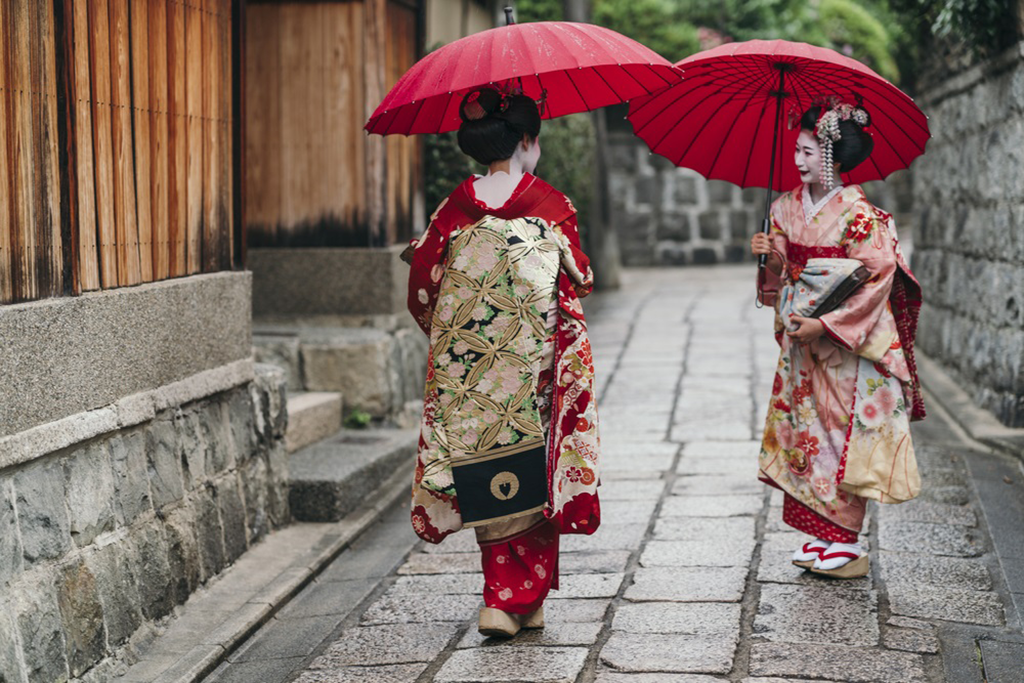
Maiko and geisha appear in the frame – their mysterious and elegant beauty makes Gion Street even more enchanting. (Photo: Collected)
Gion has no shortage of beautiful photo spots. But if you want photos with an authentic Japanese feel, you should visit the famous Tatsumi Bridge with its weeping willows along the Shirakawa Canal. Next is Hanamikoji Street – an ancient cobblestone street where you might encounter real Maiko (shrine maidens) in the evening. Hanamikoji was originally a temple-visiting street, later developed into a tea house district, and is now considered a special historical landmark.
Yasaka Shrine at the end of Shijo-dori is also a must-see. Wearing a yukata and walking under the shrine's lanterns at sunset, you'll feel like you've stepped into a Studio Ghibli film scene.
Meet Geisha, Maiko, and experience moments straight out of a movie.
Nothing is more delightful than unexpectedly encountering a Maiko (Geisha apprentice) on the street. Their elaborate updos, white makeup, and ornate kimonos stand out against the muted wooden walls as they walk lightly and swiftly, like birds gliding. If you want to take a photo, please maintain distance, avoid flash, and don't block their path. Respect is an important part of Japanese travel culture.
Suggested one-day itinerary around Gion while wearing a yukata.
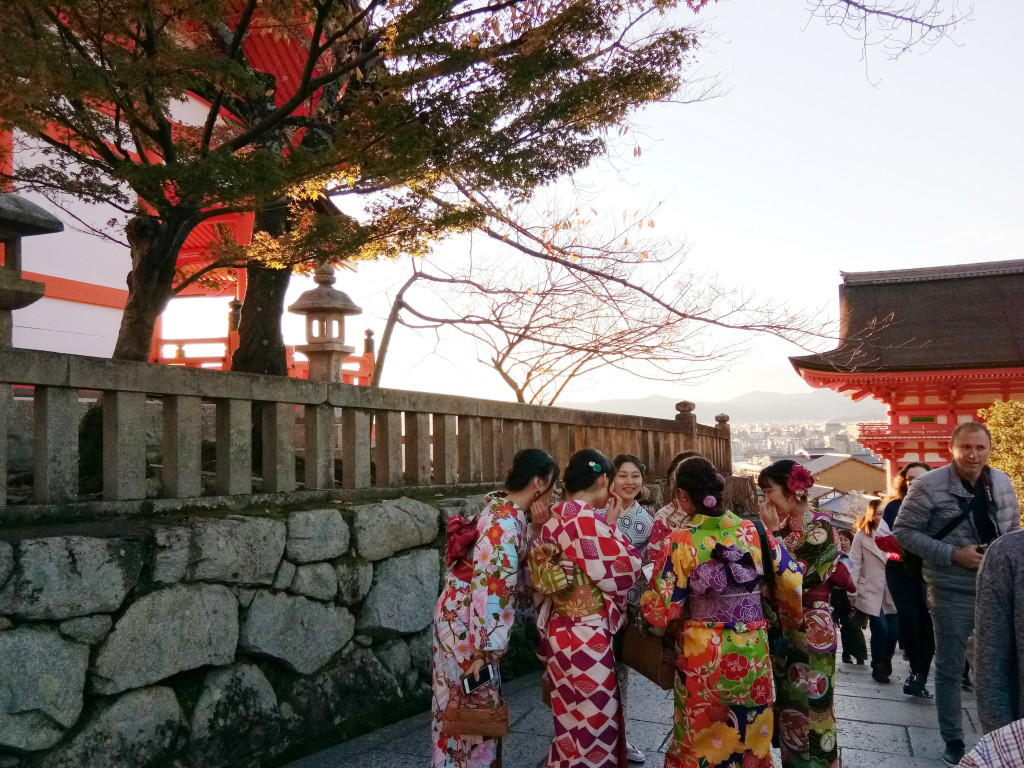
Taking photos at the temples in Hanamikoji – A relaxing and memorable experience. (Photo: Collected)
An ideal day for experiencing wearing a yukata could start at 9 am with renting one, taking about 30–45 minutes to complete the outfit and hair. Afterwards, you can take photos along Hanamikoji Street, visit a small tea house to enjoy matcha and wagashi (Japanese confectionery).
At lunchtime, enjoy a meal at a traditional Japanese restaurant or simply savor a bowl of soba noodles by the window overlooking the old streets. In the afternoon, stroll across Tatsumi Bridge and Yasaka Shrine, as the golden sunlight illuminates the tall hanging lanterns. Before returning your yukata, you can sit quietly in the shrine grounds, letting the tranquility envelop you.
Wearing a yukata is not just a relaxing way to transform yourself while traveling in Japan , but also a way to connect with the traditional Japanese way of life: slow, calm, and artistic. In the ancient atmosphere of Kyoto's Gion district , each step in a yukata is a step back into profound traditional beauty. If you have the chance to visit Kyoto , don't miss the opportunity to try on your first yukata. Who knows, it might be the most memorable moment of your trip.




















































































Comment (0)