

One of the issues of great concern to voters and the public, which was raised during the 20th session of the 18th Provincial People's Council in a question-and-answer session with the Director of the Department of Finance, was: The management, use, and effective utilization of surplus public assets still have many limitations, especially in handling public assets such as surplus land and buildings after the merger of villages, communes, and public service units; medical equipment, and vocational education equipment.

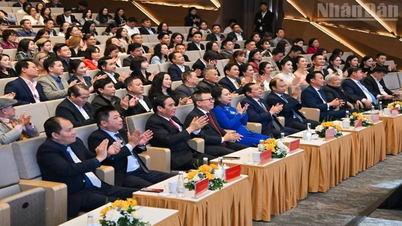
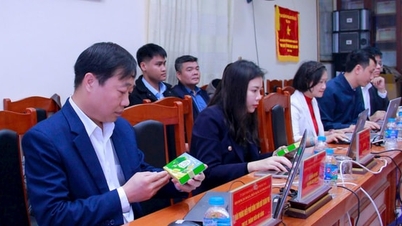
Overview of the questioning session with the Director of the Thanh Hoa Department of Finance (Photo: Minh Hieu).
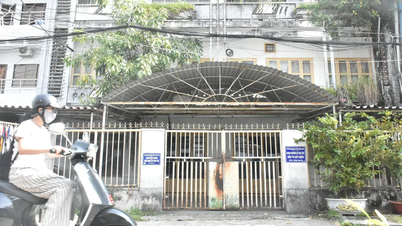
Responding to questions during the afternoon session on July 9th, the Director of the Department of Finance, Nguyen Van Tu, stated: Following the reorganization of commune-level administrative units in the 2019-2021 period and the restructuring of public service units, the entire province has 537 surplus land and buildings. Of these, 457 surplus land and buildings resulted from the merger of commune-level and village-level administrative units, and 80 surplus land and buildings resulted from the merger of public service units.
Currently, the number of surplus facilities after mergers that have had their restructuring plans approved by the Chairman of the Provincial People's Committee is 455 out of 537. The approved restructuring and handling methods for these facilities and land include: transferring 83 facilities; reclaiming 17 facilities; selling assets on the land and transferring land use rights for 193 facilities; transferring 142 facilities to local management and handling; and temporarily retaining 20 facilities. The number of facilities and land that have not yet had their restructuring plans approved is 82 out of 537, consisting of surplus health stations after the merger of administrative units in the districts, towns, and cities.
To date, the approval process for transferring 142 facilities to local management and handling has been completed according to the approved plan; 5 out of 83 facilities have been relocated; 1 out of 17 facilities (cultural center) has been reclaimed; and the decision to sell and the auction plan for the assets of 1 facility, the former Thọ Xuân town People's Committee office, has been approved.

Director of the Department of Finance Nguyen Van Tu answers questions (Photo: Minh Hieu).
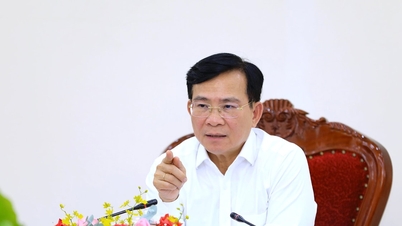
Responding to questions from delegates Do Ngoc Duy, Trinh Thi Hoa, Dinh Ngoc Thuy, Hoang Anh Tuan, etc., regarding the causes, responsibilities, and solutions to overcome the slow pace of rearranging and handling surplus land and property assets after mergers, the Director of the Department of Finance, Nguyen Van Tu, stated: The slow pace of rearranging and handling surplus land and property assets has many causes. Objectively, Thanh Hoa province has a very large number of land and property assets that need to be rearranged, a vast area, and many assets lack legal basis, making implementation very difficult. The legal regulations on rearranging and handling land and property assets under the Law on Management and Use of Public Assets, the Land Law, and guiding documents still have many shortcomings; the regulations are not specific or clear. During the period 2019-2022, the COVID-19 pandemic affected the implementation of the inspection of the current status of land and property assets in the province to prepare, appraise, and approve the plan. Therefore, the reorganization and handling of housing and land assets did not progress according to the planned schedule.

Representative Do Ngoc Duy questions the Director of the Department of Finance (Photo: Minh Hieu).
Besides objective reasons, the Director of the Department of Finance also emphasized subjective reasons stemming from the lack of decisiveness and proactiveness of districts, towns, and cities in implementing Plan No. 69/KH-UBND of the Provincial People's Committee. The rearrangement and handling of houses and land belonging to agencies, organizations, and units depends on the progress of reviewing, adjusting, and updating land use plans, construction plans, and related plans. However, the review and updating of land use plans, construction plans, and other related plans are still slow. The monitoring of public assets has been neglected for many years, and during the review and planning process, many shortcomings were discovered, especially regarding legal documents, leading to confusion, delays, and failure to meet the planned schedule.

Representative Trinh Thi Hoa questions the Director of the Department of Finance (Photo: Minh Hieu).
The main responsibility for the slow implementation of the plan to reorganize and handle surplus land and buildings after mergers lies with the localities and units assigned to manage and use the assets. They were slow in reviewing the standards and norms for the use of public assets, completing the necessary documentation for reorganization and handling, and slow in approving land use plans and schemes to serve as the basis for implementing the plan to "sell assets on land and transfer land use rights." The Department of Finance, as the standing agency of the Provincial Steering Committee for the reorganization and handling of land and buildings, also accepts responsibility for not promptly urging localities and units to implement and report on the results.
To address the slow pace of restructuring and handling surplus land and property assets after mergers, the Director of the Department of Finance, Nguyen Van Tu, stated that district-level Party committees, governments, and heads of units must consider the restructuring and handling of public assets as one of the important political tasks of their localities and units. Based on the plans currently being submitted or already approved by the Provincial People's Committee, the District People's Committee should direct relevant units to continue reviewing surplus public assets at the commune and district levels, carefully assessing the feasibility of handling each public asset according to the approved or pending plan. For public assets that meet all the conditions for implementation according to the approved plan, focus should be placed on developing specific plans for each asset. For public assets that, upon review, are facing procedural obstacles, the District People's Committee must direct efforts to resolve these difficulties and report to the competent authority for guidance.

Director of the Department of Labor, War Invalids and Social Affairs Vu Thi Huong participated in answering questions along with the Director of the Department of Finance (Photo by Minh Hieu).
During the questioning session, the Director of the Department of Finance also clarified the situation regarding many valuable medical equipment used in the prevention and control of the COVID-19 pandemic that is no longer in use but has been slow to be transferred; and the vocational training equipment of vocational education institutions is both in surplus and in shortage, failing to be effectively utilized. To clarify this issue, the Director of the Department of Labor, War Invalids and Social Affairs, Vu Thi Huong, and the Acting Director of the Department of Health, Nguyen Ba Can, also participated in answering the questions to meet the expectations of the majority of voters and the people.

Permanent Vice Chairman of the Provincial People's Committee Nguyen Van Thi clarifies some issues related to the questioning (Photo: Minh Hieu).
Speaking to further clarify this point, the Standing Vice Chairman of the Provincial People's Committee, Nguyen Van Thi, pointed out some difficulties and limitations in implementing the plan to rearrange and handle surplus land and buildings, as well as in the management and use of medical equipment and vocational education equipment. He also requested that relevant departments, agencies, and localities be more decisive in their direction and management to accelerate the implementation progress in the coming period.

Comrade Do Trong Hung, Secretary of the Provincial Party Committee and Chairman of the Provincial People's Council, delivered the concluding remarks on the questioning of the Director of the Department of Finance.
Concluding the questioning session with the Director of the Department of Finance, Comrade Do Trong Hung, Member of the Central Committee of the Party, Secretary of the Provincial Party Committee, and Chairman of the Provincial People's Council, emphasized: During the questioning session, the delegates raised very specific, concise, and clear questions that closely adhered to the topic, went straight to the point, and were constructive and highly responsible; demonstrating the role, responsibility, and supervisory power of the People's Council delegates. The Director of the Department of Finance answered the delegates' questions directly and without evasion.
Through today's questioning session, the Provincial People's Council requested the Provincial People's Committee, the Provincial Steering Committee for the Reorganization and Handling of Land and Housing, the Department of Finance, relevant departments, and the People's Committees of districts, towns, and cities to study and fully incorporate the opinions of the Provincial People's Council representatives, effectively implement immediate and long-term solutions to overcome limitations and shortcomings, accelerate the implementation of the reorganization, handling, and management of surplus public assets, and at the same time draw lessons from practical experience to do better in the reorganization of district and commune-level administrative units in the 2023-2025 period.
Accordingly, the Provincial People's Committee is tasked with reporting and proposing to central agencies solutions to difficulties and shortcomings in the process of handling public assets, such as: recommending that the Government amend Decree No. 167/2017/ND-CP and Decree No. 67/2021/ND-CP to conform with the provisions of the Law on Management and Use of Public Assets and Decree No. 151/2017/ND-CP; requesting the Ministry of Finance to issue specific guidance on handling surplus public assets through recovery in projects subject to bidding involving land use; surplus public assets of central agencies located in the province; regulations on selecting investors to implement projects through bidding involving land use when there are public assets on the land; regulations on the liquidation and demolition of public assets after restructuring; regulations on land auction after the liquidation of assets on the land, etc.
In addition, it is urgent to issue specific guidelines on regulations and procedures for proposing and implementing the arrangement and handling of public assets in the province, especially surplus land and buildings after mergers; regulations on auctioning land and buildings that are village, hamlet, or neighborhood cultural centers where the land and construction costs come from the budget combined with contributions from the people, or entirely from socialized sources; regulations on the use of proceeds from auctions, and proposals for mechanisms to support residential areas after the auction of assets.
Focus on directing and accelerating the process of reorganizing and handling surplus public assets after mergers; approve specific handling plans for each asset; direct the successful implementation of several cases of "selling assets on land, transferring land use rights" as pilot projects, drawing lessons learned, and replicating them in other districts, towns, and cities.
Directing localities and units to continue reviewing and fully updating public assets into the national public asset database for monitoring and management; completing the legal dossiers of each property, especially the issuance of certificates of land use rights, ownership of houses and other assets attached to the land; approving the overall plan for arranging and handling land and property facilities in the province; putting the rearranged assets into use, absolutely not leaving them vacant, unused, or used for the wrong purpose.
Directing localities and units to proactively review and reorganize existing machinery, equipment, and other public assets under their management; for surplus machinery, equipment, and other public assets (exceeding standards and norms), the unit assigned to manage and use the assets shall promptly report to the competent authority for handling in accordance with the forms prescribed in the Law on Management and Use of Public Assets and Government Decree No. 151/2017/ND-CP. At the same time, allocate appropriate funds to invest in repairing and renovating some surplus public assets after reorganization as prescribed, which require a change in function or purpose of use.
Regarding the departments and agencies, Provincial Party Secretary and Chairman of the Provincial People's Council Do Trong Hung emphasized several tasks, including: The Department of Finance should take the lead and coordinate with the Department of Natural Resources and Environment and the Department of Construction to advise the Provincial People's Committee on developing regulations, procedures, and processes for handling public assets after mergers. They should provide timely and comprehensive guidance on regulations regarding the reorganization and handling of public assets to districts, towns, and cities; promptly resolve any difficulties encountered during implementation, and report to higher authorities if the matter exceeds their jurisdiction.
Coordinate with relevant agencies, units, and localities to manage land and housing assets after mergers, review and develop plans for the effective arrangement and handling of assets in accordance with the law. Strengthen inspection and supervision of the management and use of public assets after the merger of administrative units. Promptly correct, guide, and handle any violations (if any).
The Department of Health directs its affiliated units to urgently complete the dossiers requesting the establishment of public ownership of donated equipment; review surplus machinery, equipment, and assets; determine usage needs to propose solutions such as transferring from areas with surplus to areas with shortages and other forms as prescribed.
The Department of Labor, War Invalids and Social Affairs, in coordination with the People's Committees of districts, towns, and cities, directs vocational education institutions to review surplus machinery, equipment, and assets; determine usage needs; and propose disposal plans in accordance with regulations.
For the People's Committees of districts, towns, and cities, attention should be paid to leading and directing the reorganization and handling of public assets after the merger of agencies and administrative units in their areas. Strictly implement the provisions of the law, Plan No. 69/KH-UBND of the Provincial People's Committee, and other management, guidance, and supervisory documents of the province regarding the reorganization and rational and effective use of public assets, avoiding waste and loss.
Develop an implementation plan after the Chairman of the Provincial People's Committee gives his opinion on adjusting and supplementing the overall plan for rearranging and handling land and buildings managed by districts, towns, and cities; develop appropriate methods for handling each land and building asset in accordance with various planning regulations, with high feasibility; submit it to the Provincial People's Committee for approval and organize its implementation according to the set plan. Review and convert surplus cultural centers and stadiums into community activity centers for residential areas. Regularly conduct inspections and audits of the management and use of public assets after the merger. During the period before handling surplus land and buildings, assign personnel to guard, protect, and preserve the assets to prevent encroachment, loss, deterioration, and waste of state assets.
To Phuong
Source: https://baothanhhoa.vn/khac-phuc-tinh-trang-cham-tre-lang-phi-trong-sap-xep-xu-ly-tai-san-cong-doi-du-sau-sap-nhap-nbsp-nbsp-219035.htm

![[Photo] Prime Minister Pham Minh Chinh receives Lao Minister of Education and Sports Thongsalith Mangnormek](/_next/image?url=https%3A%2F%2Fvphoto.vietnam.vn%2Fthumb%2F1200x675%2Fvietnam%2Fresource%2FIMAGE%2F2025%2F12%2F16%2F1765876834721_dsc-7519-jpg.webp&w=3840&q=75)
![[Image] Leaked images ahead of the 2025 Community Action Awards gala.](/_next/image?url=https%3A%2F%2Fvphoto.vietnam.vn%2Fthumb%2F1200x675%2Fvietnam%2Fresource%2FIMAGE%2F2025%2F12%2F16%2F1765882828720_ndo_br_thiet-ke-chua-co-ten-45-png.webp&w=3840&q=75)
![[Live] 2025 Community Action Awards Gala](/_next/image?url=https%3A%2F%2Fvphoto.vietnam.vn%2Fthumb%2F1200x675%2Fvietnam%2Fresource%2FIMAGE%2F2025%2F12%2F16%2F1765899631650_ndo_tr_z7334013144784-9f9fe10a6d63584c85aff40f2957c250-jpg.webp&w=3840&q=75)
![[Photo] Prime Minister Pham Minh Chinh receives the Governor of Tochigi Province (Japan)](/_next/image?url=https%3A%2F%2Fvphoto.vietnam.vn%2Fthumb%2F1200x675%2Fvietnam%2Fresource%2FIMAGE%2F2025%2F12%2F16%2F1765892133176_dsc-8082-6425-jpg.webp&w=3840&q=75)
![[Image] The tenacious fighting spirit of Vietnamese women's football](/_next/image?url=https%3A%2F%2Fvphoto.vietnam.vn%2Fthumb%2F1200x675%2Fvietnam%2Fresource%2FIMAGE%2F2025%2F12%2F17%2F1765990260956_ndo_br_4224760955870434771-copy-jpg.webp&w=3840&q=75)






































![[Live] Closing Ceremony and Award Presentation for the "Impressive Vietnam Tourism" Video/Clip Creation Contest 2025](https://vphoto.vietnam.vn/thumb/402x226/vietnam/resource/IMAGE/2025/12/17/1765974650260_z7273498850699-00d2fd6b0972cb39494cfa2559bf85ac-1765959338756946072104-627-0-1338-1138-crop-1765959347256801551121.jpeg)















Comment (0)