

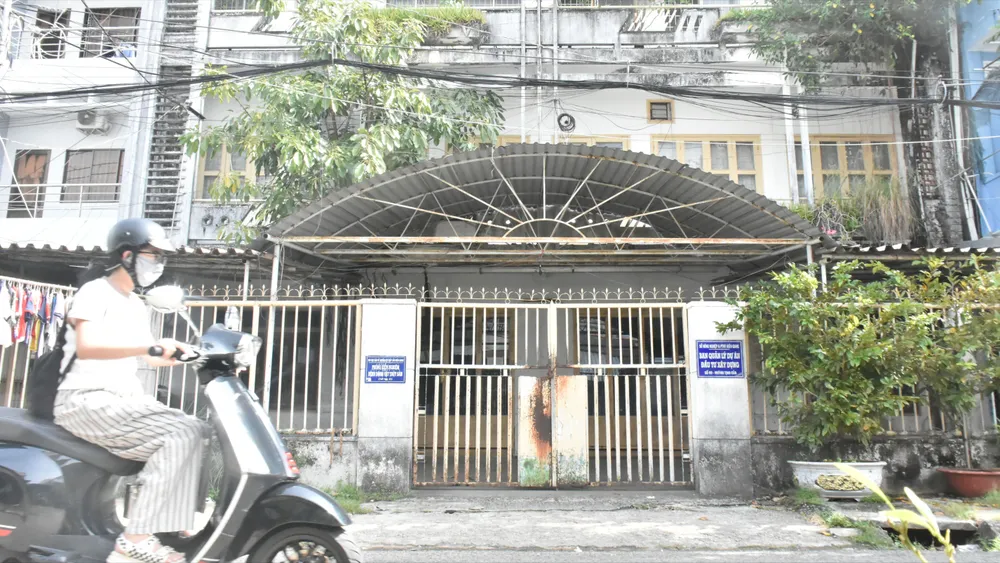
On December 16th, the leaders of the An Giang Provincial Land Development Center (hereinafter referred to as the Center) announced that the Center had just submitted a report on the plan for managing and exploiting surplus public land and property assets in the province.
Following a proposal from the Department of Finance, the Provincial People's Committee issued 24 decisions assigning centers to manage, develop, and exploit 476 surplus land and property assets.
The Center and related agencies and units conducted legal document checks and on-site inspections of 476 properties. As a result, handover and acceptance records were compiled for 307 out of 476 properties, covering a land area of 866,293 m² and a building area of 123,217 m² ; and on-site inspection records were compiled for 169 out of 476 properties that have not yet been accepted.
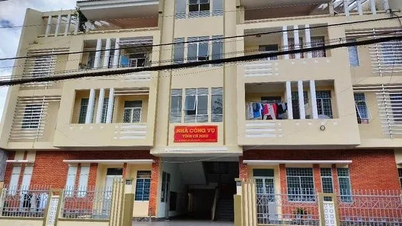
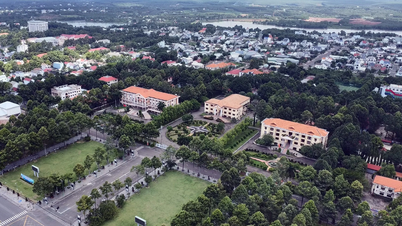
According to the center's leadership, the properties received by the center are distributed across a diverse range of communes, wards, and special zones. Among these, some properties are well-managed and protected (37 out of 307 properties), retaining essential systems (electricity, water, lighting) to operate the buildings and continue to be used for various purposes.
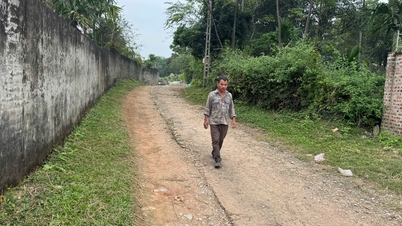
However, many properties have been closed and unused for a long time, leading to deterioration and damage to the structures, requiring renovation and repair before they can be fully operational. Of these, approximately 35 out of 307 properties require the disposal and demolition of assets when they are put into use. Some properties have undergone repairs and expansions over time, affecting their structural integrity and load-bearing capacity, reducing their functionality, and potentially hindering their operation.
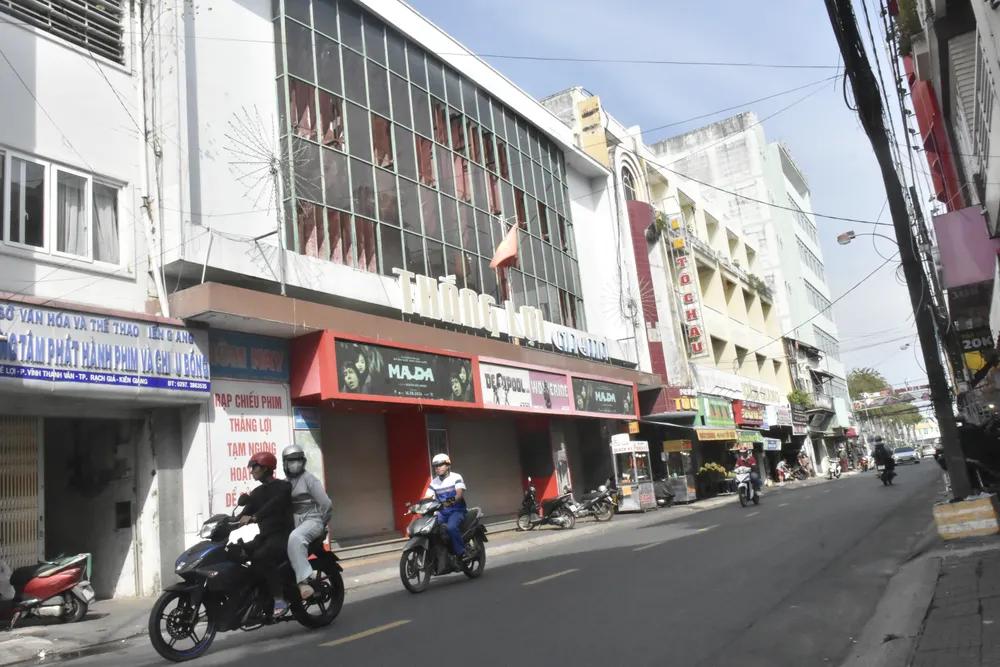
Many small, scattered properties (approximately 75 out of 307) with small land areas and buildings are old, dilapidated, and unusable due to their construction during the socio -economic periods of many years ago. Among these, many small properties (from over 30 to under 200 m² ) had the advantage of being located in convenient locations along good transportation routes in urban areas, towns, and townships before the reorganization of administrative boundaries and organizational structures; however, at present, they are no longer suitable for public use (as office buildings)...
In the coming period, the center will coordinate with relevant agencies to continue reviewing and classifying properties to develop appropriate protection plans and prepare security cost estimates for submission to competent authorities for approval. The number of properties requiring on-site security will be determined, including those requiring on-site personnel and cases requiring additional electricity and water costs for security work. Hiring security personnel will be done through various types of contracts, with priority given to contracts with staff currently performing security duties at the properties.
In addition, coordinate with the People's Committee at the commune level and the police at the commune, ward, special zone, hamlet, and village levels to provide protection and financial support through contracts with suitable entities.
In addition to its management duties, the center is also seeking the province's opinion on several proposed options for utilizing surplus buildings and land.
Source: https://www.sggp.org.vn/an-giang-nhieu-co-so-nha-dat-doi-du-xuong-cap-hu-hong-post828926.html


![[Image] Leaked images ahead of the 2025 Community Action Awards gala.](/_next/image?url=https%3A%2F%2Fvphoto.vietnam.vn%2Fthumb%2F1200x675%2Fvietnam%2Fresource%2FIMAGE%2F2025%2F12%2F16%2F1765882828720_ndo_br_thiet-ke-chua-co-ten-45-png.webp&w=3840&q=75)
![[Photo] Prime Minister Pham Minh Chinh receives Lao Minister of Education and Sports Thongsalith Mangnormek](/_next/image?url=https%3A%2F%2Fvphoto.vietnam.vn%2Fthumb%2F1200x675%2Fvietnam%2Fresource%2FIMAGE%2F2025%2F12%2F16%2F1765876834721_dsc-7519-jpg.webp&w=3840&q=75)









































































Comment (0)