

Among the hospitalized patients was Nguyen CH (63 years old, residing in Tam Nong District, Phu Tho Province ). Prior to this hospitalization, the patient had a history of gastrointestinal bleeding 8 times due to esophageal varices and rupture, and cirrhosis for 4 years.
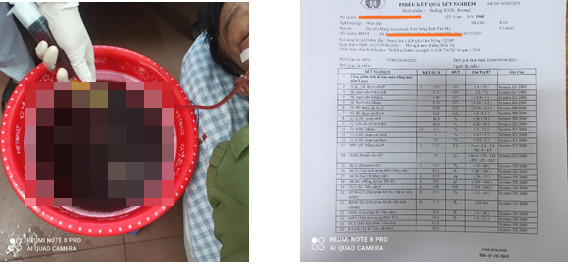
Blood loss due to ruptured esophageal varices can be dangerous to health.
The patient's family reported that the patient regularly consumed alcohol at home, approximately 500 ml per day. Before being admitted to the hospital, the patient vomited about 1 liter of fresh blood and blood clots, and had black stools.
The patient was brought to Phu Tho Provincial General Hospital by their family in a state of pale skin and very pale mucous membranes.
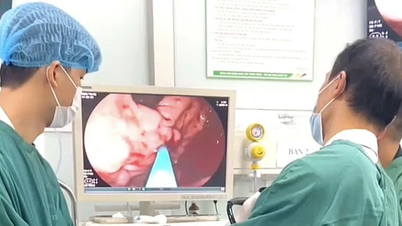
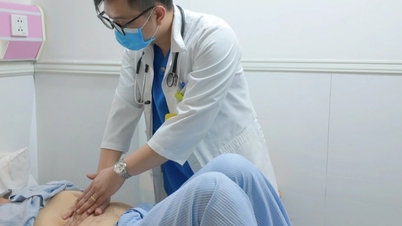
At the hospital, doctors quickly conducted a clinical examination, performed diagnostic tests, concluded that the gastrointestinal bleeding was due to ruptured esophageal varices, and ordered an emergency endoscopy.
The patient was treated by doctors from the Department of Respiratory and Gastrointestinal Medicine (Phu Tho Provincial General Hospital) who inserted a large intravenous line, administered oxygen, gave intravenous fluids, and transfused blood. Approximately 1.5 liters of diluted blood were removed from the patient's stomach, and emergency endoscopic hemostasis was performed.
Endoscopy results revealed that the patient had ruptured esophageal varices. Doctors successfully performed rubber band ligation to control bleeding, reduced portal venous pressure, and administered liver supplements and vitamins. Following treatment, the bleeding stopped, the patient's clinical condition stabilized, and they received medical treatment.
According to Dr. Le Thi Hong Nhung, Deputy Head of the Department of Respiratory and Digestive Medicine, doctors frequently receive patients with gastrointestinal bleeding. In recent weeks alone (from the end of May to the present), doctors have admitted 12 patients with gastrointestinal bleeding due to gastric and duodenal ulcers, esophageal variceal rupture, esophageal tears, etc. All cases were related to long-term alcohol consumption, with some patients admitted in critical condition with severe bleeding.
According to Doctor Nhung, warning signs of gastrointestinal bleeding include: severe epigastric pain, vomiting blood, black or red stools, dizziness, and lightheadedness. Severe gastrointestinal bleeding can cause shock, lethargy, cold extremities, sweating, rapid pulse, low blood pressure, systemic organ failure, and even death.
For a healthy digestive system, a proper diet is necessary, including eating on time, having three main meals a day, increasing fiber-rich foods and fresh fruits and vegetables; avoiding staying up late; balancing work and rest time; and engaging in physical exercise to boost immunity.
Source link










































































Comment (0)