

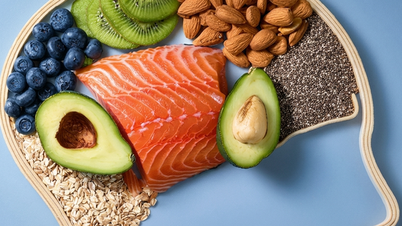
Parents should feed their children plenty of berries, salmon, eggs, and broccoli to get antioxidants, omega-3 fatty acids, and choline, which support enhanced brain function.
During the first 36 months of life, a child's brain gradually develops, honing reflexes as they explore and absorb everything around them. Besides activities like playing games, listening to music, and building with blocks, food also contributes to stimulating brain development, helping children become smarter and more alert.
Foods containing antioxidants, choline, omega-3 fatty acids, and complex carbohydrates all help boost brain health. Antioxidants protect the brain, choline is essential for brain development, memory, and mood regulation. Omega-3 fatty acids, including ALA, DHA, and EPA, support brain function, while complex carbohydrates provide fuel for the brain to operate.
Parents can incorporate the following nutrient-rich foods into their children's daily diets, according to their age.
6-month-old baby
At 6 months old, babies can start eating solids such as berries, whole grains, and whole-wheat biscuits.
Berries: Provide abundant antioxidants. Blend some berries in a blender with breast milk or formula to create a smooth mixture and give it to your baby.
Whole grain cereals for children: Rich in healthy fiber, supporting digestion. To add more antioxidants that boost brain function, parents can mix the cereal with berry juice.
Whole wheat bread: This food is rich in complex carbohydrates, making it healthy for weaning babies. Combine it with a mixture of pureed berries for added antioxidants.
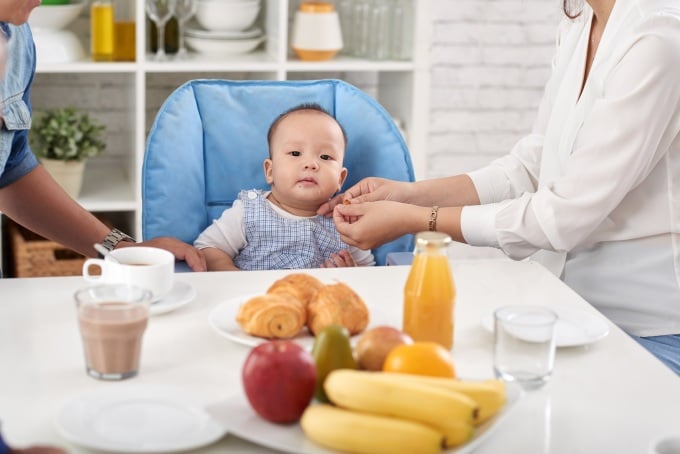
Nutritious meals help children develop their brains. Photo: Freepik
Toddlers
Peanut butter and whole-grain bread: Bread spread with peanut butter is both easy to eat and provides omega-3s and complex carbohydrates to support brain development in children. Parents can also give their children blueberries, raspberries, or strawberries, which are rich in antioxidants.
Yogurt and berries: Eating fresh berries with plain yogurt adds sweetness. Blueberries are rich in antioxidants, while strawberries and raspberries have vibrant colors that appeal to children.
Salmon: Grilled salmon fillets and salmon salad are both suitable dishes for children at main meals.
Eggs: Rich in choline and protein, which are beneficial for health. Adding some spinach, broccoli, and cheese to scrambled eggs provides extra fiber, which is good for digestion.
Older children
Nuts: Walnuts, whole grains, and some dried fruits like blueberries and cranberries are suitable snacks. In addition to being rich in omega-3s, nuts also contain vitamin E, an antioxidant that helps protect brain cell membranes from damage.

Smoothie: Blend some plain yogurt, berries, and milk in a blender to create a nutritious breakfast drink for your child.
Stir-fries: For a choline-rich meal, parents can try making stir-fries with tofu, lean beef, broccoli, and cauliflower.
Bao Bao (According to What to Expect )
| Readers can post questions about children's illnesses here for doctors to answer. |
Source link






















































![[Video] Sunset at Lap An Lagoon – Where the sun sets over the fishing nets](https://vphoto.vietnam.vn/thumb/1200x675/vietnam/resource/IMAGE/2026/05/31/1780192137701_beach-landscape-sea-water-nature-grass-745871-pxhere-com.jpeg)



































Comment (0)