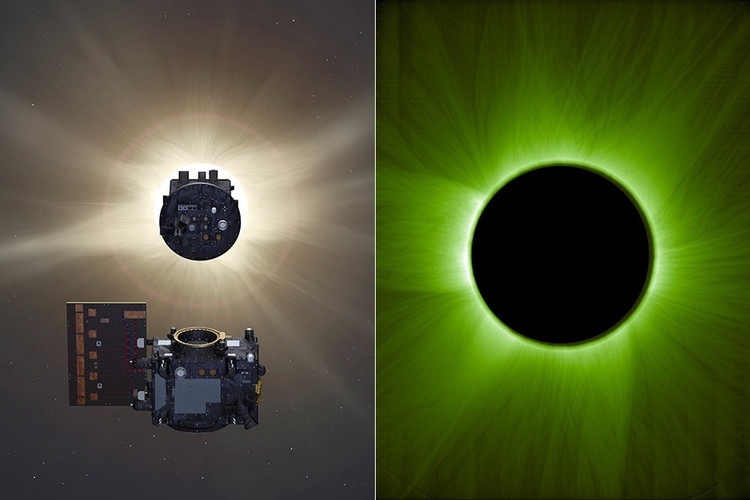

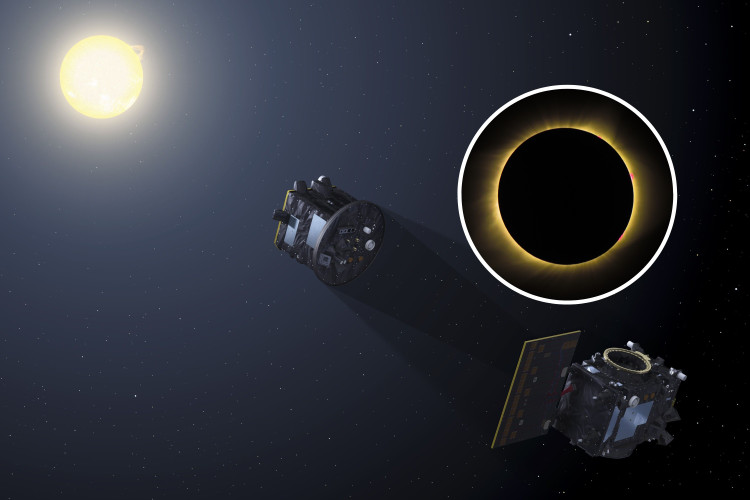
We invite our readers to watch the video : Diverse applications of blockchain technology. Source: VTV24.
Source: https://khoahocdoisong.vn/ngam-nhat-thuc-nhan-tao-dau-tien-trong-lich-su-post1548780.html

 Báo Khoa học và Đời sống•19/06/2025
We invite our readers to watch the video : Diverse applications of blockchain technology. Source: VTV24.
Source: https://khoahocdoisong.vn/ngam-nhat-thuc-nhan-tao-dau-tien-trong-lich-su-post1548780.html
![[Photo] General Secretary and President To Lam presides over a meeting on preparations for the review of one year of operation of the three-tiered government system.](https://vphoto.vietnam.vn/thumb/1200x675/vietnam/resource/IMAGE/2026/06/02/1780391821195_a1-bnd-4595-9717-jpg.webp)




![[Video] What to do when changing phones from June 15, 2026?](https://vphoto.vietnam.vn/thumb/402x226/vietnam/resource/IMAGE/2026/06/02/1780386426938_dt-jpg.webp)

















































Comment (0)