

 |
Google's Nano Banana Pro has fairly realistic image quality. Photo: Mashable . |
In the early years of artificial intelligence (AI) imaging technology, the resulting products were often easily identifiable as fake. Images with too many fingers, distorted body details, or unrealistic lighting were common telltale signs.
However, that era is drawing to a close. AI-powered image creation tools are becoming increasingly convincing, not by perfecting the image itself, but by deliberately incorporating flaws that mimic real photographs.
Trends in AI image creation
OpenAI launched its DALL-E image generation tool less than five years ago. The first version could only create images with a resolution of 256 x 256 pixels, making it more experimental than practical. With DALL-E 2, the resolution was increased to 1024 x 1024 pixels, resulting in significantly more realistic images. However, details still show signs of anomalies, from blurry surfaces to objects that are difficult to visually explain.
At the same time, Midjourney and Stable Diffusion also quickly gained attention from the creative community. Over the next few years, the models were continuously improved, reducing geometric errors and enhancing text visibility. However, much of the AI still felt "too perfect," with lighting, composition, and smoothness resembling illustrations more than real photographs.
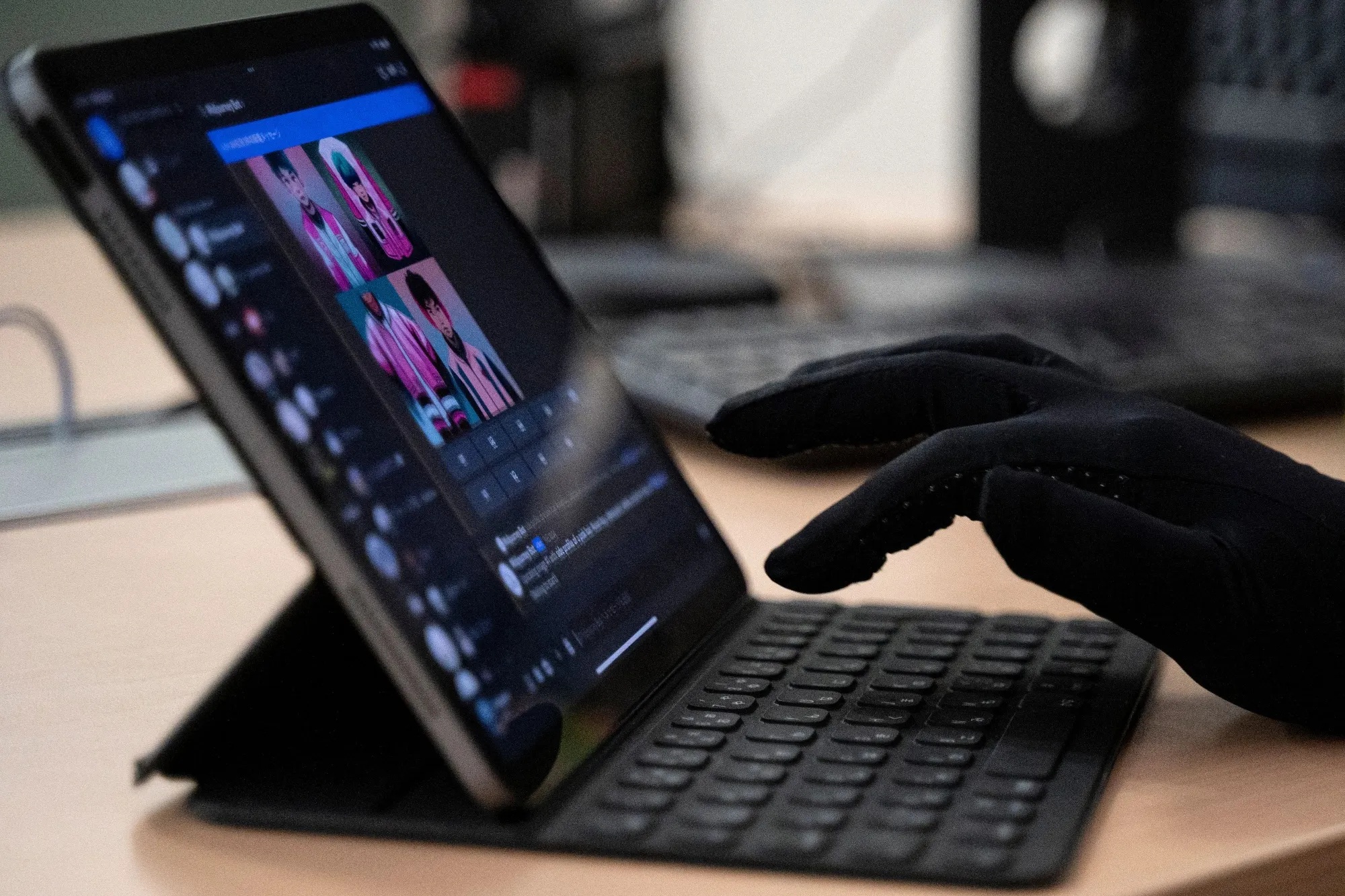 |
Many AI models produce images that are too realistic to be true to life. Photo: Bloomberg . |
This trend is changing. Developers are starting to move towards realism, recreating the imperfections inherent in photos taken with common devices, especially phone cameras.
In the latter half of 2025, Google introduced the Nano Banana image creation model in the Gemini app, followed by further upgrades with Nano Banana Pro. According to the search giant, this is the most realistic image model to date, with the ability to utilize real-world knowledge and display text more effectively.
Notably, many images produced by this model closely resemble those taken with smartphones, from contrast and perspective to lighting and sharpness.
Photos taken with smartphone cameras have their own unique style. Due to limitations in sensor and lens size, smartphones rely on multi-frame processing to improve image quality. This creates photos with enhanced dark areas, highlighted details, and optimized for display on small screens. AI learning this style makes images more familiar to viewers, thereby reducing the feeling of artificiality.
The Paradox of Realistic Images
Google isn't the only case. Adobe Firefly offers an "image enhancement" option, allowing users to reduce the polish of AI images to closely resemble real photographs. Meta also includes a "styling" slider, allowing users to adjust the level of realism.
In the field of video , tools like OpenAI's Sora or Google's Veo are used to create low-quality, grainy clips that mimic images from security cameras, which are "bad" enough to be believable.
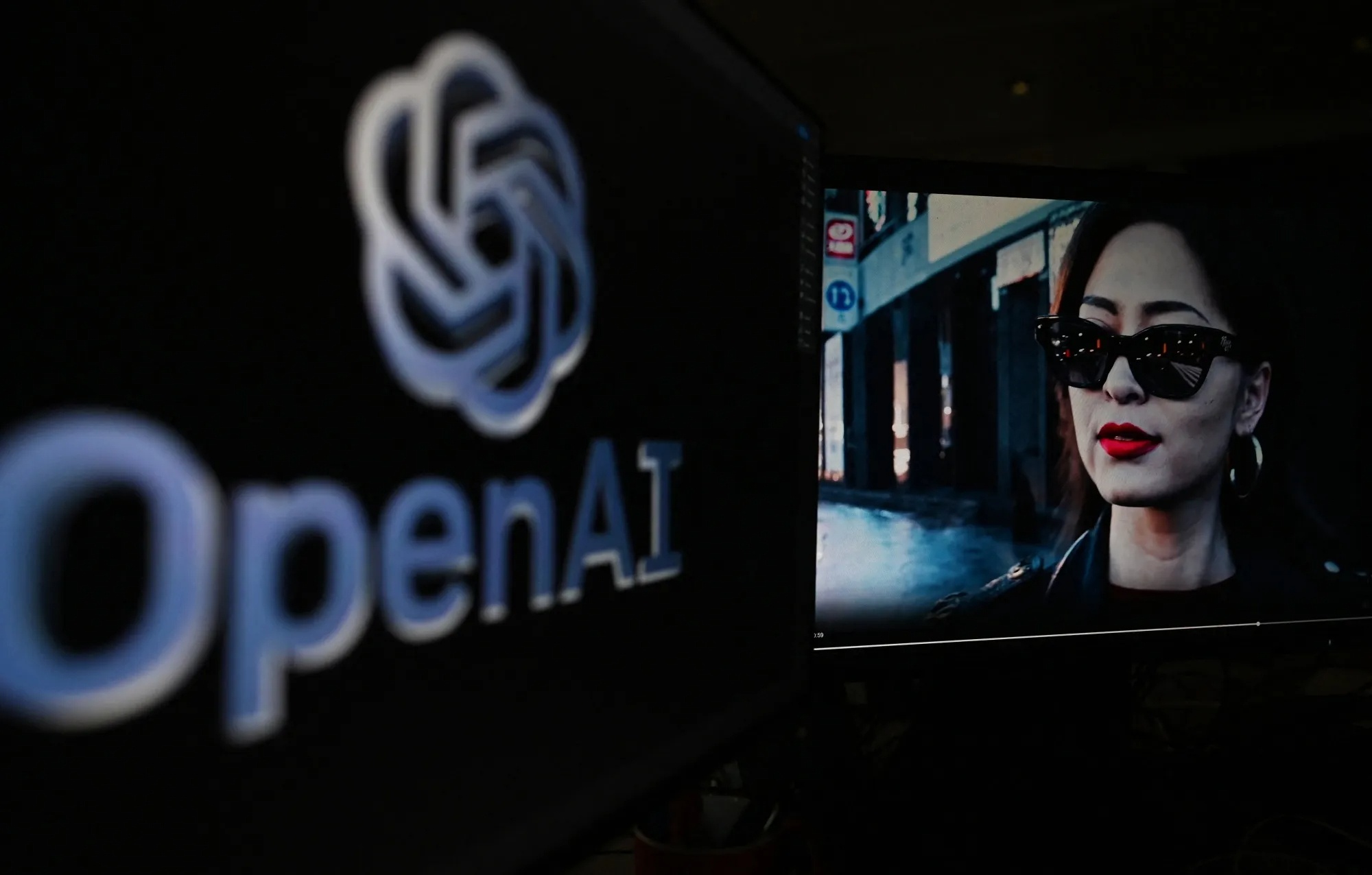 |
Videos produced using AI are becoming increasingly realistic. Photo: Bloomberg . |
According to some photography experts, AI's ability to simulate familiar flaws can help models avoid falling into the "unusual valley," a state where images closely resemble reality but still create a sense of unease for the viewer. Instead of recreating reality, AI simply needs to mimic how humans capture images with all their inherent limitations and inaccuracies.
This development poses a significant challenge to the ability to distinguish between genuine and fake images. As AI images increasingly resemble conventional photographs, identifying their origin becomes more difficult. In response to this, the C2PA Content Credentials standard is being implemented to add cryptographic signatures to images, enabling traceability from the moment of creation.
Currently, most photos taken with smartphones lack authentication information, while the line between digitally edited images and those created entirely by AI is becoming increasingly blurred. Until standards are uniformly implemented across hardware and sharing platforms, users still need to exercise necessary caution regarding images in the digital space.
Source: https://znews.vn/nghich-ly-cua-ai-tao-anh-post1612058.html
![[Image] National Assembly discusses the implementation of the socio-economic development plan.](https://vphoto.vietnam.vn/thumb/1200x675/vietnam/resource/IMAGE/2026/04/20/1776696707422_ndo_br_img-20260420-185419-jpg.webp)

![[Photo] General Secretary and President To Lam meets with National Assembly delegates from ethnic minorities.](https://vphoto.vietnam.vn/thumb/1200x675/vietnam/resource/IMAGE/2026/04/20/1776696701056_a1-bnd-8331-3342-jpg.webp)


























































Comment (0)