


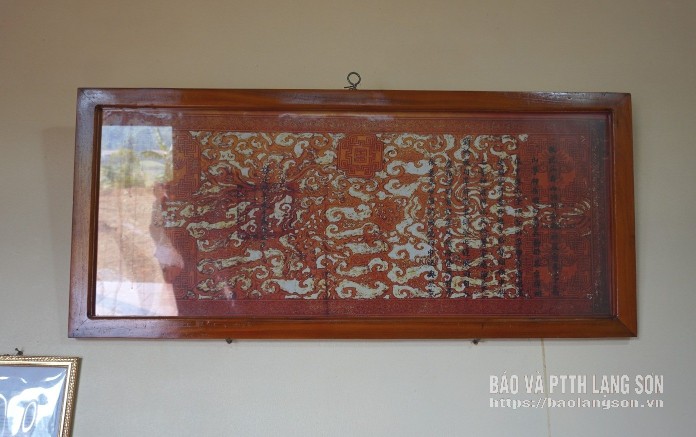
According to the historical and cultural relic inventory of the Provincial Department of Culture, Sports and Tourism, Trang Village communal house is the only typical religious structure of the ancient Trang village, dating back to around the 17th century. The communal house is dedicated to two Saints, Cao Son and Quy Minh – two generals who made great contributions during the Hung Dynasty and have been revered by the people for generations. The communal house was granted a royal decree by the Nguyen Dynasty in 1924 during the reign of Emperor Khai Dinh, affirming its position in the religious life of the local community.
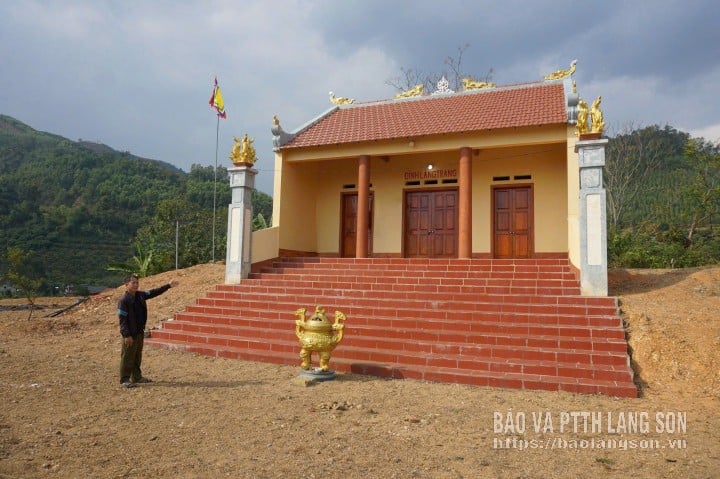
According to the elders, the Trang Village communal house was originally built with wooden pillars and a thatched roof. It was later rebuilt more solidly in 1936 in the traditional three-bay house style. Due to the impact of historical circumstances, especially in the 1960s, the communal house deteriorated, many parts were dismantled , and for a time it only existed in the memories of the local people.
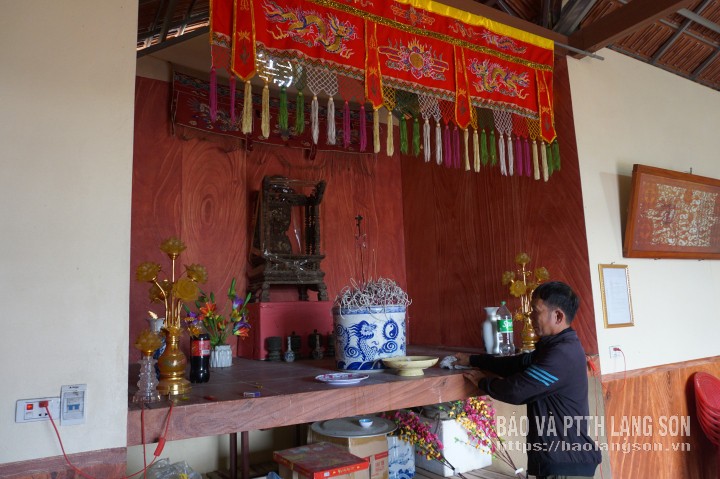
Nevertheless, in the community's consciousness, the communal house has never disappeared. Driven by the desire to preserve the village's cultural and spiritual space, in October 2023, the Trang Village communal house officially began its reconstruction on new land, about 100 meters from its original location. The completed structure has a foundation area of approximately 60 m², with a total area of nearly 2,000 m², aiming to meet the cultural and spiritual needs of the villagers. The project symbolizes the joint efforts of the government and the people: households donated land, and the people of the two villages of Lang Ha and Dong Ghe contributed 90 million VND along with construction materials. In addition to reconstructing the communal house, in recent years, the government and the people have also invested in infrastructure; the road leading to the communal house has been paved with stone, contributing to creating favorable conditions for people and tourists from all over to visit and worship.
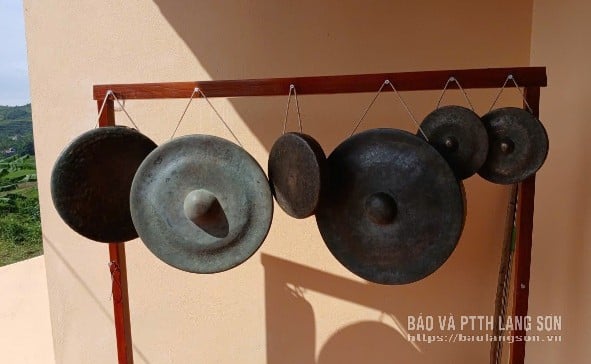
One of the factors contributing to the special value of Lang Trang communal house is the system of ancient artifacts and relics that have been preserved, most notably the 1924 royal decree from King Khai Dinh, along with the altar, bronze gongs, porcelain incense burners, porcelain religious objects, flags, and ceremonial umbrellas. These are important historical and cultural documents, reflecting the formation and existence of the monument and the spiritual life of the local community.
Besides its historical significance, the vitality of Trang Village communal house is also clearly demonstrated through the annual festivals held on the 4th day of the first lunar month each year. In addition to the solemn ceremonies, Quan Son commune also organizes cultural and artistic programs to celebrate the festival, contributing to the preservation and promotion of traditional cultural identity . According to local statistics, the communal house receives approximately 4,000-5,000 visitors each year during the first lunar month.
Commenting on the value of the communal house, Mr. Vi Trung Kien, Deputy Head of the Culture and Social Affairs Department of Quan Son commune, said: “Trang Village communal house is a typical cultural and religious relic of Quan Son commune, embodying many historical, cultural, and spiritual values. The people's joint efforts in restoring the communal house demonstrate a highly commendable awareness of preserving heritage.”
Sharing the same sentiment, Mr. Hoang Van Phich, Deputy Head of the Management Board of Lang Trang communal house, said: "For the villagers, the communal house is not only a place of worship but also a place where each person can find peace of mind. Preserving the communal house means preserving the village traditions and the memories of our ancestors."
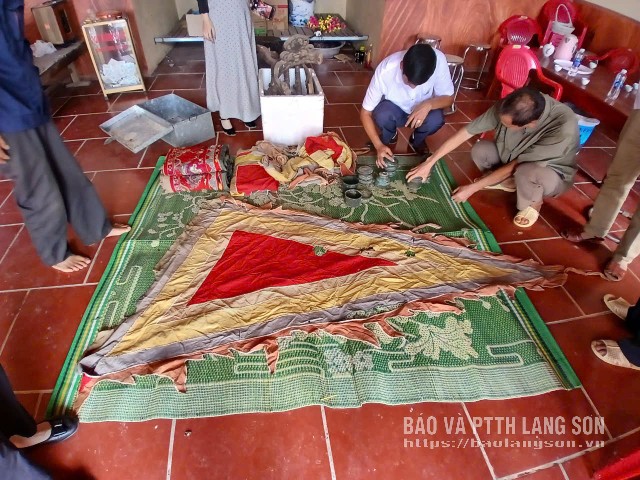
In October 2025, representatives from the Provincial Department of Culture, Sports and Tourism, along with leaders from the Provincial Museum, directly surveyed and assessed the historical, cultural, and spiritual values of Lang Trang communal house. Discussing the survey results, Mr. Nong Duc Kien, Director of the Provincial Museum, stated: “Although recently renovated with modern materials and on a modest scale, Lang Trang communal house still inherits traditional artistic features. The artifacts preserved at the communal house are important documents reflecting the formation and existence of the monument, serving as an initial basis for researching local culture and managing the monument in accordance with the Law on Cultural Heritage.”
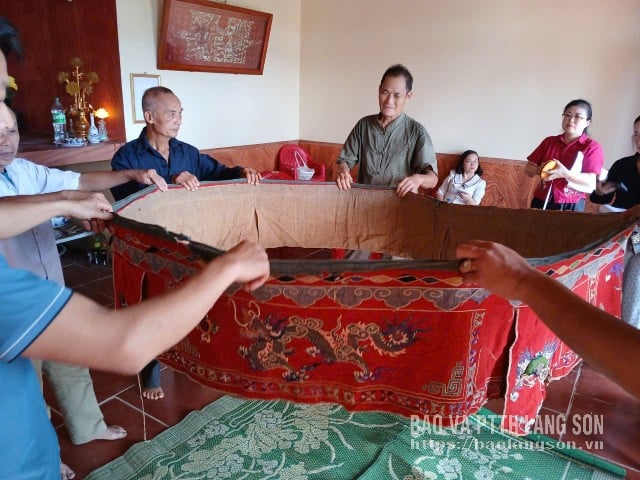
In the flow of modern life, Trang Village communal house continues to play a spiritual anchor for the community, contributing to the education of the tradition of "drinking water, remembering the source" and enriching the cultural identity of Quan Son region today and in the future.
Source: https://baolangson.vn/noi-giu-hon-dat-quan-son-5068554.html

![[Photo] General Secretary To Lam working with Ambassadors and Heads of Vietnamese representative offices abroad attending the 14th National Congress of the Party](/_next/image?url=https%3A%2F%2Fvphoto.vietnam.vn%2Fthumb%2F1200x675%2Fvietnam%2Fresource%2FIMAGE%2F2026%2F01%2F25%2F1769334314499_image.jpeg&w=3840&q=75)


Comment (0)