

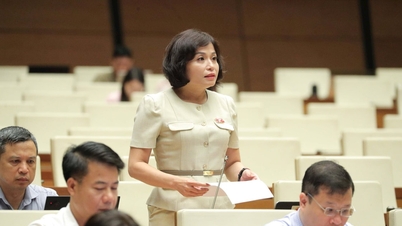
National Assembly Deputy Cam Ha Chung ( Phu Tho ):
Clearly define the coordination mechanism between agencies.
Regarding the principle of resource allocation, ensuring balance, focus, and feasibility, point a, clause 4, Article 1 of the draft Resolution stipulates the principle of prioritizing investment resources for poor communes, ethnic minority areas, and mountainous regions. I completely agree with this principle.
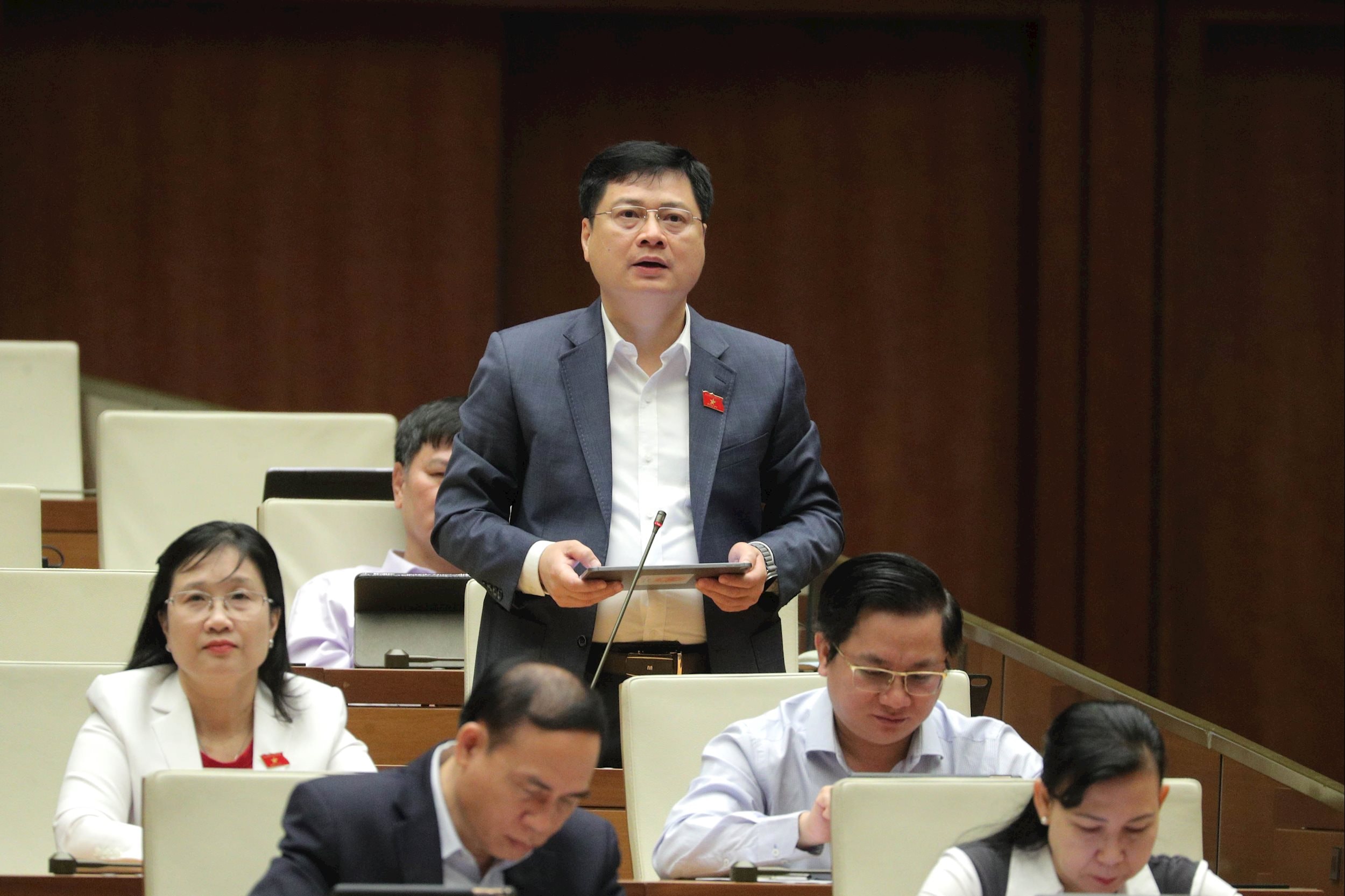
However, without clearly defined allocation structures for each component, implementation will be difficult, especially for the component on socio-economic development in ethnic minority and mountainous areas – where most localities lack the ability to balance their budgets and find it very difficult to meet the matching fund requirements.
Therefore, it is proposed to add the following to Clause 4, Article 1 of the principles for allocating central government budget funds to support the implementation of the program: The structure of central government and local government budget funds shall be determined according to each component of the program, in which, for the component on socio-economic development in ethnic minority and mountainous areas, the central government budget shall play a decisive role.
Regarding the responsibilities of agencies in implementing the Program, I agree that the Ministry of Agriculture and Environment should take overall lead. However, it is necessary to assign responsibility for each component; and to clearly define the coordination mechanism to ensure accountability and consistency. Therefore, I propose adding the following to Clause 2, Article 2 of the draft Resolution: The Prime Minister shall specify the coordination mechanism between ministries and agencies, especially the lead agency for each component, with relevant agencies to ensure unified direction and coordinated management; avoid overlapping responsibilities; and clearly define responsibilities in implementation, inspection, supervision, and disbursement of resources.
Regarding the monitoring of the Program's implementation, it is proposed that Article 4 be amended to include a provision stating that the Vietnam Fatherland Front, political organizations, and the community not only monitor but also participate in and track the implementation of the program's goals, tasks, and resource utilization, promptly identifying and recommending solutions to shortcomings and violations during the implementation process. This provision is consistent with the Law on Grassroots Democracy, increases transparency, fosters consensus, and empowers citizens as both the subjects of monitoring and beneficiaries of the Program's achievements.
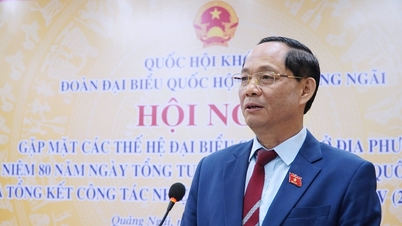
National Assembly Deputy Huynh Thi Anh Suong (Quang Ngai):
Establish appropriate matching fund ratios.
Point a, Clause 4, Article 1 of the draft Resolution states the principle of focused and targeted investment. However, the order of priority by region and target group is unclear. I propose clarifying the priority for investment in particularly difficult areas, border regions, islands, and ethnic minority areas, where the poverty rate is high, infrastructure is not yet synchronized, there are many difficulties, investment costs are high, but the ability to balance the budget is very limited. Clearly defining priority areas will help allocate capital more effectively, avoid spreading resources too thinly, create a clear ripple effect, and serve as a basis for effective inspection, supervision, and evaluation of investment results.
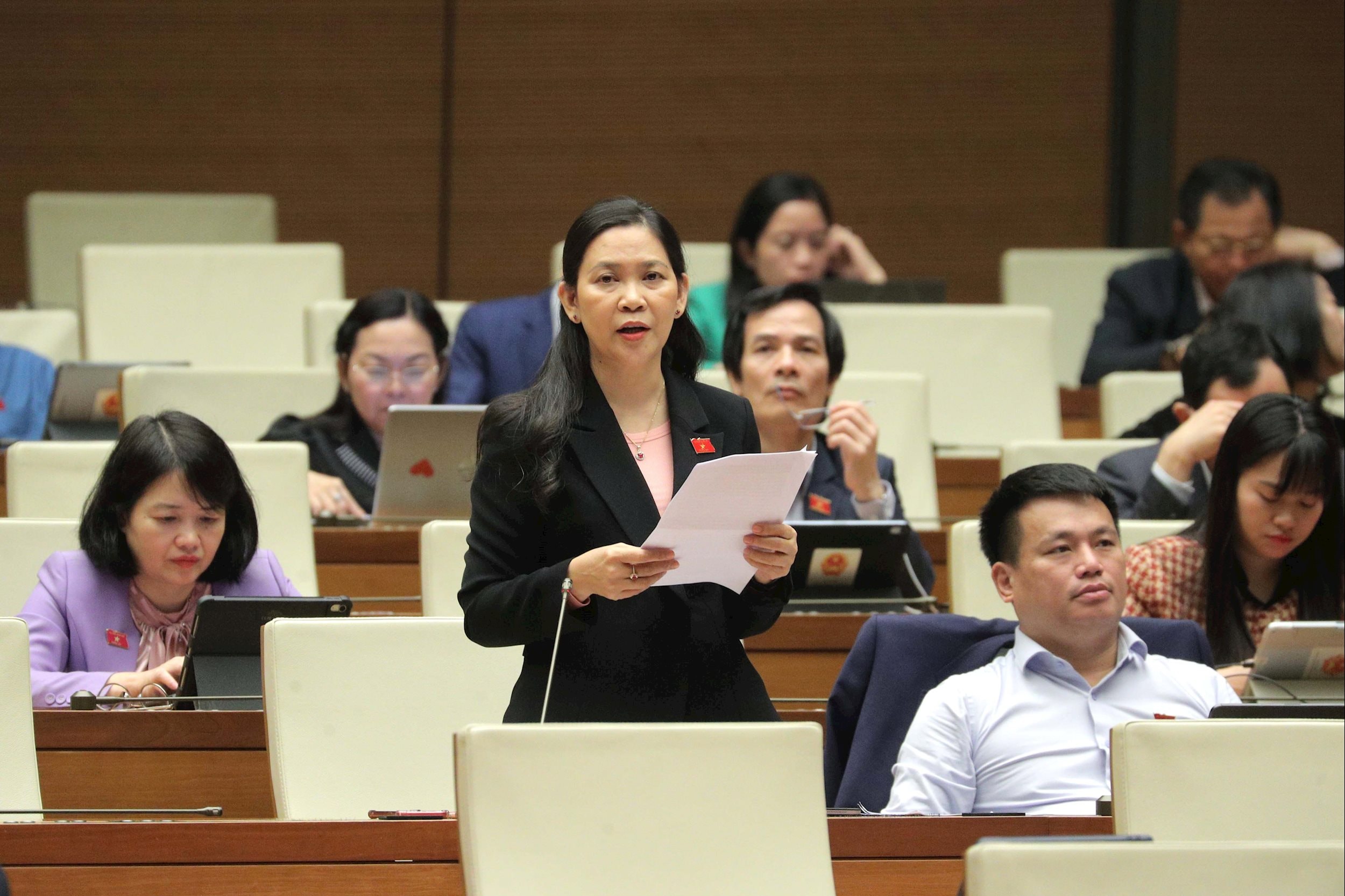
Furthermore, it is necessary to study and issue a national set of criteria for new rural areas at all levels for the period 2026-2035 and regulations on the national multidimensional poverty standard for the period 2026-2035 to create stability throughout the entire 10-year period. This will help provinces and cities proactively review, assess, plan, allocate resources, and organize the implementation of the program, avoiding major adjustments between 5-year periods.
At the same time, regulations should stipulate appropriate matching fund ratios, such as for localities that have not yet balanced their budgets and are receiving central government budget support of 70% or more, the matching fund ratio should be lower than for other localities or not required to contribute any funds at all. Furthermore, the principle for allocating central government budget funds is that the central government allocates funds to localities according to the total budget of the Program, allowing localities to proactively decide on implementation and assume responsibility.
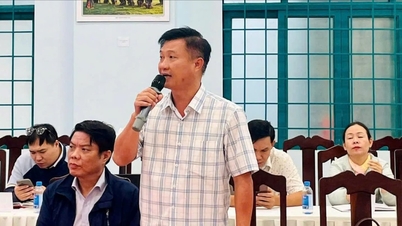
National Assembly Deputy Thach Phuoc Binh (Vinh Long):
Increase the proportion of central government budget, reduce pressure on local governments.
Regarding the timeframe and budget for implementation, the Program is defined as being implemented nationwide, prioritizing ethnic minority and mountainous regions. This approach is consistent with the characteristics of an integrated program, ensuring policy consistency while providing clear direction for disadvantaged areas where there are still significant gaps in income, infrastructure, and access to basic social services.
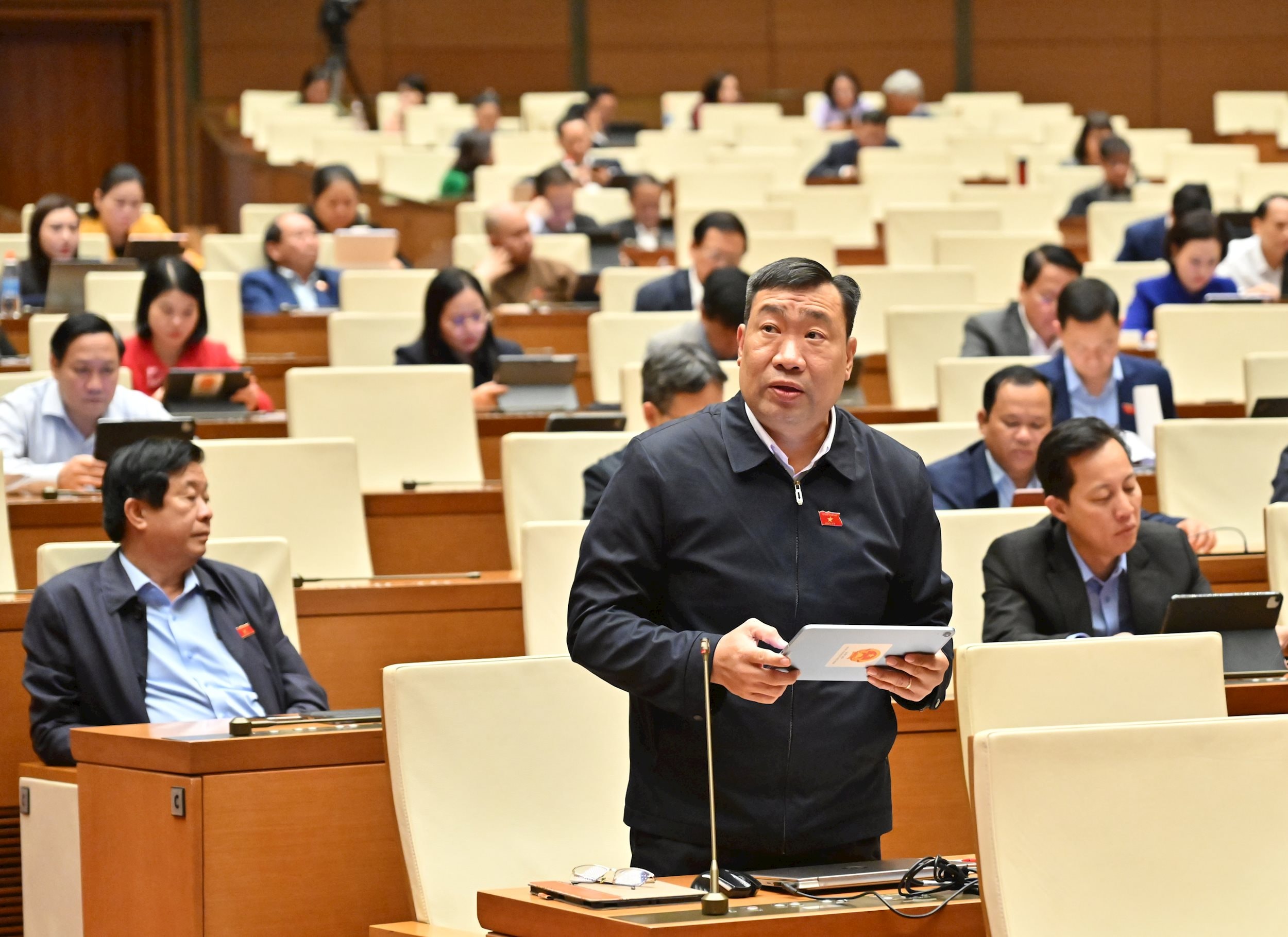
On the other hand, the Program is designed for a 10-year cycle, divided into two phases: 2026-2030 and 2031-2035. This arrangement allows for mid-term evaluation, adjustment of policies and resources as needed, while ensuring continuity in implementation.
However, the biggest problem lies in the funding structure, with a total capital of 500,000 billion VND for the period 2026-2030, of which the central budget accounts for only 100,000 billion VND and the local budgets amount to 400,000 billion VND.
I believe this structure does not accurately reflect the financial capacity of each region. Currently, most provinces in ethnic minority and mountainous regions have low budget revenues; the Central Highlands and the Southwest mainly rely on central government support. Therefore, requiring localities to contribute 80% of the total capital is difficult to achieve.
The draft Resolution also fails to clarify the mechanism for allocating capital based on the level of difficulty, and does not specify the proportion of capital for essential infrastructure, digital transformation, or the development of enterprises and cooperatives, while these are key elements for achieving the goals of a new, modern rural area and sustainable poverty reduction.
Therefore, I propose increasing the proportion of central government budget allocation to 180,000 to 200,000 billion VND to help reduce pressure on localities. Along with that, applying a capital allocation system based on three levels of difficulty will avoid equal and scattered allocation, ensuring that capital reaches the poorest and most disadvantaged areas; increasing investment efficiency, narrowing regional disparities, and helping localities proactively design plans that suit their capabilities and needs.
At the same time, mechanisms for mobilizing non-budgetary capital will be supplemented, striving to reach 25-30% of total resources; the proportion of capital allocated to digital transformation, essential infrastructure, and digital economic development will be clearly defined. These adjustments will ensure that the Program has sufficient resources for practical implementation and achieves sustainable goals in the 2026-2035 period.
Source: https://daibieunhandan.vn/phan-bo-nguon-luc-bao-dam-can-bang-trong-tam-kha-thi-10400588.html

![[Image] Leaked images ahead of the 2025 Community Action Awards gala.](/_next/image?url=https%3A%2F%2Fvphoto.vietnam.vn%2Fthumb%2F1200x675%2Fvietnam%2Fresource%2FIMAGE%2F2025%2F12%2F16%2F1765882828720_ndo_br_thiet-ke-chua-co-ten-45-png.webp&w=3840&q=75)

![[Photo] Prime Minister Pham Minh Chinh receives Lao Minister of Education and Sports Thongsalith Mangnormek](/_next/image?url=https%3A%2F%2Fvphoto.vietnam.vn%2Fthumb%2F1200x675%2Fvietnam%2Fresource%2FIMAGE%2F2025%2F12%2F16%2F1765876834721_dsc-7519-jpg.webp&w=3840&q=75)
![[Photo] Prime Minister Pham Minh Chinh receives the Governor of Tochigi Province (Japan)](/_next/image?url=https%3A%2F%2Fvphoto.vietnam.vn%2Fthumb%2F1200x675%2Fvietnam%2Fresource%2FIMAGE%2F2025%2F12%2F16%2F1765892133176_dsc-8082-6425-jpg.webp&w=3840&q=75)





































![[Photo] Prime Minister Pham Minh Chinh attends the Vietnam Economic Forum 2025](https://vphoto.vietnam.vn/thumb/402x226/vietnam/resource/IMAGE/2025/12/16/1765893035503_ndo_br_dsc-8043-jpg.webp)





















Comment (0)