

Actively choose your livelihood model.
The National Target Program for Socio -Economic Development of Ethnic Minority and Mountainous Regions (DTTS-MN) for the period 2021-2025, as stipulated in Decision No. 1719/QD-TTg dated October 14, 2021, of the Prime Minister, is being implemented in ethnic minority and mountainous regions within Thua Thien Hue province (now Hue City).
Priority will be given to particularly disadvantaged communes, villages, and hamlets in areas III, II, and I with villages and hamlets inhabited by ethnic minorities; the Provincial Ethnic Boarding School and the ethnic boarding secondary schools in A Luoi and Nam Dong districts where ethnic minority children are studying; and 24 communes in 4 districts as specified in Decision 861/QD-TTg that are eligible for the National Target Program 1719.
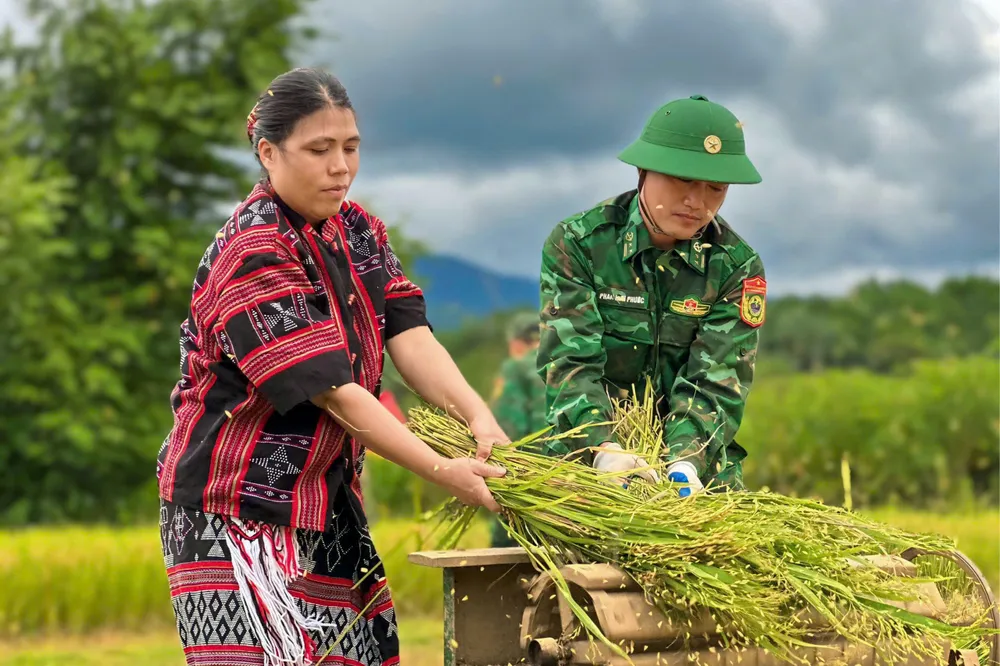
In the A Lưới area, more and more ethnic minority households are rising above poverty on their own, becoming role models that inspire others in the community and create a sustainable foundation to prevent re-poverty.
Following the Government's directives, Hue City has prioritized and focused resources on implementing numerous policies and national target programs, including the National Target Program on socio-economic development in ethnic minority and mountainous areas for the period 2021-2025, effectively, gradually helping people stabilize their lives and rise out of poverty sustainably.
After 5 years of implementation, the poverty rate in Hue decreased by an average of 0.95% per year, exceeding the target set by the Government and the Hue City Party Committee (0.7–0.75% per year). By the end of 2024, the poverty rate was 1.4%, achieving the goal one year ahead of schedule compared to Resolution 11-NQ/TU. This result significantly contributes to the goal of making Hue a centrally-governed city from January 1, 2025. It is projected that by the end of 2025, the poverty rate will be below 1.2%, equivalent to approximately 3,870 households.
A notable aspect of sustainable poverty reduction in this locality is the shift in the role of the people: from beneficiaries to active participants, choosing suitable livelihood models, boldly borrowing capital, learning vocational skills, and applying new techniques. Many poor households have risen out of poverty on their own, becoming role models that inspire others in the community, creating a sustainable foundation to prevent re-poverty.
Furthermore, people have clearly benefited from policies supporting livelihoods, preferential loans, housing, clean water, healthcare, education, and vocational training – employment. For ethnic minorities and people in remote areas, these policies have brought about significant changes in their living conditions, access to information, and production opportunities.
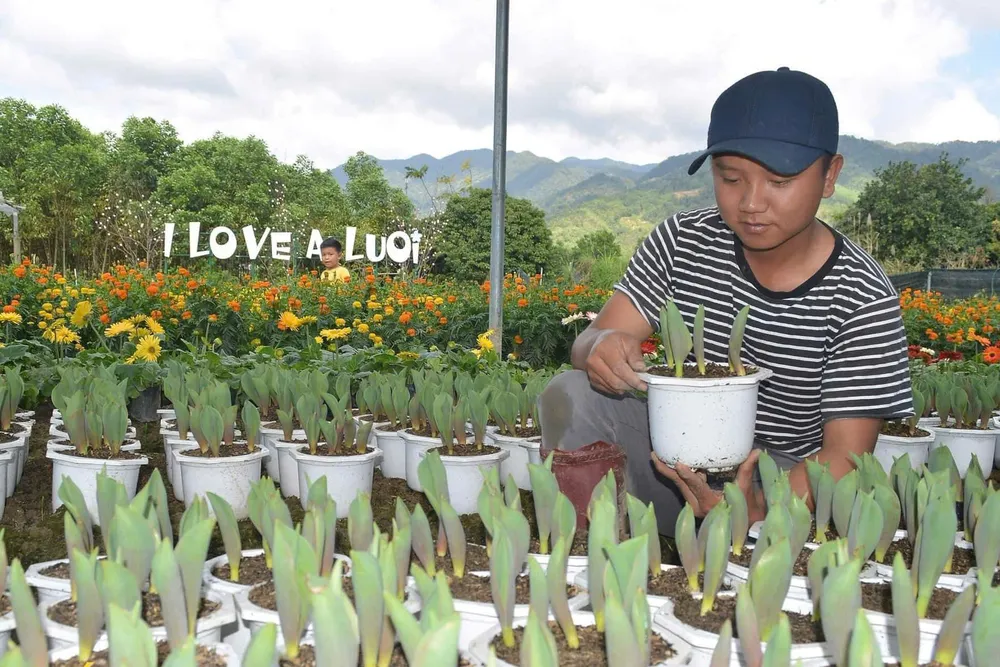
The model of growing flowers in cold climates is helping the people of A Lưới rise out of poverty.
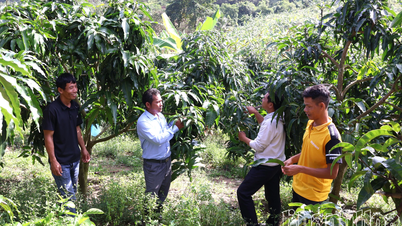
In A Luoi 3 commune, the livestock farming model of Ms. Le Thi Thuy (Quang Loc village) is a prime example. Starting on a small scale, she expanded based on trained techniques, transitioning to a closed-loop model with disease and environmental control. As a result, she maintains 70-80 pigs and 500-700 chickens and Muscovy ducks annually, providing a stable income – a shining example of poverty alleviation in mountainous areas.
Many other models, such as the fruit orchard of Mr. Van Dinh Tho (Vinh Loi village) or the tangerine cultivation of Mr. Ngo Van Tuat (Quang Loc), also bring good income and form a mutual support network within the community.
Mr. Doan Thanh Hung, Chairman of the People's Committee of A Luoi 3 commune, said that the government regularly inspects and provides support in terms of capital, livestock, science and technology, and market connections... to ensure that people not only escape poverty but also achieve sustainable development.
The leaders of the Department of Agriculture and Environment – the permanent agency of the Hue City Poverty Reduction Program – affirmed that during this period, poverty reduction policies have been implemented synchronously. Poverty reduction work in the area has been focused on by all levels, sectors, and localities, with timely leadership, direction, and implementation, and with the participation of the entire society.
Hue City's national target program for sustainable poverty reduction has achieved many important results, demonstrated by the increased mobilization and allocation of budget and the integration of resources to achieve poverty reduction goals. The awareness and responsibility of the people in poverty reduction efforts have been enhanced. Poverty reduction support policies have become a foundation for poor and near-poor households to stabilize their lives, creating motivation for the poor to escape poverty sustainably.
The goal is to essentially eliminate poverty by 2030.
Over the past period, with the decisive involvement of all levels and sectors, and the concerted efforts and determination of the entire population, the implementation of ethnic policies, especially the National Target Program for socio-economic development in ethnic minority and mountainous areas in Thua Thien Hue province (now Hue City) for the period 2021-2025, has become increasingly effective. The material and spiritual lives of ethnic minorities have been improved, contributing to ensuring social security and sustainable poverty reduction .
Rural and mountainous infrastructure has received significant investment, with many transportation projects, water supply projects, irrigation projects, and other facilities being constructed.
Many households have received support in the form of production land, the completion of resettlement projects, and the commencement of new construction projects within resettlement areas. This has created the best possible conditions to help ethnic minority people in mountainous regions develop economically and achieve sustainable poverty reduction.
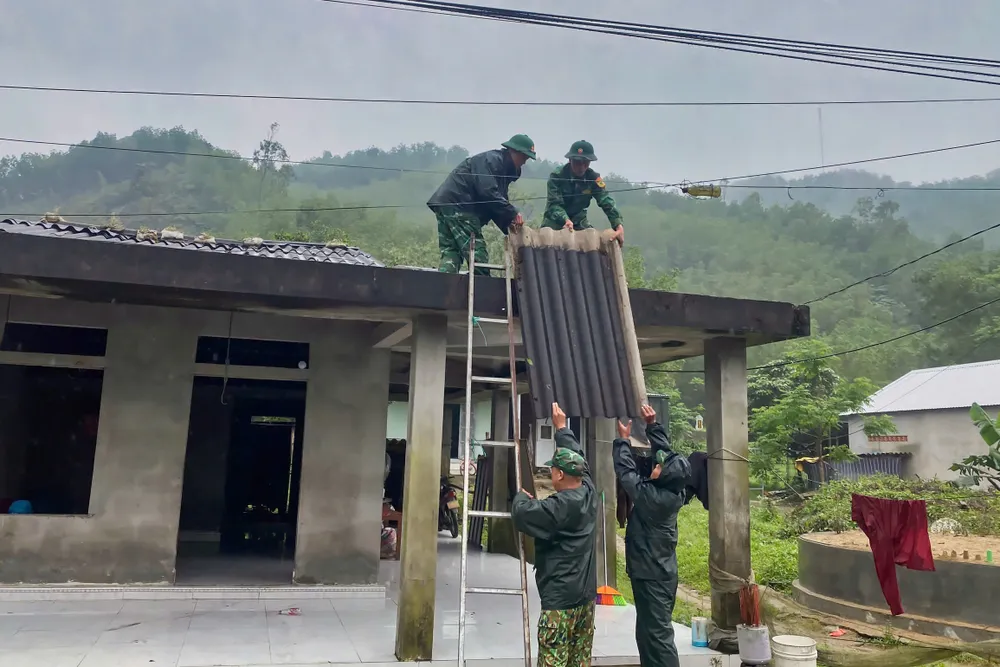
Repairing and demolishing dilapidated houses for the people of A Lưới.
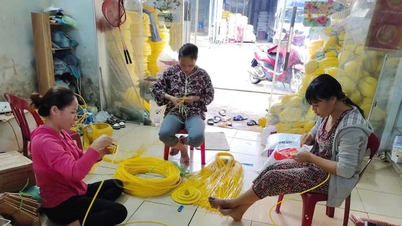
Thousands of poor and near-poor households have received support in the form of capital, vocational training, agricultural technology transfer, and the development of household economic models, cooperatives, and associations linked to the market. Many households have boldly innovated their farming models, shifting to service, trade, and tourism activities, thereby increasing their income. The percentage of trained workers in suburban areas and ethnic minority regions has increased significantly.
Inspection and monitoring are carried out regularly. The government assigns officials to monitor specific areas, ensuring that resources reach the right people and the right purposes; at the same time, it seeks broad public opinion when issuing policies to ensure that no truly needy poor households are overlooked.
It is evident that, with the strong determination and efforts of the Party Committee, government, and people, the economy of ethnic minority areas in Hue City has been developing steadily. In the future, there will be continued specific policies on socio-economic development for ethnic minority communities. At the same time, effective implementation of policies on education and training to improve the quality of ethnic minority human resources; policies on agricultural and forestry development; policies on improving the quality of healthcare services; cultural and social development; and environmental protection will continue.
Entering the period 2026–2030, Hue City aims to reduce the poverty rate by an average of 0.3–0.4% per year and essentially eliminate poverty by 2030. At least 50% of poor communes will meet the standards of new rural areas.
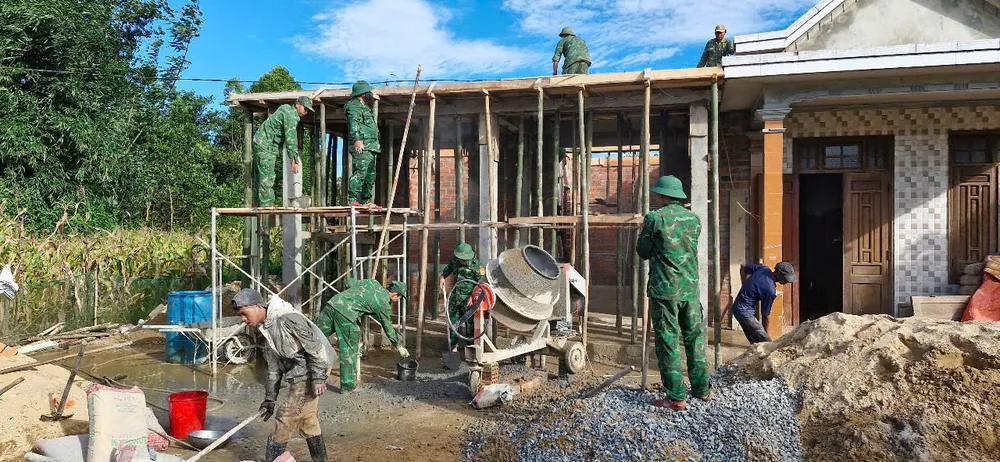
Hue City Border Guard troops assist people in A Luoi district in demolishing temporary houses.
According to Nguyen Thanh Binh, Standing Vice Chairman of the Hue City People's Committee, these goals demonstrate a determination to achieve sustainable development and ensure that all citizens have the opportunity to improve their quality of life.
Hue City will focus on investing in socio-economic infrastructure in disadvantaged areas, mountainous regions, coastal plains, and islands; support the construction of regional connectivity infrastructure and vocational education facilities; and continue to support poor and near-poor households in accessing basic social services such as employment, healthcare, education, clean water, housing, and information.
Hue also aims to eliminate temporary housing for poor households, develop social housing, and ensure that 100% of the population has access to clean water and sanitary toilets.
VAN THANG
Source: https://www.sggp.org.vn/don-bay-phat-trien-kinh-te-xa-hoi-vung-dong-bao-dan-toc-thieu-so-post828608.html




















































































Comment (0)