

In the context of many localities facing the need to innovate their growth models and seek sustainable economic development linked to improving people's lives, community-based tourism is gradually asserting its role as one of the appropriate and effective solutions. In Lang Son, this type of tourism is not only considered a new direction for the local tourism industry but also a crucial "key" contributing to creating livelihoods, solving employment problems, and sustainably reducing poverty for people in rural and mountainous areas.
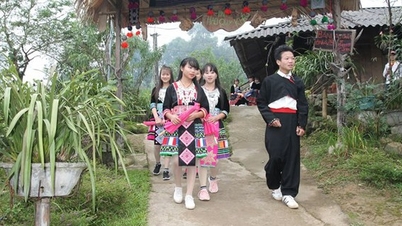
Community-based tourism is developed on the foundation of exploiting traditional cultural values, natural landscapes, and the distinctive lifestyles of local communities. Instead of investing in large-scale resorts, this model encourages people to directly participate in the tourism chain by providing accommodation, food , cultural experiences, production work, and daily life activities. Through this, tourism not only generates revenue but also contributes to preserving and promoting national cultural identity, creating motivation for the community to work together for development.

Practical implementation in Lang Son shows that community-based tourism is not simply a tourism product but has become a highly impactful economic solution, especially in disadvantaged areas. By effectively utilizing existing advantages, many rural areas that previously relied primarily on traditional agricultural production with unstable incomes are gradually transforming, forming attractive destinations that draw domestic and international tourists.
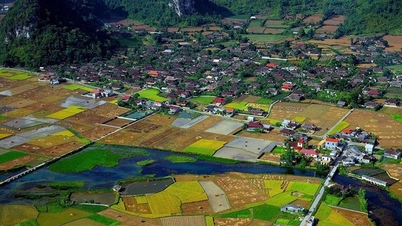
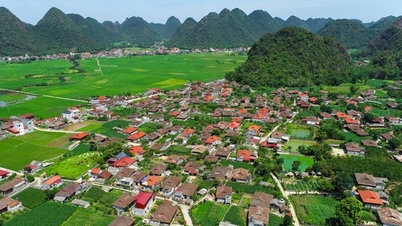
One of the exemplary localities in this transformation is Bac Son commune. In recent years, people in the commune have proactively participated in developing community tourism, considering it a long-term direction to improve their income. A prime example is the family of Mr. Duong Cong Trich, one of the pioneering households that boldly transformed their livelihood model.
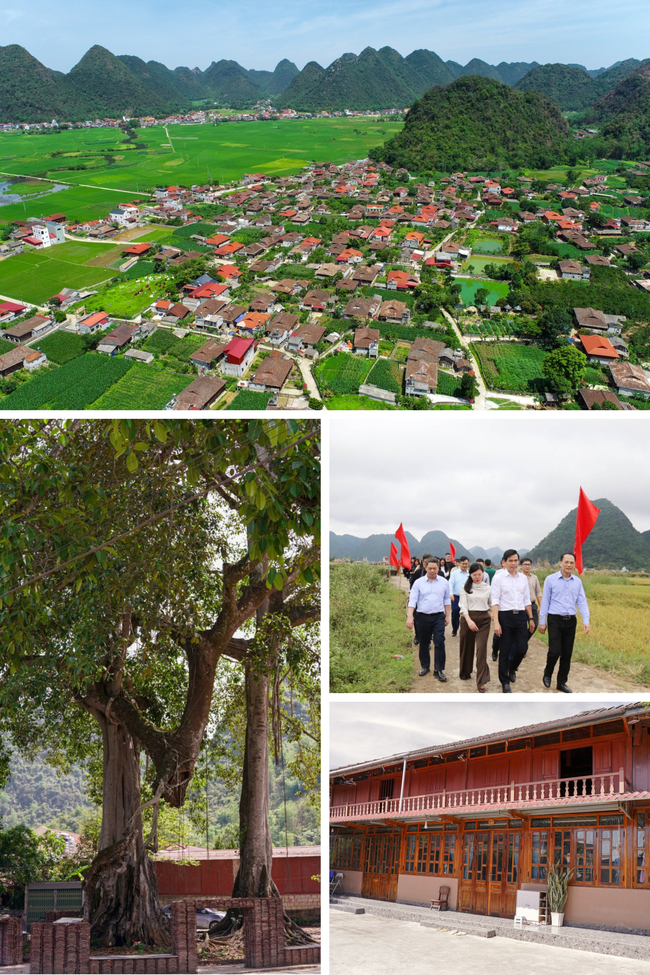
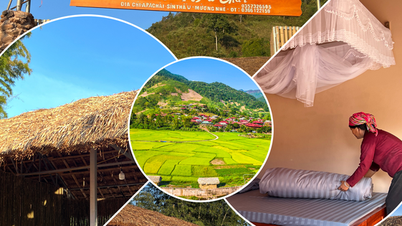
In 2010, when community-based tourism was still a relatively new concept in the area, Mr. Trích proactively borrowed capital and gradually shifted from livestock farming and crop cultivation to investing in tourism services. He renovated and upgraded traditional stilt houses to accommodate guests, while preserving the living space and distinctive lifestyle of the local people.
Sharing his thoughts on this bold decision, Mr. Duong Cong Trich said: "Running a homestay business not only brings income to my family but also creates jobs for people in the village, contributing to poverty reduction. Income from tourism is much higher than from agricultural production. Just welcoming 2-3 groups of tourists each month is equivalent to a whole year's income from farming. That's what motivates my family to continue investing and expanding our tourism business."
From just a few initial households, the Quynh Son community tourism village now boasts 12 accommodation establishments, gradually establishing itself as a branded destination on the province's tourism map. Community tourism here not only provides a stable income for participating households but also creates a ripple effect, encouraging people to preserve traditional stilt house architecture and conserve local cultural values.

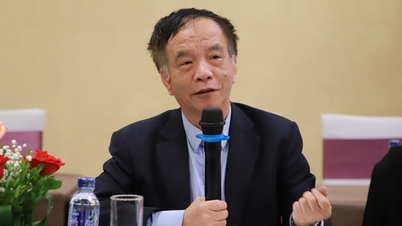
According to Mr. Trinh Minh Tuan, Chairman of the People's Committee of Bac Son commune, community tourism has been bringing many practical benefits to the locality. First of all, this model helps create local jobs for people, generating diverse income through accommodation, food services, guided tours, and the sale of local products. More importantly, tourism activities also contribute to raising awareness of preserving and promoting traditional cultural values within the community.
In the first 11 months of 2025 alone, the Quynh Son community tourism village welcomed nearly 16,000 visitors, including nearly 1,000 overnight guests. These figures not only reflect the growing appeal of the destination but also demonstrate the clear effectiveness of developing tourism in conjunction with the local community.

Not only Bac Son, but Huu Lien commune is also considered one of the "bright spots" of Lang Son province in developing community tourism. With its pristine natural landscapes, fresh air, and unique cultural life of the ethnic minorities, Huu Lien has become an attractive destination for tourists who love to experience and explore.
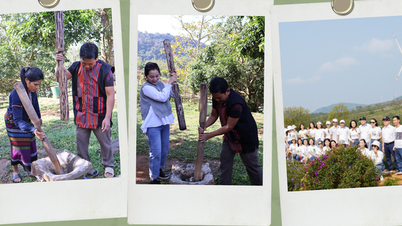
Visiting Huu Lien community tourism village, tourists not only get to immerse themselves in nature but also have the opportunity to directly participate in daily activities with the local people, enjoy traditional Then singing, and experience local cuisine with characteristic dishes such as sticky rice cake, sausage, mountain snails, grilled stream fish, etc.
Ms. Leo Thi Thim's family is one of the first households in Huu Lien commune to participate in building a homestay model called Green Forest Homestay. Previously, her family's livelihood mainly depended on agricultural production, resulting in unstable income. In 2017, after being encouraged by the local government to develop community tourism, her family boldly borrowed 50 million VND to repair and renovate their traditional stilt house and design additional rooms to serve tourists.
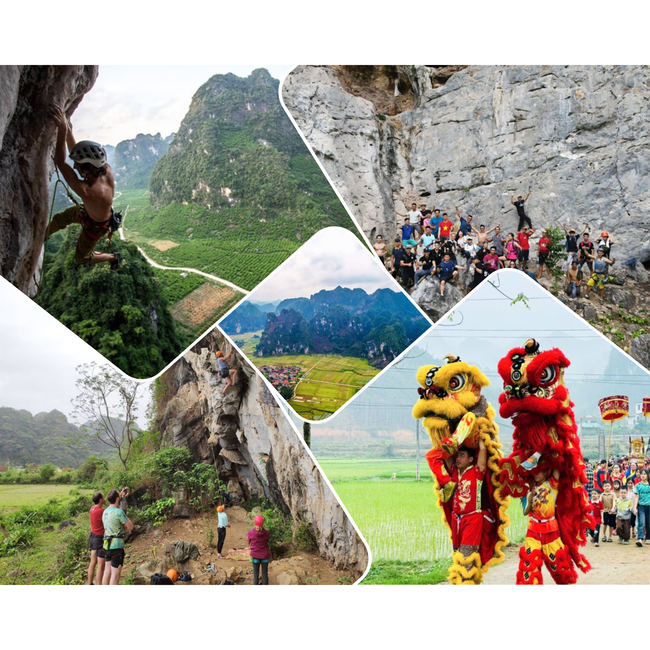
By 2020, recognizing the increasing demand from tourists, her family continued to invest in building a new homestay, while also expanding experiential services such as foot baths, traditional Dao herbal baths, making black sticky rice cakes and pumpkin cakes, kayaking on the lake, etc. Currently, the two homestays owned by Ms. Thim's family are operating stably, welcoming an average of 180 to 200 guests per month. After deducting expenses, the income reaches approximately 45 million VND per month.
The success of pioneering models like Ms. Thim's family has motivated many other households in Huu Lien commune to participate in tourism development. After more than 8 years of implementation, the Huu Lien community tourism village now has 36 homestays serving tourists, forming an increasingly diverse and professional service chain.
According to Mr. Khong Hong Minh, Vice Chairman of the People's Committee of Huu Lien commune, in the past, the lives of the people, especially in remote villages, were difficult due to their dependence on agricultural production. However, by taking advantage of the natural landscape and promoting the unique cultural values of the ethnic groups, the locality has gradually developed many attractive tourism products such as brocade, herbal medicine, traditional wine, and local cuisine…
Community-based tourism has helped people find jobs right in their hometowns, increasing their income, and enabling many households to escape poverty. From the beginning of the year until now, Huu Lien community-based tourism village has welcomed over 42,000 visitors, with estimated tourism revenue exceeding 15.3 billion VND. Average per capita income is estimated to reach 42 million VND in 2025, and the poverty rate is expected to decrease to 4.2%.
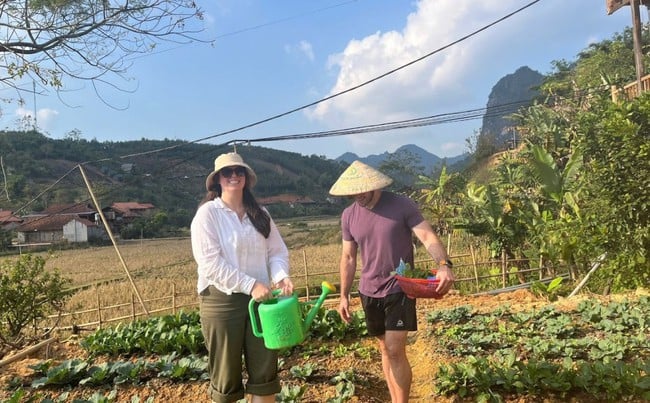
Besides Huu Lien and Quynh Son, Lang Son province currently has four more community tourism villages recognized by the Provincial People's Committee, including: the community tourism village of the former Yen Thinh commune (now part of Huu Lien commune), the community tourism village of Vu Lang commune, the community tourism village of Mong An commune (formerly Binh Gia district, now Binh Gia commune), and the community tourism village of Chien Thang commune (formerly Bac Son district, now Vu Le commune). Many of these sites, after being invested in and put into operation, have shown clear effectiveness.
In reality, when people engage in tourism based on their own cultural identity, they not only preserve traditions but also create opportunities for sustainable economic development. Community tourism thus becomes a harmonious "bridge" between conservation and development.
Recognizing these efforts, in 2025, the Huu Lien and Yen Thinh community tourism destinations were honored with the ASEAN Tourism Award in the categories of Community Tourism Village and Homestay Cluster. In particular, the Quynh Son Community Cultural Tourism Village was recognized by the United Nations World Tourism Organization (UN Tourism) as the Best Tourism Village of 2025. This is well-deserved recognition for the efforts of the local government and people in developing sustainable tourism.

To achieve these results, the tourism industry in Lang Son province has implemented a comprehensive set of solutions. These include focusing on supporting investment in infrastructure and technical facilities at tourist destinations; organizing training courses to improve the skills of households participating in community-based tourism businesses; providing equipment and tools to standardize food and accommodation services; and developing experiential service models for tourists.
From 2023 to the present, the Department of Culture, Sports and Tourism has coordinated with localities to promote and encourage households to register to participate in the ASEAN-standard homestay model; at the same time, improving the quality of human resources, building a system of signposts, and improving tourism infrastructure. Tens of billions of VND have been mobilized from the state budget and social resources to invest in community tourism destinations.
In particular, the authorities organized more than 10 training courses for local people on ASEAN tourism criteria such as housing conditions, food safety and hygiene, communication skills, housekeeping, table service, and reception. Many households were also given the opportunity to visit and learn from exemplary community tourism destinations in other provinces and cities.
In order to further affirm and enhance the brand of community tourism, on July 15, 2025, the People's Council of Lang Son province issued Resolution No. 19 on a number of policies to support the development of community tourism associated with promoting the value of the UNESCO Lang Son Global Geopark in the period 2025 – 2030.
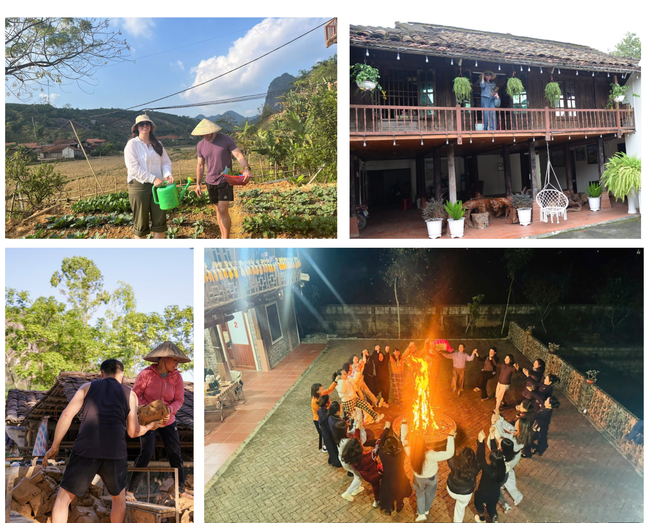
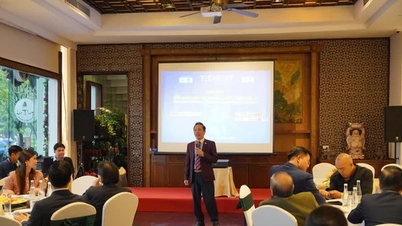
According to Mr. Luu Ba Mac, Deputy Director of the Department of Culture, Sports and Tourism, immediately after the Resolution was issued, the Department promptly sought opinions from various sectors, localities, businesses, and households, and simultaneously developed inter-sectoral guidelines for implementation. This demonstrates the determination to bring policies into practice quickly and effectively.
It can be affirmed that developing community-based tourism is a suitable direction for Lang Son's natural conditions, tourism resources, and unique cultural characteristics. This model not only contributes to the preservation of cultural heritage and environmental protection but also creates resources for economic development and improves the quality of life for the people, especially ethnic minorities in remote, mountainous, and border areas. Therefore, community-based tourism is and will continue to be an important pillar in Lang Son province's sustainable tourism development strategy in the coming years.
Source: https://bvhttdl.gov.vn/du-lich-cong-dong-dong-luc-thoat-ngheo-ben-vung-o-lang-son-20251214095137725.htm




























































Comment (0)