

 |
Ronaldo is on strike in Saudi Arabia. |
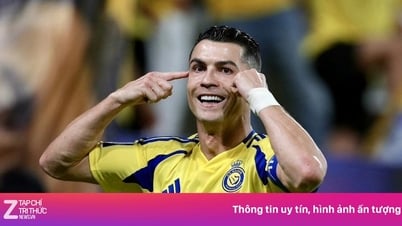
At 41, Cristiano Ronaldo is no longer battling time on the pitch, but is entering another equally harsh confrontation: a clash with the power structure of the league in which he was once considered an icon.
CR7's absence from Al Nassr's second consecutive match, this time against Al Ittihad on the morning of February 7th, shows a conflict that extends beyond the professional sphere and into a "cold war" between the biggest individual and the biggest system in Saudi Arabian football.
The tension stemmed from Karim Benzema's move to Al Hilal, approved by the league during the winter transfer window. For Ronaldo, this was more than just a signing; it was a symbol of imbalance.
In the midst of a fierce title race, the fact that a direct rival had significantly strengthened their squad made him feel that the principle of "level playing field" had been broken. Ronaldo's reaction was clear: he refused to play, refused to train, and made no attempt to hide his dissatisfaction.
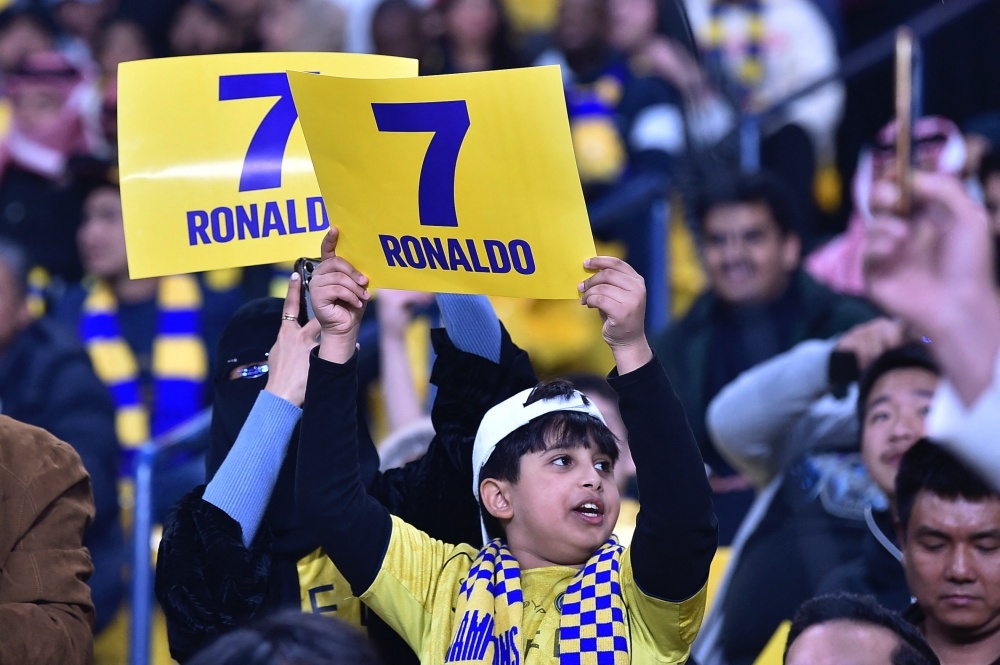 |
Al Nassr fans still adore Ronaldo. |
From the Saudi Pro League's perspective, this is an unbreakable line. The league organizers quickly issued a statement, emphasizing that no individual, regardless of their stature, has the right to influence decisions beyond the club's purview.
This message is principled: each team operates independently, taking full financial and strategic responsibility within the established framework. Al Hilal's funding comes from private sponsors, not from the league or the PIF Fund, and that – according to the organizers – is perfectly legitimate.
This is the crucial point of contact. Ronaldo came to Saudi Arabia not just to play, but also as a global icon, someone who helped pave the way for a wave of stars to arrive in the Middle East.
Over the past two years, the image of the Portuguese superstar has been closely linked to the ambition of elevating the Saudi Pro League. But as the league enters a more stable phase, order takes precedence over individualism, even if that individual is Ronaldo.
CR7's voluntary "strike" was therefore more symbolic than having a professional impact. Al Nassr lost its biggest star, the league lost its most media-attracting figure, but the Saudi Pro League chose to stand its ground. They acknowledged Ronaldo's legitimate desire to win, but at the same time demanded that he demonstrate it on the pitch, not through pressure from the sidelines.
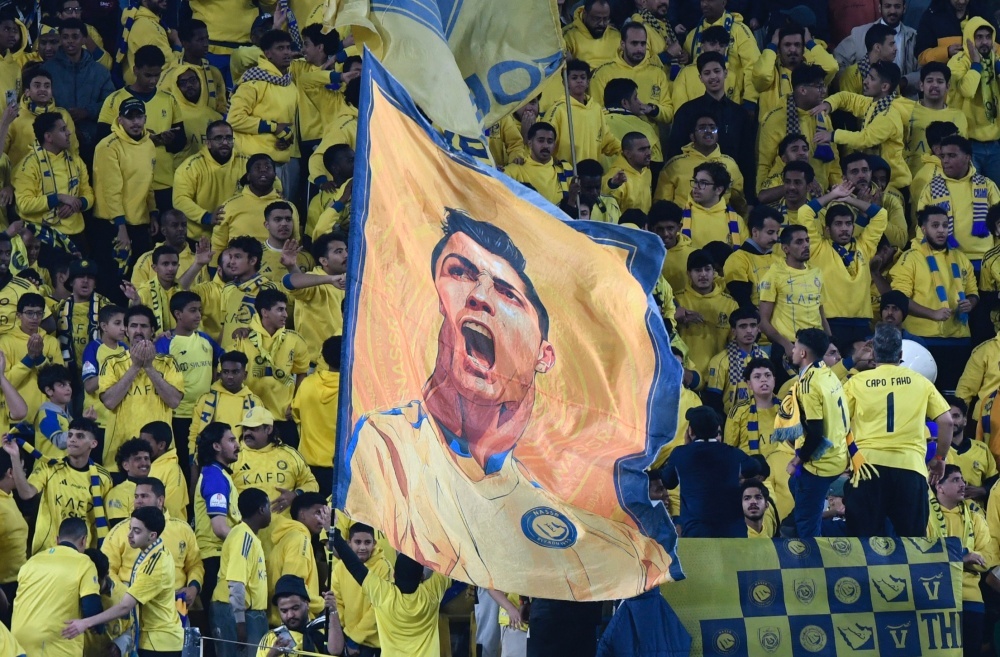 |
Images of Ronaldo appeared in the stands. |
For Al Nassr fans, the support for the number 7 remains strong. The signs bearing Ronaldo's name displayed in the stands serve as a reminder that he is not alone.
However, such support is unlikely to change the established power structure. Saudi Arabian football is no longer a stage where a single star can shape the entire narrative.
What interests observers most is Ronaldo's next move. According to Portuguese media, his contract with Al Nassr, which runs until 2027, has a release clause worth approximately 50 million euros.
Activating that clause in the summer isn't an impossible scenario, if tensions continue to escalate. But leaving would also mean admitting defeat in a confrontation with a system he was once at the center of.
At 41, Ronaldo faces the most difficult choice since leaving Europe: compromise to continue playing in his familiar environment, or step out of Saudi Arabia as a challenger to the established order. Whichever path he chooses, this confrontation exposes a reality: the Saudi Pro League is transforming from a "league for stars" to a "systemic league," and even Cristiano Ronaldo is not exempt from this trend.
Source: https://znews.vn/ronaldo-thach-thuc-saudi-pro-league-post1625982.html































































Comment (0)