


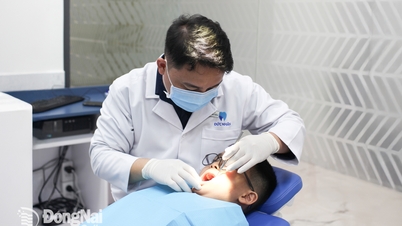
Many people want to have bright white teeth, but are afraid of tooth sensitivity when whitening - Photo: BSCC
Many people want a brighter, more confident smile, but are haunted by the fear of tooth sensitivity after bleaching. So what is the truth?
Explanation from a scientific perspective
In fact, when whitening teeth, a feeling of sensitivity can occur but is not a cause for concern. Teeth whitening does not "dye" or "whiten" the teeth, but is based on an oxidation reaction. When whitening, the oxidizing agent (usually hydrogen peroxide or carbamide peroxide) penetrates the enamel to break the bonds between the staining molecules and the enamel, helping the teeth reflect light better - looking brighter and whiter.
The degree of whitening depends on the enamel structure and natural pigmentation of each person. This is also the reason why teeth whitening results are very different in different individuals.
During bleaching, a small portion of the dentin tubules—which contain microscopic nerve endings—are temporarily stimulated, causing a slight sensitivity sensation. Clinical and meta-analyses have shown that the incidence of sensitivity after bleaching is highly variable (depending on gel concentration, in-office or at-home method, and the presence or absence of light activation).
Several randomized trials and systematic reviews have noted more common sensitivity with higher concentration gels and/or with light activation, but most are transient and self-limiting.
Factors that increase the risk of tooth sensitivity include: thin enamel, a history of previous tooth sensitivity, cracked teeth, restorations with exposed dentin, receding gums or worn tooth necks, and the use of substandard dental products/gels. Overuse of teeth whitening, bleaching many times in a short period of time is also a high risk factor leading to tooth sensitivity and many other consequences. All of the above stimulation phenomena do not harm or change the properties of tooth enamel and usually disappear after a few hours to one or two days if done correctly and well controlled.
So, what is important to note is not the nature of the method, but the way it is done. If you use a substandard whitening gel, or bleach at home with unknown products, the high concentration of active ingredients can cause irritation, causing prolonged tooth sensitivity and damage to gum tissue.
On the contrary, at reputable dental clinics, the doctor will check the condition of the tooth enamel, choose the appropriate gel concentration and closely monitor throughout the process, helping to effectively control the feeling of pain. Choosing high concentration drugs in the hope of quick results and better results requires caution, because scientific evidence has not proven it and has been found to have more side effects such as more pain and more damage to the gums.
Whitening and Porcelain Veneers: Differences to Understand
Bleaching is to lighten the color of real teeth, keeping the shape and structure of the teeth intact. Porcelain restoration is to change all/part of the tooth surface with a porcelain layer of the desired white color. Therefore, if the goal is "natural whiteness", bleaching is a safe, minimally invasive choice.
But if you want to completely "change the tone", for example from dark yellow teeth to porcelain white, you need to have cosmetic porcelain teeth restoration. Normally, when doing cosmetic restorations such as porcelain crowns or porcelain veneers, the doctor needs to grind down the enamel layer, in rare cases no grinding is needed.
Today, new generation cold light whitening technology has significantly improved the treatment experience. Low temperature light, combined with pH-balanced whitening gel, significantly reduces irritation while still achieving whitening results after one hour of treatment.
With modern technology and standard products, teeth whitening can completely bring a bright white smile while still being safe for tooth enamel.

Regularly drinking beverages such as tea and coffee also affects the color of teeth - Illustration photo
In what cases should teeth whitening be done?
Teeth whitening is a suitable choice for people with natural teeth, relatively intact enamel, but the color of the teeth is dark or dull due to many different reasons. Below are the cases that are often indicated for whitening:
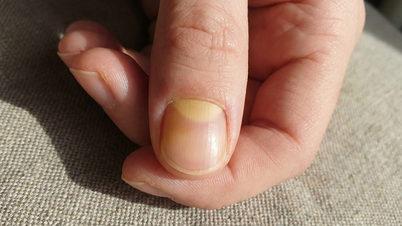
Teeth stained by food and drinks: This is common in people who regularly drink tea, coffee, wine, carbonated drinks or dark colored foods, causing pigments to adhere deeply to the enamel, making teeth turn yellow over time.
Teeth discolored due to smoking habits: Nicotine and tar adhere to the enamel surface, causing brown or dark yellow stains. This group of patients often see significant improvement after bleaching.
Natural yellow teeth due to physiological and genetic factors: Some people are born with yellow or uneven enamel. Bleaching helps lighten this natural color without invasive intervention. Cases of discoloration due to Tetracycline or fluorosis require a complex and long treatment process, possibly 3-4 months when using at-home teeth whitening methods.
Age-related tooth discoloration: As we age, the enamel becomes clearer and the dentin underneath becomes more visible, making teeth appear darker. Whitening can dramatically improve the brightness and rejuvenate your smile.
After braces or other dental treatment: Many patients want to refresh their smile after braces are removed or after general treatment is completed. Once the tooth structure has stabilized, whitening can help achieve a more harmonious and even aesthetic result.
Teeth whitening to prepare for cosmetic porcelain restorations: In cases of severe tooth discoloration or discoloration due to tetracycline, fluoride... For optimal results, teeth need to be whitened for a period of time to become brighter before starting porcelain restorations. After completing the teeth whitening process, wait about 2 weeks before starting porcelain restorations to avoid affecting the adhesion.
Can sensitivity during bleaching be prevented and reduced?
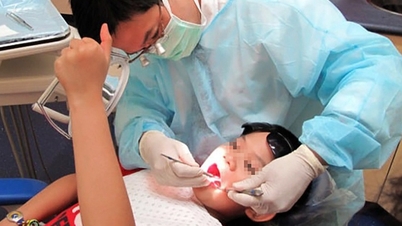
Preventing or reducing tooth sensitivity during teeth whitening is completely possible. The first important thing is to visit a reputable dental clinic to have your teeth checked by a dentist and get advice on whether or not to prescribe a whitening method, choose the appropriate whitening method, and give instructions on what to keep in mind before whitening.
Teeth whitening can be done in the clinic or at home. Each method has its own advantages and disadvantages. After examination, based on the patient's medical condition and wishes, the doctor will give appropriate advice.
In addition, there are now many products containing remineralizing ingredients that will help remineralize tooth enamel better and reduce tooth sensitivity.
Therefore, the doctor will prescribe appropriate remineralization products for the patient to use during and after the whitening process. This content is indispensable in the teeth whitening process, to help the tooth tissue healthy and not sensitive.
Source: https://tuoitre.vn/thuc-hu-chuyen-tay-trang-rang-gay-e-buot-2025120110171786.htm
![[Photo] Prime Minister Pham Minh Chinh receives President of Cuba's Latin American News Agency](/_next/image?url=https%3A%2F%2Fvphoto.vietnam.vn%2Fthumb%2F1200x675%2Fvietnam%2Fresource%2FIMAGE%2F2025%2F12%2F01%2F1764569497815_dsc-2890-jpg.webp&w=3840&q=75)
































































































Comment (0)