

1. Uses of turmeric starch
Currently, both turmeric starch and turmeric powder are available on the market. Although both are made from turmeric, there are differences in their production methods and flavor. Turmeric powder is made from dried and crushed turmeric, containing many impurities, turmeric oil, and fiber. It has a dark yellow color, a bitter taste, and may cause heartburn and stomach discomfort.
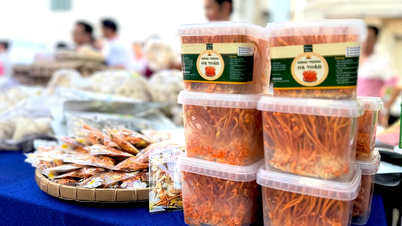
Turmeric starch is made from fresh turmeric that is ground and filtered multiple times to remove impurities, essential oils, and fiber. Turmeric starch is light yellow in color, smooth, not bitter, easy to drink, and safer for the stomach.
From the perspective of traditional medicine, turmeric starch has the following effects:
Invigorating blood circulation, promoting qi flow, and clearing meridians: Turmeric starch has a pungent, bitter taste and a warm nature. It promotes blood circulation and dissolves blood clots (clotted or stagnant blood); it is used in cases of pain caused by blood stasis such as menstrual cramps, irregular menstruation, bruising from injuries, chest pain, and flank pain.
Pain relief: Thanks to its natural blood-activating and anti-inflammatory properties, turmeric powder helps reduce pain caused by inflammation, joint pain, and stomach pain.
Turmeric starch stimulates digestion, strengthens the function of the spleen and stomach (digestive system), reduces bloating, abdominal distension, and indigestion. It is used to support the treatment of weak spleen and stomach, gastritis, and duodenal ulcers (according to traditional medicine, these are caused by qi stagnation and blood stasis).
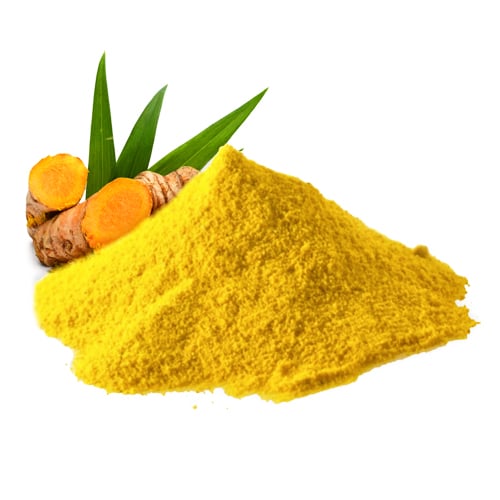
Turmeric starch, with impurities removed, offers numerous health benefits.
Cooling the liver and promoting bile flow: Turmeric starch helps increase bile secretion and supports liver function, aiding in the treatment of liver and gallbladder diseases, jaundice, and hepatitis (related to "damp heat" in the liver and gallbladder).
Reduces swelling and promotes wound healing: The antiseptic, anti-inflammatory, and cell regeneration-promoting properties of turmeric help to heal wounds and ulcers quickly. Turmeric powder can be applied topically to small open wounds, ulcers, boils, and minor burns, or taken orally to heal stomach ulcers.
Breaking up blood clots and generating new blood: In traditional medicine, raw turmeric (ginger) has strong "blood-breaking" properties (breaking up blood clots and stagnant blood), while cooked turmeric, when used in appropriate doses, has the effect of "generating new blood" and nourishing the blood.
Natural antibacterial and anti-inflammatory properties: Although traditional medicine doesn't use the modern term "anti-inflammatory," the "cooling, detoxifying, and anti-swelling" properties of turmeric starch are the mechanism by which it combats inflammation and boils caused by heat toxins.
2. Common ways to use turmeric powder
2.1 For drinking
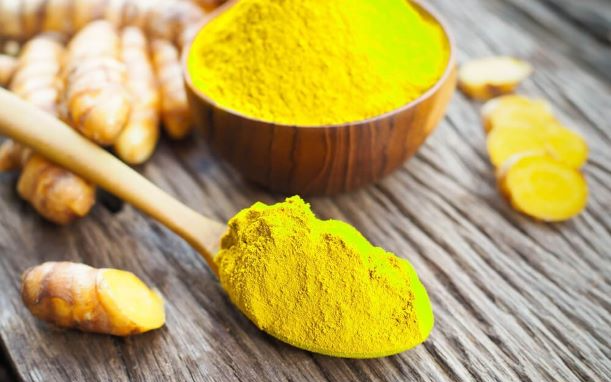
Purpose: To aid digestion, reduce inflammation, heal stomach ulcers, detoxify the liver, and boost immunity.
Basic mixing method:
Ingredients: 1-2 teaspoons of turmeric powder (about 5-10g), 200ml of warm water (below 50°C, do not use boiling water as it will destroy curcumin), you can add honey, lemon, fresh milk/nut milk.
Instructions: Dissolve turmeric powder in a little warm water, stir well until completely dissolved; add warm water, honey (if you want it sweet) or a few drops of lemon juice; drink while still warm.
2.2 For external use (for cosmetic purposes)
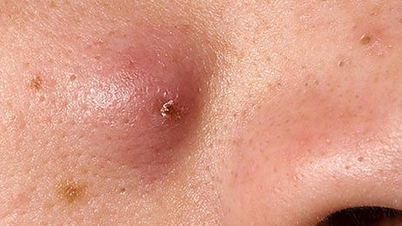
Purpose: To treat acne, brighten skin, fade dark spots and blemishes, and aid in scar healing. Can be used as a face mask or applied directly to the skin.
How to make a face mask: Use 1 teaspoon of turmeric powder, 1 teaspoon of honey/unsweetened yogurt, a few drops of lemon juice/rose water, then mix well until you get a thick paste.
Use:
- Wash your face thoroughly, then apply the mixture evenly to your face (avoiding the eye area).
- Leave on for 15-20 minutes, then rinse off with cool water.
- Use 2-3 times a week.
Helps treat acne scars/dark spots.
Instructions: Mix turmeric powder with aloe vera gel or honey, apply directly to the affected skin area for 20 minutes, then rinse off.
3. Notes on using turmeric powder
Turmeric starch has warming properties; prolonged or excessive use can cause internal heat, dry mouth, and acne (especially in people with a hot or yin-deficient constitution).
Turmeric powder can be mixed with warm water and honey to reduce the heat of turmeric, as honey is neutral in nature and has a laxative effect.
Contraindications (according to traditional medicine):
- Pregnant women (because its hemolytic properties may affect the fetus).
- People who are experiencing heavy bleeding (menorrhagia, nosebleeds).
- People with severe acid reflux should not use this product and should consult a specialist doctor...
Source: https://suckhoedoisong.vn/tinh-bot-nghe-co-tac-dung-gi-169260103113147045.htm











































































![[INFOGRAPHICS] Strengthening the strategy for ethnic affairs work until 2030, with a vision to 2045](https://vphoto.vietnam.vn/thumb/402x226/vietnam/resource/IMAGE/2026/05/23/1779540129141_1779539919.webp)
















Comment (0)