

Figs are typically about the size of a fingertip. Their flesh is soft, pink, sweet, and the seeds are crunchy. Figs can be eaten fresh or dried, according to the health website Healthline (USA).
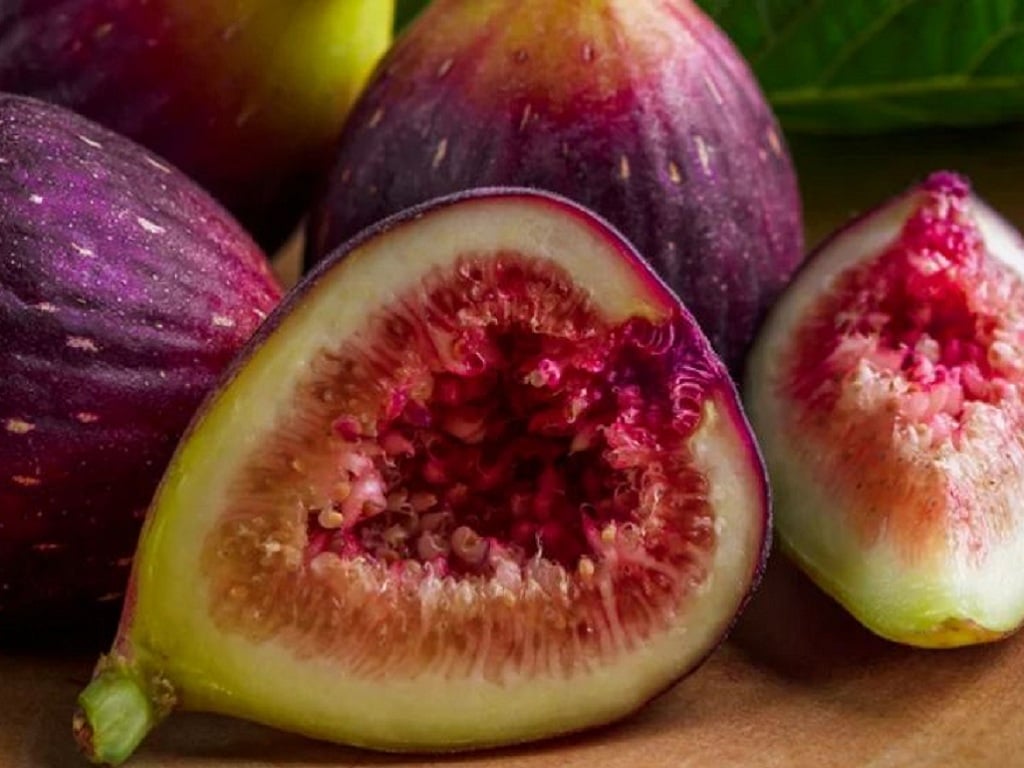
The nutrients in figs help relieve constipation and improve cardiovascular health.
Figs are rich in fiber and minerals such as copper, magnesium, potassium, riboflavin, thiamine, vitamin K, B6, and several other nutrients. Figs have the following medicinal benefits:
Reduce constipation
Figs are a fruit that can cleanse the intestines and effectively relieve constipation. They are considered a natural laxative, helping to soothe bowel movements. This benefit comes from the high content of soluble fiber in figs.
Figs can be eaten as a snack at any time of day. However, for the best results in relieving constipation, people should eat at least 3 figs in the morning on an empty stomach.
Lowering blood pressure
A diet high in salt puts many people at risk of high blood pressure. Currently, high blood pressure is a public health problem in many countries around the world . High blood pressure can lead to many health consequences, including disruption of potassium levels in the blood.
Figs are a very rich source of potassium. Eating figs regularly not only helps supplement fiber and provide potassium, but also helps control blood pressure.
Improve cardiovascular health
Figs are perfect for snacks throughout the day. Instead of sugary and starchy foods, people can replace them with figs. Figs contain magnesium, vitamin K2, calcium, and many other minerals. In particular, the high fiber content in figs helps people feel full for longer, thus supporting weight loss.
Successful weight loss not only helps lower blood cholesterol levels but also reduces the risk of atherosclerotic plaque formation, heart attacks, and strokes. Furthermore, the antioxidants in figs help protect body cells from damage caused by free radicals.
Improve digestion
The fiber in figs is soluble fiber, which stimulates beneficial bacteria in the gut. An increase in beneficial bacteria not only improves digestive function but also ensures other biological functions of the gut are healthy, according to Healthline .
Source link

![[Image] Nearly 125,000 Hanoi students completed the Literature exam for the 10th grade entrance exam.](https://vphoto.vietnam.vn/thumb/1200x675/vietnam/resource/IMAGE/2026/05/30/1780117233041_ndo_br_thiet-ke-chua-co-ten-2-png.webp)







































































































Comment (0)