

People with HIV often face a higher risk of chronic diseases such as type 2 diabetes, cardiovascular disease and brain dysfunction. In this context, physical activity and exercise become an indispensable part of a healthy lifestyle, helping to improve overall health, reduce anxiety and increase daily quality of life.
Physical activity has both immediate and long-term benefits and can help manage HIV-related health conditions. People living with HIV can participate in the same types of exercise and physical activity as people who do not have HIV, as long as they choose activities that are appropriate for their condition.
1. Immediate benefits of physical activity
- 1. Immediate benefits of physical activity
- 2. Long-term benefits and prevention of complications
- 3. The difference between physical activity and exercise
- 4. How much exercise should people with HIV do?
- 5. Activities suitable for people with HIV
Practitioners will notice the effects almost immediately:
- Improved energy and stamina: Helps you feel healthier and more productive throughout the day.
- Reduce anxiety and stress: Exercise helps relax the mind and increases feelings of happiness.
- Support stable blood pressure: Physical activity helps reduce blood pressure, good for the heart.
- Improve sleep quality: Sleep is deeper and better thanks to regular physical activity.
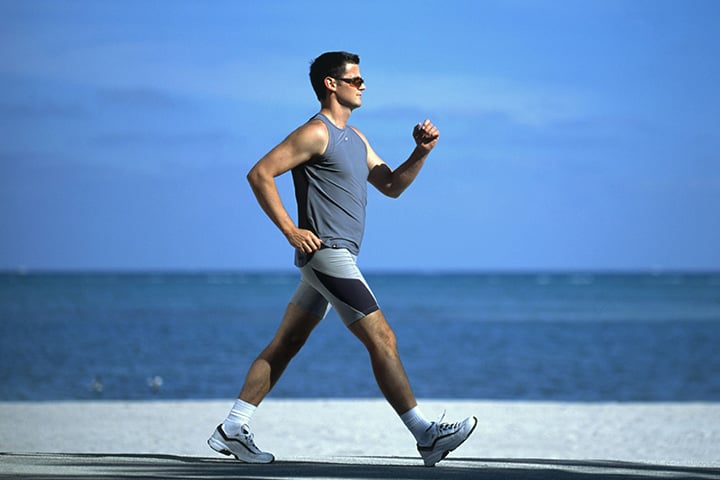
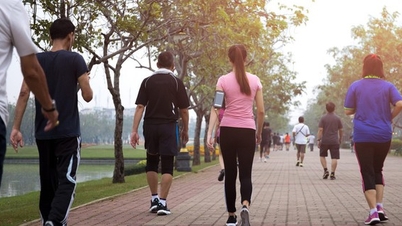
Brisk walking is a popular form of exercise, suitable for many people with HIV.
2. Long-term benefits and prevention of complications
Regular physical activity also has long-term positive effects:
- Brain health: Reduces the risk of memory loss, depression and brain-related diseases.
- Heart health: Helps reduce the risk of heart disease, stroke and type 2 diabetes, which are higher in people with HIV.
- Cancer prevention: Some studies show that physical activity reduces the risk of certain types of cancer.
- Healthy Weight: Control weight, reduce the risk of obesity.
- Bone and muscle strength: Increase bone density, reduce the risk of fractures and injuries.
- Balance and coordination: Reduces the risk of falls, especially in older adults.
Note: Combining a healthy diet, not smoking, and cholesterol-lowering medication (if needed) will help prevent cardiovascular complications more effectively.
3. The difference between physical activity and exercise
- Physical activity: Includes all activities that move the body, such as brisk walking, running, cycling, dancing or swimming.
- Exercise: Is planned, structured, repetitive physical activity with the goal of improving health or fitness, for example, taking an aerobics class, playing a sport .
All exercise is physical activity, but not all physical activity is exercise. Both are important in a healthy lifestyle.
4. How much exercise should people with HIV do?
According to physical activity recommendations:
- Moderate-intensity aerobic exercise: 150 minutes/week (2 hours 30 minutes), including activities that make the heart beat faster.
- High intensity aerobics: At least 75 minutes/week if doing vigorous exercise such as jogging.
- Muscle strengthening: At least 2 days/week, include activities that make muscles move more than usual.
People with HIV or other chronic diseases should consult a health professional to adjust the amount and type of exercise appropriate.
5. Activities suitable for people with HIV
People with HIV can choose from inexpensive physical activities that are easy to do at home or in the community:
- Walking, jogging, jumping rope.
- Exercises that require no equipment such as push-ups, squats, planks.
- Join fitness programs at the park, at work, or in group activities to get some exercise and socializing.
The key is to choose an activity you enjoy, stick to it, and make exercise a daily joy.
Physical activity and exercise are “natural medicines” that help people with HIV improve their overall health, prevent cardiovascular complications, diabetes, bone and joint problems and mental problems. The key is to exercise regularly, consistently and in accordance with your physical condition, and combine a healthy lifestyle to improve your long-term quality of life.
Readers are invited to see more :
Source: https://suckhoedoisong.vn/van-dong-de-khoe-manh-phong-ngua-bien-chung-lien-quan-den-hiv-169251201165229556.htm


![[Photo] Prime Minister Pham Minh Chinh receives President of Cuba's Latin American News Agency](/_next/image?url=https%3A%2F%2Fvphoto.vietnam.vn%2Fthumb%2F1200x675%2Fvietnam%2Fresource%2FIMAGE%2F2025%2F12%2F01%2F1764569497815_dsc-2890-jpg.webp&w=3840&q=75)




























































Comment (0)