

The early days were difficult.
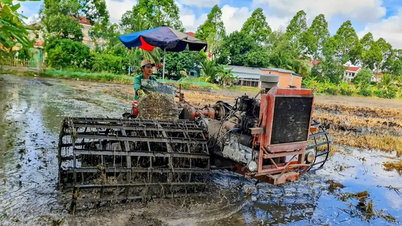
In 2020, the Ia Púch Border Guard Station implemented a model of wet rice cultivation on the land at the end of Chư Kó village, aiming to change mindsets and practices and increase income for the people of Ia Púch border commune, which still faces many difficulties.
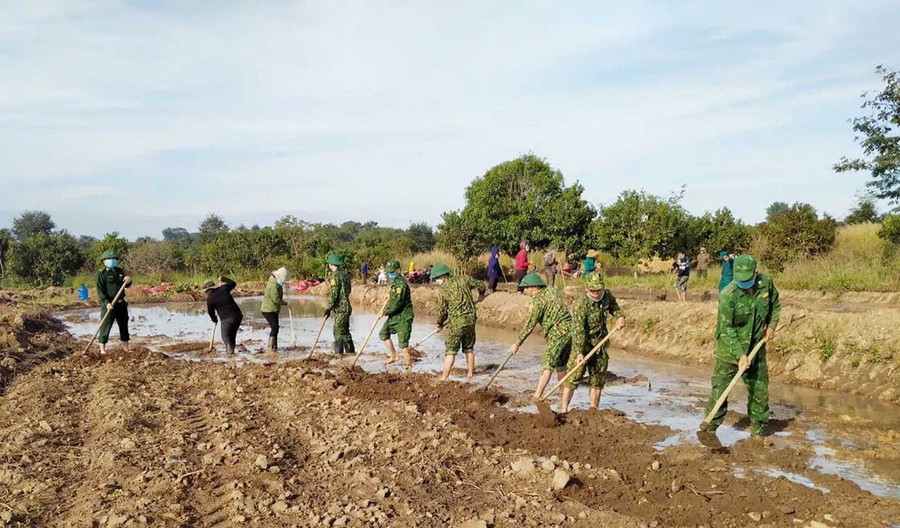
The steep terrain, long-abandoned land, lack of machinery, and the Jrai people's tradition of only cultivating upland rice in this area made the initial journey extremely challenging. Major Puih Duc, Head of the Community Mobilization Team (Ia Púch Border Guard Post), recalled: “At that time, most Jrai households were only used to cultivating upland rice. When they heard about the campaign to plant paddy rice, they were worried that farming would be too hard and they wouldn't even have enough to eat. But with the determination to help the people have a better life, the officers and soldiers of the Border Guard Post overcame the difficulties to implement the plan. Initially, we took turns going down to the villages to persuade them. When the people agreed, the soldiers and the people directly cleared the land, brought water from the stream, and selected suitable seeds for planting. We also guided them step by step from soaking and germinating the seeds, preparing the soil, weeding, to pest control.”
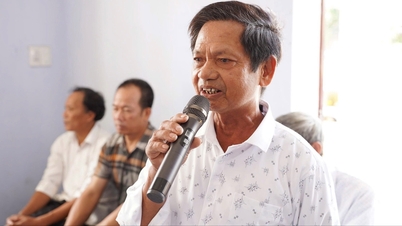
Mr. Siu Kim (from Chu Ko village), a pioneer in participating in the model, shared: “Initially, everyone was skeptical. I thought the soldiers were showing us a new way to avoid hunger, so I just tried it; even if it didn't succeed, I wouldn't lose anything. Unexpectedly, the first rice harvest provided my family with rice for the whole year. That success created confidence and spread to many households, encouraging people to boldly listen to the Border Guard and participate in wet rice cultivation.”
According to Lieutenant Colonel Phan Cong Thang, Political Officer of Ia Puch Border Guard Station: In 2020, the unit implemented the model in Chu Ko village. By 2022, based on the initial success, the unit coordinated with the People's Committee of the commune to call on businesses to cooperate in leveling the land to expand the area and provide rice seeds. As a result, the wet rice cultivation model achieved results beyond expectations. Currently, officers and soldiers of the station continue to support the people in production, contributing to strengthening the bond between the military and the people in this border region of the Fatherland.
Prosperity in the border region
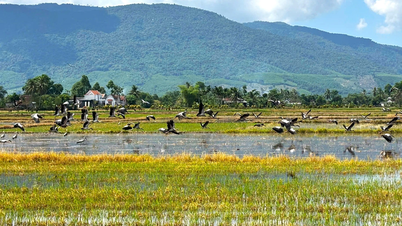
The initiative to cultivate wet rice in border areas has proven its lasting value: it not only helps people live prosperous lives but also builds a strong foundation of public support. The golden rice fields today are the result of the close bond between the military and the people, serving as a cornerstone in protecting every inch of the sacred land of the Fatherland.
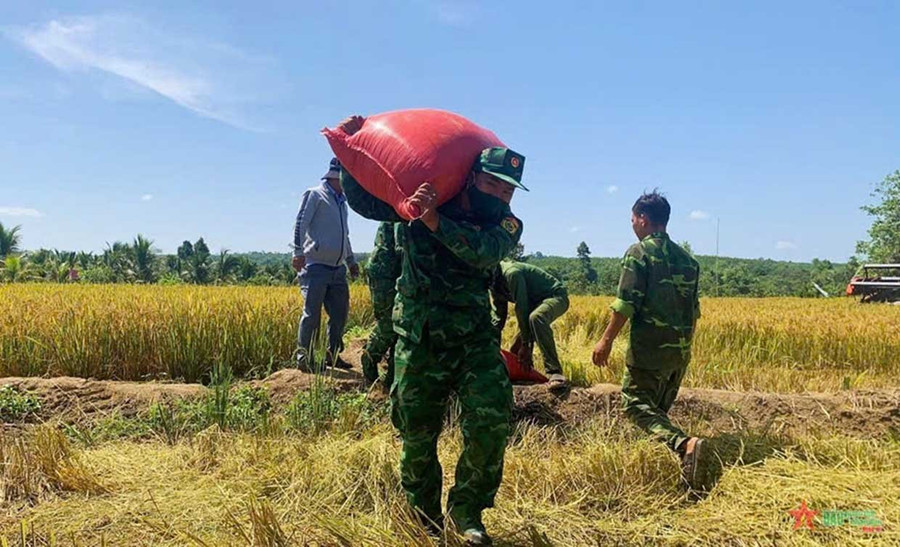
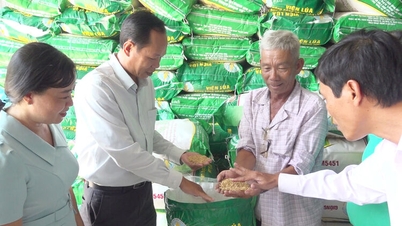
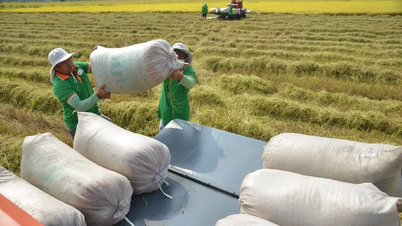
Initially, only 3 households cultivated 0.6 hectares of wet rice, but now 18 households participate with nearly 8 hectares. Yields reach 5-6 tons/ha, five times higher than dry rice. Mr. Rơ Mah Thiết (Chư Kó village) said: “At first, I was afraid my efforts would be wasted, but the Border Guard came every day to guide us. Now the fields are completely different; we have rice to eat all year round and no longer worry about hunger. We even sell rice to save money to buy a TV and a motorbike.”
Ms. Siu Bin (from the same village) shared: “Thanks to the attention of the government, businesses, and the Border Guard, the villagers have become accustomed to growing wet rice. The fields are expanding, and many households achieve yields of 6-7 tons/hectare/season. Two wet rice crops not only ensure food security but also bring prosperity. The villagers are very grateful to the officers and soldiers of the Ia Púch Border Guard Post. In addition to supporting cultivation, the soldiers also guide the use of plows and pumps. During the production and harvest seasons, the soldiers take turns helping the villagers.”
Lieutenant Colonel Ngon Ngoc Cuong, Commander of the Ia Puch Border Guard Station, affirmed: “Helping people develop production, especially rice cultivation, is not only a responsibility but also an expression of the border guards' affection for the people in the border region. Helping people escape poverty and have a prosperous life is how we protect the border from within the hearts of the people. The sweat of hundreds of officers and soldiers poured into the fields has helped the Chu Ko rice paddies expand, instilling confidence in long-term livelihoods. Currently, the unit is surveying to encourage more households to participate, expand the model, and contribute to changing the face of the rural area and improving the lives of the people.”
Source: https://baogialai.com.vn/xay-the-tran-long-dan-tu-mo-hinh-trong-lua-nuoc-post564754.html
























































Comment (0)