

350 billion VND to upgrade and repair Ke Go Lake; Mobilize more than 39 billion USD to build 183 km of metro
Ha Tinh invested 350 billion VND to upgrade and repair Ke Go Lake; Ho Chi Minh City prioritized mobilizing more than 39 billion USD to build 183 km of metro... Those are 2 of the notable investment news in the past week.
Proposal for central budget to support 19,403 billion VND for Tran De super port
The People's Committee of Soc Trang province has just sent an official dispatch to the Ministry of Planning and Investment requesting capital support for investment in Tran De port - the gateway port of the Mekong Delta region.
In this dispatch, the People's Committee of Soc Trang province requested the Ministry of Planning and Investment to consider and approve submitting to the Prime Minister to include in the Resolution and Program of the Government on the investment project to build Tran De - Soc Trang port to complete investment procedures in 2025 and implement investment in 2026.
In addition, the People's Committee of Soc Trang province proposed that the central budget invest in the period 2025 - 2030 to support this locality with a total capital of 19,403 billion VND to invest in building a road behind the port connecting to the Tran De offshore port; invest in building a cross-sea bridge; invest in building a breakwater, a shipping channel and a turning basin.
According to the Master Plan for the development of Vietnam's seaport system for the period 2021 - 2030, with a vision to 2050, Tran De wharf area has the function of serving local industrial parks and industrial clusters and transporting goods and passengers from shore to island; there are general, container, bulk cargo and passenger ports developed in the direction of socialization in accordance with the needs of socio-economic development and the capacity of investors.
Tran De wharf area has the potential to develop offshore to take on the role of a gateway port in the Mekong Delta, receiving ships with a capacity of up to 5,000 DWT for in-river ports; general cargo ships, containers with a capacity of up to 100,000 DWT or larger when qualified, and bulk cargo ships with a capacity of up to 160,000 DWT offshore of Tran De estuary.
Preliminary research by the People's Committee of Soc Trang province shows that the Tran De offshore port area has a port area of 411.25 hectares, of which the start-up phase is 81.6 hectares.
The project includes a wharf system with a total length of 5,300 m to receive general cargo ships, container ships with a capacity of up to 100,000 DWT (6,000 to 8,000 Teus), bulk cargo ships of 160,000 DWT, in which the initial investment phase will include 2 800 m long wharves for general cargo ships, container ships with a capacity of up to 100,000 DWT and 2 buoy wharves for transferring bulk cargo (coal) for ships with a capacity of up to 160,000 DWT.
The total length of the breakwater/dyke system is 9,800m, of which the initial phase is 4,000m long.
The sea bridge is 17.8 km long, 28 m wide, 6 lanes, in the initial phase it will be arranged for 2 lanes with a width of 9 m. The approach bridge connecting the sea bridge with the port in the initial phase is 1.85 km long, 28 m wide; in the initial phase it will be 9 m wide.
The port logistics service area at Tran De port is expected to have a total investment scale of about 4,000 hectares, including land leveling, construction of internal roads, water supply and drainage systems, power generation, fire protection systems, and communications. The initial phase covers an area of 1,000 hectares. The road behind the port connects National Highway 91B to the 6.3 km long oversea bridge.
With the above investment scale, the Project has a preliminary total investment of about 162,730 billion VND, of which the starting phase has a total investment of 44,695 billion VND.
Of which, public investment capital is 19,403 billion VND, accounting for about 43%, including: investment in building a road behind the port connecting to the Tran De offshore port; investment in building a cross-sea bridge; investment in building a breakwater, shipping channel and turning basin.
Private investment capital (enterprises) is 25,292 billion VND (accounting for about 57%), including site clearance and investment in infrastructure for logistics service areas; investment in port construction at Tran De port.
During the completion phase, the Project has a total investment of 162,731 billion VND. Of which, public investment capital is 46,476 billion VND (accounting for about 29%), including investment in the construction of the road behind the port connecting to the Tran De offshore port; investment in the construction of a cross-sea bridge; investment in the construction of a breakwater, a shipping channel and a turning basin.
Private (enterprise) investment capital is 116,255 billion VND (accounting for about 71%), including site clearance and investment in infrastructure for logistics service areas; investment in port construction at Tran De port.
The leader of the People's Committee of Soc Trang province said that the project has a large investment capital, slow capital recovery, and is invested in a particularly difficult area.
Therefore, in addition to the capital calling for socialized investment in ports according to the planning, it is necessary to arrange state budget capital to invest in public maritime infrastructure (ship channels, breakwaters, maritime signals, etc.), technical infrastructure, traffic infrastructure (cross-sea bridges and connecting roads from the end of the Chau Doc - Can Tho - Soc Trang expressway at National Highway 91B to Tran De port) in sync with the roadmap calling for investment in port infrastructure.
This State budget support will aim to increase the attractiveness to call for investment from private capital sources similar to other gateway port areas (Lach Huyen, Lien Chieu) that have called for investment in the past.
The highest compensation price for the Ring Road 2 project in Ho Chi Minh City is expected to be 111.5 million VND/m2.
On the afternoon of October 28, the People's Committee of Thu Duc City (HCMC) held an information conference on the draft compensation, support and resettlement plan for two sections of the Ring Road 2 Project, including the section from Phu Huu Bridge to Vo Nguyen Giap Street (section 1) and the section from Vo Nguyen Giap Street to Pham Van Dong Street (section 2).
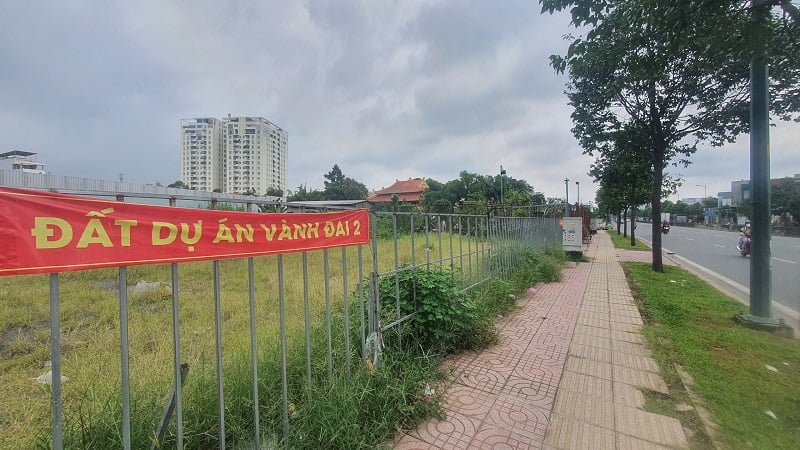 |
| Planning land preparing for investment in the Ring Road 2 project at the intersection with Pham Van Dong Street, Thu Duc City - Photo: Le Toan |
At the conference, Mr. Mai Huu Quyet, Vice Chairman of Thu Duc City People's Committee, said that both sections 1 and 2 have 1,166 households, individuals and organizations affected, the land area to be recovered is 61.1 hectares, the total compensation and resettlement support capital is about 7,600 billion VND.
Mr. Quyet said that the compensation price at this project is 30-97% higher than the price list approved by the Ho Chi Minh City People's Committee in Decision 79/2024/QD-UBND dated October 21, 2024 at location 1 (main road frontage), other locations are much higher than the old land price list, so it is consistent with the market price.
In addition, the resettlement price by land is equal to the price in the land price list according to Decision 79/2024/QD-UBND, so it is very beneficial for the people.
According to the draft to solicit public opinion, the compensation price for the frontage of Duong Dinh Hoi street is more than 74 million/m2, the alley with a width of 5 m or more is more than 50.8 million/m2, the frontage of Tang Nhon Phu street is more than 75 million/m2, the frontage of Do Xuan Hop street is more than 101.9 million/m2, the frontage of Pham Van Dong street is more than 111.5 million/m2,...
The draft compensation, support and resettlement plan of the Ring Road 2 Project will be posted at the headquarters of the People's Committees of wards and the Executive Boards of neighborhoods where the Project passes through to collect people's opinions for 1 month, starting from October 28, 2024.
Regarding the land fund used for resettlement of people, up to now, the People's Committee of Thu Duc City has also prepared enough including land plots of Dai Nhan Residential Area (Hiep Binh Phuoc Ward); Dong Tang Long Urban Area (Long Truong and Truong Thanh Wards); 50-hectare resettlement area (Cat Lai Ward); Long Binh - Long Thanh My resettlement area; Lot R of Duc Khai Apartment (An Khanh Ward)...
Through the actual survey of Thu Duc City, the resettlement areas have favorable locations, synchronously connected technical and social infrastructure, and after receiving resettlement houses and land, people are guaranteed a stable life.
According to the plan, the 2 sections of Ring Road 2 through Thu Duc City will start construction in the first quarter of 2025.
Ha Tinh invests 350 billion VND to upgrade and repair Ke Go Lake
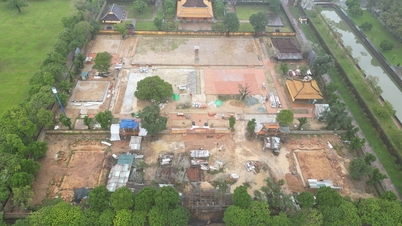
The Irrigation Investment and Construction Management Board 4 (Ministry of Agriculture and Rural Development) is organizing the selection of contractors to implement the project to upgrade and repair Ke Go Lake (Cam Xuyen district, Ha Tinh province). The project is expected to start in November 2024 and be completed before the 2025 flood season.
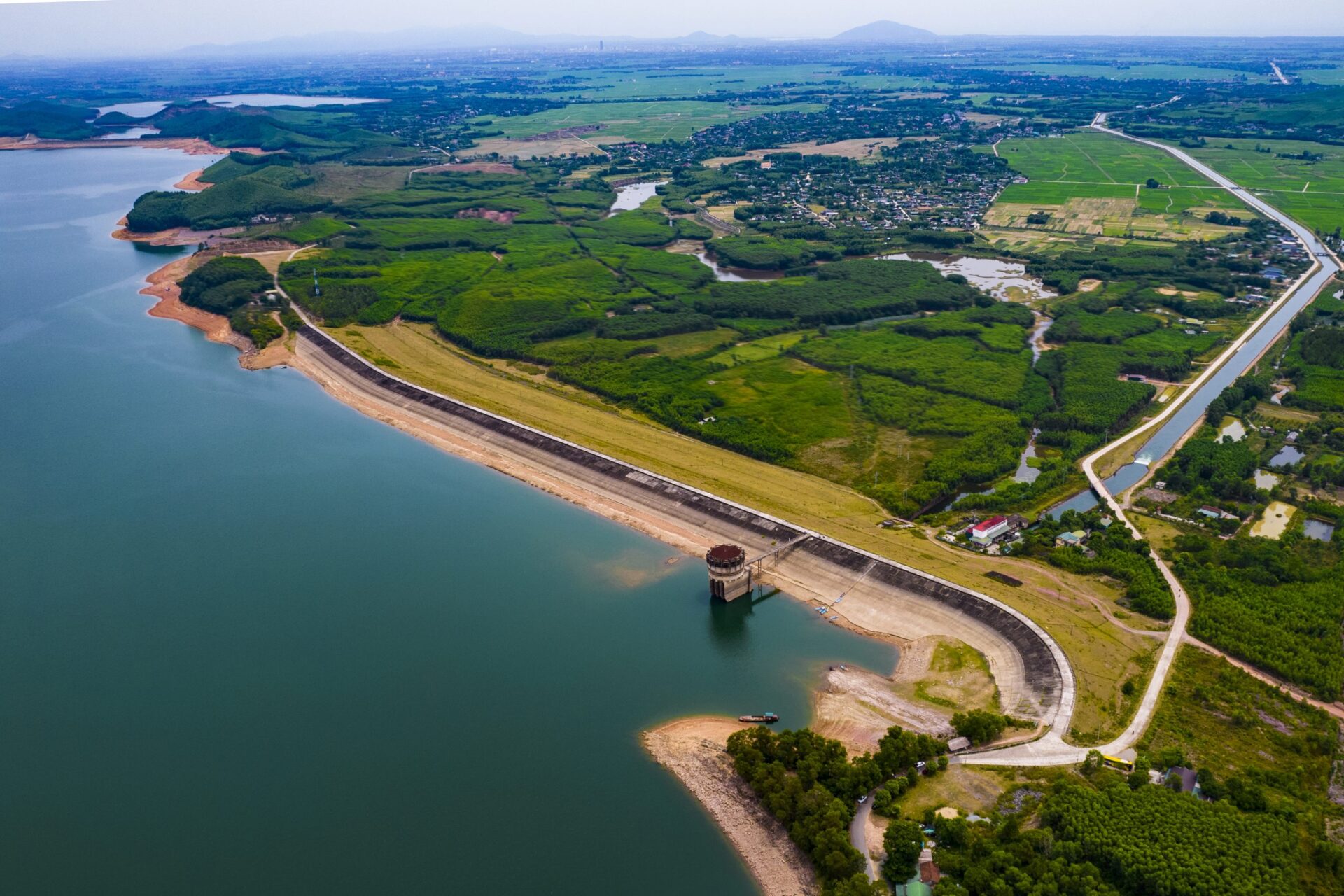 |
| A corner of Ke Go Lake Project in Cam Xuyen District, Ha Tinh Province. Illustrative photo |
Accordingly, the project has a total investment of more than 350 billion VND from the central budget, Ke Go lake will be upgraded, the main dam, the auxiliary dam, Doc Mieu spillway, the incident spillway and mechanical equipment will be processed and installed. The project to upgrade and repair Ke Go lake is being selected by this unit through open online bidding.
It is expected that the project will be implemented and completed around November 2024 before the 2025 flood season. Ke Go Reservoir was built in 1976, with a capacity of 345 million m3. The reservoir is responsible for supplying water for agricultural production, people's lives and economic sectors for Cam Xuyen, Thach Ha districts and Ha Tinh city.
It is known that Nam Ha Tinh Irrigation Company Limited is the unit that manages, operates and exploits Ke Go Lake. After 48 years of exploitation and operation, many key construction items of the lake have been degraded and damaged. This affects the operation process, as well as potentially causing insecurity for constructions, people and infrastructure in the downstream area.
In particular, the upstream tower area and the Ke Go gate operating sluice have many locations where the concrete is eroded and eroded. Many concrete slabs at the slope position under the main dam foot are eroded and have open palates after a long time of use. In addition, some other locations at the upstream flat valve gate, the disc valve system is damaged, causing the cone valve to not be able to close tightly and causing water leakage and large vibrations during operation. This is dangerous for the sluice and dam body.
Ho Chi Minh City proposes to invest in 3 BT projects worth 14,600 billion VND with deferred payment from the budget
The Ho Chi Minh City Department of Transport has just issued Document No. 14208/SGTVT - KH to the Department of Planning and Investment proposing 3 transport projects to apply the BT contract type of special investment mechanism according to Resolution No. 98/2023/QH15.
Project 1: Construction of Phan Van Hon parallel road (from National Highway 1 to Ring Road 3) in Hoc Mon district with a length of 8.5 km, width of 30 m, total investment of 3,720 billion VND. This route will connect with many land plots along Ring Road 3, implemented according to the TOD model (urban area around traffic hubs).
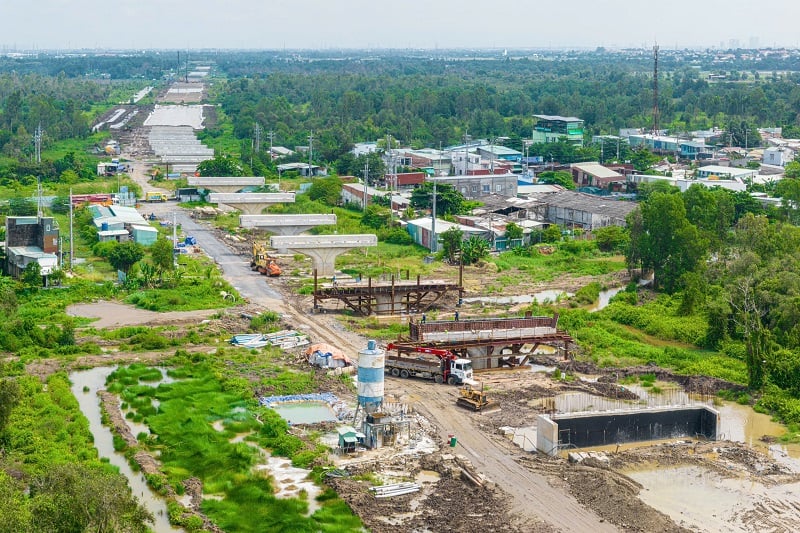 |
| Some proposed BT projects will connect to the Ring Road 3 section through Hoc Mon district under construction - Photo: LM |
Second project: construction of a new road in the Northwest, Binh Chanh district (from Ring Road 2 to the border of Long An province) with a length of 10 km, a width of 40 m, a total investment of 5,200 billion VND, of which site clearance is about 3,900 billion VND.
Third project: construction of East-West axis road (now Vo Van Kiet street) extending from National Highway 1 to the border of Long An province. The project is 12.2 km long, 60 m wide, with a total investment of 5,776 billion VND.
The total investment capital of the above 3 BT projects is 14,696 billion VND, proposed to be paid in installments using the State budget to enhance the ability to mobilize social resources to invest in key and urgent projects when the City budget is still limited.
To have capital to pay investors for the three BT routes mentioned above, Ho Chi Minh City plans to auction many plots of land along Ring Road 3 and metro routes.
According to the plan, 3 BT projects with deferred payment using budget capital will be implemented from 2026-2030.
Quang Binh: Tunnel No. 2 of Khe Net Railway Renovation Project Opened
According to the report from the Contractor Consortium, up to now, the consortium has mobilized 230 engineers, workers, machine operators along with more than 35 specialized machines and equipment, simultaneously organizing 4 construction teams on 2 tunnels. The construction volume of tunnel 1 reached 130 md/580 md and tunnel 2 completed 355 md/355 md. Construction output reached 120 billion VND, exceeding the set progress by 9%.
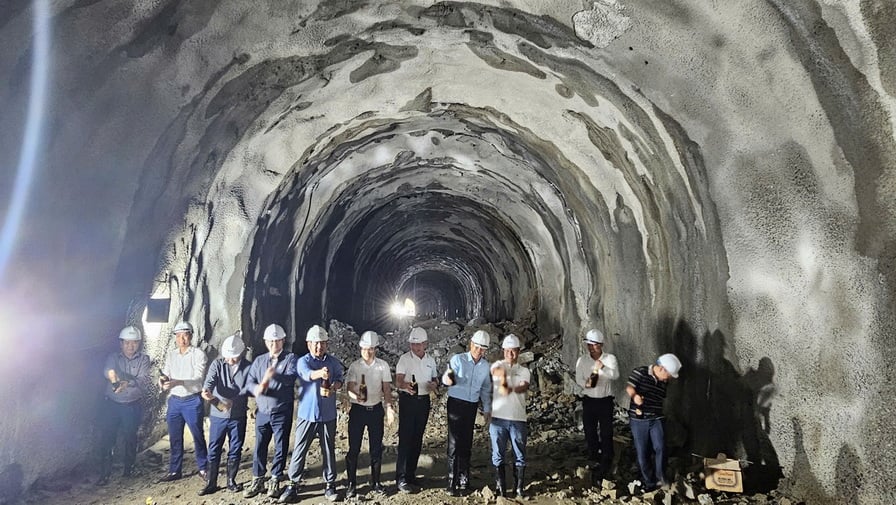 |
| Tunnel No. 2 of the package was dug ahead of schedule. |
The representative of the package management board said that the two Khe Net railway tunnels have the characteristics of running along the mountainside, thin cover layer, complex and constantly changing tunnel geology, not following the original technical design. To overcome this, the contractor consortium has coordinated with the investor and supervision consultant to closely follow the construction site and propose appropriate reinforcement plans, ensuring safety and quality according to the actual geology.
In addition, the Management Board has encountered some difficulties due to the land handover being later than originally planned, along with obstacles in leasing land for public roads and finding suitable dumping sites. Specifically, some planned dumping sites are located on agricultural land, causing difficulties in site clearance due to not receiving compensation from the investor.
To ensure the set progress, the contractor consortium has made efforts and proactively proposed construction solutions, promoted internal training to improve labor productivity for engineers and workers, and organized construction in "3 shifts and 4 teams". In addition, the consortium regularly monitors geology to promptly adjust reinforcement measures, ensuring safety and quality of the project. Currently, the difficulties have been basically resolved. The goal is to dig tunnel 1 before April 2025, pour concrete shell and complete tunnel 1 before November 2025 and tunnel 2 before September 2025.
Mr. Nguyen Duy Song, Director of the XL1 Package Management Board, said that today's tunnel opening ceremony is an important milestone, making it more convenient to transport fuel, goods, and construction workers, speeding up the project's progress.
Mr. Song added that Khe Net Railway Tunnel applied NATM technology in construction. This technology has been mastered and improved by Deo Ca, applied in many road tunnel projects that Deo Ca has been and is implementing.
It is known that the XL01 package belongs to the Khe Net Pass Railway Improvement Project, Hanoi - Ho Chi Minh City Railway Line, constructing 2 railway tunnels with a total length of 935 m, with a construction period of 23 months, carried out by the joint venture of Ilsung Company - Deo Ca Group. Of which, tunnel 1 is 580 m long, tunnel 2 is 355 m long. This is an important package of the project, implemented with ODA capital, located in Huong Hoa and Kim Hoa communes, Tuyen Hoa district, Quang Binh province.
Upon completion, the project will not only contribute to reducing traffic congestion and improving freight and passenger transport capacity, but also create momentum for the socio-economic development of the region, helping to strengthen connectivity between regions, and positively contributing to the national transport network.
More than 1 billion USD capital poured into Phu Ha Viglacera Industrial Park
Information from Viglacera Real Estate Trading Company said that Phu Ha Industrial Park (Phu Tho), invested by Viglacera, has just welcomed two new investors from the Philippines and Taiwan with a total investment capital of over 150 million USD.
Including: Nien Made Company (Taiwan), investing 120 million USD to build a smart furniture factory and Liwayway Vietnam Joint Stock Company (Philippines), specializing in producing food and beverages for the Oishi brand, with a total investment of 30 million USD.
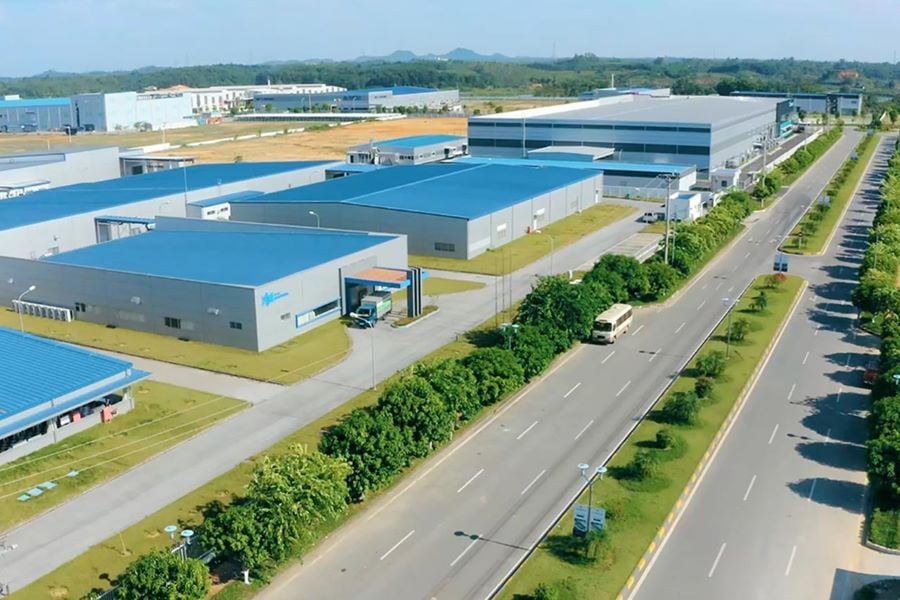 |
| Phu Ha Viglacera Industrial Park in Phu Tho has attracted more than 30 enterprises with a total investment capital of more than 1 billion USD. |
Nien Made is a listed company on the Taiwan Stock Exchange, creating its own brands NORMAN® and VENETA®, distributing products to 2,000 Home Depot stores and 5,000 Walmart stores in the US, Canada, and many other markets such as the UK, Japan, Australia...
Thus, up to this point, Phu Ha Viglacera Industrial Park has successfully attracted more than 30 enterprises, with a total investment capital of over 1 billion USD.
Among them, there are many FDI "big guys" such as: BYD (China), INOUE Rubber (Japan), Hanyang Digitech, Asentec, ActRO Vina (Korea)... In which, mainly are Korean electronics enterprises - tier 1 vendors for Samsung, in line with the orientation of attracting investment from the locality, creating jobs for more than 23,000 workers.
Phu Ha Viglacera Industrial Park has a convenient traffic location, located close to Noi Bai - Lao Cai highway, quick access to Noi Bai airport (45 minutes), Hanoi (1 hour), near Samsung factories and other large electronics and automobile manufacturing corporations located in Bac Ninh, Bac Giang, Thai Nguyen.
2 km from the Industrial Park is the Housing Area for workers and experts of Phu Ha Industrial Park, with a scale of 4.3 hectares. Up to now, the Project has handed over and put into use 2 blocks of 6-storey buildings (268 apartments) and 48 low-rise apartments.
The worker housing project here contributes to helping workers in the industrial park "settle down", stay with the business for a long time and ensure the goals of economic development and local social security. The industrial park has full technical infrastructure - services and clean land, ready to meet the needs of investors.
Da Nang adjusts Software Park No. 2 Project to more than 1,400 billion VND
On October 30, at the 20th session (special session), the People's Council of Da Nang City approved the City People's Committee's Proposal on adjusting the pre-feasibility study report of the Software Park No. 2 Project (phase 1).
Accordingly, Da Nang continues to add necessary items to synchronously complete the Software Park No. 2 Project (phase 1), including 3 blocks (20-storey ICT, 8-storey ICT1 and 8-storey ICT2) to put into operation and use; the total additional cost is more than 414 billion VND.
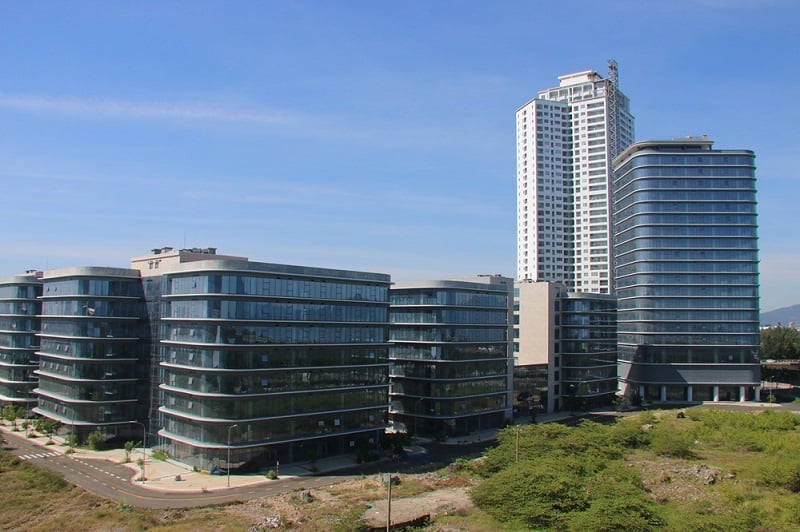 |
| Software Park No. 2 Project (Phase 1). |
According to the Report of the People's Committee of Da Nang City, the Software Park No. 2 Project (Phase 1) is on the list of key projects, driving forces for the city's socio-economic development in the period 2021-2025. The project was approved for investment with the aim of promoting domestic and foreign investment attraction, especially in the city's information technology sector; at the same time, through Software Park No. 2, it will help businesses quickly access state policies, support and incubate new start-up businesses, promote, expand and develop the information technology market.
Recently, the National Assembly issued Resolution 136/2024/QH16 dated June 26, 2024 of the National Assembly on the organization of urban government and piloting a number of specific mechanisms and policies for the development of Da Nang city, including the content on encouraging investment in the development of microchips, semiconductors, and artificial intelligence.
“In the face of the wave of investors in the field of information technology who have a great demand for investment in Da Nang city and in order to ensure the material conditions to promote research, training, design of microchips, semiconductors and development of artificial intelligence, it is necessary to invest in additional essential equipment to basically complete the material facilities of the buildings of the Software Park No. 2 Project (Phase 1), creating attractiveness for domestic and foreign investors to invest in the field of information technology in the city”, the Report of the People's Committee of Da Nang city stated.
Thus, after adjusting and supplementing the above items, the total investment of Software Park Project No. 2 (phase 1) was raised to more than 1,400 billion VND.
Previously, on October 22, the Prime Minister issued Decision No. 1238/QD-TTg on expanding the Danang Software Park Concentrated Information Technology Park. Accordingly, the Prime Minister decided to approve the expansion of the Danang Software Park Concentrated Information Technology Park with a total expanded land area of 28,573 m2, located in Thuan Phuoc ward (Hai Chau district).
The Prime Minister's Decision clearly states that the scope of expansion of the Danang Software Park Concentrated Information Technology Park is determined in Decision No. 4179/QD-UBND dated September 17, 2019 of the Danang City People's Committee approving the 1/500 scale construction plan of Danang Software Park No. 2.
Regarding the functions and tasks, Danang Software Park No. 2 ensures to perform according to the functions and tasks of a concentrated information technology park. Regarding preferential policies, enterprises implementing projects in the field of information technology investing in Danang Software Park No. 2 enjoy incentives prescribed in Decree No. 154/2013/ND-CP of the Government and other preferential policies applicable to concentrated information technology parks according to the provisions of law. The organizational structure and operating regulations of the Management Organization of Danang Software Park No. 2 are decided by the People's Committee of Danang City.
The Prime Minister's Decision requires the People's Committee of Da Nang City to coordinate with relevant ministries, branches and agencies to organize implementation; ensure the investment in construction, management and operation of Da Nang Software Park No. 2 effectively and in accordance with regulations... This Decision of the Prime Minister will help to soon put the Da Nang Software Park No. 2 project into operation.
Da Nang spends more than 241 billion VND to invest and upgrade 2 hospitals
On October 30, the People's Council of Da Nang city, term X, 2021 - 2026, voted to approve the investment policy of the Project to expand and connect the technical infrastructure system and auxiliary items of Da Nang Hospital and the Project to invest in construction, upgrading and repairing Da Nang Mental Hospital.
Accordingly, the Da Nang Mental Hospital Construction, Upgrade and Repair Investment Project has a total investment of more than 87 billion VND. The project is expected to build a new acute treatment block for men and women with a scale of 140 beds; build a new corridor connecting the newly built acute treatment block for men and women with the special treatment + drug rehabilitation block, nutrition block, and imaging diagnostic block with a scale of 1 floor. In addition, the building blocks will be renovated and equipment will be purchased.
According to the results of the construction quality inspection prepared by the consulting unit, the current state of the Da Nang Mental Hospital project shows signs of deterioration, mold seepage, crumbling wall mortar, many cracks appearing on the concrete floor... The danger level is given as level C.
The project to expand and connect the technical infrastructure system and auxiliary items of Da Nang Hospital has a total investment of more than 154 billion VND, to be implemented in the period 2024 - 2027.
The project will dismantle and relocate some items at Da Nang Hospital (facility 1) to build additional traffic corridor systems, technical and auxiliary buildings; at the same time, rearrange and rearrange the technical infrastructure system, landscape yard, traffic organization, gate fence system... in the Hai Phong road area, connecting with the new Cardiovascular Center area invested in construction according to the detailed planning adjustment 1/500 of Da Nang Hospital approved by Hai Chau District People's Committee.
Ho Chi Minh City: Adjusted total investment for Nguyen Khoi bridge and road to 3,724 billion VND
The Management Board of Ho Chi Minh City Transport Construction Investment Project (TCIP) has just submitted a report (for the second time) to the Ho Chi Minh City Department of Transport regarding the appraisal of the Feasibility Study Report (adjusted) of the Nguyen Khoi Bridge and Road Project (connecting District 1, District 4 with District 7).
According to the Feasibility Study Report (adjusted), the project must adjust the total investment from VND 1,250 billion to VND 3,724 billion due to changes in project scale (increased construction investment costs).
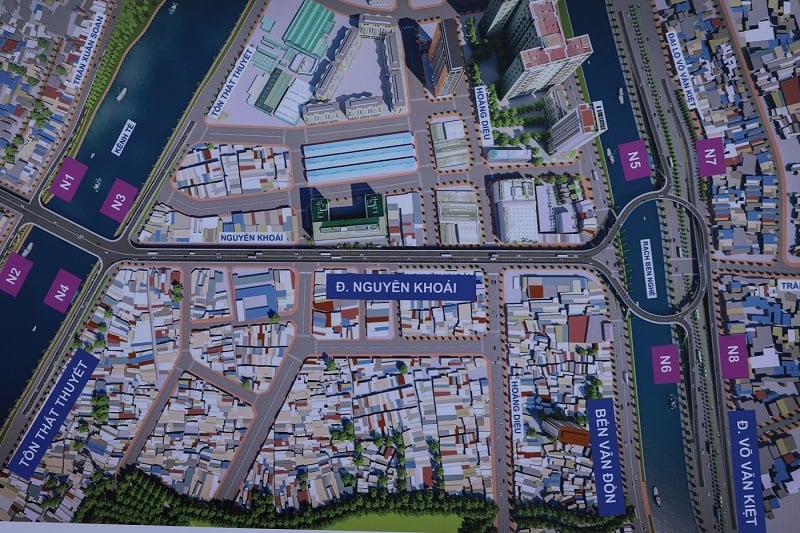 |
| Perspective of the bridge, Nguyen Khoi street. Source: TCIP |
On the other hand, the Project increased capital due to updating compensation costs for site clearance due to the application of the provisions of the 2024 Land Law and updating compensation costs for technical infrastructure relocation.
In addition to adjusting the total investment, TCIP also proposed adjusting the project implementation period from 2017 to 2028 instead of completing it in 2020 as previously approved.
Because the architectural plan of Nguyen Khoi bridge and road has been previously approved, TCIP recommends that the Department of Transport, during the process of appraising the Feasibility Study Report (adjusted), not require the implementation of the competition procedure for the architectural plan of the Project.
Currently, Ho Chi Minh City is speeding up the procedures to start the Nguyen Khoi Bridge and Road Project on April 30, 2025.
Processing more than 13 million m2 of dredged waste from My Thuy Port Project
The Standing Vice Chairman of the People's Committee of Quang Tri province, Ha Sy Dong, has just agreed on the receiving location and handling plan for the dredging products of the My Thuy Port Area project of My Thuy International Port Joint Venture Joint Stock Company (MTIP).
Accordingly, the Standing Vice Chairman of the Quang Tri Provincial People's Committee, Ha Sy Dong, agreed with the proposed report of the Department of Natural Resources and Environment and requested MTIP to proactively implement and commit to arranging locations to receive dredged products in accordance with the project implementation situation, ensuring that it does not affect the construction progress and the operational functions of functional areas when the project comes into operation.
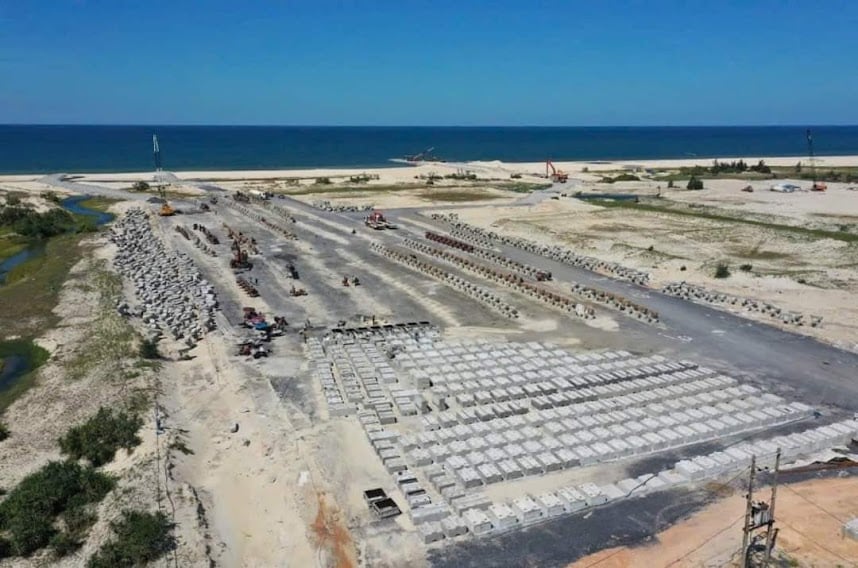 |
| Construction site of My Thuy Port project, phase. Photo: MTIP |
According to the report of the Department of Natural Resources and Environment of Quang Tri in Document No. 4245/STNMT-CCBVMT dated October 4, 2024, the total volume of dredging products during the construction of My Thuy Port Area, Phase 1 is 13.22 million m3. Of which, more than 988,000 m3 of white sand meets the standards for making glass tiles for construction and for use in the field of mold production; the remaining 12.23 million m3 of sand can be used as filling material.
Theo phương án xử lý do Sở Tài nguyên và Môi trường đề xuất, phần cát trắng sẽ được tập kết tại khu vực 25 ha sau khi đóng cửa mỏ của Công ty CP Đầu tư và Khoáng sản VICO Quảng Trị và vùng lân cận. Phần sản phẩm nạo vét tập kết tại các khu vực trong phạm vi giai đoạn 1, 2, 3 của dự án. Theo kết quả khảo sát thăm dò thì sản phẩm nạo vét không có bùn và tạp chất nên MTIP không tính đến phương án nhận chìm.
Về thời gian dự kiến tập kết sản phẩm nạo vét, hiện MTIP đang tìm kiếm nguồn tiêu thụ sản phẩm nạo vét và các vị trí bãi tập kết khác nằm ngoài dự án để đảm bảo tập kết không quá năm 2030; đồng thời quy mô, chiều cao các bãi tập kết trong dự án cũng sẽ được điều chỉnh phù hợp với tình hình thực tế.
Việc phê duyệt vị trí bãi chứa chất nạo vét là cơ sở để MTIP triển khai các bước tiếp theo như lập hồ sơ điều chỉnh đánh giá tác động môi trường dự án (ĐTM) dự kiến trình Bộ Tài Nguyên và Môi trường vào quý IV/2024, tư vấn lập hồ sơ xin chủ trương chuyển đổi rừng, đo đạc và cắm mốc giải phóng mặt bằng giai đoạn 2, 3.
Dự án Khu bến cảng Mỹ Thuỷ được Thủ tướng Chính phủ phê duyệt chủ trương đầu tư tại Quyết định số 16/QĐ-TTg ngày 4/1/2019. Dự án do Công ty cổ phần Liên doanh cảng quốc tế Mỹ Thủy (MTIP) làm chủ đầu tư, được thực hiện tại xã Hải An, huyện Hải Lăng, trong Khu kinh tế Đông Nam Quảng Trị.
Dự án có quy mô 10 bến, tổng vốn đầu tư 14.234 tỷ đồng; tiến độ thực hiện từ năm 2018-2035. Trong đó, giai đoạn 1 từ 2018-2025 với quy mô 4 bến, vốn đầu tư 4.946 tỷ đồng (tại Quyết định số 04/QĐ-MTIP ngày 19/7/2023 của MTIP phê duyệt Báo cáo nghiên cứu khả thi giai đoạn 1 là 6.073 tỷ đồng). Hiện nay MTIP đang khẩn trương thi công các hạng mục của dự án, phấn đấu hoàn thành ít nhất 1 bến vào cuối năm 2025.
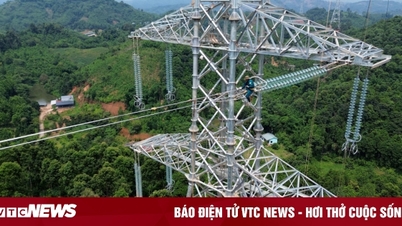
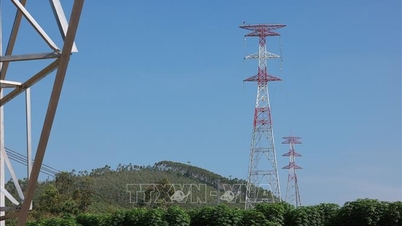
EVN là chủ đầu tư dự án đường dây 500 kV Lào Cai – Vĩnh Yên
Thủ tướng Chính phủ đã có Quyết định số 1274/QĐ-TTg về việc chấp thuận chủ trương đầu tư dự án đường dây 500kV Lào Cai – Vĩnh Yên quy mô hơn 7.000 tỷ đồng. Tập đoàn Điện lực Việt Nam (EVN) được giao là chủ đầu tư.
Dự án đường dây 500 kV Lào Cai – Vĩnh Yên có mục tiêu truyền tải công suất các nhà máy thủy điện khu vực Tây Bắc và các tỉnh lân cận lên lưới điện quốc gia; tạo ra mối liên kết mạnh giữa các khu vực trong hệ thống điện, tăng khả năng vận hành an toàn và ổn định cho hệ thống điện quốc gia.
 |
| Dự án đường dây 500 kV Sơn La – Lai Châu cũng nằm ở phía Bắc. (Ảnh: Sông Đà) |
Dự án cũng nhằm thực hiện mục tiêu giảm tổn thất điện năng trong lưới truyền tải, tăng hiệu quả sản xuất kinh doanh điện của EVN. Dự phòng nhu cầu nhập khẩu điện từ Trung Quốc.
Địa điểm thực hiện dự án đầu tư: tại các tỉnh Lào Cai, Yên Bái, Phú Thọ, Vĩnh Phúc.
Quy mô dự án gồm, xây dựng mới đường dây 500 kV Lào Cai – Vĩnh Yên, mạch kép dài khoảng 228,92 km; mở rộng thêm 02 ngăn lộ 500 kV tại trạm biến áp 500 kV Vĩnh Yên đi trạm biến áp 500 kV Lào Cai.
Vốn đầu tư của dự án là khoảng 7.010,74 tỷ đồng, trong đó, giá trị tổng vốn đầu tư dự án trước thuế khoảng 6.495,53 tỷ đồng, dự kiến sử dụng nguồn vốn chủ sở hữu (khoảng 1.299,11 tỷ đồng) chiếm 20% tổng vốn đầu tư dự án trước thuế và vốn vay ngân hàng thương mại (khoảng 5.196,42 tỷ đồng) chiếm 80% tổng vốn đầu tư dự án trước thuế.
Thời hạn hoạt động của dự án tối thiểu 40 năm (kể từ ngày có quyết định chấp thuận chủ trương đầu tư đồng thời chấp thuận nhà đầu tư).
Dự án có tiến độ khởi công tháng 12/2025, thi công xây dựng trong thời gian 6 tháng, phấn đấu hoàn thành đóng điện, đưa công trình vào sử dụng trong tháng 5/2026.
Về chủ trương chuyển mục đích sử dụng rừng sang mục đích khác để thực hiện dự án: dự kiến quy mô diện tích rừng cần chuyển sang mục đích khác để thực hiện dự án là khoảng gần 53 ha rừng.
Thủ tướng giao Bộ Công thương chịu trách nhiệm quản lý nhà nước đối với dự án theo ngành, lĩnh vực phụ trách theo quy định pháp luật; chỉ đạo và hướng dẫn EVN trong việc rà soát, hoàn thiện hồ sơ trình thẩm định báo cáo nghiên cứu khả thi dự án, bảo đảm an toàn, phát huy tối đa vai trò, hiệu quả đầu tư dự án, phù hợp với mục đích truyền tải trong hệ thống điện quốc gia và khẩn trương tổ chức thẩm định báo cáo nghiên cứu khả thi dự án, thiết kế triển khai sau thiết kế cơ sở dự án. Đồng thời, chịu trách nhiệm thực hiện chức năng quản lý nhà nước chuyên ngành đối với dự án trong quá trình triển khai thực hiện đầu tư và quản lý khai thác theo quy định của pháp luật.
Bộ Tài nguyên và Môi trường chịu trách nhiệm kiểm tra, giám sát việc bảo đảm tuân thủ các quy định của pháp luật về bảo vệ môi trường của dự án trong quá trình thực hiện. Hỗ trợ, hướng dẫn UBND các tỉnh: Lào Cai, Yên Bái, Phú Thọ, Vĩnh Phúc trong việc giao đất, cho thuê đất, cho phép chuyển mục đích sử dụng đất để thực hiện dự án bảo đảm phù hợp với quy hoạch, kế hoạch sử dụng đất đã được cấp có thẩm quyền phê duyệt, tuân thủ đúng theo quy định của pháp luật về đất đai.
Bên cạnh đó, Bộ Tài nguyên và Môi trường hỗ trợ, hướng dẫn EVN trong việc hoàn thiện hồ sơ và thực hiện thủ tục đánh giá tác động môi trường của dự án theo quy định của pháp luật về bảo vệ môi trường và khẩn trương tổ chức thẩm định, phê duyệt kết quả thẩm định báo cáo đánh giá tác động môi trường. Hỗ trợ, hướng dẫn UBND các tỉnh: Lào Cai, Yên Bái, Phú Thọ, Vĩnh Phúc trong việc thực hiện thủ tục chuyển mục đích sử dụng đất trồng lúa sang mục đích khác để thực hiện dự án, bảo đảm đúng theo quy định của pháp luật về đất đai…
EVN chịu trách nhiệm trước pháp luật về tính trung thực, chính xác của các thông tin, số liệu, nội dung trong hồ sơ dự án; chịu trách nhiệm huy động góp đủ số vốn đã đăng ký và thực hiện theo tiến độ, chất lượng, an toàn công trình, bảo đảm tính khả thi của dự án. Chịu trách nhiệm về tiến độ thực hiện dự án; chịu trách nhiệm về hiệu quả đầu tư dự án, bảo đảm bảo toàn và phát triển vốn nhà nước và thực hiện chế độ báo cáo về dự án theo đúng quy định của pháp luật. Nghiên cứu, tiếp thu đầy đủ ý kiến thẩm định của cơ quan liên quan trong quá trình đầu tư, thực hiện dự án…
Binh Dinh proposes to add Phu My Port Area to the National Seaport Planning
In a document sent to the Ministry of Transport, Binh Dinh province said that Phu My port area has an area of 1,442.7 hectares, by 2030 there will be 2 specialized wharves for green hydrogen and green ammonia products, receiving ships with a capacity of 150,000 tons.
Để tạo điều kiện cho các nhà đầu tư nghiên cứu đầu tư xây dựng phát triển hạ tầng cảng biển, đáp ứng yêu cầu phát triển kinh tế xã hội của tỉnh; mới đây, UBND tỉnh Bình Định đề nghị Bộ Giao thông vận tải kiến nghị Thủ tướng xem xét điều chỉnh, bổ sung Quy hoạch Khu bến cảng Phù Mỹ vào Quy hoạch tổng thể phát triển hệ thống cảng biển Việt Nam thời kỳ 2021 – 2030, tầm nhìn đến năm 2050 khi rà soát quy hoạch theo định kỳ 5 năm.
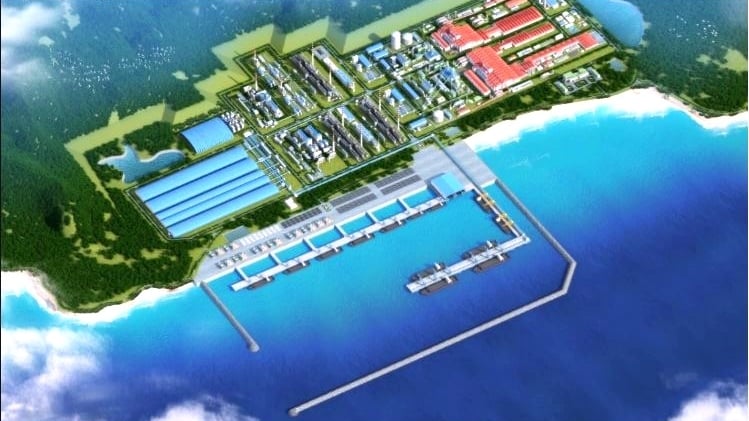 |
| Perspective of Phu My Specialized Port Project at Long Son Iron and Steel Complex Phase 1. |
At the same time, the People's Committee of Binh Dinh province requested the Ministry of Transport to consider updating the planning scale of Phu My Port Area (in My An commune, My Tho commune, Phu My district) to submit to the Prime Minister for approval of the detailed planning of seaports, ports, wharves, buoys in water areas and water regions for the period 2021-2030, with a vision to 2050 according to regulations.
Theo quy mô được UBND tỉnh Bình Định đề cập trong tờ trình gửi Bộ Giao thông vận tải, Khu bến Phù Mỹ có quy mô diện tích 1.442,7 ha, với chức năng công trình giao thông – cảng biển gắn liền với khu công nghiệp tập trung, đa ngành, tăng cường thu hút các loại hình công nghiệp phù hợp với định hướng cho Khu công nghiệp Phù Mỹ.
Đến năm 2030, Khu bến Phù Mỹ có 2 cầu cảng chuyên dùng sản phẩm hydrogen xanh, amoniac xanh, tiếp nhận tàu trọng tải 150.000 tấn; 1 cầu cảng hàng lỏng chuyên dùng tiếp nhận sản phẩm xăng dầu, LNG, Jet, sản phẩm hóa dầu, tiếp nhận tàu trọng tải 100.000 tấn; 1 cầu cảng chuyên dùng hàng rời, tiếp nhận tàu trọng tải 70.000 – 100.000 tấn.
Khu bến Phù Mỹ còn có 5 cầu cảng tổng hợp bốc xếp hàng hóa tổng hợp, bao kiện, container, vật tư thiết bị, tiếp nhận tàu trọng tải 30.000 – 100.000 tấn.
Sau năm 2030, Khu bến Phù Mỹ có 4 cầu cảng tổng hợp, vật tư cho tàu trọng tải 30.000 – 70.000 tấn; 1 cầu cảng cho đội tàu phục vụ, lai dắt chiều dài 120m.
Binh Dinh Provincial People's Committee also preliminarily forecasts the volume of goods passing through the port by 2030 to be about 2.6 million tons/year, including liquid goods (hydrogen, ammonia), materials, equipment, packages, and bulk cargo.
Dự báo giai đoạn 2030 – 2050, khối lượng hàng hóa thông qua bến cảng là khoảng 16,6 triệu/năm, bao gồm hàng lỏng (hydrogen, amoniac, LNG, xăng dầu, sản phẩm hóa dầu), hàng tổng hợp, container, vật tư, thiết bị, bao kiện, hàng rời, thiết bị chuyên dùng năng lượng.
It is known that Phu My Port Project is receiving attention from Phu My Investment Group Joint Stock Company when on September 23, 2024, this Company sent a document to the People's Committee of Binh Dinh province to register for survey, research and investment in the General and Specialized Port Project serving Phu My Industrial Park.
Then, on October 9, 2024, this Company continued to request registration for a survey to measure the depth of the seabed to determine the construction location of Phu My Port.
On October 21, 2024, the People's Committee of Binh Dinh province agreed to allow Phu My Investment Group Joint Stock Company to survey and measure the depth of the seabed in the sea area of My An commune, My Tho commune, Phu My district to determine the location for the construction of Phu My Port.
Đề xuất quy hoạch và đầu tư xây dựng Quốc lộ 5 đi trên cao
Sở Giao thông Vận tải (GTVT) Hải Dương vừa đề nghị Bộ GTVT xem xét quy hoạch và đầu tư xây dựng tuyến Quốc lộ 5 trên cao.
Theo Sở GTVT Hải Dương, phương án đầu tư xây dựng Quốc lộ 5 đi trên cao có nhiều ưu điểm hơn so với phương án mở rộng Quốc lộ 5 hiện hữu.
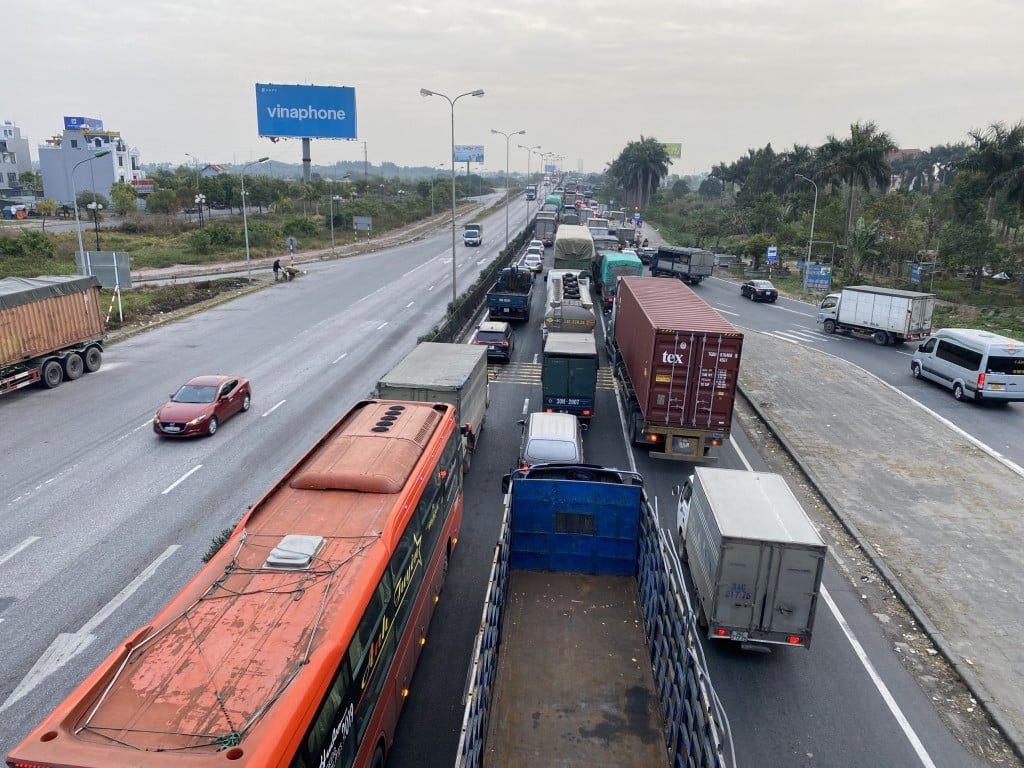 |
| Một đoạn Quốc lộ 5 qua Hải Dương. |
Cụ thể, phương án này giúp không phải bố trí quỹ đất mới, tiết kiệm đất, sử dụng đất một cách hiệu quả, thông minh do không phải mở rộng; không phải giải phóng mặt bằng trên tuyến chính (đây là một trong những điểm nghẽn khi triển khai các Dự án hạ tầng giao thông, cũng là những điểm phát sinh khiếu kiện); đặc biệt không phải giải phóng mặt bằng các khu, cụm công nghiệp, các khu dân cư hiện trạng hai bên tuyến đường, từ đó giảm đáng kể chi phí đầu tư.
Bên cạnh đó, Dự án Quốc lộ 5 đi trên cao khi đưa vào khai thác sẽ đảm bảo được tốc độ thiết kế, tiết kiệm đáng kể thời gian lưu thông; giải quyết được bất cập về hạ tầng giao thông, đặc biệt các giao cắt cùng mức, hạn chế đến mức tối thiểu về tai nạn giao thông.
Việc xây dựng Quốc lộ 5 đi trên cao còn giúp chủ động phương án thi công, rút ngắn tiến độ triển khai công trình.
Được biết, Quốc lộ 5 là trục huyết mạch tại khu vực phía Bắc, đưa vào khai thác sử dụng toàn tuyến từ năm 1998 với quy mô đường cấp II đồng bằng (từ 4-8 làn xe). Tuyến đã được các địa phương lấy là trục phát triển kinh tế, đặc biệt các phương tiện vận tải lớn đi và đến các cảng Hải Phòng với lưu lượng xe/ngày rất cao.
Trong những năm vừa qua, các địa phương đã từng bước đầu tư một số tuyến đường gom Quốc lộ 5. Bên cạnh đó, năm 2015, tuyến đường ô tô cao tốc Hà Nội – Hải Phòng được thông xe cũng đã chia sẻ một phần lưu lượng giao thông trên Quốc lộ 5.
Tuy nhiên, Quốc lộ 5 đã mãn tải từ lâu (theo số liệu đếm xe của đơn vị quản lý, lưu lượng thực tế hiện nay khoảng trên 90.000 xe/ ngày vượt quá 6 lần lưu lượng thiết kế). Tốc độ khai thác trên Quốc lộ 5 chỉ đạt 50 – 60 km/h đối với xe con bằng 50-60% so với tốc độ thiết kế.
Sở GTVT Hải Dương cho biết, tình hình tai nạn giao thông trên tuyến hết sức phức tạp, thường xuyên xảy ra ùn tắc, đặc biệt vào giờ cao điểm. Riêng đoạn qua tỉnh Hải Dương dài 44 km nhưng từ năm 2021 đến nay đã xảy ra 228 vụ tai nạn, chiếm 18%; làm chết 85 người, chiếm 13%; làm bị thương 139 người, chiếm 16% số vụ tai nạn, số người chết, bị thương toàn tỉnh.
Theo phương án Quy hoạch kết cấu hạ tầng giao thông đường bộ thời kỳ 2021- 2030, tầm nhìn đến năm 2050 đang được Bộ GTVT tổ chức lập, Quốc lộ 5 vẫn giữ nguyên quy mô hiện trạng.
“Với vai trò rất quan trọng của tuyến Quốc lộ 5 hiện nay cũng như trong tương lai thì việc sớm quy hoạch và đầu tư mở rộng hoặc làm đường trên cao là rất cấp thiết và cấp bách, nhằm đáp ứng được yêu cầu tam giác phát triển kinh tế Hà Nội – Hải Phòng – Quảng Ninh, giải quyết được tình trạng mãn tải và an toàn giao thông trên tuyến”, lãnh đạo Sở GTVT Hải Dương đánh giá.
Khánh Hòa chuyển hơn 26 ha đất trồng lúa để đầu tư Dự án Cụm công nghiệp Diên Thọ
Ngày 31/10, UBND tỉnh Khánh Hòa cho biết, theo phương án phát triển cụm công nghiệp tỉnh Khánh Hòa được phê duyệt kèm theo Quy hoạch tỉnh Khánh Hòa thời kỳ 2021 – 2030, tầm nhìn đến 2050 tại Quyết định số 318/QĐ-TTg ngày 29/3/2023 của Thủ tướng Chính phủ, diện tích Cụm công nghiệp Diên Thọ đến năm 2030 là 75 ha.
Hiện nay, diện tích Cụm công nghiệp Diên Thọ đã thành lập trên địa bàn huyện Diên Khánh là 50ha. Trong đó, Cụm công nghiệp Diên Thọ (giai đoạn 2) do Công ty cổ phần đầu tư VCN làm chủ đầu tư được thành lập theo Quyết định số 2053/QĐ-UBND ngày 30/8/2023 của UBND tỉnh có diện tích 30,98 ha.
Do vậy, UBND tỉnh Khánh Hòa cho rằng, việc đề xuất chuyển mục đích sử dụng đất lúa sang mục đích khác trong phạm vi ranh giới Cụm công nghiệp Diên Thọ (giai đoạn 2) là cần thiết.
Ngày 30/11/2023, Công ty cổ phần đầu tư VCN có văn bản số 602/CV-PTDA về việc đăng ký nhu cầu chuyển mục đích sử dụng đất trồng lúa để thực hiện Dự án Cụm công nghiệp Diên Thọ (giai đoạn 2), trong đó diện tích đất trồng lúa trong dự án là 26,18 ha.
Theo UBND tỉnh Khánh Hòa, căn cứ các quy định có liên quan, việc chấp thuận chuyển mục đích sử dụng đất trồng lúa để thực hiện Dự án Cụm công nghiệp Diên Thọ (giai đoạn 2) thuộc thẩm quyền của Thủ tướng Chính phủ ủy quyền cho HĐND tỉnh Khánh Hòa theo Quyết định số 06/2023/QĐ-TTg của Thủ tướng Chính phủ.
Đồng thời, Dự án trên đã được HĐND tỉnh thông qua Danh mục dự án cần thu hồi đất để phát triển kinh tế – xã hội vì lợi ích quốc gia, công cộng trên địa bàn tỉnh Khánh Hòa tại Nghị quyết số 09/NQ-HĐND ngày 30/3/2023; phù hợp với Đồ án Quy hoạch chung đô thị Diên Khánh đến năm 2040; phù hợp với quy hoạch sử dụng đất đến năm 2030 huyện Diên Khánh, đã đưa vào Kế hoạch sử dụng đất năm 2024 huyện Diên Khánh.
Cùng với đó, khu vực thực hiện chuyển mục đích sử dụng đất trồng lúa sang mục đích khác để thực hiện Dự án Cụm công nghiệp Diên Thọ không chồng lấn với vị trí quy hoạch công trình thủy lợi.
Ngày 31/10, HĐND tỉnh chấp thuận chuyển mục đích sử dụng 26,18 ha đất trồng lúa để đầu tư Dự án Cụm công nghiệp Diên Thọ (giai đoạn 2) theo đề nghị của UBND tỉnh Khánh Hòa.
Ho Chi Minh City prioritizes mobilizing more than 39 billion USD to build 183 km of metro
Sở Giao thông – Vận tải (GTVT) TP.HCM vừa có Văn bản số 14229 gửi UBND Thành phố giải trình rõ hơn về cơ cấu nguồn vốn đầu tư 183 km đường sắt đô thị và đánh giá nợ công khi đầu tư các tuyến đường sắt đô thị.
Theo báo cáo của Sở GTVT, để hoàn thành 183 km đường sắt đô thị TP.HCM vào năm 2035, cần số vốn hơn 39 tỷ USD. Với số vốn rất lớn, TP.HCM sẽ huy động tối đa các nguồn lực để đầu tư theo kế hoạch đề ra.
Khi đầu tư, Thành phố xác định, cơ cấu nguồn vốn dựa trên nguyên tắc các tuyến đang triển khai đầu tư theo vốn vay ODA, thì các đoạn còn lại có thể xem xét, nghiên cứu tiếp tục đầu tư bằng vốn ODA hoặc bằng vốn ngân sách nhà nước.
Đối với các tuyến còn lại sẽ tập trung ưu tiên đầu tư bằng vốn nhà nước, huy động thêm từ các nguồn vốn khác nhằm dần tiếp cận các công nghệ hướng tới nội địa hóa hệ thống đường sắt đô thị, chủ động hoàn toàn trong triển khai và đẩy nhanh tiến độ Dự án.
Vì vậy, qua tính toán của các sở, ngành, nhu cầu vốn để đầu tư các tuyến đường sắt đô thị tại TP.HCM giai đoạn 2026-2030 là 21,31 tỷ USD. Trong đó, nguồn ngân sách Thành phố và thu từ đấu giá quỹ đất dọc các nhà ga (TOD) là 7,81 tỷ USD (chiếm 36,65%); phát hành trái phiếu chính quyền địa phương và các hình thức vay trong nước khác là 6,67 tỷ USD (chiếm 31,3%); Trung ương hỗ trợ (dự kiến) 4,78 tỷ USD (chiếm 22,44%); nguồn vốn BT trả chậm 2,04 tỷ USD (chiếm 9,58%).
Đến giai đoạn 2031-2035, Thành phố cần 17,26 tỷ USD để đầu tư, trong đó, nguồn ngân sách Thành phố và thu từ TOD là 9,48 tỷ USD (chiếm 54,95%); Trung ương hỗ trợ (dự kiến) 3,19 tỷ USD (chiếm 18,51%), nguồn vốn BT trả chậm 4,58 tỷ USD (chiếm 26,54%).
Nhìn vào cơ cấu nguồn vốn trên, PGS-TS. Vũ Anh Tuấn, Giám đốc Trung tâm Nghiên cứu và Phát triển giao thông – vận tải Việt Đức đánh giá, giải pháp huy động vốn từ đấu giá khai thác quỹ đất theo mô hình TOD, phát hành các loại trái phiếu như trái phiếu đô thị, trái phiếu chính quyền địa phương là hoàn toàn khả thi. “Những nguồn vốn này hoàn toàn có thể dùng để phát triển đường sắt đô thị, vì Nghị quyết 98/2023/QH15 đã cho TP.HCM hành lang cơ chế, hoàn toàn có thể triển khai được”, ông Tuấn phân tích.
Ông Tuấn cho rằng, việc phát triển mô hình phát triển TOD sẽ có nhiều thuận lợi về sau, khi vừa tạo ra các đô thị vệ tinh, giúp giải nén không gian đô thị và mật độ dân cư cho các khu vực trung tâm của Thành phố, vừa giảm phương tiện cá nhân, giảm kẹt xe, ô nhiễm…
Liên quan kế hoạch khai thác quỹ đất, phát triển TOD, Đề án đã được Thành ủy, UBND Thành phố thông qua và ban hành kế hoạch thực hiện trong 2 giai đoạn (2024 – 2025 và 2026-2028) tại một số khu đất xung quanh nhà ga tuyến metro số 1, số 2 và quanh nút giao Vành đai 3 theo cơ chế đặc thù của Nghị quyết 98/NQ- QH15.
Nguồn vốn TP.HCM dự kiến huy động từ trái phiếu chính quyền địa phương là 160.000 tỷ đồng (10.000-40.000 tỷ đồng/năm) trong giai đoạn 2026-2030 để dành riêng cho đầu tư đường sắt đô thị cũng hoàn toàn khả thi. Bởi theo tính toán của các sở, ngành, dư nợ vay của Thành phố đến ngày 31/12/2023 là 26.729 tỷ đồng. Do đó, trong trường hợp vay trái phiếu chính quyền địa phương theo kế hoạch của Đề án là 160.000 tỷ đồng và điều kiện dự kiến tốc độ tăng thu ngân sách nhà nước đạt được mức tăng trưởng tương đương mục tiêu tăng trưởng GRDP của Thành phố trong giai đoạn 2026 – 2030 (bình quân khoảng 9,5 – 10%/năm), thì tổng mức dư nợ vay của Thành phố vẫn đảm bảo không vượt quá 120% số thu ngân sách Thành phố được hưởng theo phân cấp được quy định tại Nghị quyết số 98/2023/QH15.
Vì vậy, để đảm bảo hoàn thành 183 km đường sắt đô thị vào năm 2035, Sở GTVT đã xây dựng tiến độ chi tiết cho từng giai đoạn. Trong đó, giai đoạn 2025-2027 phải hoàn thành công tác chuẩn bị dự án; năm 2027-2028, hoàn thành công tác bồi thường, hỗ trợ, tái định cư và bàn giao mặt bằng để thi công; khởi công công trình từ năm 2027, chậm nhất năm 2028; đến năm 2035 hoàn thành 183 km.
Để tăng tính khả thi khi huy động nguồn vốn trái phiếu trong nước, Sở GTVT kiến nghị UBND Thành phố chỉ đạo các sở, ngành thực hiện khảo sát thị trường, nghiên cứu áp dụng mức lãi vay đủ hấp dẫn, đa dạng các hình thức phát hành trái phiếu.
Đà Nẵng mở đợt cao điểm giải phóng mặt bằng cao tốc Hoà Liên – Tuý Loan
Thành phố Đà Nẵng vừa ban Kế hoạch về triển khai, thực hiện Đợt thi đua cao điểm “500 ngày đêm thi đua hoàn thành 3.000 km đường bộ cao tốc” trên địa bàn thành phố, theo Quyết định số1008/QĐ-TTg ngày 19-9-2024 của Thủ tướng Chính phủ.
Kế hoạch được bàn hành nhằm tạo khí thế thi đua sôi nổi, phát huy sức mạnh của cả hệ thống chính trị và các tầng lớp nhân dân, tập trung mọi nguồn lực để đến hết năm 2025 hoàn thành đường bộ cao tốc đi qua địa bàn thành phố Đà Nẵng.
Thành phố Đà Nẵng tập trung vào 2 nội dung chính.
Thi đua thực hiện tốt công tác tuyên truyền, vận động, tạo sự đồng thuận trong xã hội để mọi tầng lớp nhân dân ủng hộ và chia sẻ trách nhiệm với Nhà nước, tích cực tham gia giải phóng mặt bằng để làm cao tốc đoạn Hòa Liên – Túy Loan.
Thi đua lao động sáng tạo, phối hợp với chủ đầu tư để hoàn thành các công việc theo đúng tiến độ mà chủ đầu tư yêu cầu về giải phóng mặt bằng tại các vị trí là đường găng, di dời các hạng mục hạ tầng kỹ thuật, hoàn thiện các thủ tục để xây dựng các khu tái định cư, hoàn thành các công việc giải phóng mặt bằng và bàn giao toàn bộ mặt bằng cho Dự án.
Kế hoạch của TP.Đà Nẵng cũng đề ra các tiêu chí thi đua cụ thể. Trong đó huyện Hòa Vang và các địa phương nơi dự án đi qua cần chủ động, sáng tạo trong việc giải quyết khó khăn vướng mắc và giải phóng mặt bằng.
Tuyên truyền, vận động nhân dân nơi dự án đi qua động thuận, ủng hộ dự án. Vận dụng sáng tạo, linh hoạt hiệu quả các quy định của pháp luật để giải quyết các kiến nghị hợp pháp, chính đáng của người dân trong công tác giải phóng mặt bằng.
Đồng thời quyết liệt triển khai công tác giải phóng mặt bằng, hoàn thành trước tiến độ giải phóng mặt bằng do Thủ tướng Chính phủ giao; kịp thời bàn giao mặt bằng cho chủ đầu tư theo đúng tiến độ. Phối hợp kịp thời tháo gỡ các khó khăn, vướng mắc thuộc phạm vi trách nhiệm của địa phương để đáp ứng tiến độ, kế hoạch thực hiện dự án.
Thành phố Đà Nẵng cũng giao Sở Tài nguyên và Môi trường chủ động tháo gỡ các khó khăn, vướng mắc về pháp lý đối với công tác giải phóng mặt bằng, tích cực hỗ trợ huyện Hòa Vang trong thực hiện công tác đền bù giải tỏa, bảo đảm thành phố bàn giao mặt bằng cho đơn vị thi công theo đúng thời gian quy định.
Thành phố Đà Nẵng sẽ tặng bằng khen cho những tập thể, cá nhân có thành tích xuất sắc trong công tác giải phóng mặt bằng, di dời hạ tầng kỹ thuật, bàn giao mặt bằng cho chủ đầu tư…
Dự án cao tốc Hòa Liên – Túy Loan dài 11,5km đi qua địa bàn H. Hòa Vang, được khởi công vào tháng 9/2023. Giai đoạn 1, dự án được đầu tư với quy mô 4 làn xe hoàn chỉnh, bề rộng nền đường 22m, bề rộng mặt đường 14m, vận tốc thiết kế 80km/h; giai đoạn hoàn chỉnh sẽ có quy mô 6 làn xe, bề rộng nền đường 29m.
Tổng mức đầu tư dự án cao tốc Hòa Liên – Túy Loan là hơn 2.100 tỷ đồng, dự kiến sẽ hoàn thành xây dựng và đưa vào khai thác vào cuối năm 2025.











































































Comment (0)