


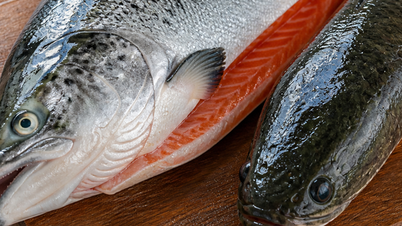
Delicious and nutritious grilled salmon - Illustration
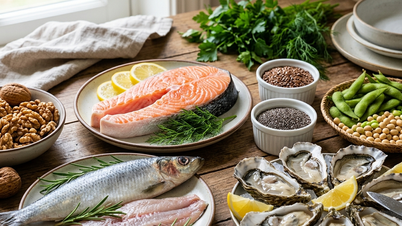
The main health benefits of salmon include improved cardiovascular and brain health, and providing essential nutrients such as omega-3 fatty acids and protein.
Beneficial for muscle health.
Salmon is a rich source of protein, with 16g in an 85g serving. Protein supports cell production and repair, and promotes muscle health. A lack of protein can lead to muscle weakness. Salmon and other fish can help better meet protein needs and increase muscle mass.
Supports cardiovascular health.
According to the American Heart Association (AHA), adding omega-3 fatty acids to your diet is very good for cardiovascular health. Salmon is a rich source of omega-3s, a nutrient that supports heart health.
Studies have shown that omega-3 fatty acids found in salmon help support the reduction of atherosclerosis, or the buildup of fatty deposits in the arteries; improve the elasticity of arteries and increase the volume of blood they can carry; increase HDL cholesterol (good cholesterol) and reduce inflammation.
Helps prevent the risk of developing several common diseases.
Astaxanthin is a carotenoid or pigment known as the active form of vitamin A, found in wild-caught salmon. Research has shown that astaxanthin is an antioxidant, anti-inflammatory, and anticancer agent.
Antioxidants can help the body prevent the risk of diseases such as Alzheimer's, some types of cancer, diabetes, eye diseases, and heart disease.
Supports brain health
Foods rich in omega-3 fatty acids help protect and enhance brain health. Research indicates that consuming fish such as salmon can help improve memory, cognitive abilities, and brain cell regeneration.
Food for the environment
Salmon not only boosts health but also helps protect the environment. Nutritionist Keri Gans shared this with Health magazine. If farmed, salmon has less environmental impact than other animal protein sources because the farming process produces lower carbon emissions due to the use of less land and resources.
Nutritional value
An 85g serving of salmon provides:
Calories: 121
Fat: 5.4g
Protein: 16.8g
Saturated fat: 0.8g
Sodium: 37.4mg
Unsaturated fat: 3.9g
Salmon also provides the following nutrients:
Iron: Salmon is a rich source of iron, a nutrient essential for many bodily processes. Iron helps transport oxygen from the lungs to other tissues and supports muscle metabolism.
Vitamin A: Salmon is rich in vitamin A, which supports healthy teeth, skin, and vision. The fat in salmon can help enhance vitamin A absorption.
Vitamin B12: Adequate vitamin B12 intake helps prevent anemia, loss of appetite, neurological problems, and weakness.
Vitamin B3: Also known as niacin, vitamin B3 helps convert food into the energy the body needs. Vitamin B3 supports digestion, skin function, and nerve function.
Vitamin D: Your body gets vitamin D from sunlight and foods like salmon. Vitamin D helps the body absorb calcium, which helps build strong bones. Vitamin D also plays an important role in the nervous system, muscles, and immune system.
Zinc: This essential mineral helps support immune function, cell growth, and wound healing.
Source: https://tuoitre.vn/an-ca-hoi-lieu-co-tot-20260104115729137.htm








































































































Comment (0)