

 |
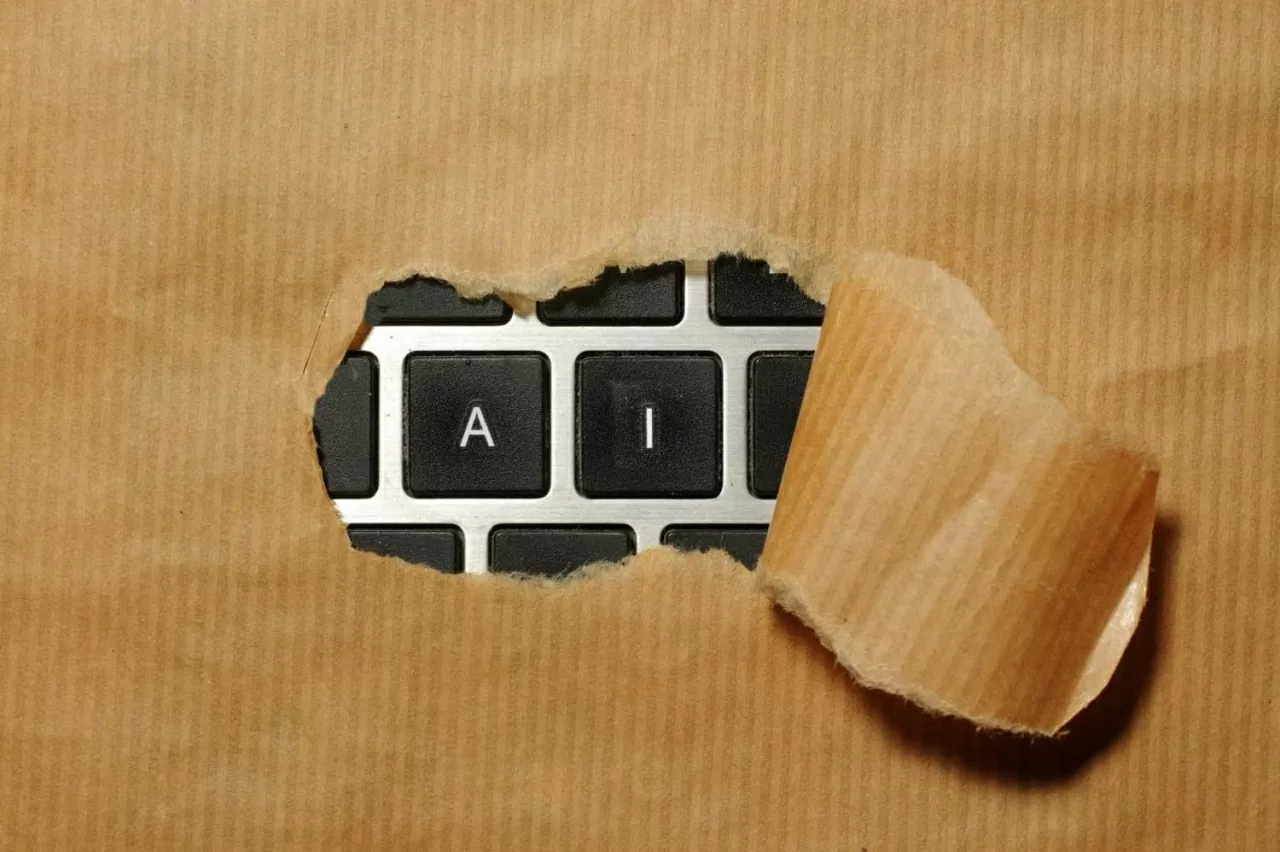
| Australia is facing a choice: proactively creating its own AI rules or adhering to existing ones. (Source: The Interpreter) |
The article states that AI is being promoted as a new breakthrough in governance and national strategy. However, if Australia does not establish its own rules for this technology, the country will become a passive recipient, dependent on systems designed and controlled by other nations.
Facing a difficult problem
AI is not a neutral technology. The way AI operates reflects the mindset, priorities, and values of the actors who create it, including governments and foreign corporations.
Australia's importation of AI systems built to foreign standards also means it is importing rules related to privacy, autonomy, and control. To ensure technological sovereignty , Australia needs to develop its own AI development guidelines and governance framework, clearly designed to reflect national values and interests.
However, the issue isn't whether or not to use AI, but rather under what rules Australia will operate this technology. If the standards are drafted overseas, any AI system operating in Australia will be bound by an "invisible thread"—a form of strategic dependence in the digital age.
Australia is neither the US nor China. It cannot lead in hardware manufacturing, nor can it afford to spend vast sums on building networks of drones, satellites, or algorithmic warfare systems.
However, Australia still has a choice: Invest in knowledge to build ethical, governance, and interoperability standards for AI, or accept the standards set by the US or China. In this case, "appropriateness" is essentially dependence.
In the defense sector, planners often assess capabilities by the number of devices or physical strength. However, AI has changed that concept, and strength is now measured by control over the decision-making process.
Australia still views AI as a commodity to be bought and a tool to enhance capabilities. If AI standards continue to be established by foreign entities, any AI systems that Canberra deploys will be dragged along by the invisible thread of dependence.
Therefore, Australia needs to establish standards and regulations on interoperability in defense, a transparency framework for application in the public sector, and ethical safeguards to prevent AI from being misused to manipulate citizens or undermine democracy.
If Australia can achieve this and get other countries to follow suit, it could become a standard-setter, thereby strengthening its soft power, similar to how Geneva is considered the center of humanitarian law, or Brussels the symbol of global privacy governance.
What path lies ahead for Australia?
The question is, will Australia take the initiative to write the rules of the game, or will it follow the rules set by other countries?
Analysts believe that Australia is likely to choose the easy path: establishing committees, writing reports, and ultimately buying what the US is already using. This approach may be disguised as "practicality," but it is in reality a lack of courage in strategic planning.
Clearly, AI standards are being shaped right now in Washington, Brussels, and Beijing. If Australia doesn't join in with a clear stance, it will become invisible from the very beginning.
Australia has two very clear choices: either have a say in shaping the rules, or remain a follower, subject to the dictates of others. Once these standards are established, they can persist for decades, and future generations of Australians will have to live within a framework they never chose.
Therefore, this is not just a story about "getting ahead of the curve" or "seizing opportunities." It's a question of sovereignty and status. Australia can continue to be dependent as it has been in the past, or it can define its own role in the AI era.
"AI is not a passing trend, but a strategic cornerstone of the future. Middle-sized nations like Australia have very little chance of making their mark in the new era," the article states.
Source: https://baoquocte.vn/australia-dung-giua-nga-ba-duong-trong-linh-vuc-ai-330521.html

































































Comment (0)