

 |
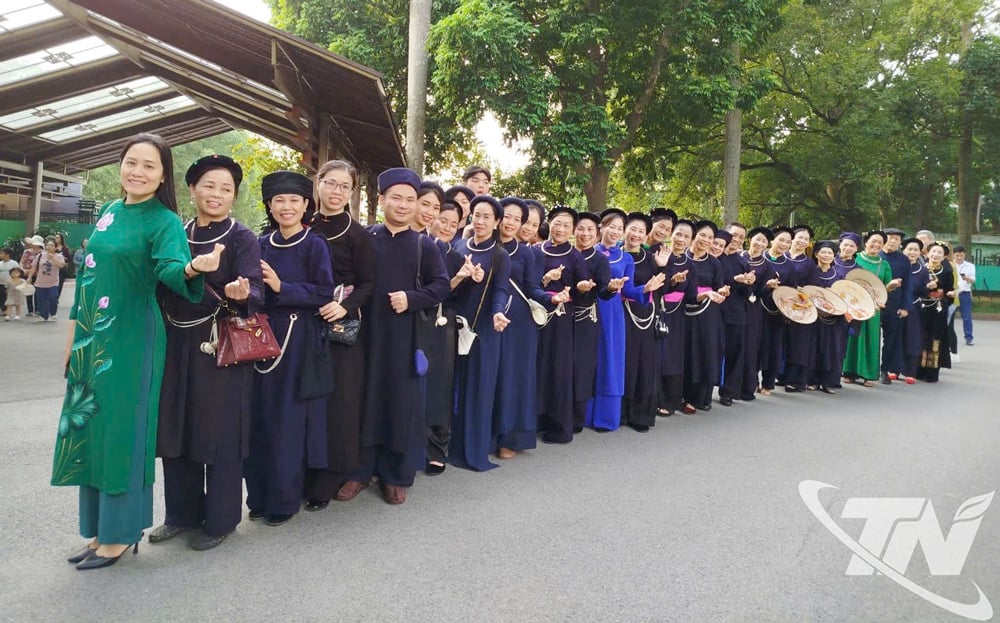
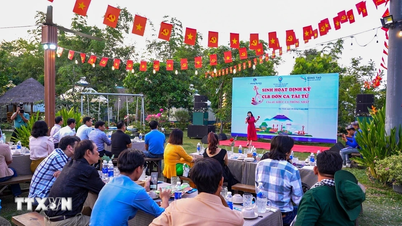
| Enjoy the Then festival. |
Both Thai Nguyen and Bac Kan are regions with diverse ethnic groups, including the Kinh, Tay, Nung, San Diu, Mong, Dao, San Chay, and Hoa. These ethnic groups live together harmoniously, creating a vibrant "garden" of colorful brocade fabrics. This "garden" stretches from Pu Mo in the Bang Van - Ngan Son region bordering Cao Bang province to Phu Loi in the Thuan Thanh - Pho Yen region bordering Hanoi . Each ethnic group has its own language, customs, and traditional clothing, but they all share a spirit of national unity.
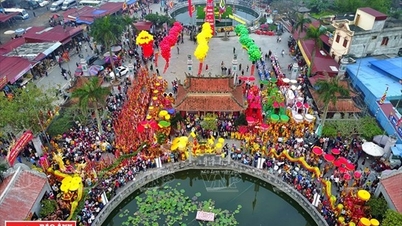
Speaking of "river civilization," along the Cau River, Bac Kan province is the headwaters, while Thai Nguyen is part of that headwaters. The two regions have had their administrative boundaries blurred, bringing people closer together. At the beginning of spring, people of different ethnic groups share festivals praying for a good harvest and national peace and prosperity. The merger of the two regions into the new Thai Nguyen province is likened to a "cultural reunion," where shared values that have long coexisted in the lives of the region's inhabitants are now strengthened and spread more widely.
For example, the Hmong people's Gầu Tào festival and the coming-of-age ceremonies of the Tay, Nung, Dao, San Chay, and San Diu ethnic groups are made more joyful and heartwarming by the union of people from both regions. Since they are "one family," geographical distance does not hinder travel, visits to relatives, and participation in shared community activities.
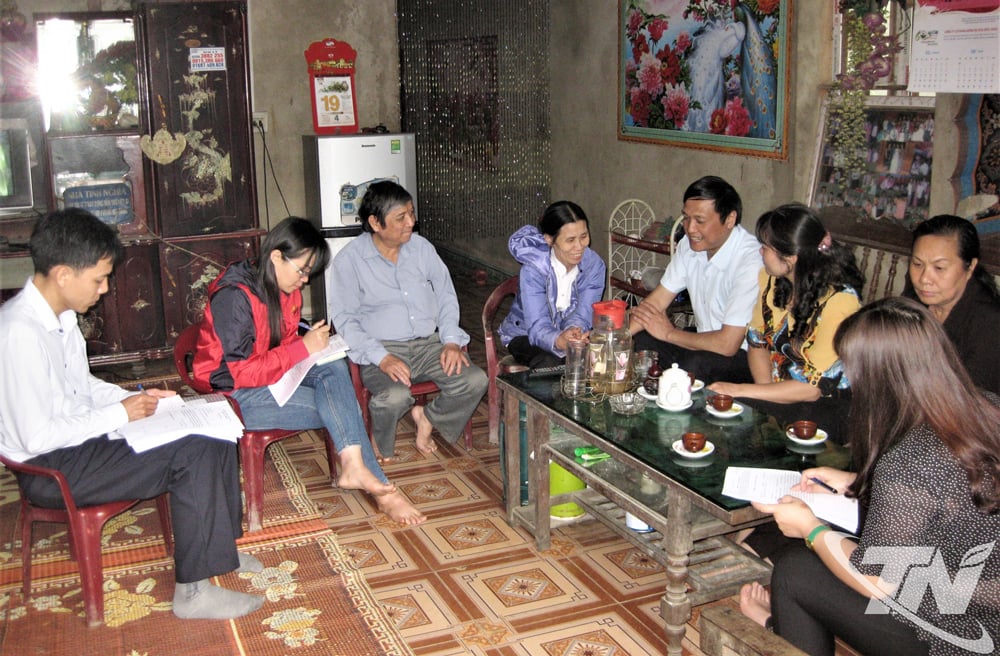 |
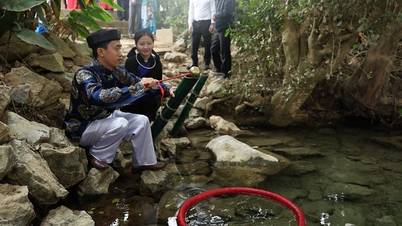
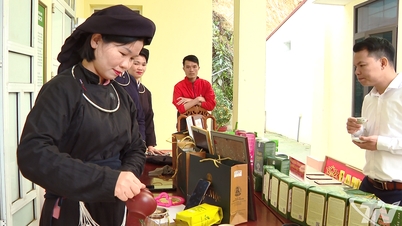
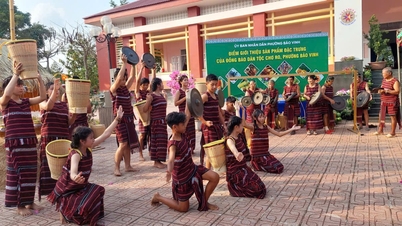
| Provincial officials and artists are exploring and researching the cultural beauty of the ethnic minority communities in the Chợ Đồn countryside. |
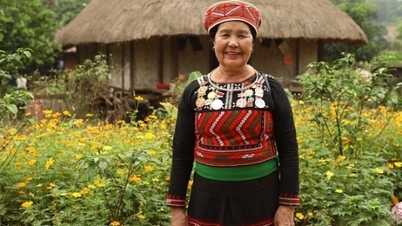
Community involvement, especially among artisans from ethnic minority groups, is a "living treasure." These artisans are the guardians and transmitters of the unique cultural beauty of their respective ethnic groups.
Since July 1st, the merger of the two regions has created a significant cultural synergy. Thai Nguyen province now officially boasts over 750 intangible cultural heritage sites, nearly 200 festivals at various levels; 3 People's Artisans, and 19 Distinguished Artisans in the field of intangible cultural heritage.
Despite differences in topography and local cultural nuances, Thai Nguyen and Bac Kan share many similarities. The interaction between ethnic communities has created a diverse yet harmonious cultural space, unified in its variety.
Despite the ongoing difficulties in their shared lives, especially the migrations and nomadic lifestyles of the past, these ethnic groups have preserved and passed down their languages, customs, and traditions from their ancestors. To strengthen themselves, these ethnic groups have independently sought out common languages for communication, sharing, trade, and unifying community affairs.
Currently, these two regions have thousands of cultural and artistic clubs at all levels, including folk Then singing clubs. They are called folk Then singing clubs because in recent years, the sound of the Tinh lute and the Then songs have become a popular demand among many singing enthusiasts.
Not only the Tay and Nung people, but also the Mong, Kinh, and many other ethnic groups in the community enjoy plucking the strings of their instruments to sing Then songs.
In particular, since 2019, "The Then ritual practices of the Tay, Nung, and Thai people in Vietnam" have been officially inscribed by UNESCO as a representative intangible cultural heritage of humanity. This is not only a source of pride, but also a testament to the shared values between the two regions of Thai Nguyen and Bac Kan, which share this heritage.
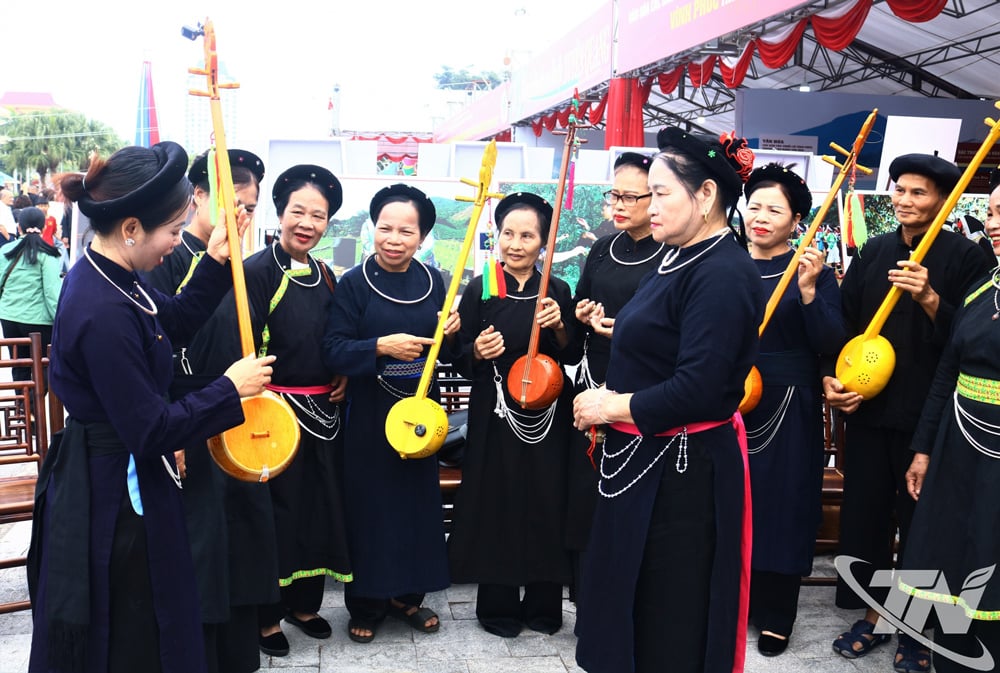 |
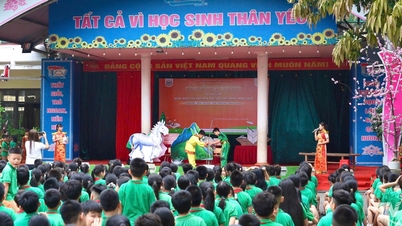
| Then singing, the pride of the Tay and Nung ethnic groups in Northern Vietnam. |
In preserving, transmitting, and promoting the essence of their culture, each ethnic group possesses its own strengths. However, a common thread in their festivals, rituals, and singing performances is that, beyond their symbolic meaning of courtship, they serve as a way for people to understand the world around them; to express their thoughts, feelings, and aspirations to the invisible realm, ultimately hoping for peace.
Along with the sounds imbued with the soul of the Viet Bac mountains and forests, the cuisine also reflects the shared life of the people of Thai Nguyen and Bac Kan. Simple dishes like sticky rice cooked in bamboo tubes, sesame salt, five-colored sticky rice, smoked pork, mugwort cakes, grilled stream fish, wild banana salad, and stuffed bamboo shoots are specialties present on the table when inviting esteemed guests. These dishes not only reflect the skill and refinement of the women but also carry ceremonial significance associated with spring festivals, harvest celebrations, and joyous family occasions.
Interestingly, both Thai Nguyen and Bac Kan provinces possess specialty teas with the potential to generate billions of dollars in value, and these are being effectively exploited. Thai Nguyen boasts the small-leaf tea of Tan Cuong in the midland region, while Bac Kan offers the Shan Tuyet tea of Bang Phuc. Teas from both regions are considered by scientists to have a high tannin content; tea connoisseurs who have tasted these teas are drawn to them, seeking to witness firsthand the exquisite gifts of nature and to purchase Thai Nguyen tea as gifts for loved ones.
The cultural similarities between Bac Kan and Thai Nguyen are not only an expression of identity, but also a potential for sustainable development. Therefore, merging the two provinces under the common name of Thai Nguyen Province is like bringing brothers together as one family, eliminating the invisible distance between them.
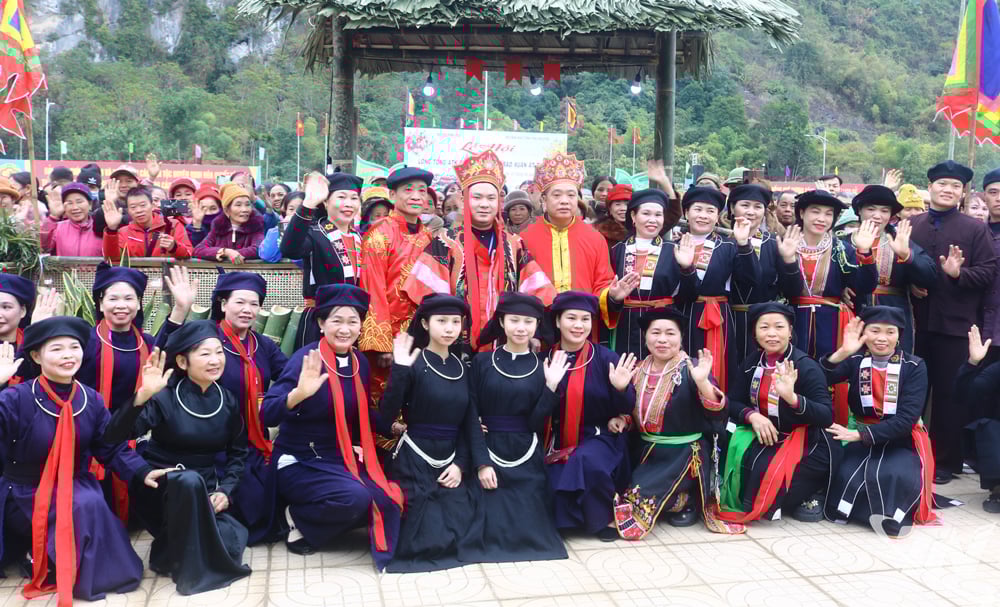 |
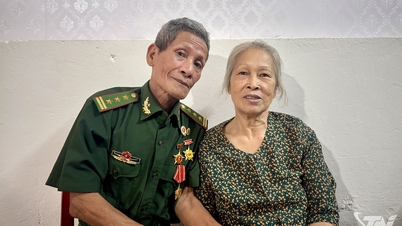
| People of all ethnic groups unite to build a civilized, prosperous, and beautiful homeland. |
People of all ethnic groups, especially ethnic minorities, have better opportunities to preserve, transmit, and spread their ethnic cultural identity more widely. This is also an opportunity for ethnic groups to enhance their awareness of working together to build, develop, and multiply the beautiful shared cultural features within the community, creating unity and connection within the community, building a comprehensive strength of the entire population in socio-economic and cultural development, and firmly consolidating the security and order of the province.
In the age of technology and urbanization, the merger of the two provinces is not only administrative in nature, but also a historic cultural reunion. It opens up more opportunities for the people of Thai Nguyen province to promote their cultural and spiritual values, contributing to a stronger Thai Nguyen, going further and integrating more deeply into the mainstream of Vietnamese culture.
Source: https://baothainguyen.vn/van-hoa/202507/chung-mot-loi-then-8940518/

![[Photo] General Secretary and President To Lam meets with National Assembly delegates from ethnic minorities.](https://vphoto.vietnam.vn/thumb/1200x675/vietnam/resource/IMAGE/2026/04/20/1776696701056_a1-bnd-8331-3342-jpg.webp)
![[Image] National Assembly discusses the implementation of the socio-economic development plan.](https://vphoto.vietnam.vn/thumb/1200x675/vietnam/resource/IMAGE/2026/04/20/1776696707422_ndo_br_img-20260420-185419-jpg.webp)
















































Comment (0)