

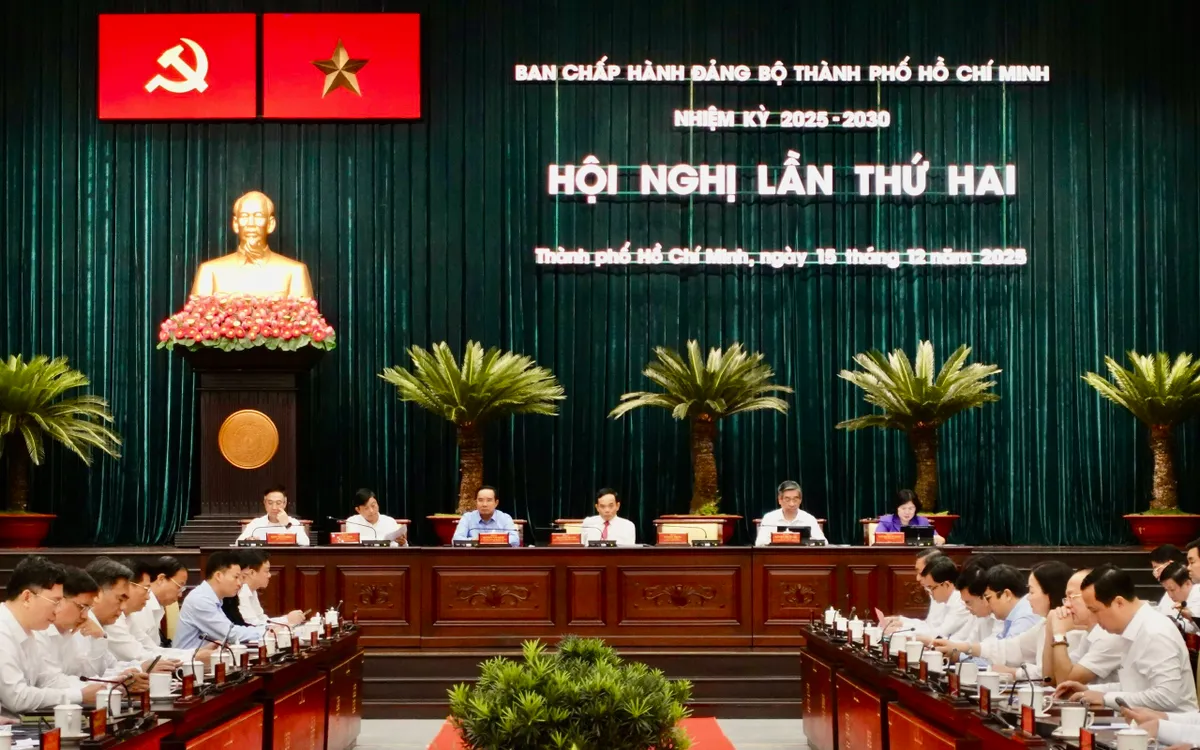
Photo: Thu Trang
Many advantages in the new context
At the conference, delegates focused on discussing the implementation of Resolution 260 (an expanded version of Resolution 98), recently passed by the National Assembly, with many specific mechanisms aimed at expanding development opportunities for Ho Chi Minh City.
In the overall picture, Ho Chi Minh City has the responsibility of being the economic engine of the country, while simultaneously striving to become a center for science and technology, innovation, and digital transformation, and experimenting with new models such as an International Financial Center and a free trade zone. City leaders emphasize that growth is not just about numbers, but must be reflected in a better quality of life for its citizens and a more favorable investment environment for businesses.
The conference highlighted Ho Chi Minh City's advantages in the new context: increasingly open mechanisms and policies, and continued acceleration of administrative procedure reforms. In particular, Resolution 260 was assessed by the City Party Secretary as "a very new version" and seen as a "diamond opportunity" for the city to accelerate towards achieving double-digit growth targets.
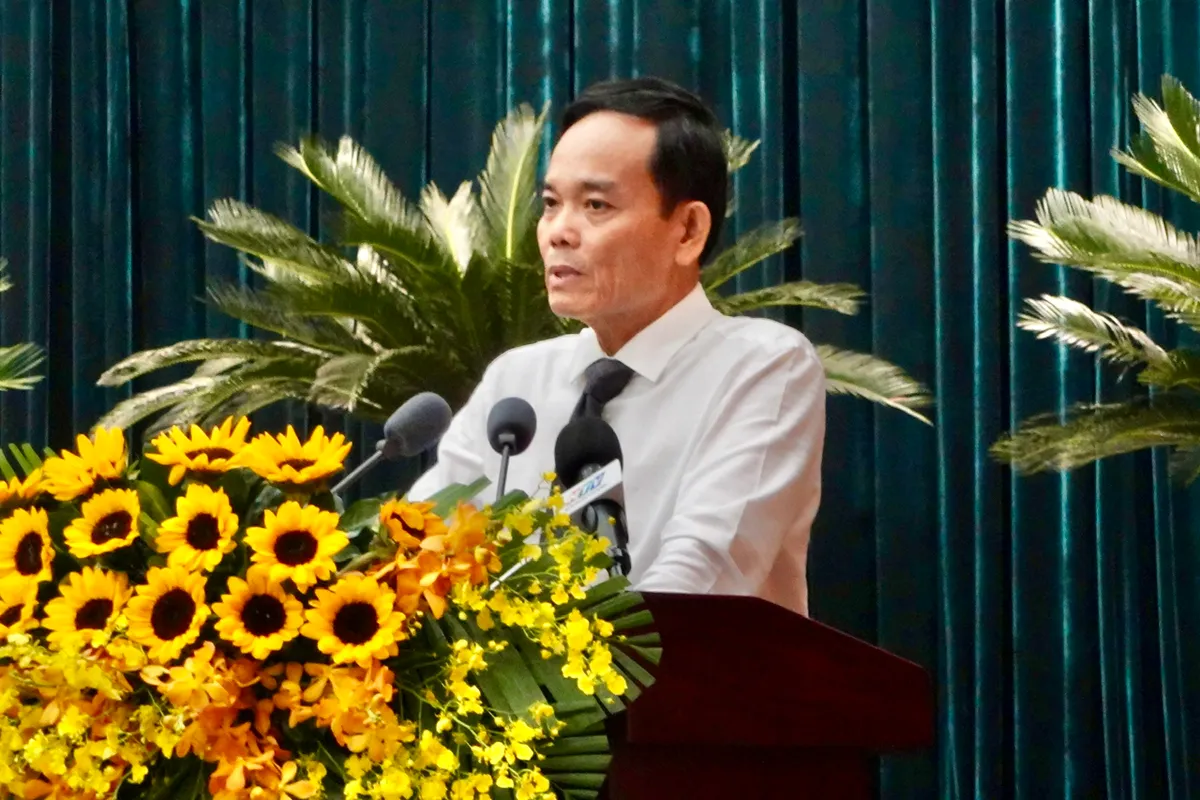
Ho Chi Minh City Party Secretary Tran Luu Quang speaks at the conference (Photo: Thu Trang)
According to Party Secretary Tran Luu Quang, Resolution 260 has four major points that directly boost development. The city retains 100% of revenue from land exploitation alongside transportation infrastructure projects, thereby increasing resources for investment. The city only needs to create one general plan, aiming to reduce overlap and increase uniformity in urban spatial planning. The strategic investor mechanism is redefined to be more open, linked to procedures such as direct contracting and investment project decisions. In addition to the International Financial Center, Ho Chi Minh City also has a free trade zone to attract investment and increase connectivity with the world .
The Party Secretary also mentioned a noteworthy sign regarding the operation of the two-tiered local government apparatus, which has achieved results beyond expectations. "Through surveys, the people are basically in agreement and are beginning to feel happier with the new service methods."
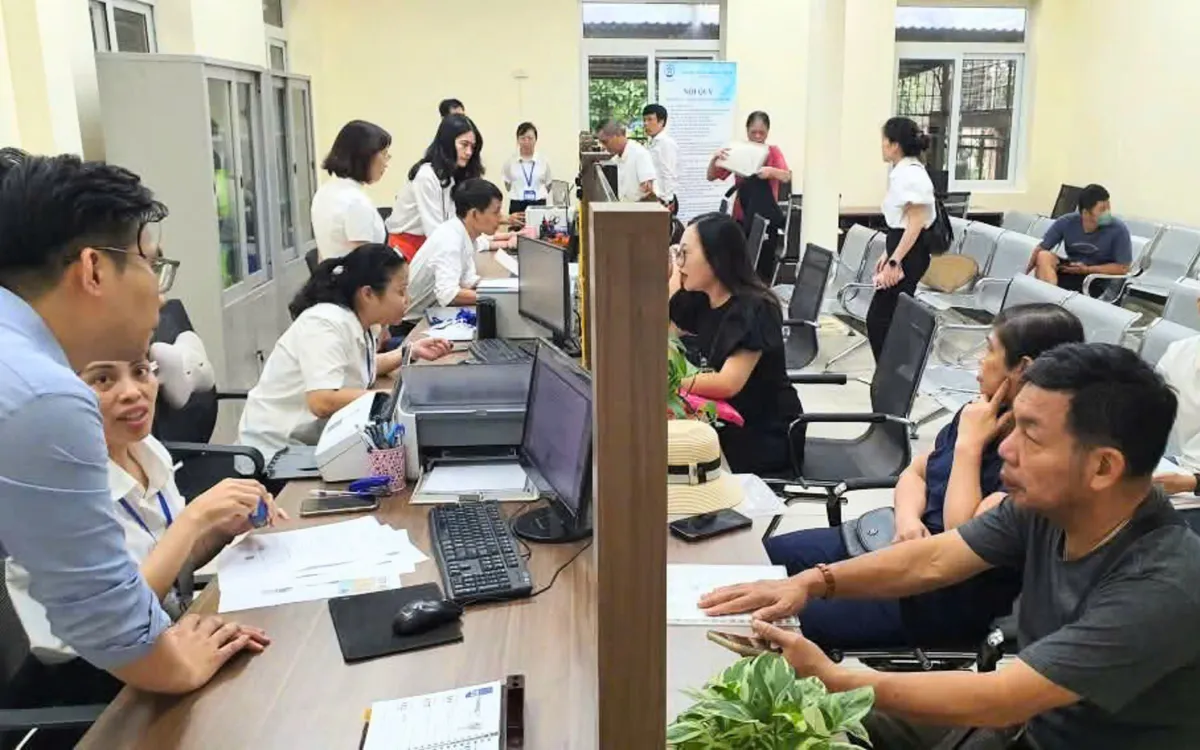
The two-tiered local government system has initially yielded results beyond expectations.
Things that need to be done immediately.
Besides the "unprecedented" opportunities, the conference also focused on discussing the existing problems and obstacles facing Ho Chi Minh City, such as traffic congestion, flooding, pollution, building a drug-free city, handling stalled projects, and long-standing citizen complaints. Dr. Truong Minh Huy Vu, Director of the Ho Chi Minh City Development Research Institute, said that the Institute has developed growth scenarios for the city from 2026 to 2030. For 2026 alone, there are three scenarios, with the most favorable scenario aiming for a growth rate of 10.5%-11% if the city effectively utilizes special mechanisms and policies for specific projects, while simultaneously promoting capital flows from key projects with strategic investors participating, with each project having a scale of at least US$10 billion. The key condition for this scenario to be feasible lies in removing the "bottlenecks" in public investment disbursement and addressing backlog projects, with a focus on compensation and land clearance, especially for transportation and metro projects. At the same time, the attraction of new capital and funding by the International Finance Centre is expected to create more room for high growth.
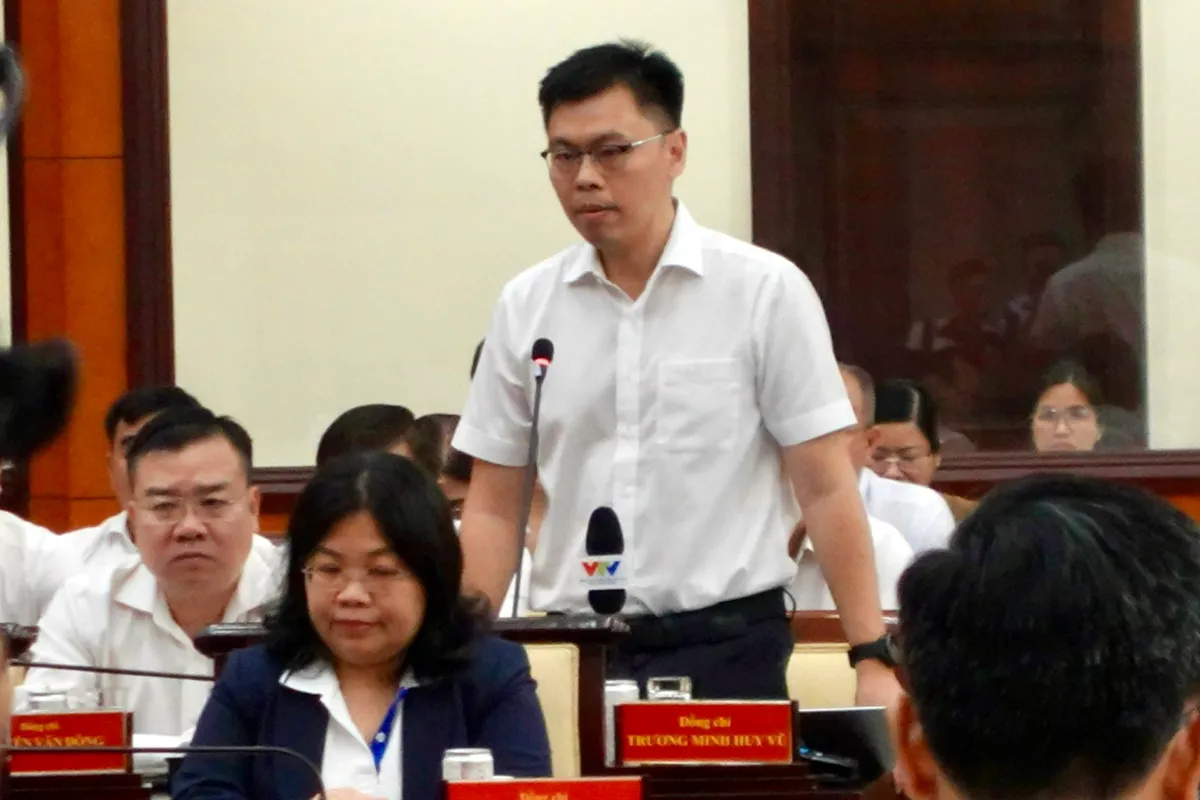
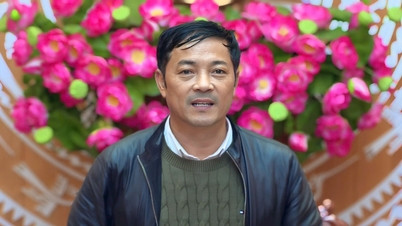
Dr. Truong Minh Huy Vu - Director of the Ho Chi Minh City Institute for Development Research - presents a development plan for the new phase (Photo: Thu Trang)
To move closer to the highest growth scenario, the Institute for Development Studies proposes that the city focus on resolving outstanding issues, especially those related to projects. This should be accompanied by maintaining "task forces" for land clearance and digital transformation to support localities in the implementation of public investment and working with strategic investors. Another key point is that the coordination mechanism must be flexible and direct, in the spirit of "co-creation," working together and sharing benefits and risks with strategic investors to minimize project delays due to bureaucratic procedures.
In his concluding remarks at the conference, City Party Secretary Tran Luu Quang affirmed that 2026 has two major goals: maintaining security and order and resolving outstanding issues assigned by the General Secretary. He acknowledged the existing difficulties as local authorities are still struggling due to the overwhelming workload, limited human resources, and the not-yet-smooth application of science and technology and digital transformation. Nevertheless, the emphasized message is to quickly shift from "having resolutions" to "producing results," taking decisive action as soon as 2026 begins with the spirit of "Don't shy away from difficult tasks, don't delay necessary tasks, and don't pass the buck when tasks are interconnected."
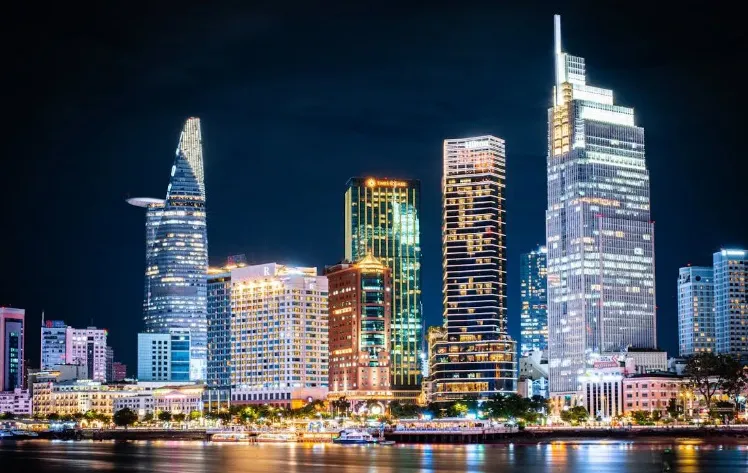
Ho Chi Minh City is facing new development opportunities (Photo: City People's Committee)
Among the solutions that need to be implemented soon, the City Party Secretary suggested that units proactively propose special mechanisms within the authority of the city or the central government to overcome difficulties, with the overarching principle being to prioritize the interests of the people.
He also requested a comprehensive review and inventory of all public assets, especially land and buildings, and the digitization of these assets to create a database of the city's public assets, considering them a significant resource that should be prioritized for healthcare, education, and green spaces. Regarding planning, the city was requested to quickly develop a master plan, projected to be completed by the end of 2026; in the meantime, regional plans should be adjusted rationally to avoid conflicts and disruptions. The issue of population density was also addressed by relocating residents to neighboring areas. Initially, the city plans to relocate large-scale healthcare and educational facilities to Binh Duong and Ba Ria - Vung Tau (formerly).
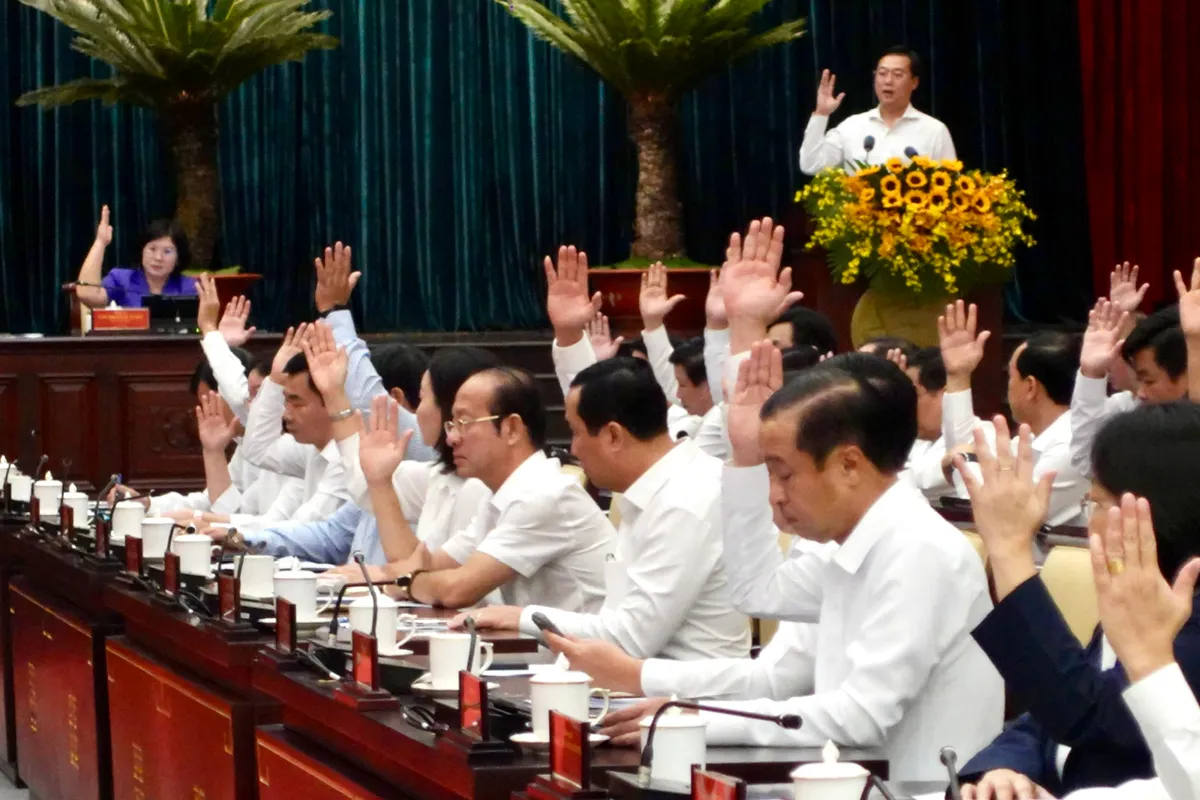
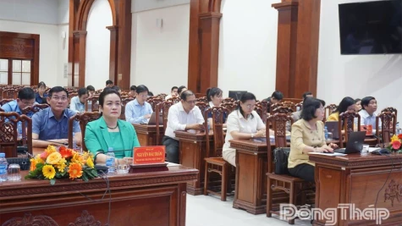
Delegates vote to approve the conference resolutions (Photo: Thu Trang)
Regarding organizational structure, the conference emphasized the need to arrange and rotate personnel in a way that is efficient, effective, and harmonious with the common good. In addition, the conference outlined a plan to establish a mechanism for rewarding communes and wards with budget allocations in the following year for their performance in important tasks such as compensation, land clearance, and building drug-free zones.
Source: https://vtv.vn/co-che-moi-cho-tp-ho-chi-minh-co-hoi-kim-cuong-va-ap-luc-hanh-dong-100251215204046328.htm
![[Image] Leaked images ahead of the 2025 Community Action Awards gala.](/_next/image?url=https%3A%2F%2Fvphoto.vietnam.vn%2Fthumb%2F1200x675%2Fvietnam%2Fresource%2FIMAGE%2F2025%2F12%2F16%2F1765882828720_ndo_br_thiet-ke-chua-co-ten-45-png.webp&w=3840&q=75)
![[Photo] Prime Minister Pham Minh Chinh receives the Governor of Tochigi Province (Japan)](/_next/image?url=https%3A%2F%2Fvphoto.vietnam.vn%2Fthumb%2F1200x675%2Fvietnam%2Fresource%2FIMAGE%2F2025%2F12%2F16%2F1765892133176_dsc-8082-6425-jpg.webp&w=3840&q=75)
![[Live] 2025 Community Action Awards Gala](/_next/image?url=https%3A%2F%2Fvphoto.vietnam.vn%2Fthumb%2F1200x675%2Fvietnam%2Fresource%2FIMAGE%2F2025%2F12%2F16%2F1765899631650_ndo_tr_z7334013144784-9f9fe10a6d63584c85aff40f2957c250-jpg.webp&w=3840&q=75)
![[Photo] Prime Minister Pham Minh Chinh receives Lao Minister of Education and Sports Thongsalith Mangnormek](/_next/image?url=https%3A%2F%2Fvphoto.vietnam.vn%2Fthumb%2F1200x675%2Fvietnam%2Fresource%2FIMAGE%2F2025%2F12%2F16%2F1765876834721_dsc-7519-jpg.webp&w=3840&q=75)
































![[Photo] Prime Minister Pham Minh Chinh attends the Vietnam Economic Forum 2025](https://vphoto.vietnam.vn/thumb/402x226/vietnam/resource/IMAGE/2025/12/16/1765893035503_ndo_br_dsc-8043-jpg.webp)




















Comment (0)