

With its favorable soil and climate, Son La has the conditions to develop sustainable ecological agriculture and diversify high-value agricultural products. Various levels of government and relevant agencies have implemented numerous solutions to support the development of production and consumption chains, creating favorable conditions for the people.
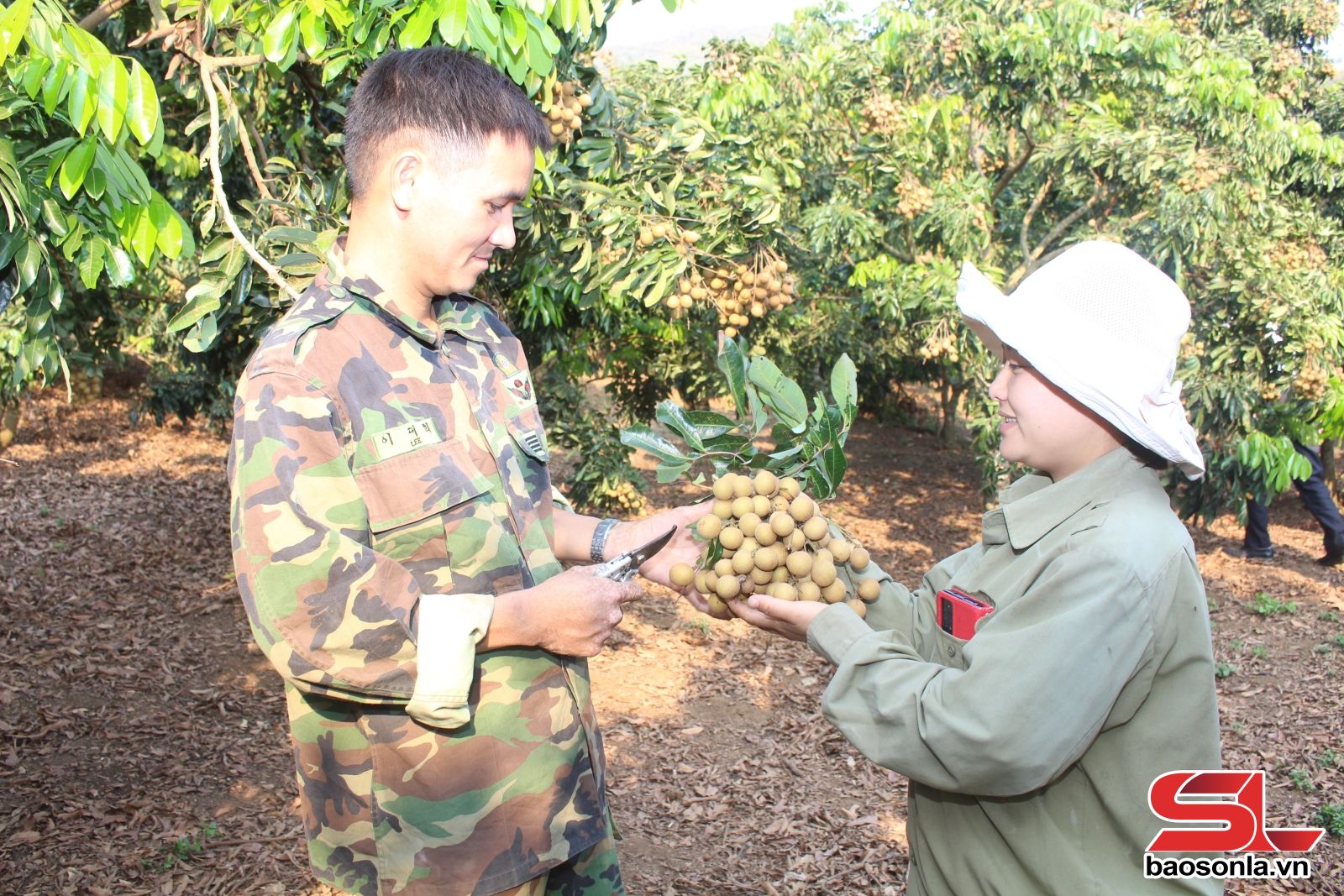
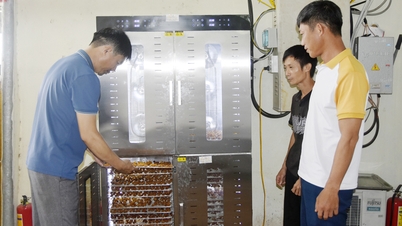
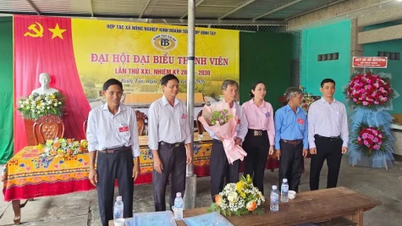
In Chiềng Khoong commune, the local authorities have been actively promoting and guiding farmers, cooperatives, and businesses to invest in high-tech agricultural development and to link agricultural production and consumption along the value chain. The commune currently has over 1,857 hectares of fruit trees, mainly longan, with a yield of 15 tons/ha and an average income of 150-300 million VND/ha. The commune maintains 7 effectively operating cooperatives and 2 longan processing villages, creating jobs for many local workers.
Mr. Nguyen Van Dong, Chairman of the People's Committee of Chieng Khoong commune, said: "As a locality with a large area of fruit trees, the problem of finding markets for products is always a concern of the local Party committee and government. The commune directs specialized departments to strengthen guidance for households and cooperatives to strictly and correctly implement production processes according to VietGAP and GlobalGAP standards. We also promote and introduce products on social media. In addition, we encourage people to process longan into products to reduce the pressure on the market for fresh fruit."
In addition, departments and agencies have coordinated to support the development of planting area codes and production chains that are safe and certified. The province currently has 8 high-tech crop zones; 216 export planting area codes covering over 3,000 hectares; 8 packaging codes for products such as longan, mango, macadamia, and passion fruit; and 31 agricultural products bearing the province's geographical name that have been granted protection certificates. There are 201 safe fruit production, processing, and trading chains, covering a total area of 4,502 hectares and producing approximately 54,207 tons per year.
In 2025, favorable weather conditions will help fruit trees and hawthorn trees thrive, with an estimated production of 510,000 tons, a 31% increase compared to 2024. This includes approximately 100,000 tons of plums and mangoes, and an estimated 155,000 tons of longan. The province expects to export over 35,000 tons to China, the EU, and other countries; approximately 100,000 tons for processing; and over 325,000 tons for consumption through markets, businesses, cooperatives, and traders.
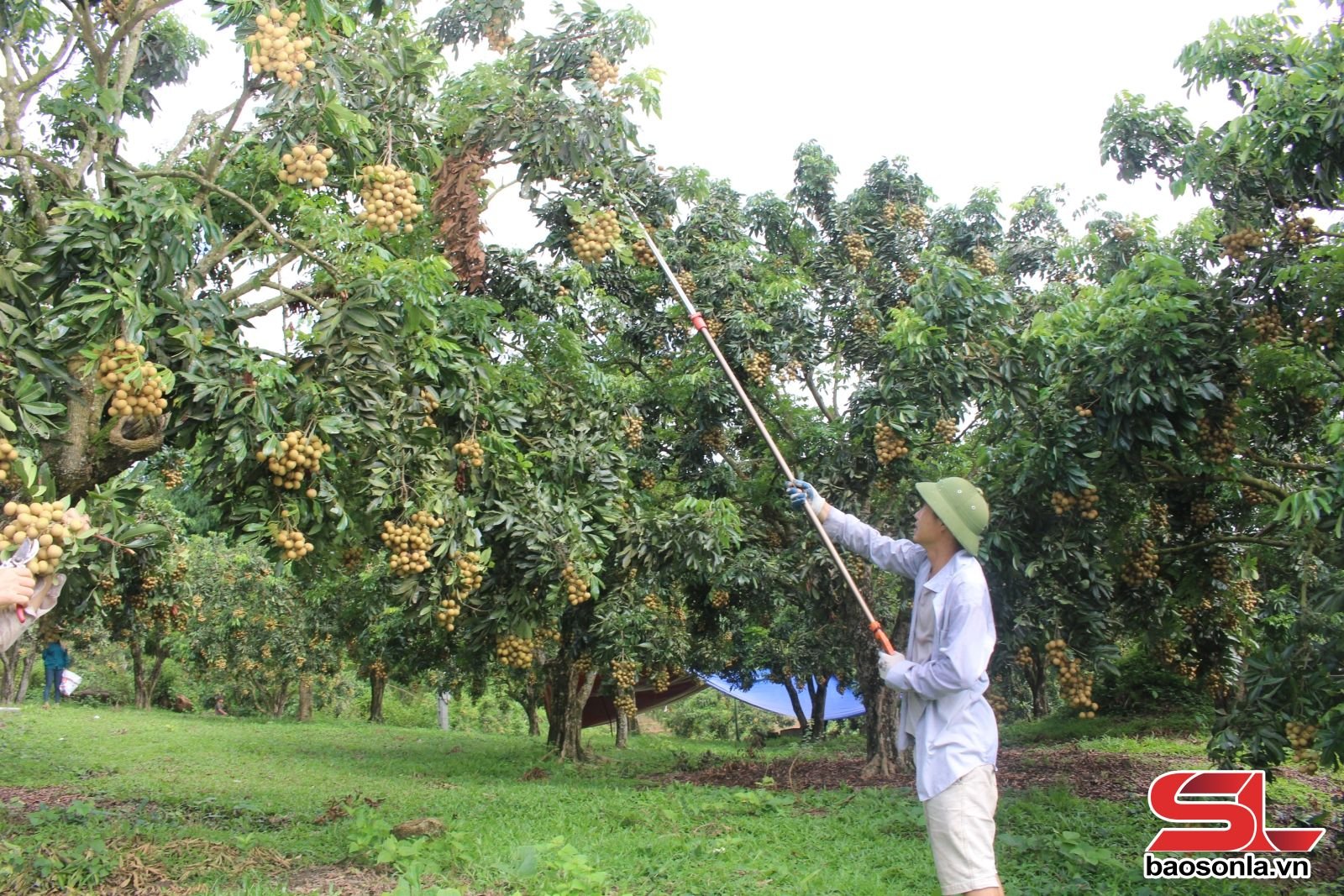
Besides collaborating with several small traders, the Hoa Muoi Agricultural Service Cooperative in Chieng Khoong commune also has many traditional partners who place export orders to the EU. Mr. Luong Van Muoi, Director of the Cooperative, shared: With 45 hectares of longan trees (35 hectares already producing fruit), the yield reaches over 400 tons. To date, the Cooperative has received export orders for 100 tons to Germany and France through e-commerce platforms; the remainder is consumed domestically and processed into dried longan. This is a driving force for the Cooperative to continue applying science and technology and enhancing the brand of Song Ma longan.
Meanwhile, at the Noọng Piêu Indigenous Agricultural Products Cooperative in Kim Chung village, Phiêng Khoài commune, they are currently maintaining and collaborating on the cultivation of over 150 hectares of late-season plums according to VietGAP standards, with a yield of 675 tons. Ms. Bùi Phương Thanh, Deputy Director of the Cooperative, said: The unit has 30.5 hectares of plums that have been granted planting area codes for export to the EU, New Zealand, and the United States. This year, the yield is high, and although the selling price has decreased, the Cooperative is still persistently applying safe production methods, improving product quality, and successfully building the "Ruby Plum" brand. Since the beginning of the season, in addition to domestic consumption, the Cooperative has exported 14 tons of plums to the EU through LMC-BIO Company, at a price 30% higher than the domestic market.
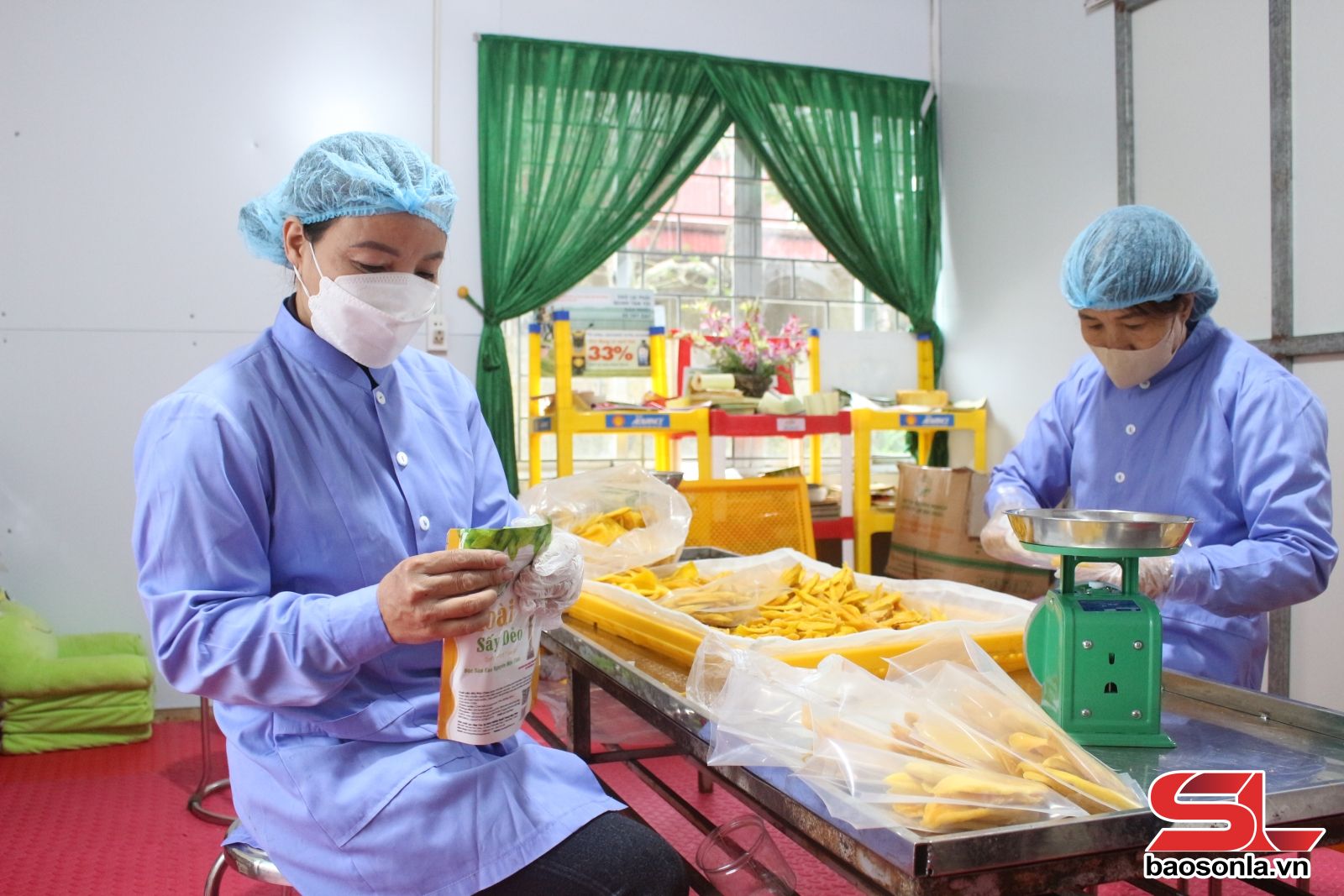
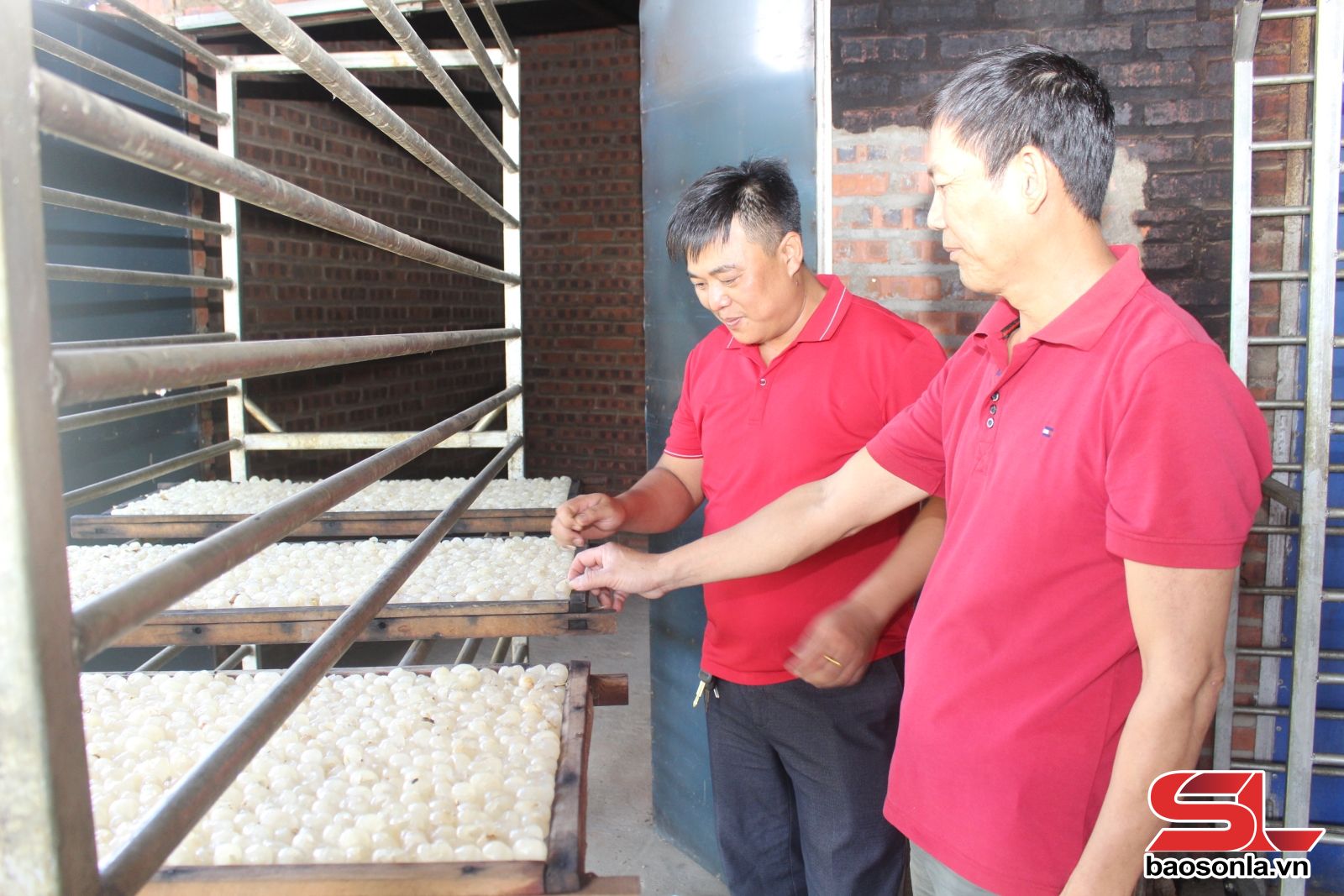
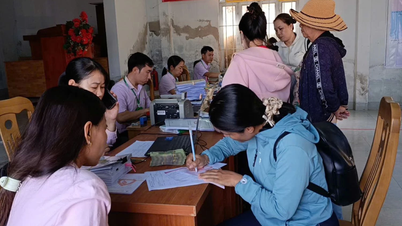
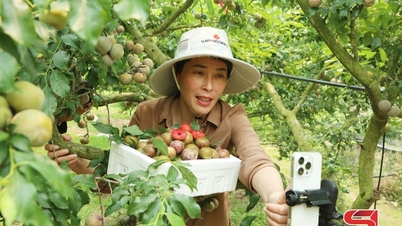
To promote its products, Son La province has actively participated in trade events, fairs, and agricultural product weeks both domestically and internationally to promote and sell agricultural products, helping businesses and cooperatives expand their markets. Localities have proactively organized fruit-picking festivals, linking agricultural product promotion with the development of eco -tourism . Simultaneously, they have promoted the listing of products on e-commerce platforms such as Voso, Postmart, Shopee, TikTok Shop, and online sales. In addition to fresh fruit consumption, the province has 560 agricultural processing factories and facilities (including 17 factories and 543 establishments) and 2,994 longan drying facilities, contributing to reducing consumption pressure.
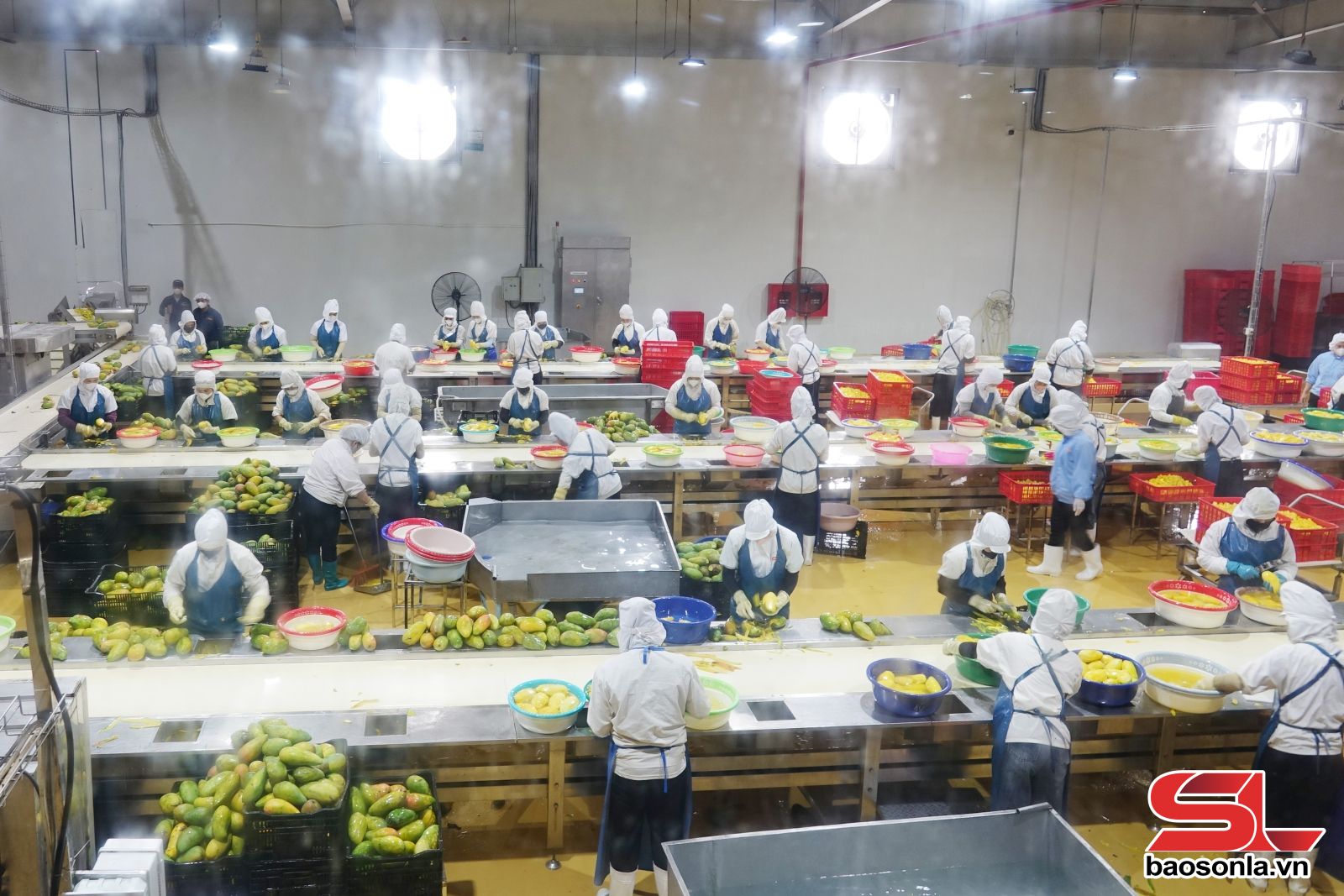
Photo: Nguyen Yen
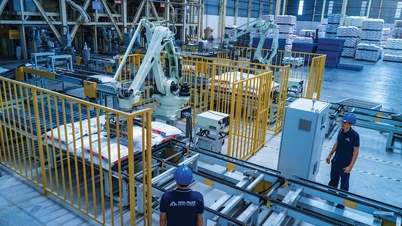
In 2025, the Doveco Son La Fruit and Vegetable Processing Center is expected to purchase approximately 80,000 tons of agricultural products, including: over 30,000 tons of mangoes, 18,000 tons of sweet corn, more than 12,000 tons of edamame soybeans, 2,000 tons of longan, and other varieties. From the beginning of June, the company started purchasing mangoes at a rate of about 150 tons per day, with a minimum price of 7,000 VND/kg. Ms. Nguyen Hang Nga, Deputy Director of the Center, informed that Doveco continues to collaborate with cooperatives, building a stable production chain and maintaining sustainable purchase prices. In addition, the unit has installed the first fruit carton packaging line in Vietnam, manufactured by Tetra Pak (Sweden), with a capacity of 6,000 cartons per hour.
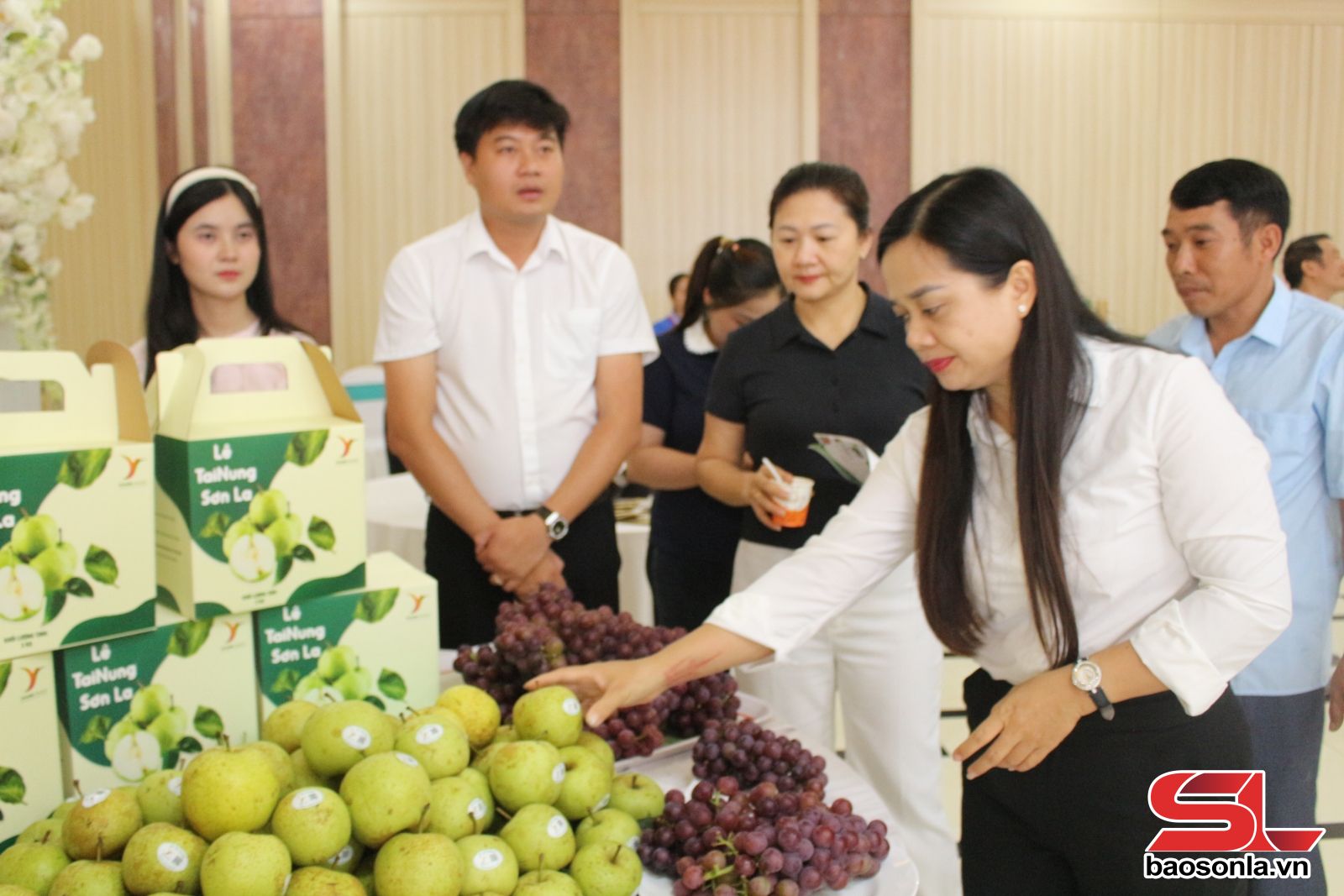
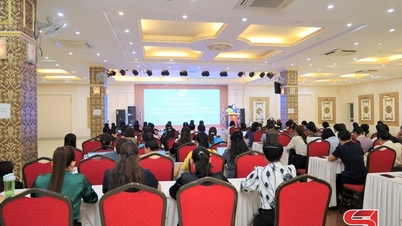
Ms. Cam Thi Phong, Deputy Director of the Department of Agriculture and Environment, said: The Department is coordinating with relevant sectors and localities to boost agricultural product consumption, promote trade, and expand markets for agricultural, forestry, and aquatic products, as well as OCOP products. At the same time, it is strengthening support for businesses and cooperatives to develop large-scale production along the value chain, ensuring quality and food safety.
Supporting the consumption of agricultural products has become a bridge to promote cooperation and expand distribution networks, thereby creating strong links that help organizations, businesses, cooperatives, and individual business owners expand their markets and gradually reach international markets.
Source: https://baosonla.vn/kinh-te/day-manh-lien-ket-tieu-thu-san-pham-NphTGS8NR.html

![[Photo] National Assembly Chairman Tran Thanh Man attends the policy seminar to promote Vietnam-Türkiye cooperation.](https://vphoto.vietnam.vn/thumb/1200x675/vietnam/resource/IMAGE/2026/04/16/1776351415367_vna-potal-chu-tich-quoc-hoi-tran-thanh-man-du-toa-dam-chinh-sach-thuc-day-hop-tac-viet-nam-tho-nhi-ky-8705791-jpg.webp)












![[Image] Bridges and roads connecting the eastern part of Ho Chi Minh City](https://vphoto.vietnam.vn/thumb/1200x675/vietnam/resource/IMAGE/2026/04/16/1776328595108_ndo_br_bh-vt5-jpg.webp)



























![[Infographic] Details of the Hanoi-Quang Ninh High-Speed Railway Project](https://vphoto.vietnam.vn/thumb/402x226/vietnam/resource/IMAGE/2026/04/16/1776338188424_anh-man-hinh-2026-04-16-luc-18-16-10.png)

![[Photo] National Assembly Chairman Tran Thanh Man meets with the Speaker of the Georgian Parliament](https://vphoto.vietnam.vn/thumb/402x226/vietnam/resource/IMAGE/2026/04/16/1776338494029_anh-man-hinh-2026-04-16-luc-18-21-21.png)












Comment (0)