

 |
Apple's iPhone 17 series achieved record sales. Photo: Bloomberg . |
Apple just experienced a historic business quarter, with iPhone sales growing at their strongest pace since 2021. The iPhone 17 Pro line proved to be a success thanks to a combination of familiar elements including a new design, high performance, improved battery life, and attractive colors.
Unlike previous controversial launches, Apple chose a safer approach this time. The company didn't make bold claims about AI or promote features that weren't yet complete. This contrasts with the 2024 mistake, when the iPhone 16 was labeled "AI-ready" even though it didn't yet have the Apple Intelligence platform.
Additionally, the iPhone 17 also benefits from pent-up upgrade demand. Many users have delayed upgrading since 2020, when the 5G wave fueled a major shopping cycle.
According to a report released last week, Apple recorded iPhone revenue of $85 billion , while still struggling to meet supply demands four months after its launch. The company also projected current quarter revenue could increase by as much as 16%, exceeding Wall Street's expectations.
However, this impressive growth also carries a risk: it could become an excuse for Apple to delay addressing the AI issues in its devices.
Despite still dominating the smartphone market, the iPhone maker is lagging far behind its rivals in the AI generation race. Some argue that Apple doesn't need AI because the company has never owned a search engine or "held the keys to the internet."
However, this argument is considered flawed. For the past 25 years, Apple has been built on the foundation of the Internet, the core of the iPhone, iPad, App Store, and iOS. Therefore, AI could play a similar role in the near future.
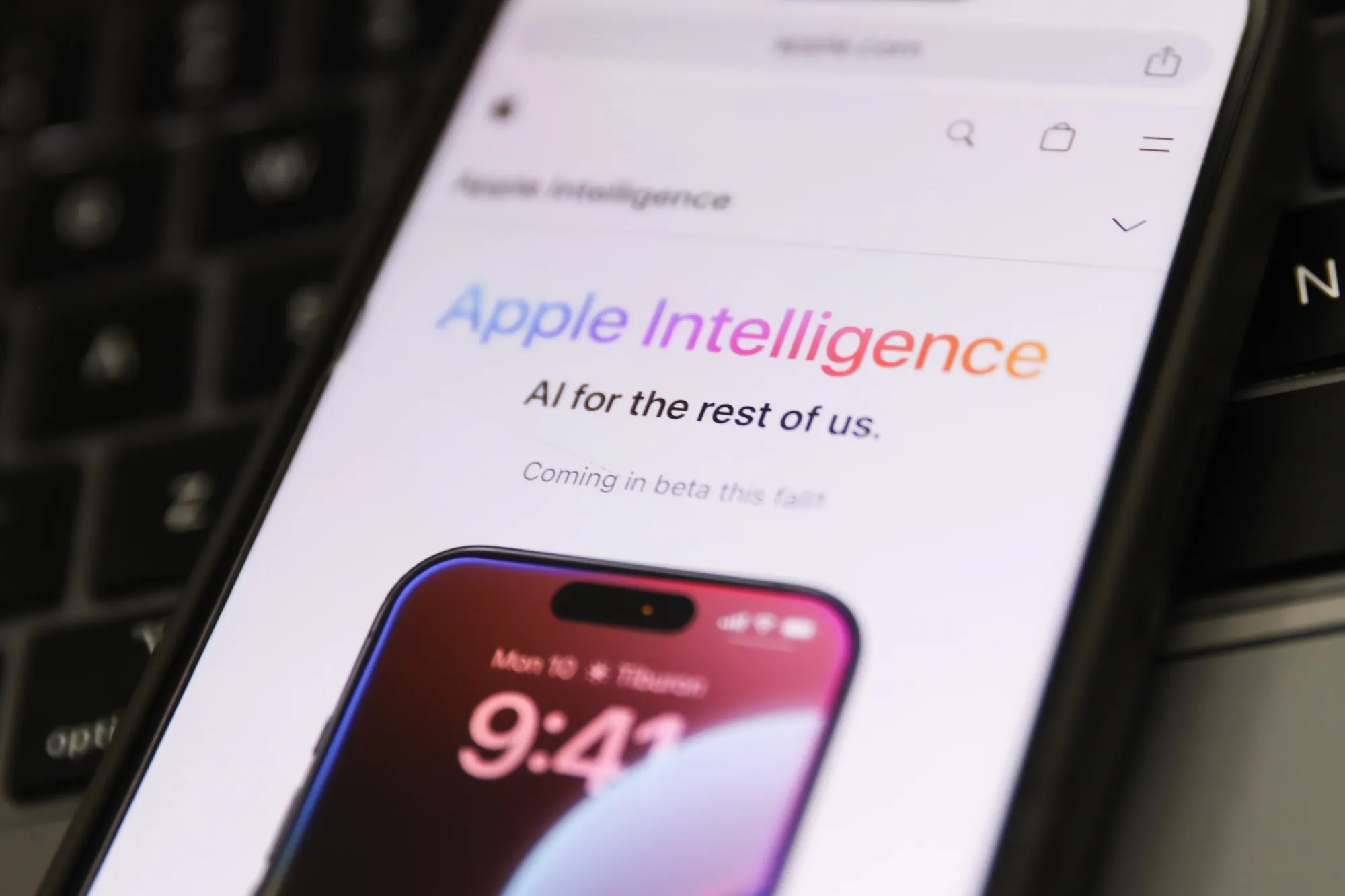 |
Apple continues to lag behind in the AI race. Photo: Bloomberg . |
Technology in the future will no longer revolve around the current app model. Users will expect voice interaction, instant feedback, and AI agents replacing manual operations. At that point, the App Store ecosystem may become obsolete.
In this context, Apple's leadership has been criticized for not presenting a sufficiently bold vision. CEO Tim Cook has yet to demonstrate a clear AI strategy. Furthermore, the appointment of John Giannandrea to lead the AI team in 2018 has been seen as an ineffective decision. After he left the AI leadership role, Craig Federighi took over and sought short-term solutions by partnering with Google's Gemini.
A record-breaking business quarter is a positive sign, but it can't mask the reality that Apple must find a way to lead in the era of computing and AI.
Source: https://znews.vn/diem-yeu-trong-buc-tranh-kinh-doanh-cua-apple-post1625054.html







































































































Comment (0)