


A view of Kuching.
Waves of water, waves of time
Kuching doesn't have a distinct rainy or dry season; the climate is hot and humid year-round. If you want to enjoy the beaches, visit in July or August. If you want to explore the rainforest, come between November and February to catch the high tide.
Kuching is small enough for visitors to walk around, yet large enough to offer a diverse range of beauty. Beaches, forests, architectural wonders... Kuching has it all. Many visitors begin their exploration of Kuching from the city's central administrative building. Whether arriving by plane or train, the first thing they always see is the conical roof of the City Hall.
The building opened in 2009 as a city council meeting place, but was later expanded to serve tourism. Inside, it houses a shopping mall, restaurants, a cinema, a gym, and an observation deck at the top, catering to all visitor needs. The best time to photograph the entire city of Kuching from the observation deck is at sunset.
The Bandaraya Kuching Mosque makes a striking first impression thanks to its blend of Italian and Malay architectural styles. Built in 1968 on the site of the oldest mosque in Sarawak state, the mosque was constructed in 1968.
The original wooden mosque dates back to the 19th century and was rebuilt in stone in the early 1960s. Bandaraya Kuching is free to enter, but visitors should avoid visiting on Fridays as this is the busiest day for worshippers.
When Astana is mentioned in Kuching, everyone thinks of the palace complex of the same name on the banks of the Sarawak River. When Malaysia was a British colony, Sarawak was a semi-independent kingdom ruled by the British Brooke family.
The founder of this kingdom was James Brooke, a British politician and naval officer. The Astana Palace was built during the reign of Charles Brooke, a nephew of James Brooke and the second king of Sarawak.
The palace was built in the style of contemporary English architecture, but with many modifications to suit the local climate. King Charles Brooke, a nature lover, personally planted the palm gardens and orchid gardens within the palace grounds. These two gardens still exist today.
Across the Sarawak River from the Astana Palace lies the Kuching pedestrian street – the heart of the city. Locals and tourists flock to this street every evening to eat, dance, and chat under the neon lights. At sunrise, take a stroll along the street to admire the ancient buildings reflected on the shimmering water.
One of the ancient structures along the Sarawak River is Margherita Fortress. Having witnessed many battles against pirates, it now houses a museum preserving numerous artifacts directly related to the city's history.
Many visitors come to Margherita primarily to explore its history, and then to admire the scenery and take photos of the buildings, which are constructed to resemble medieval European castles.
Another famous museum in Kuching is the Cat Museum. It displays artifacts related to cats in the daily lives, culture, and beliefs of people throughout the ages.
Visitors to the Cat Museum shouldn't be surprised to see ancient Egyptian vases carved with images of cat gods alongside a statue of Garfield, the famous cat from the comic book series of the same name. The museum's garden is also a popular spot for locals to bring their cats for walks.

Kuching Administrative Center building.
Nature beckons.
Kuching is not only rich in history but also holds many wonders waiting to be discovered. A destination not far from the city center is the Semenggoh Wildlife Centre, home to many endangered orangutans. Visitors can spend a morning strolling through the forest in the reserve and watching the orangutans swinging among the trees.
Gunung Gading National Park is famous for being home to the world's largest Rafflesia flower. A single Rafflesia flower, when in bloom, can have a diameter of over 1 meter and emit a foul odor like rotting flesh to attract flies for pollination.
Rafflesia flowers only bloom for a week before fading, so if you want to see them in Gunung Gading, you should contact the National Park Management in advance to inquire about the blooming schedule. Even without the flowers, the area boasts a beautiful tropical forest. Visitors shouldn't miss the opportunity to hike through the forest and discover rare flora and fauna.
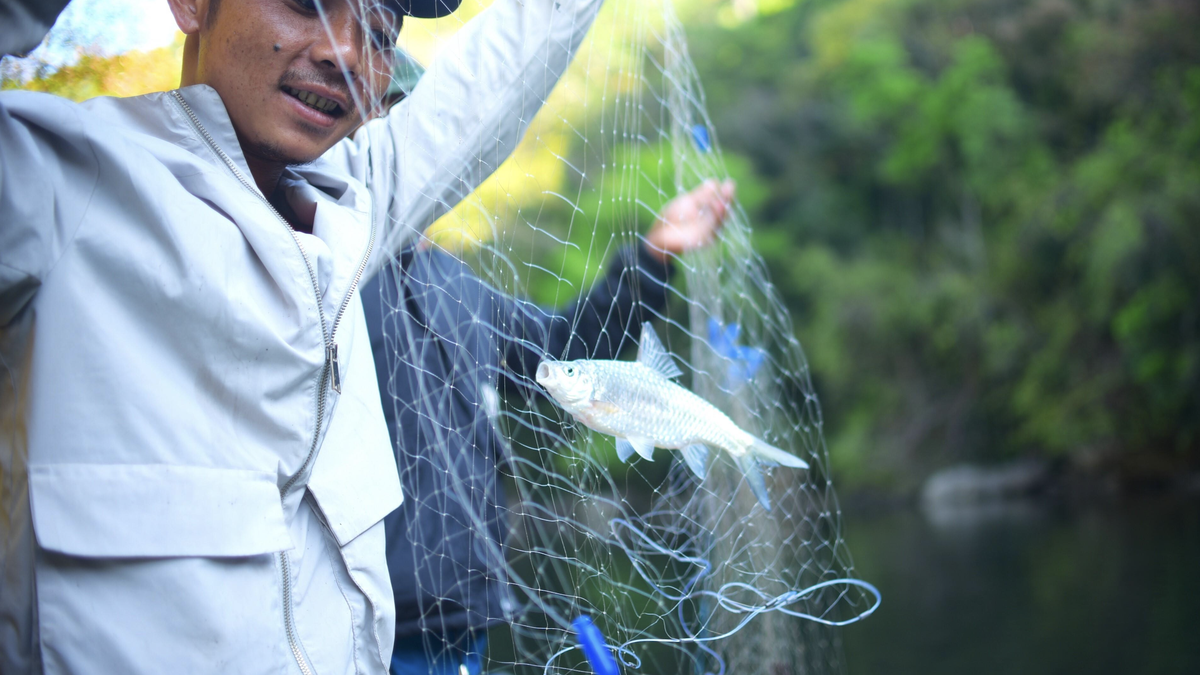
Located 10km from Kuching, Annah Rais village nestled in the forest is home to the Bidayuh people, the indigenous ethnic group of Borneo. Visitors to Annah Rais can enjoy homestay accommodations and learn about the Bidayuh's harmonious relationship with nature, a tradition spanning over a thousand years, through daily activities such as hunting, gathering, and fishing. Many guests also choose to paddle a dugout canoe from Annah Rais along the Sarawak River to enjoy the peaceful and captivating natural scenery.
Source
![[Photo] The Prime Ministers of Vietnam and Russia witness the signing ceremony on cooperation in building a nuclear power plant.](https://vphoto.vietnam.vn/thumb/1200x675/vietnam/resource/IMAGE/2026/03/23/1774278492322_vna-potal-hai-thu-tuong-viet-nam-va-nga-chung-kien-le-ky-ket-hiep-dinh-ve-hop-tac-xay-dung-nha-may-dien-hat-nhan-8658380-jpg.webp)
![[Photo] Young people of the Dong Thap Border Guard actively participate in "March Border Month" activities.](https://vphoto.vietnam.vn/thumb/1200x675/vietnam/resource/IMAGE/2026/03/23/1774248483508_ndo_tl_dt3-jpg.webp)




































































Comment (0)