

From the boats drifting on the water...
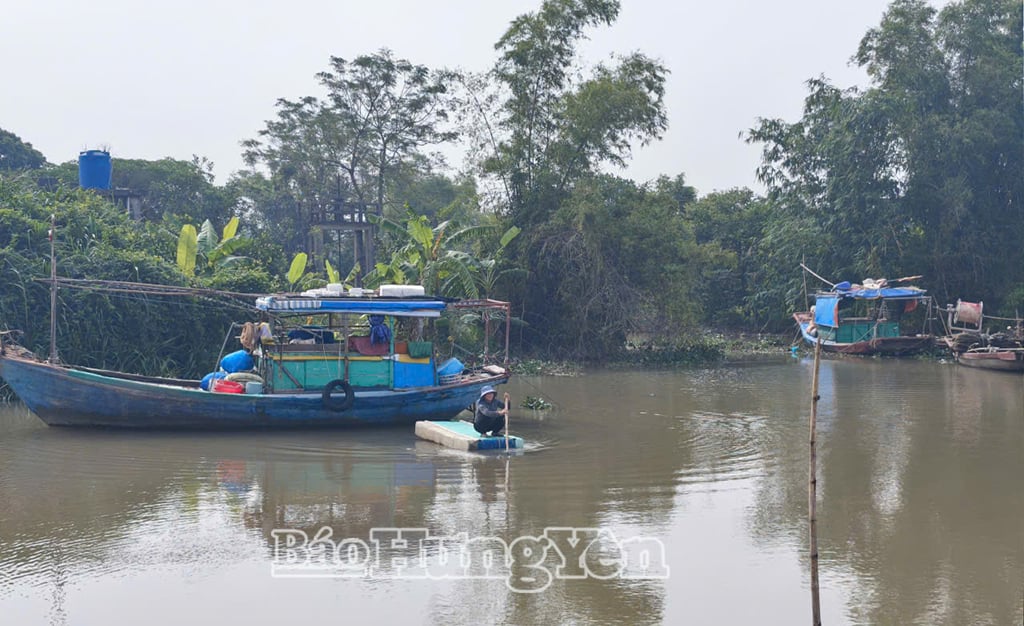
In the past, none of the people in Cao Binh fishing village owned houses on land. Each family lived on a boat, which served as both their means of livelihood and their home. Their lives depended entirely on the river and the sea. When the fishing season arrived, they had plenty, but during stormy seasons, poverty and hardship plagued them. Children were born on boats and grew up amidst the water; no one ever went to school, and no one in the village was literate. Whenever they needed to do paperwork, they could only... sign with their fingerprints. For them, Tet (Lunar New Year) was no different from any other day. No houses, no ancestral altars, no New Year's Eve celebrations. The boats would only dock near the shore for a few days to feel the spirit of Tet before rushing back out to sea on the first or second day of the new year to catch fish to sell to traders. Many people jokingly said, "Tet for fishermen is just the days without big waves." Those memories still haunt them to this day.
...to spacious houses
A turning point came for the people of Cao Binh fishing village in 2006, when the resettlement project was implemented. The government allocated land and provided financial support for house construction; some villagers also contributed money to buy land themselves, gradually stabilizing their living situation. Roads were widened, and electricity and water were brought to every corner. Life seemed to turn a new page. Mr. Nguyen Van Mao, 76 years old, one of the first households to receive land, still vividly remembers those difficult times: “My family of 10 lived on a 12-meter-long wooden boat. We celebrated Tet (Lunar New Year) on the boat, tied the boat together for weddings, and sought shelter from storms. Since we got land and houses, our lives have changed. Tet is now more prosperous; every family has an ancestral altar, a New Year's Eve dinner, and a truly meaningful reunion to welcome the New Year.” Mrs. Nguyen Thi Kinh, Mr. Mao's wife, also emotionally recounted: "For three generations, we lived on the river, and in 2011, the government granted us land to build a house. My husband and I suffered hardship and lacked education, but our children are different now; they all go to school, learn to read and do calculations." Her two sons now own large fishing vessels, expanding their coastal fishing operations. During the days leading up to Tet (Lunar New Year), sweet potato fish fetches a good price, selling for nearly 200,000 dong per kilogram. On some good days, they catch several hundred kilograms of fish, earning tens of millions of dong per month. Because of this, their houses and living standards have improved significantly. Not only Mr. Mao's family, but many other families in the village have also benefited from having a place to settle down. Ms. Tran Thi Ha recalled: “Living on the boat, all I could see was water and the sky; there was no future. My mother was old and frail, and all she wanted was to spend her final years in a house on land. We worked hard, bought a piece of land, and built a house. Since having a roof over our heads, our finances have stabilized, and my husband and I earn 15 to 20 million dong a month from fishing.”
Break through and rise
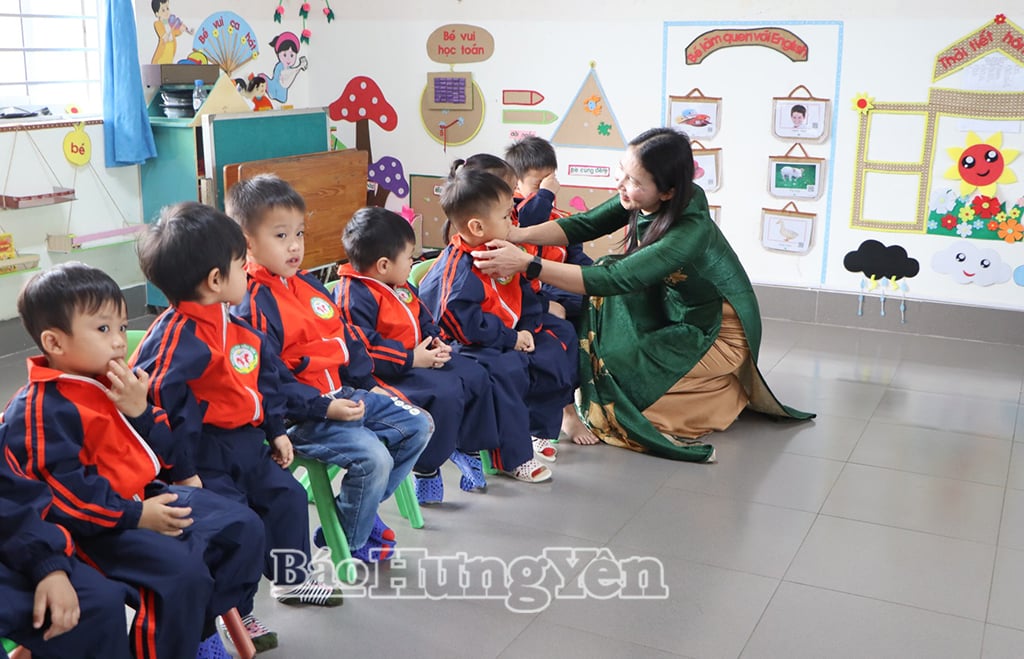
According to Mr. Hoang Van Hai, Head of Cao Binh village, the resettlement area for the fishing village received investment capital from the Ministry of Agriculture and Rural Development, with infrastructure construction beginning in early 2009. By 2011, households in the village had been allocated land and built houses side-by-side, creating a bustling small street. Each household received 100 square meters of land, with an additional 10 million VND in support from the province. Although they now have houses, they still rely on the river and sea for their main source of income. Currently, the village has over 200 households with nearly 900 inhabitants, 100% of whom are Catholic, and they mainly live by fishing. To date, 70 households have been allocated land by the State, while the rest have mostly purchased land themselves. Only about 40 households still lack stable housing. The average income reaches 150 million VND/household/year. There are no longer any poor households in the village, only 4 near-poor households. Importantly, all children attend school, eliminating the previous problem of illiteracy. Ms. Tran Thi Nhuan, Principal of Hong Tien Kindergarten, happily stated: "In the 2025-2026 school year, the school will welcome more than 40 children from Cao Binh village. Previously, to encourage children to attend school, we had to go down to their boats, but since having houses, the mindset of the people has completely changed. Every new school year, we welcome new children from the fishing village to study. They are all reassured sending their children to school so they can go to work. The children are well-behaved, healthy, participate fully in school activities, and are in no way inferior to their peers on land."
The new spring is arriving, bringing with it the faith, aspirations, and pride of those who have lived "three generations on the river," now possessing a secure home. Today, Cao Binh fishing village shines not only with colorful flags and flowers, but also with warm, contented smiles – smiles of a transformed life, of spring drawing ever closer in every home along the river.
Source: https://baohungyen.vn/lang-chai-cao-binh-don-xuan-3191578.html












































































Comment (0)