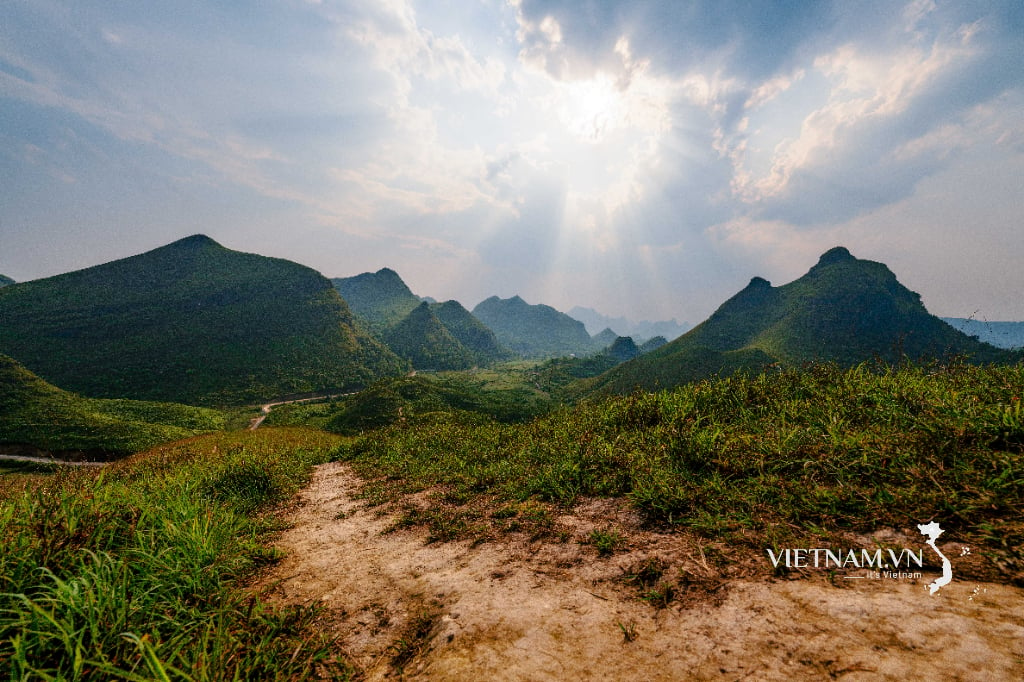
Along the fertile alluvial plains, the sounds of laughter, conversation, and the constant coming and going of trucks create a lively atmosphere. The orchards not only serve pilgrims visiting Bao Ha Temple or Co Tan An Temple, but also supply fruit to wholesale markets both within and outside the province, contributing to the abundance of fruit platters for many families during Tet (Lunar New Year).
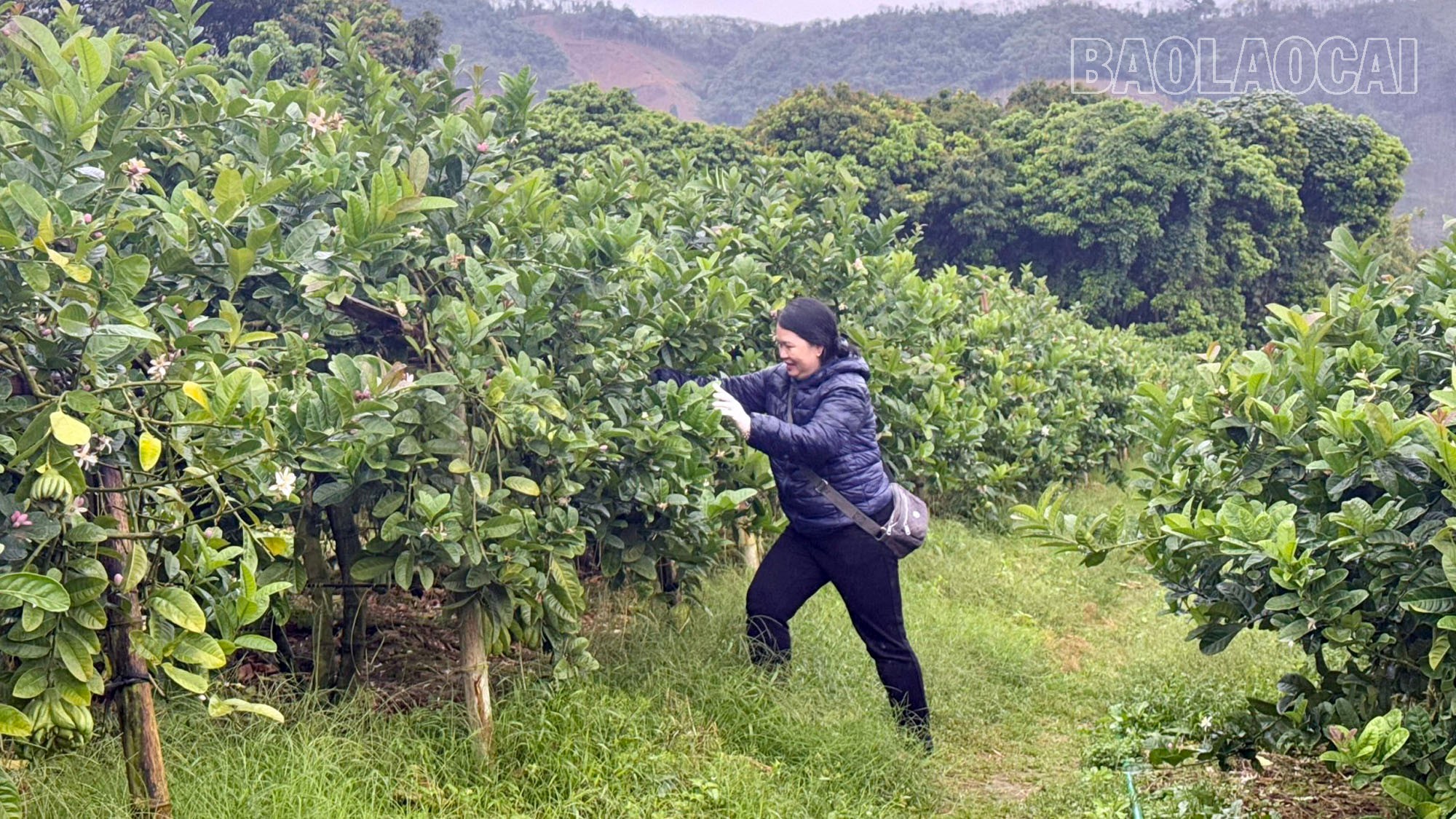
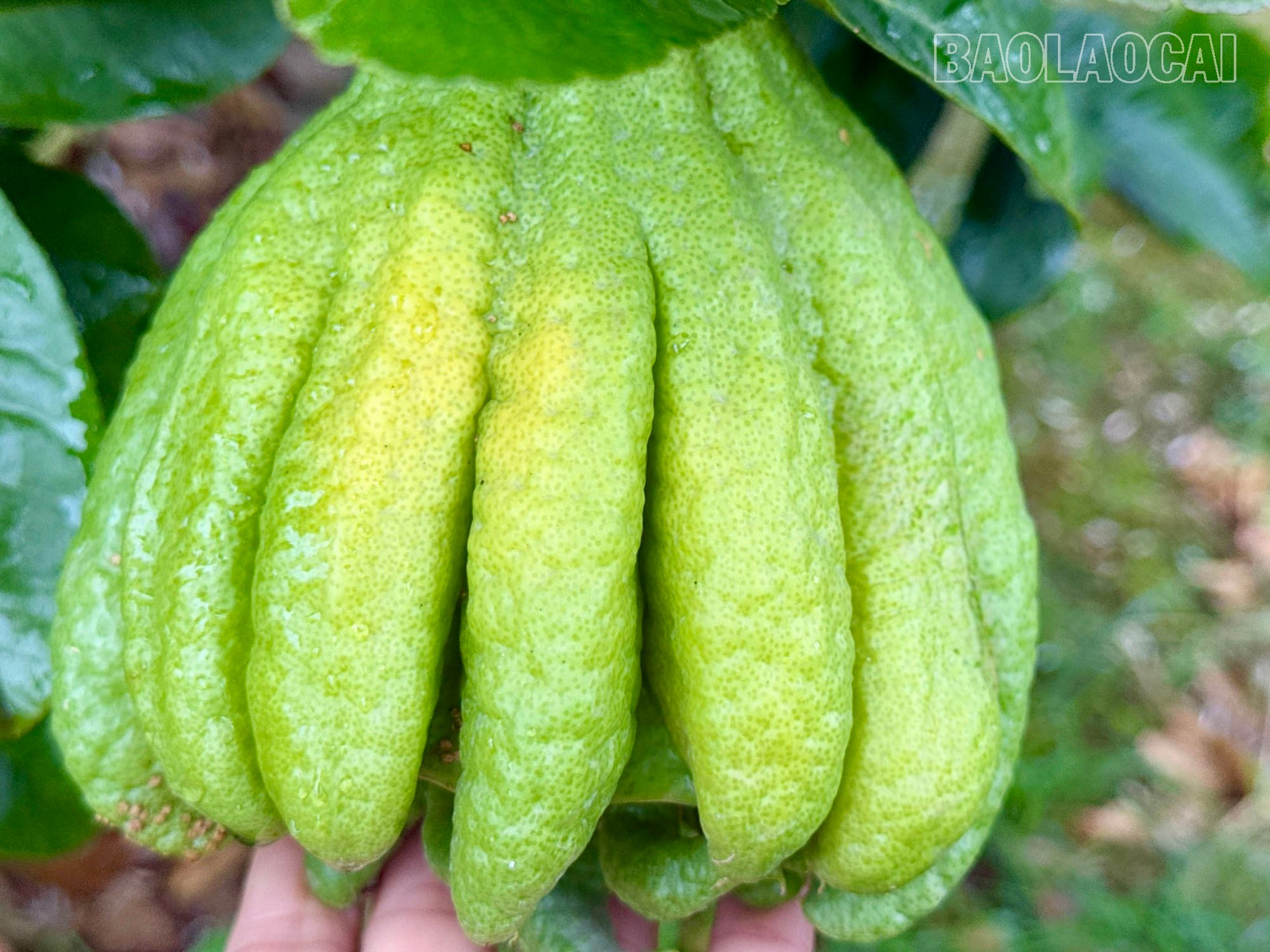
Amidst the lush green of the orchard, over 500 Buddha's hand citron trees belonging to Ms. Hoang Thi Hai Yen in Tan An 2 village stand out against the backdrop of the dark green foliage. With their deep green and golden-yellow fruits, long, multi-layered tendrils resembling the hand of Buddha, Ms. Yen carefully lifts each fruit, meticulously inspecting each "finger" to ensure they are free from scratches before handing them to customers.
After months of careful tending, from pruning and fertilizing to monitoring flowering and fruit setting, Mrs. Yen's family is now rewarded with a beautiful harvest. Located near temples, the orchard attracts pilgrims who come to order Buddha's hand fruit for offerings as Tet (Lunar New Year) approaches. Traders from within and outside the province also call constantly. This Tet, her family expects to sell approximately 1,000 fruits, with prices ranging from tens to hundreds of thousands of dong per fruit, depending on size and appearance.
Mr. Le Van Thanh, head of Tan An 2 village, Bao Ha commune, stood in the middle of the newly opened concrete road, his eyes following the truck loaded with fruits belonging to the villagers as it drove away.
Mr. Thanh said: Besides Buddha's hand citron, the villagers also supply many other fruits, such as kumquats, bananas, pomelos, papayas... However, Buddha's hand citron still provides a high income and has a stable market.


Not far from the Buddha's hand citron orchard, Ms. Nguyen Thanh Tam in Bun 4 village, Bao Ha commune, is busy harvesting guavas. Rows of lush green guavas, with their perfectly round fruits, emit a gentle fragrance in the winter sun. Ms. Tam nimbly selects each fruit that meets the standards, arranges them in baskets, and simultaneously answers phone calls from her customers.
According to Ms. Tam, thanks to being grown entirely organically, the resulting fruits are delicious and sweet, so they sell out as soon as they ripen; there's not enough to meet demand."
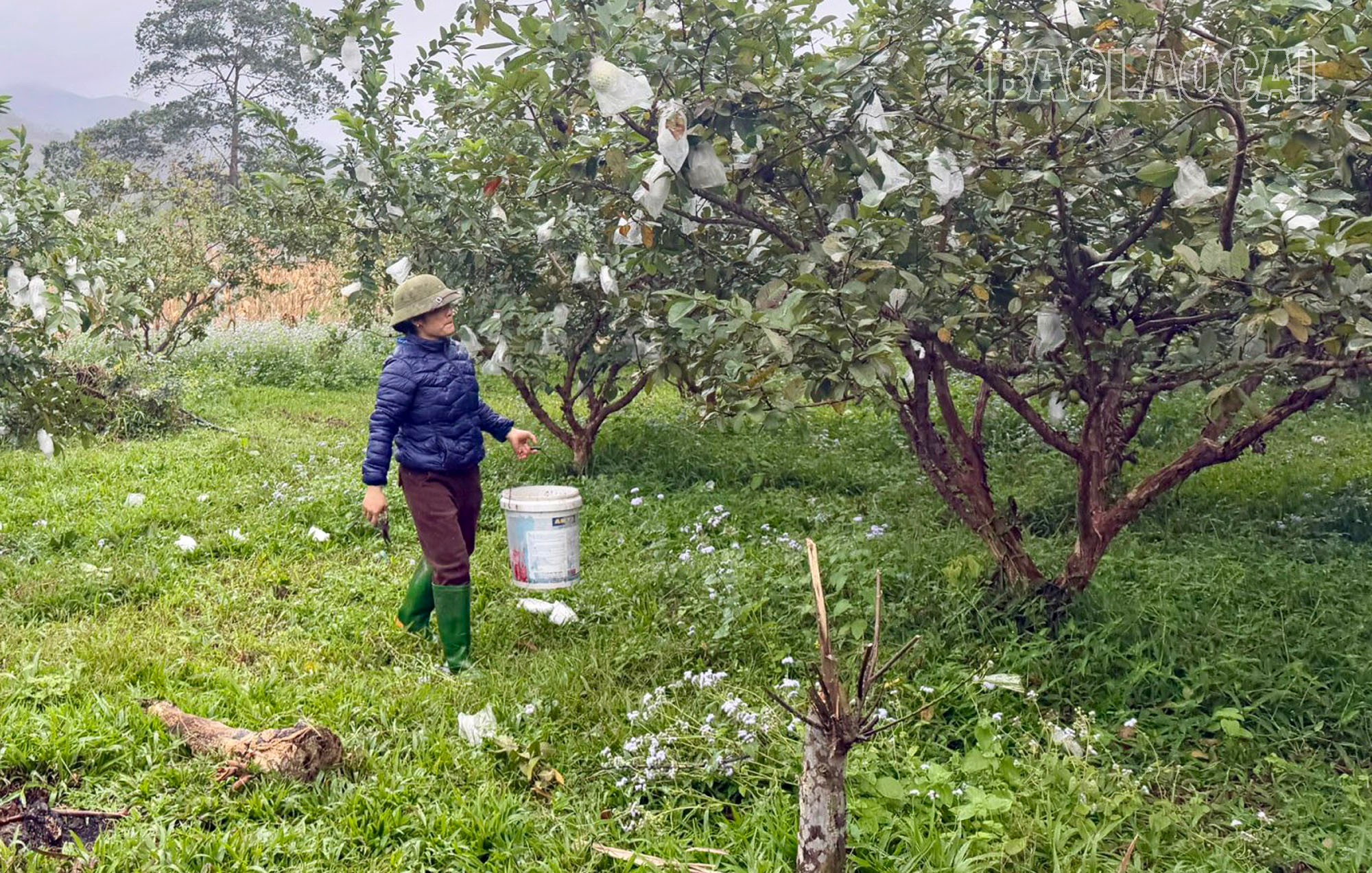
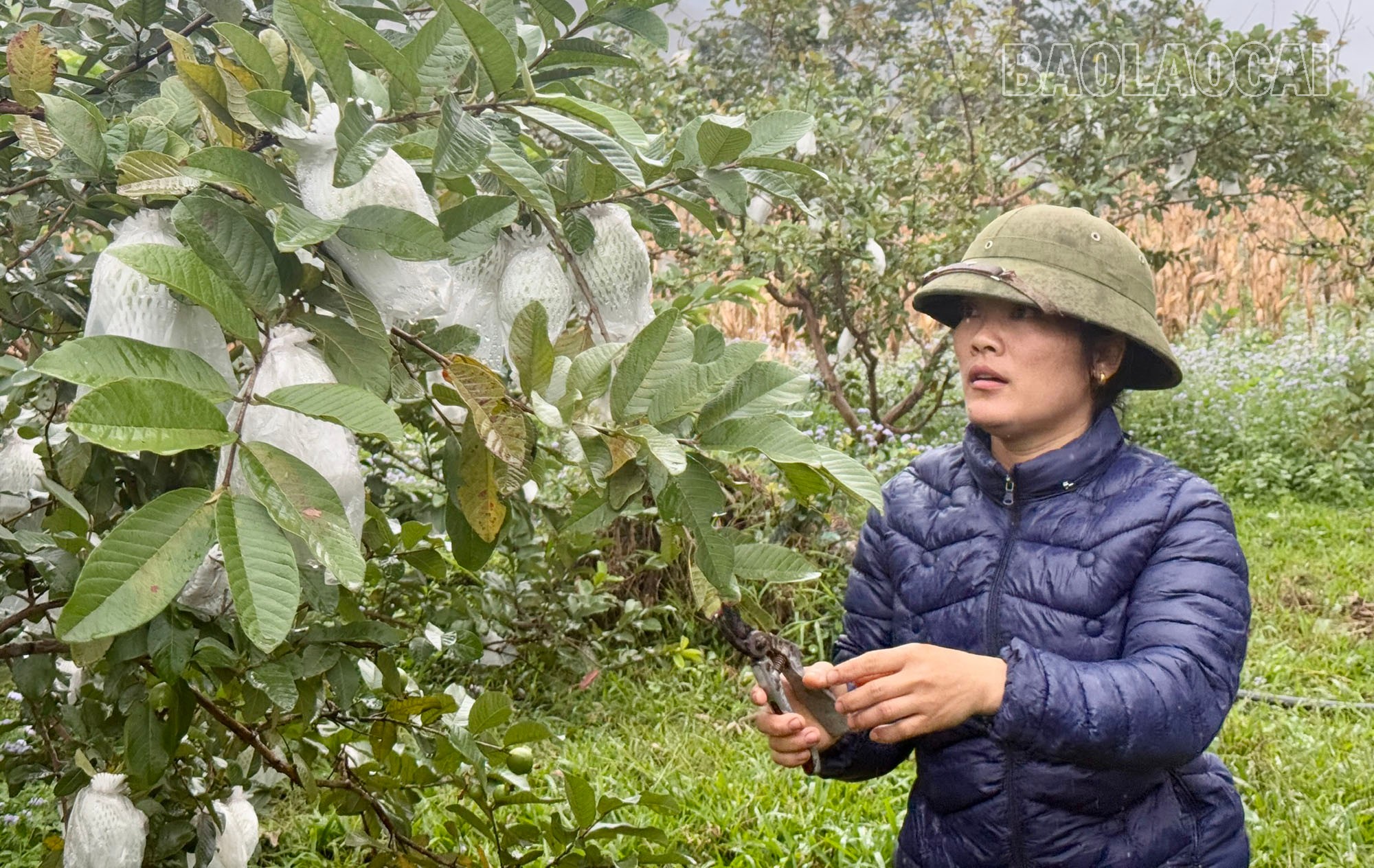
This season, Ms. Tam's family expects to sell about 2 tons of guava to the market. For her, each truck leaving the orchard not only carries agricultural products but also the hope of a prosperous Tet holiday for her family.
Looking at the rows of trees laden with fruit, she recalled the early days of the year when heavy rains and pest infestations ravaged the orchard, and how worried she had been about losing everything. However, with hard work and perseverance, the guava orchard gradually blossomed and bore fruit, yielding a sweet harvest that allowed her family to celebrate Tet (Lunar New Year) with complete joy.
Along the alluvial plains of the Red River in Bao Ha commune, bananas, pomelos, kumquats, and Taiwanese papayas are at their most beautiful. In the banana orchards, each bunch is plump and firm; the pomelos have smooth, glossy skin; the kumquats are laden with fruit; and the papayas are large and uniform in size. Each household has its own main crop, but all share the same bustling rhythm of the days leading up to Tet (Lunar New Year).
According to Vietnamese beliefs, on the altar during Tet (Lunar New Year), alongside the incense burner, water cup, flower vase, and meal tray, there must always be a tray of five fruits symbolizing abundance and prosperity. Bananas provide support, pomelos represent fullness, Buddha's hand citron symbolizes purity, papaya signifies abundance, and kumquats represent wealth. Therefore, the orchards in Bao Ha not only simply supply agricultural products but also contribute to preserving traditional cultural aspects in each Vietnamese family.


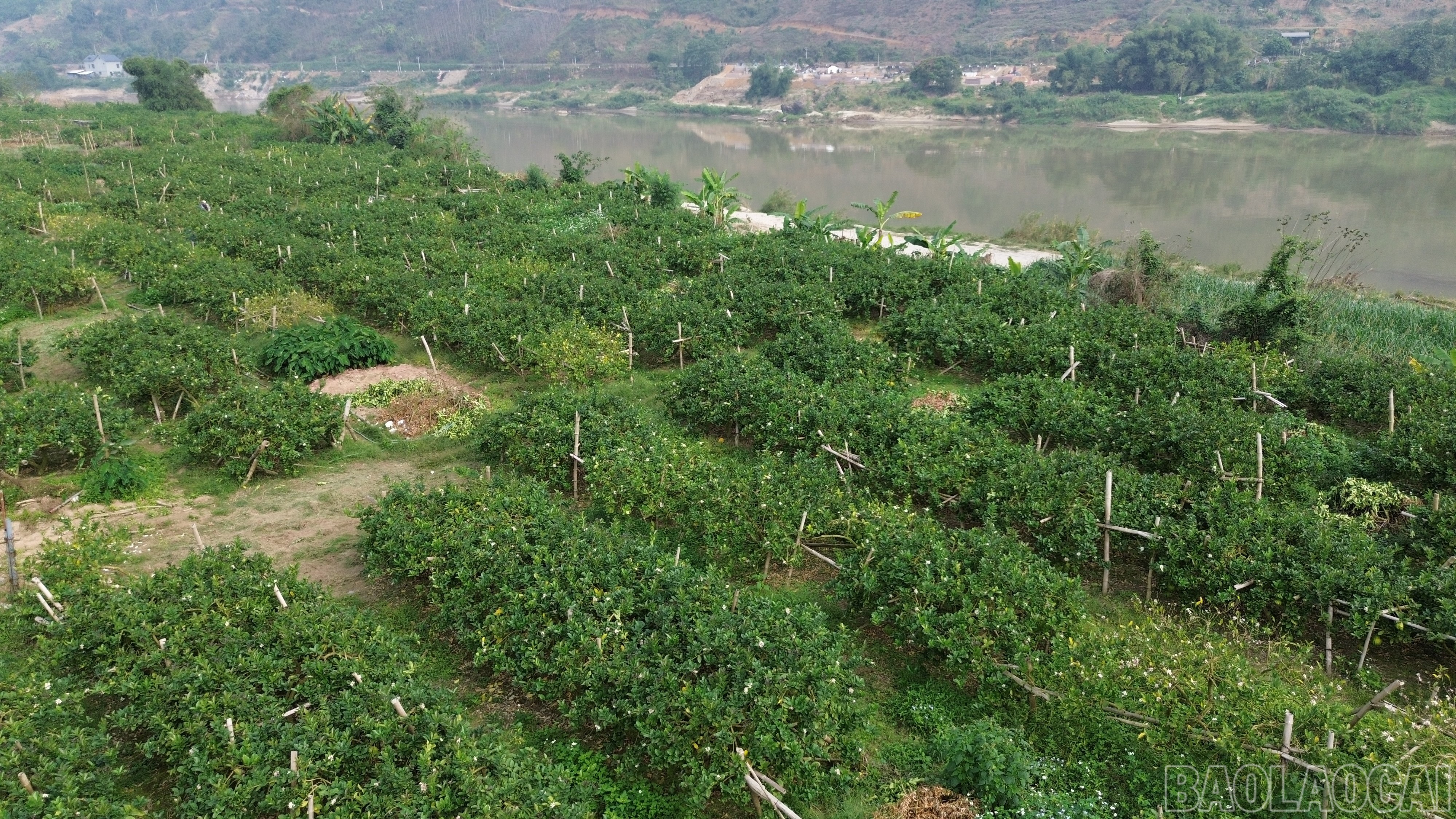
As evening fell, the sounds of laughter and conversation continued to fill the air, and trucks loaded with goods still lined up to leave the alluvial plains of Bao Ha. In the eyes of Mrs. Yen, Ms. Tam, and Mr. Thanh, one could clearly see the hope for a prosperous and abundant spring.
In Bao Ha, the fruit harvest season for Tet (Lunar New Year) is not just about yield or price. It's also a story about the diligence, hope, and love of the land of the farmers. When Buddha's hand citron, pomelo, guava, and other fruits are transported to all corners of the country, the flavors of Tet from this riverside land spread, carrying a message of reunion and abundance in the new year.
Source: https://baolaocai.vn/mua-qua-don-tet-post893784.html