I spontaneously composed a few lines of Haiku as I reached out to touch the clouds – they were probably gently exhaling a cool breeze onto every traveler passing through the pass. At the end of the twelfth lunar month, the earth and sky begin to merge, making it the most beautiful time to climb the pass and admire the clouds.
The season of clouds calls
Recalling Sekiu's lines, I agree with the commentary of scholar Nhật Chiêu in "Three Thousand Fragrant Worlds ." He wrote: "Having transcended their clouds, those birds have flown to the very end of song, to the very end of poetry. Even so, how can poetry truly reach its end? No, it is merely a return. A return to the first song. A return to the dawn of all dawns. To play with emptiness, with the dawn, with the spring of all springs… Only children and birds know how to play, possessing the spirit of play in emptiness."
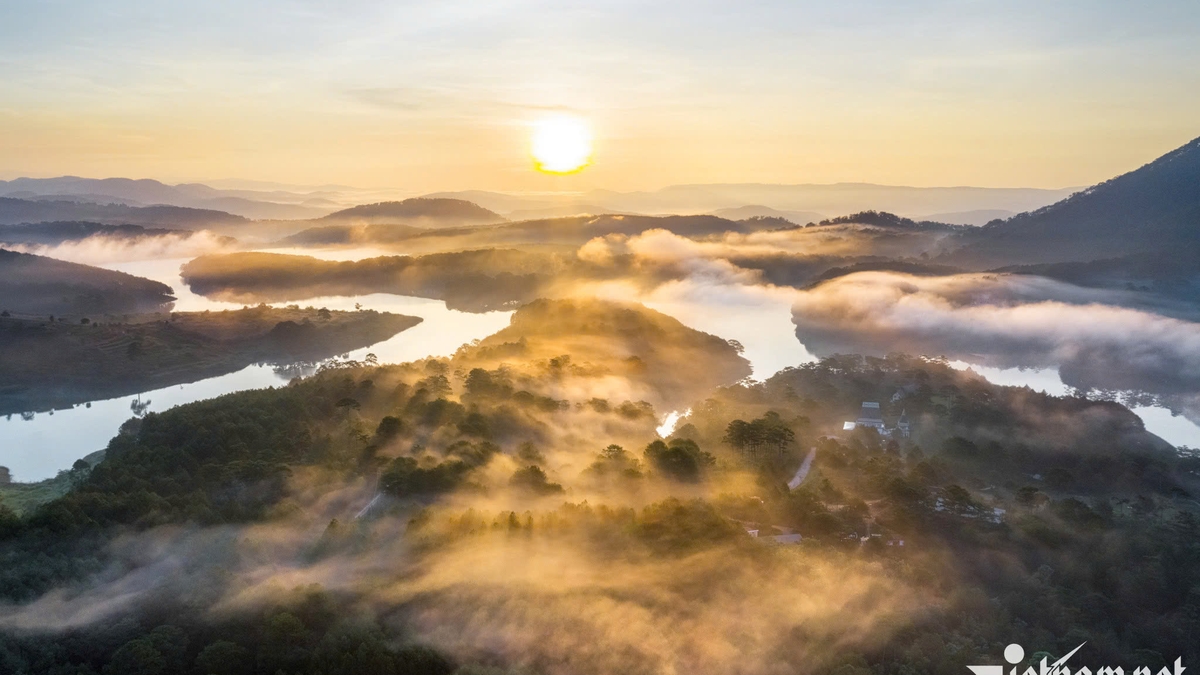
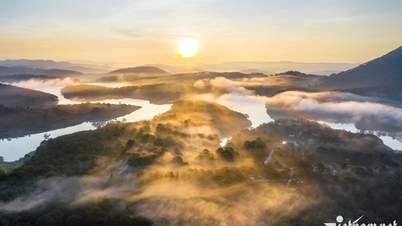
In December, just as the cold mist of winter begins to dissipate, people make plans to conquer mountain passes. This is because it marks the beginning of the most beautiful season of the year in places where you can almost touch the sky. It's the season of clouds, a season of carefree wandering. Thick, slow-moving seas of clouds drift lazily beneath the eyes of travelers. Spring has arrived, even though the calendar only shows the 20th of December. A new wave of emotions has just begun.
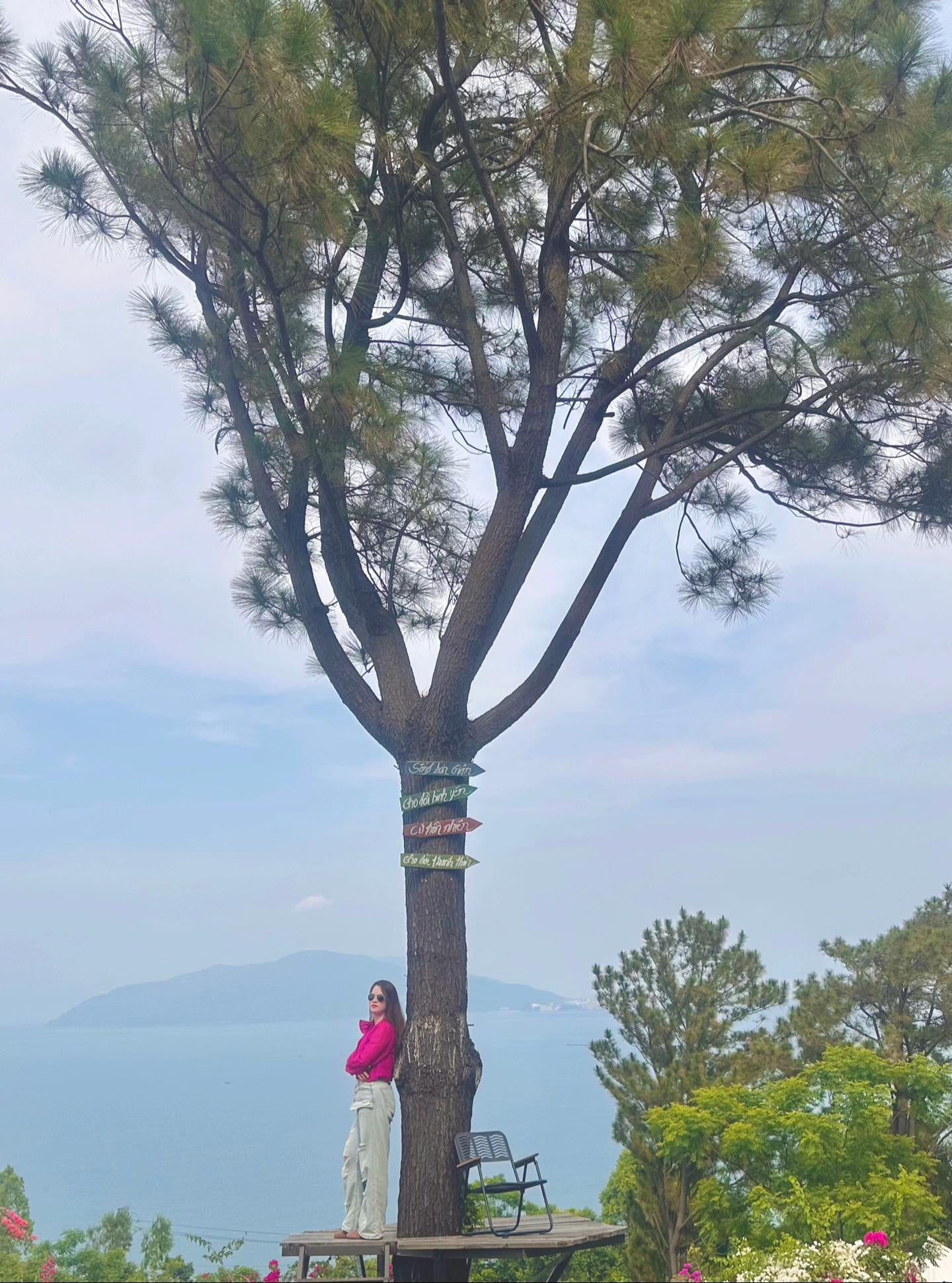


We began our cloud season at Hai Van Pass, known as the "most magnificent pass in the world." At an altitude of 500m above sea level, stretching 20km across the Bach Ma mountain range, the pass marks the boundary between Hue city (to the north) and Da Nang (to the south). In 2025, this pass, one of the highest on the North-South national highway, was praised by the British reality TV show Top Gear as "one of the most beautiful coastal roads in the world." Hai Van Pass also ranked among the top 4/10 most popular Instagrammable routes, according to Travel+Leisure data.
On early spring mornings, before the sun has even begun to shine over Da Nang Bay, clouds fill the valleys south of the pass. From the highest bend in the road, looking down, the sea of clouds rolls like waves, embracing the still-awake city. The cool breeze is just enough to remind one that they are standing on the boundary between the two climate zones of North and South Vietnam, where clouds and sea meet for very brief moments. And it also feels like reliving the pleasures of ancient kings, if only there were a horse to ride at the top of this pass.
Walking through the clouds
In spring, try venturing to the northern highlands to breathe in the fresh, clean air of the border region. We made plans to go to the far northwest to experience Vietnam's longest mountain pass – the O Quy Ho Pass.
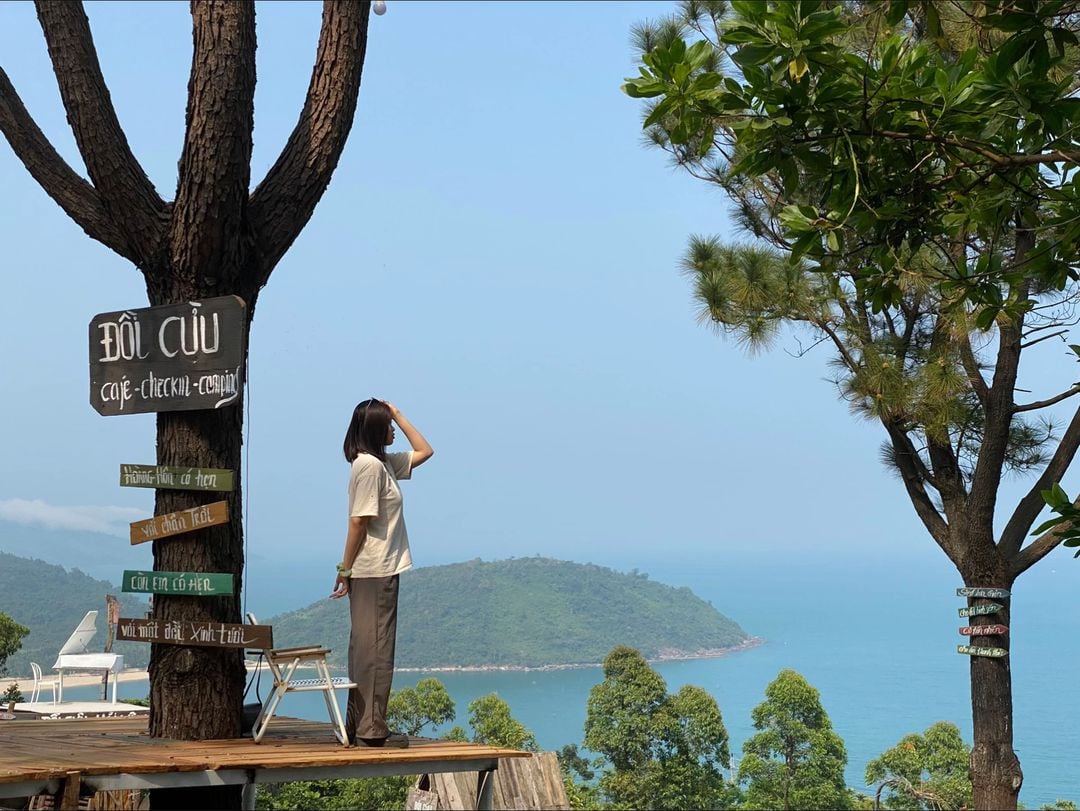
The clouds here are thicker and deeper, a place where you can stand on a high point and see all four seasons at once. At the foot of the O Quy Ho Pass, the terraced rice fields are still wet with dew. Above, the sun is gentle and slightly damp, and halfway up is a vast sea of white clouds, drifting like the breath of the mountains. The clouds move constantly, sometimes opening up to cover the entire valley, sometimes closing in with only a thin veil of mist. The people of Northwest Vietnam call clouds "the clothes of the mountains." In spring, the mountains change their clothes. Standing in the middle of the pass, watching the clouds spill over each slope, I understand why so many people return after leaving. I feel small amidst the vast space, and my heart expands with the clouds. Like the very spirit of playing with the void that we always strive to achieve.


Also in Northwest Vietnam, Pha Din Pass possesses a more subdued beauty. The clouds don't swirl but quietly cling to the mountain slopes, enveloping the villages like smoke from cooking fires. In the thin mist, the milestones, the sharp bends, and the old roads appear hazy, like a slow-motion film. Suddenly, someone's voice rings out a few lines from the poet Quang Dung: "Horses carrying loads up the small slopes are like ants / Walking in the cloud-strewn road, scattering golden dust (...) What can compare to the majestic Pha Din / The embroidered landscape of the Western region."
If you've already set foot on the country's landscape, you must stop at Ma Pi Leng Pass – the mountain pass that stretches across the Dong Van karst plateau. In spring, the gray rocks give way to the vibrant green of the grass, and clouds drift lazily over the emerald green Nho Que River below like thin threads. On the rocky outcrops halfway up the mountain, travelers share their feelings of conquering nature. In the distance, glimpses of colorful Hmong women in their skirts can be seen diligently working in the fields. Amidst the clouds and the crisp coolness of the new season, Hmong women perched on the jagged mountain peaks are like tiny dots of life on this rocky plateau. A familiar scent wafts in the wind. It seems like the season when the earth stirs and begins to grow...
Source: https://baodanang.vn/len-deo-ngam-may-3323560.html