

Sleep and longevity
Accordingly, there is a clear link between sleep quality and longevity. Sleeping less than six hours a night can seriously harm health, and very few people can maintain good health when sleep-deprived for extended periods.
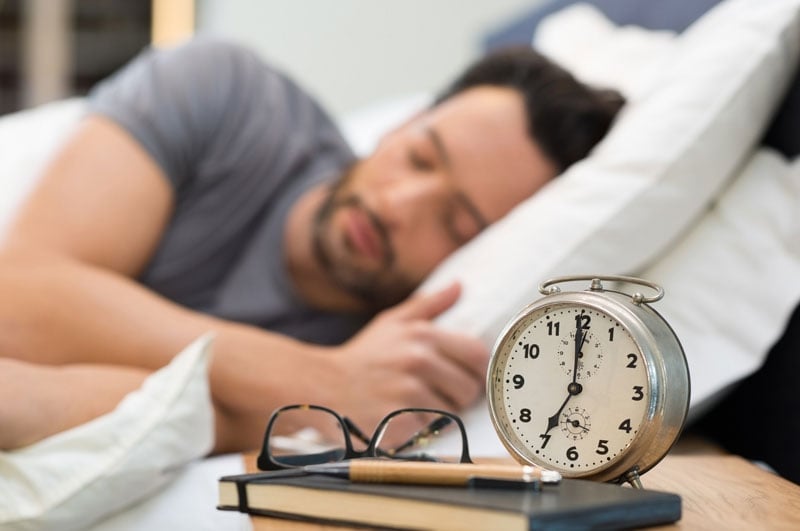
Studies show that getting eight hours of sleep not only enhances memory and concentration but also improves creativity, stabilizes emotions, and supports a strong immune system. Adequate sleep also helps prevent serious diseases such as cancer, cardiovascular disease, and mental health problems.
Sleep quality not only affects overall health but also profoundly impacts memory. Good sleep can boost memory by up to 100%, while poor sleep can reduce it by 60%. A sleepless night or sleeping only four hours can reduce the activity of natural killer cells by up to 70%, impacting the body's ability to fight infections and cancer.
The unpredictable consequences of sleep deprivation.
Sleep deprivation not only has short-term effects but also leaves behind long-term negative impacts. Regularly sleeping less than six or seven hours a night can double the risk of cancer and is a contributing factor to Alzheimer's disease. In addition, lack of sleep can lead to anxiety, depression, and other serious psychological problems.
One study showed that sleeping only five hours for five consecutive nights reduced testosterone levels to the equivalent of someone 10 years older. This also applies to women with reproductive hormones like estrogen and progesterone.
Sleep deprivation not only impacts the hormonal system but also significantly affects metabolism. People who slept only four hours for four consecutive nights developed prediabetes, demonstrating the severity of sleep deprivation on metabolic health.
Tips for improving sleep quality
To maintain good health, regular and quality sleep is essential. Here are some expert tips to improve your sleep:
1. Get enough sleep, 7-9 hours : this is the ideal time for the body to recover.
2. Establish a consistent sleep routine : Maintaining a regular sleep schedule helps the body adapt better.
3. Exercise and eat on time : avoid strenuous activity before bed and don't eat too much at night.
4. Stress management : Before going to bed, relax by reading a book, meditating, or listening to soothing music.
5. Sleep hygiene : Ensure the bedroom environment is quiet, well-ventilated, and free from disruptive light.
6. Monitor for sleep apnea : This is a common condition that can seriously affect sleep quality and overall health.
Sleep plays a more important role than we realize. Let's consider getting enough sleep and sleeping well as a top priority for maintaining health, improving quality of life, and extending lifespan.
Source: https://kinhtedothi.vn/moi-quan-he-dac-biet-giua-giac-ngu-va-tuoi-tho.html

![[Image] Leaked images ahead of the 2025 Community Action Awards gala.](/_next/image?url=https%3A%2F%2Fvphoto.vietnam.vn%2Fthumb%2F1200x675%2Fvietnam%2Fresource%2FIMAGE%2F2025%2F12%2F16%2F1765882828720_ndo_br_thiet-ke-chua-co-ten-45-png.webp&w=3840&q=75)
![[Live] 2025 Community Action Awards Gala](/_next/image?url=https%3A%2F%2Fvphoto.vietnam.vn%2Fthumb%2F1200x675%2Fvietnam%2Fresource%2FIMAGE%2F2025%2F12%2F16%2F1765899631650_ndo_tr_z7334013144784-9f9fe10a6d63584c85aff40f2957c250-jpg.webp&w=3840&q=75)
![[Photo] Prime Minister Pham Minh Chinh receives the Governor of Tochigi Province (Japan)](/_next/image?url=https%3A%2F%2Fvphoto.vietnam.vn%2Fthumb%2F1200x675%2Fvietnam%2Fresource%2FIMAGE%2F2025%2F12%2F16%2F1765892133176_dsc-8082-6425-jpg.webp&w=3840&q=75)
![[Photo] Prime Minister Pham Minh Chinh receives Lao Minister of Education and Sports Thongsalith Mangnormek](/_next/image?url=https%3A%2F%2Fvphoto.vietnam.vn%2Fthumb%2F1200x675%2Fvietnam%2Fresource%2FIMAGE%2F2025%2F12%2F16%2F1765876834721_dsc-7519-jpg.webp&w=3840&q=75)
![[Image] The tenacious fighting spirit of Vietnamese women's football](/_next/image?url=https%3A%2F%2Fvphoto.vietnam.vn%2Fthumb%2F1200x675%2Fvietnam%2Fresource%2FIMAGE%2F2025%2F12%2F17%2F1765990260956_ndo_br_4224760955870434771-copy-jpg.webp&w=3840&q=75)































































![[Live] Closing Ceremony and Award Presentation for the "Impressive Vietnam Tourism" Video/Clip Creation Contest 2025](https://vphoto.vietnam.vn/thumb/402x226/vietnam/resource/IMAGE/2025/12/17/1765974650260_z7273498850699-00d2fd6b0972cb39494cfa2559bf85ac-1765959338756946072104-627-0-1338-1138-crop-1765959347256801551121.jpeg)



















Comment (0)