

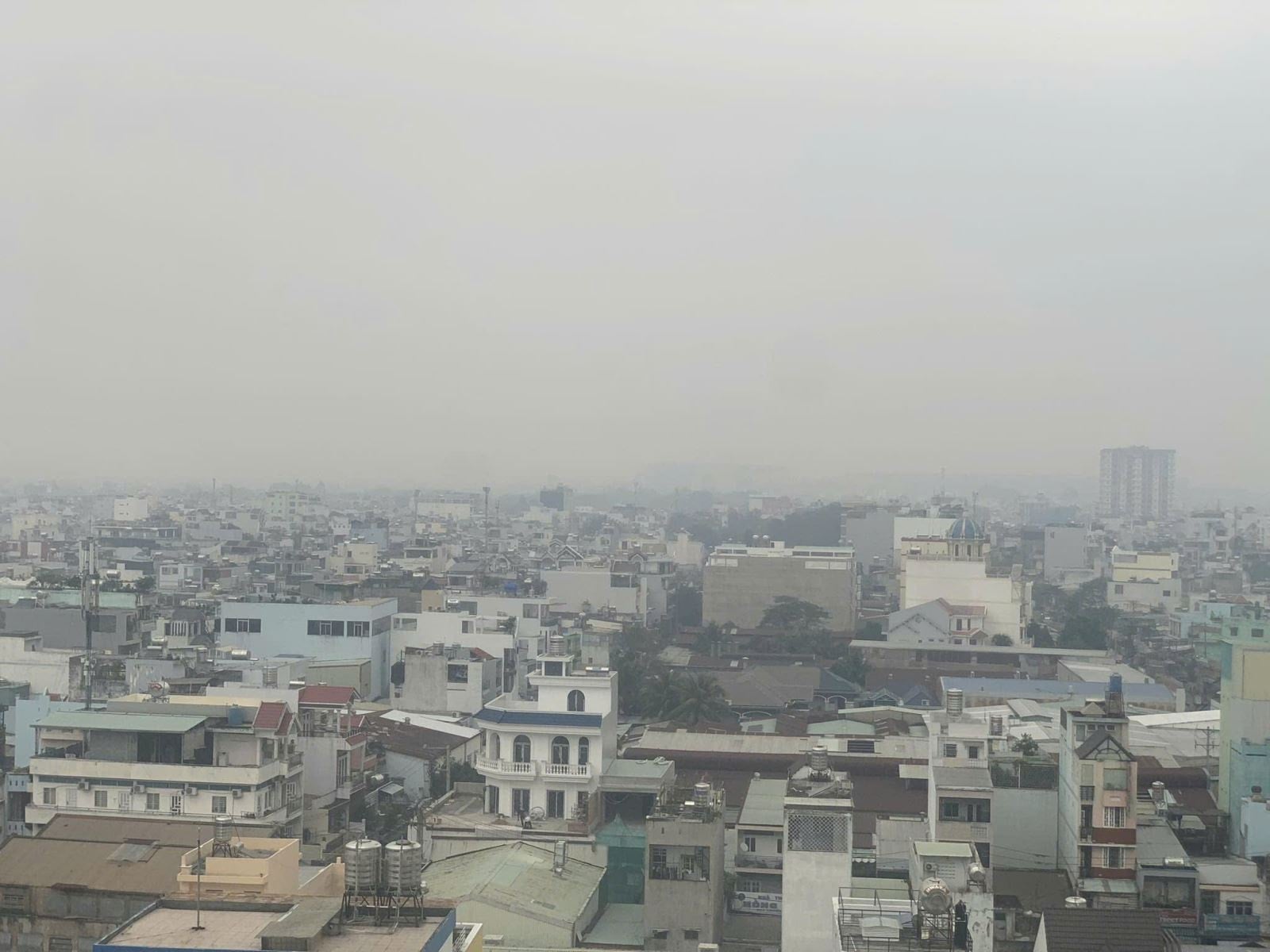
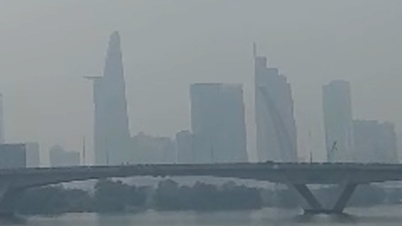
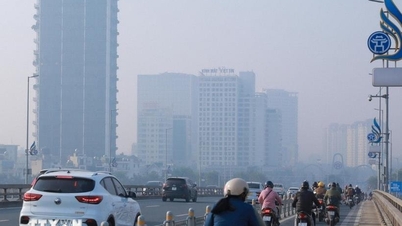
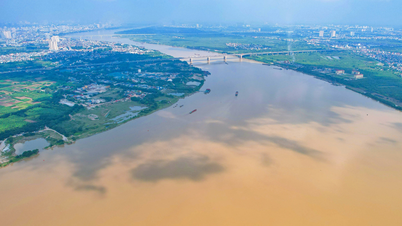
In recent days, many areas across the country have experienced hazy, sunless weather. A thin layer of fog has covered the area since early morning, limiting visibility, obscuring many tall buildings, and making the air more humid and chilly than in previous days, creating a gloomy atmosphere for people going outside.
According to Associate Professor Dr. Le Tran Quang Minh, Director of the Ho Chi Minh City Ear, Nose and Throat Hospital, people who frequently spend time outdoors are at a higher risk of exposure to air pollution, especially PM2.5 fine dust. This is a factor that increases ear, nose, throat, and respiratory diseases.
In Ho Chi Minh City, for example, the number of patients visiting the city's Ear, Nose, and Throat Hospital has recently shown an upward trend compared to the same period last year. On average, the hospital receives about 1,200 patients per day, with peak periods reaching up to 2,000 patients per day.
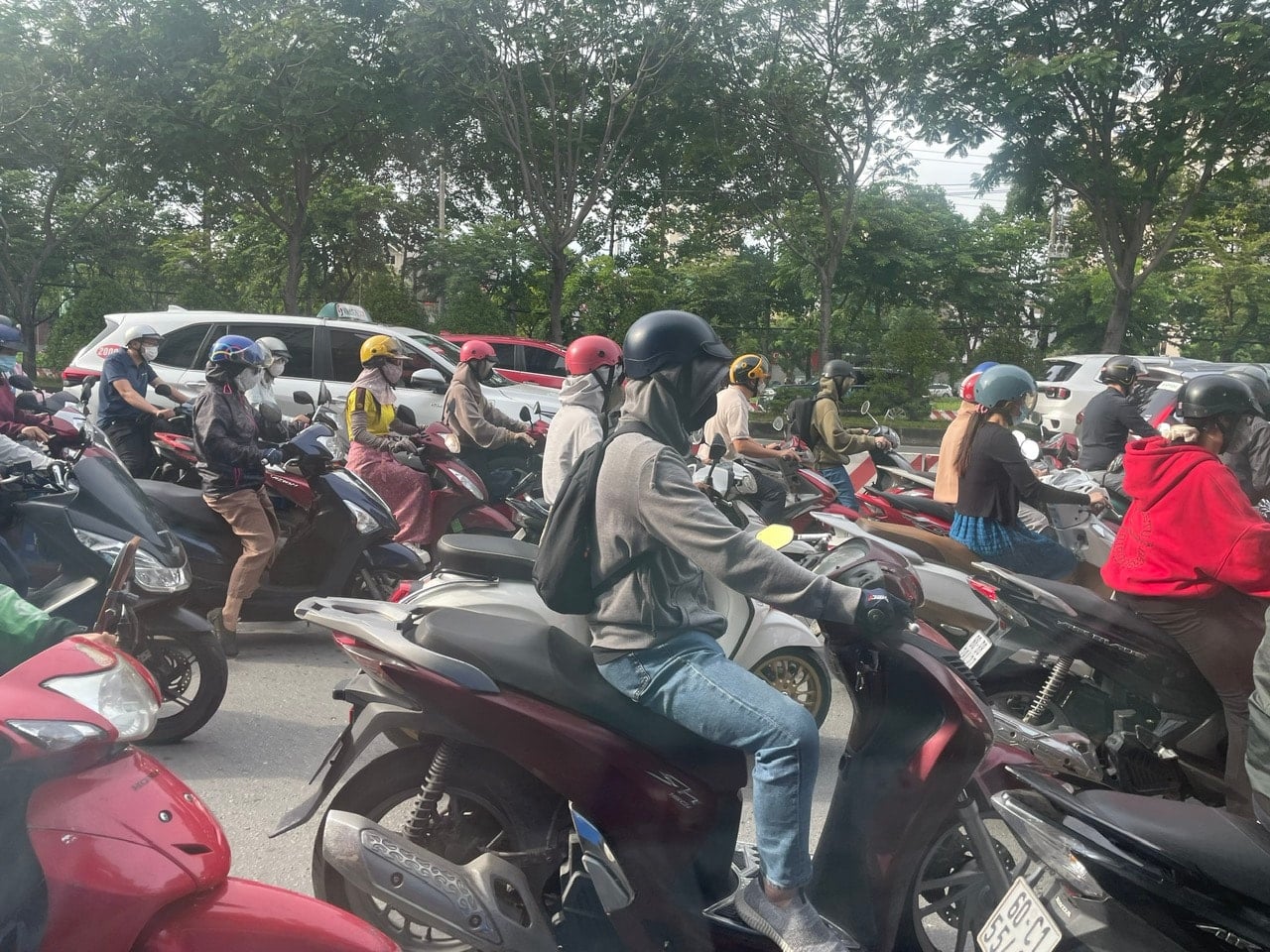
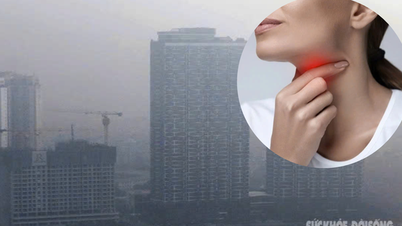
According to Associate Professor, Doctor Le Tran Quang Minh, the ear, nose, and throat are the "gateway" to the respiratory system. When pollutants enter, they directly affect the mucous membranes of the nose and throat before spreading to the lower respiratory tract. Under conditions of prolonged air pollution, people are prone to sinusitis, pharyngitis, and upper respiratory tract infections; in more severe cases, this can lead to otitis media, lung disease, and other respiratory illnesses.
Notably, fine dust in urban air not only comes from traffic, construction, and industry, but also contains heavy metal crystals. Inhaling these particles over a long period can cause chronic inflammation, increasing the risk of serious diseases, including cancers of the ear, nose, throat, and respiratory tract.
According to Dr. Nguyen Duc Ba Dat, Medical Manager of the VNVC Vaccination System, PM2.5 fine dust is not just an ultrafine dust particle but also carries bacteria, viruses, and harmful substances. When it penetrates deep into the lungs and enters the bloodstream, PM2.5 can increase the risk of pneumonia, influenza, respiratory infections, and also affect the cardiovascular system, increasing the risk of stroke and damage to multiple organs.
During transitional seasons, erratic weather changes make the respiratory tract lining more vulnerable and weaken the immune system. Combined with prolonged air pollution, this increases the risk of contracting and spreading respiratory illnesses such as influenza, pneumonia, and RSV, especially towards the end of the year when travel and gatherings are more frequent.
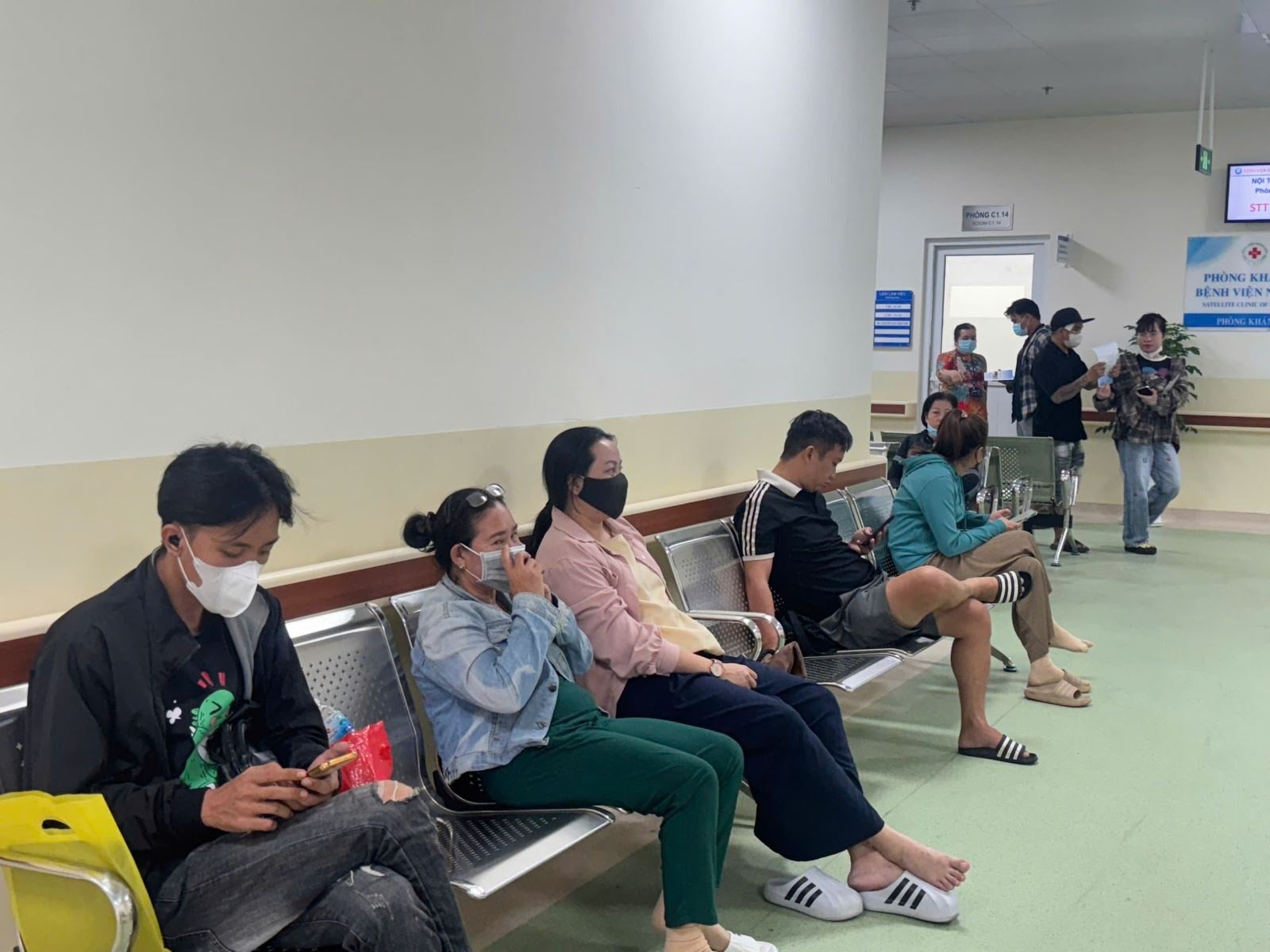
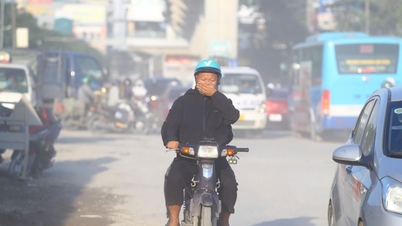
Accordingly, health experts advise that, in the context of air pollution and climate change, people need to proactively take measures to protect their health. First, they should limit exposure to polluted environments, wear masks when going outside, especially in areas with heavy traffic; keep warm in cold weather and wash hands frequently with soap.
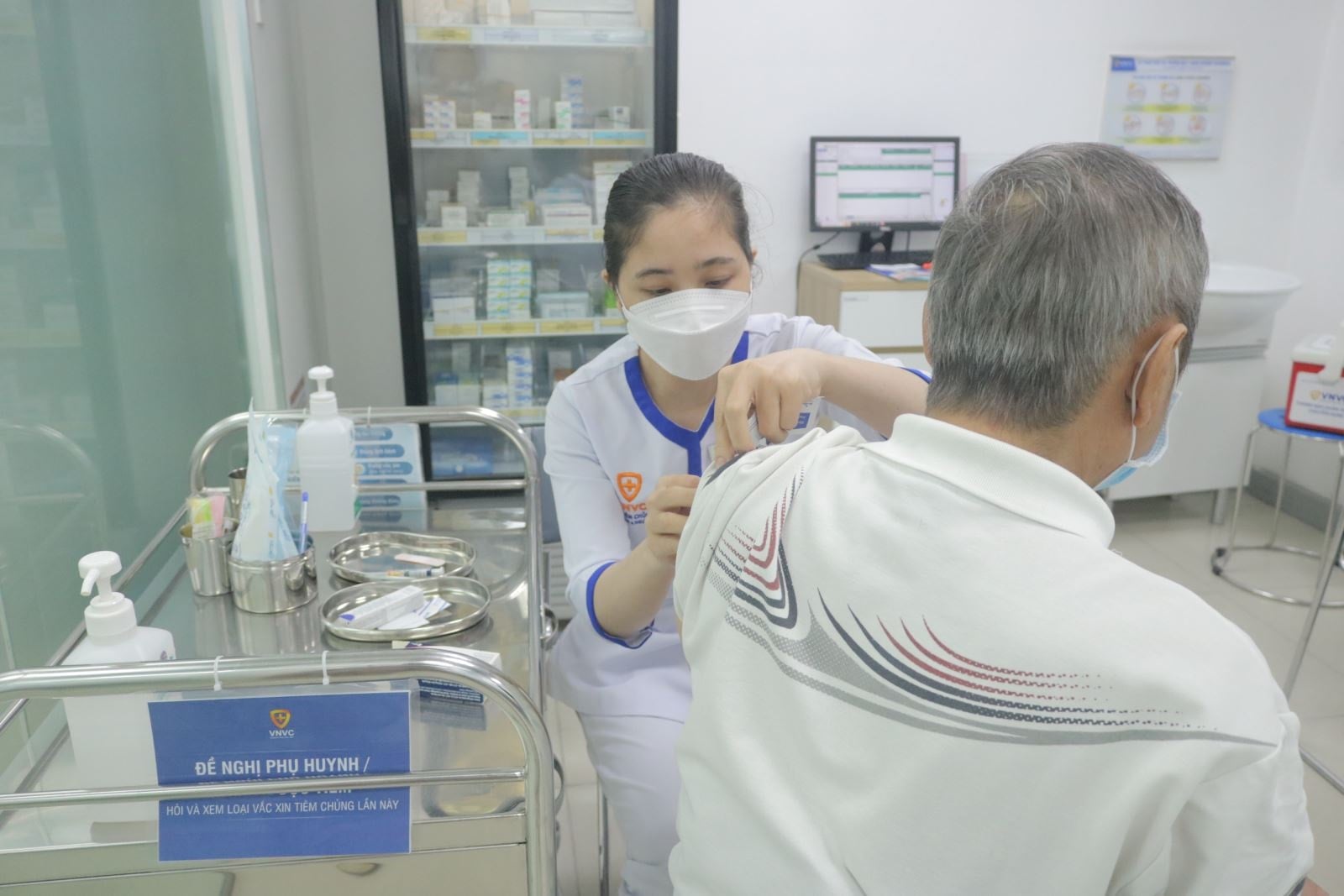
In addition, boosting immunity plays a crucial role. People need to maintain a balanced diet, get enough sleep, and exercise regularly. Especially, getting all necessary vaccinations such as seasonal flu, pneumococcal, pertussis-diphtheria-tetanus… will help reduce the risk of serious illness and complications, especially for young children, the elderly, pregnant women, and those with underlying health conditions.
Associate Professor, Doctor Le Tran Quang Minh noted that the initial symptoms of ear, nose, and throat diseases are easily mistaken for the common cold. If after 48-72 hours, symptoms such as sore throat, thick phlegm, green or yellow phlegm, fever, headache, and sinus pain do not subside, patients should go to a medical facility for timely examination and treatment.
Source: https://baohaiphong.vn/o-nhiem-khong-khi-gia-tang-nguoi-dan-can-lam-gi-de-bao-ve-suc-khoe-529531.html

















































































Comment (0)