

Multiple sources of pollution
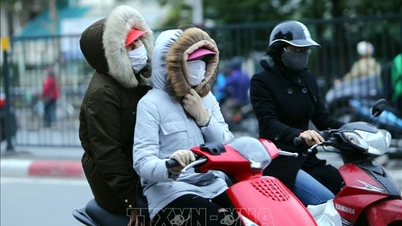
Since the end of November 2025, Hanoi has consistently experienced severe air pollution, with PM2.5 (fine particulate matter) concentrations continuously high, often exceeding the World Health Organization's recommended levels. A thick layer of dust blankets the streets from early morning to late afternoon, making the sky hazy and significantly reducing visibility. People traveling on the roads frequently have to wear masks, experiencing eye irritation and difficulty breathing.
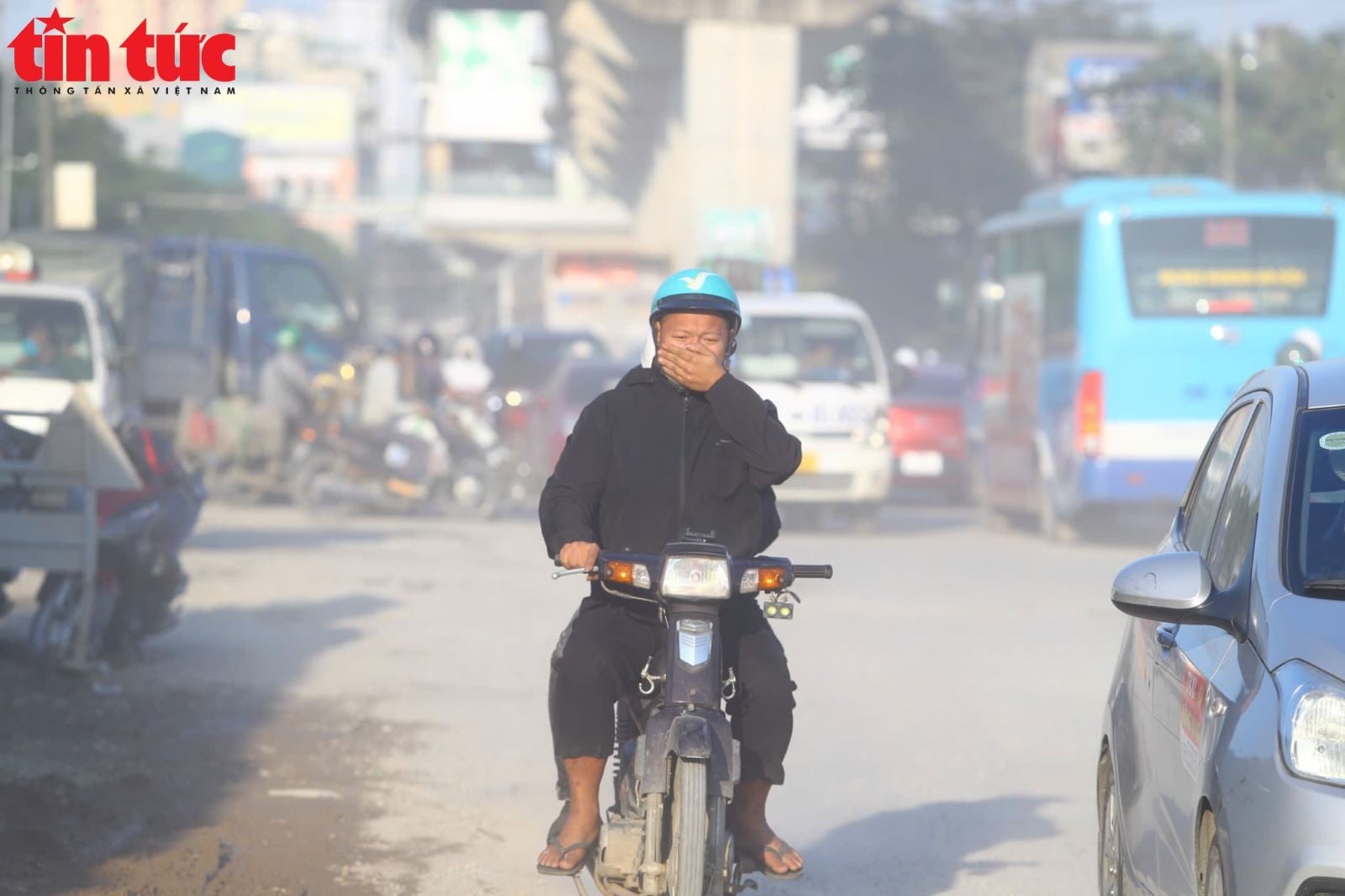
According to IQAir data (air quality index), on the morning of December 9th, Hanoi was the eighth most polluted city in the world . Air quality monitoring stations in several areas of Tay Ho and Nhat Tan were constantly on "poor" alert. Areas like Nguyen Xien, Vinh Tuy, and Giai Phong also warned that air quality was "harmful to health".
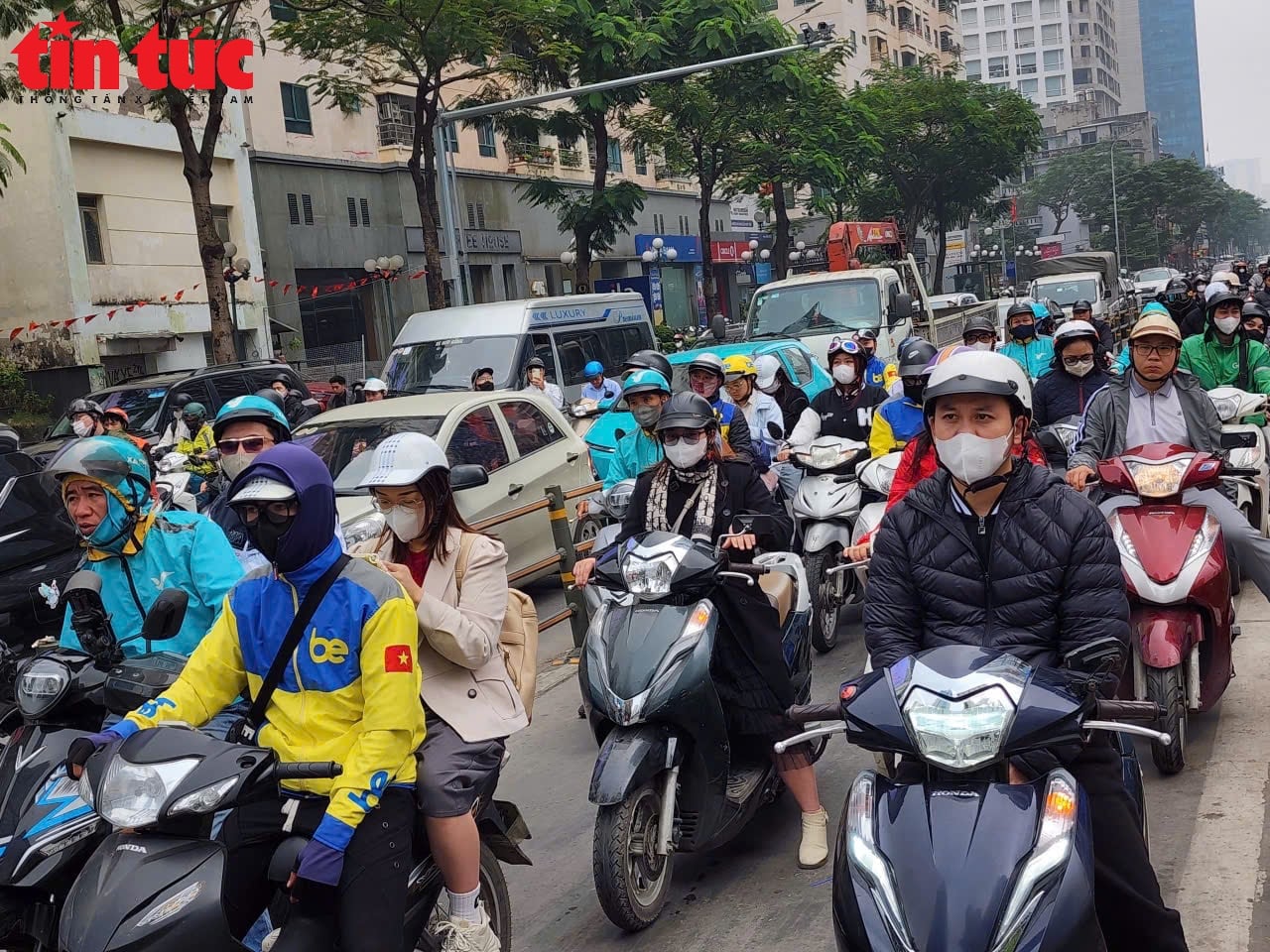
Ms. Le Thanh Thuy, Deputy Head of the Environmental Management Department (Hanoi Department of Agriculture and Environment), stated that air pollution is a mobile, transboundary source. However, Hanoi has a high traffic density, with many gasoline-powered motorcycles in circulation, which are the main source of air pollution emissions. Specifically, the World Bank's research indicates that traffic activity accounts for 50-70% of pollution in the capital city.
Ms. Thuy also likened Hanoi to a "basin" bearing the brunt of major activities, including high traffic density, high construction activity, high production activity, and the burning of straw and garbage in residential areas. "Among these, garbage burning occurs in many places, albeit on a small scale, but it causes serious pollution," Ms. Thuy shared.
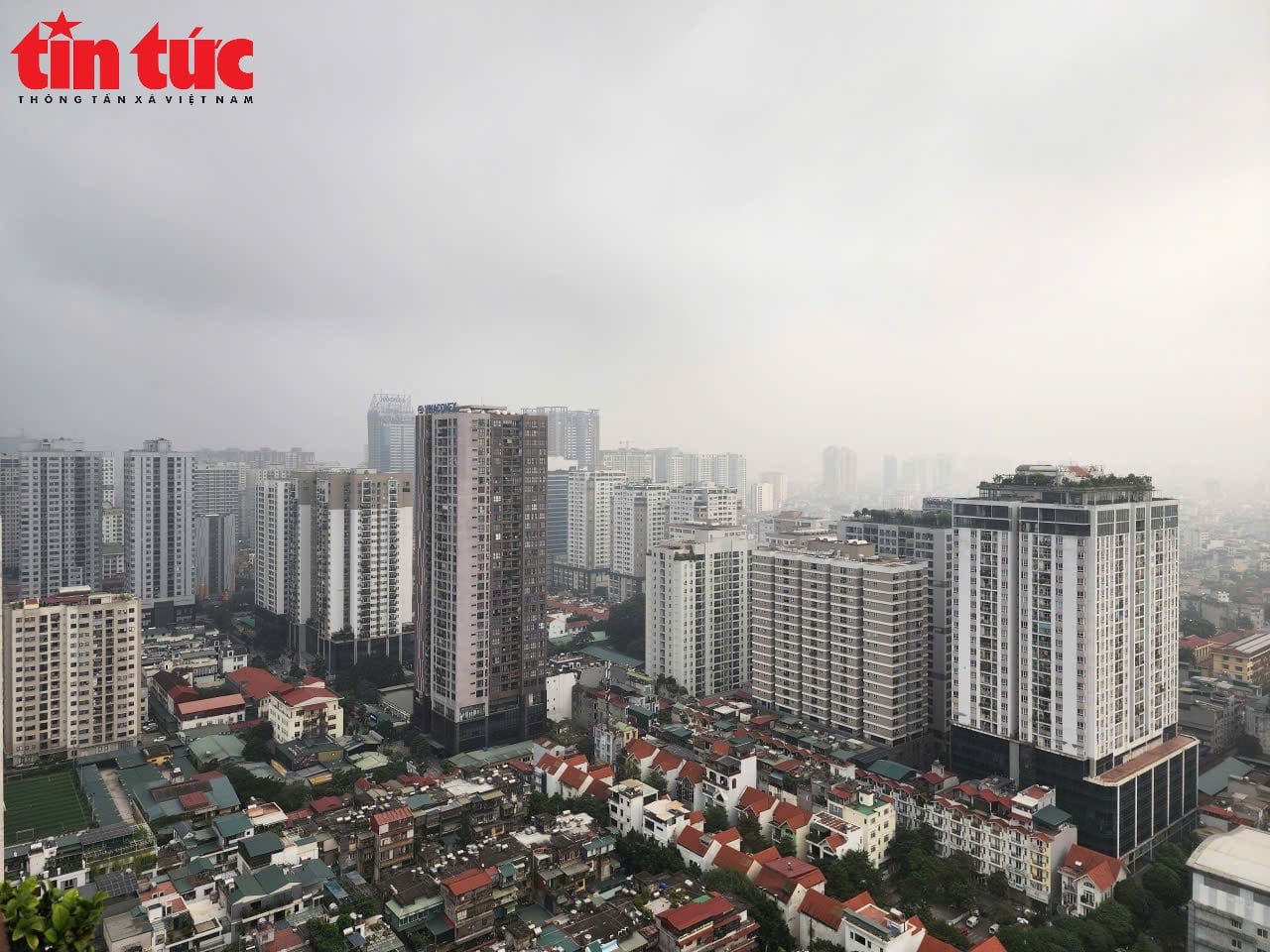
Since 2022, Hanoi's environmental sector has collaborated with the World Bank on research showing that pollution in Hanoi also originates from neighboring provinces. Furthermore, during the "pollution season" at the end of the year, Hanoi experiences temperature inversion conditions, where the warm air layer above traps fine dust and emissions close to the ground, causing air pollution in Hanoi to increase rapidly.
Dr. Hoang Duong Tung, Chairman of the Vietnam Clean Air Network, believes that recycling villages are one of the sources of air pollution in Hanoi. Therefore, the city needs to create a map of polluting villages. Mapping pollution in the context of digital transformation will not be too difficult or expensive. Once this map is available, relevant authorities can develop solutions for managing emission sources alongside administrative measures.
"The causes of pollution in Hanoi don't just originate from the inner city, but also from external sources, from other localities such as Bac Ninh, Ninh Binh, and Hung Yen. Therefore, it is necessary to coordinate and assess the sources of pollution in these provinces, and then develop comprehensive solutions," Mr. Hoang Duong Tung noted.
Stricter emission standards for cars and motorcycles.
According to Ms. Le Thanh Thuy, Deputy Head of the Environmental Management Department (Hanoi Department of Agriculture and Environment), there has never been a stronger determination to improve air quality than there is now. Initially, the city will focus on implementing solutions to control emissions from vehicles. "If Hanoi can solve the pollution problem from traffic, the air quality will improve," Ms. Thuy said.
Ms. Le Thanh Thuy argued that while weather conditions are uncontrollable, policies regarding transportation and an inventory of all emission sources can be implemented to diagnose air pollution in the capital. Therefore, Hanoi must clarify and determine what percentage of air pollution is caused by traffic and what percentage by construction activities, in order to focus resources on definitively addressing the main sources of pollution.
Regarding external sources of pollution, Ms. Le Thanh Thuy stated that the Ministry of Agriculture and Environment is establishing a steering committee to address the issue. In this committee, Hanoi and neighboring provinces will focus on the regional context, identifying the sources of pollution in the area and determining the responsibilities of the entire region and each province and city. “Air pollution is a national, regional, and Hanoi-specific issue, so we must start from within the capital city while coordinating with other regions to resolve it,” Ms. Thuy said.
According to Mr. Le Hoai Nam, Deputy Director of the Department of Environment, the Ministry of Agriculture and Environment has submitted to the Prime Minister a draft regulation on the roadmap for applying national technical standards on vehicle emissions in Vietnam. The draft outlines a roadmap to tighten vehicle emission standards in Vietnam with five different levels of regulations. This is the most important document for reducing emissions from automobiles in Vietnam.
According to the draft, Hanoi and Ho Chi Minh City will apply vehicle emission standards with an earlier and stricter roadmap. Specifically, cars manufactured between 2017 and 2021 will have to comply with standard level 4 from January 1, 2027. For cars manufactured after 2022, they will have to comply with standard level 5 from January 1, 2028. "These are very specific regulations to be applied in Hanoi and Ho Chi Minh City to reduce air pollution," Mr. Nam said.
The Ministry of Agriculture and Environment has also submitted to the Prime Minister a draft roadmap for applying regulations to motorcycles and mopeds participating in traffic in Vietnam with four levels. In the draft, the environmental sector proposes that Hanoi and Ho Chi Minh City should apply a stricter level.
Accordingly, the new regulations will be implemented in Hanoi and Ho Chi Minh City starting July 1, 2027, with other provinces and cities gradually adopting them thereafter. This timeframe was chosen to allow sufficient time to build a nationwide network of emission testing stations, meeting the testing needs of nearly 80 million motorcycles.
Source: https://baotintuc.vn/xa-hoi/cap-bach-xu-ly-o-nhiem-khong-khi-o-ha-noi-20251211112844640.htm






































































Comment (0)