

Back then, my father was a field guard, so my siblings and I would go to school in the mornings and spend the afternoons guarding the fields with him. Our job was to watch over the village's buffalo and cattle, preventing them from venturing near the vegetable plots. Only after the harvest season was over, when the vast fields were completely cleared, would the buffalo and cattle be released to roam freely before the start of the winter-spring planting season.
 |
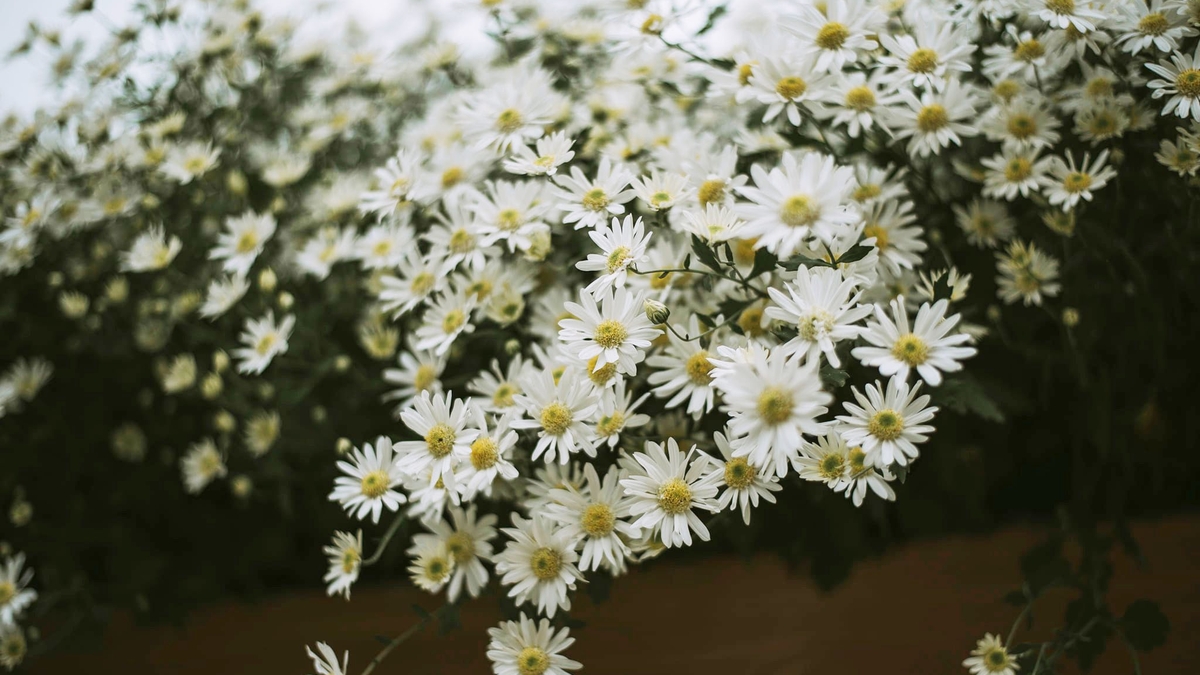
| Illustration photo: Huyen Trang |
The sweet potato harvest season was the hardest for us siblings. Every afternoon, the three of us would split up, with my older brother tending the fields below, my sister guarding the fields in Lang Moi, and me, the youngest, getting priority to guard the fields in Truoc Cua. It was called Truoc Cua because stepping out of the house meant stepping directly into the rice paddies. The vast fields stretched endlessly, covered with sweet potato plants, their rows a vibrant green, some with yellowing leaves drooping; interspersed with corn stalks. We would stand there, watching the buffaloes and cows eat the sweet potatoes and corn. Occasionally, gusts of wind would whip into our ears, piercing through the wool of our hats, chilling us to the bone.
The most delightful thing was sitting by a big bonfire. We'd pick up the potatoes that people had dug up from the fields, run down to the ditch to wash them clean, then put them in the fire and cover them with a few pieces of ash. When the fragrant aroma filled our noses, we'd all quickly use sticks to poke them out. The dark, black potatoes appeared before our eyes. Oh, how fragrant! Our tiny, dark hands hurriedly put them into our shirts, shaking them back and forth to cool them down quickly. Then we'd slowly peel off the black skin. A golden yellow color, steaming hot. We'd eat them until we were full. Every afternoon, returning from the fields, we'd all have a full stomach.
The reward for those days of guarding the fields was receiving lots and lots of sweet potatoes. In those childhood days, I remember people only paid with produce, not with money like now. My father would pile the sweet potatoes he received as payment under the bed, cutting them gradually to feed the pigs. The pigs grew plump and round as a result. They were slaughtered on the twenty-ninth day of the Lunar New Year, and neighbors would come and share the meat to celebrate the holiday.
After receiving our share of the pork, my brothers and I each got a brand new set of clothes for the New Year. Dad said that it was all thanks to the efforts of all three of us in protecting the fields so that the villagers could harvest their crops without worry.
Those warm, peaceful Tet holidays passed by in our childhood. They evoke memories of beautiful, tranquil moments we experienced, feeling the value of love and connection in our village, of brotherhood and friendship. If anyone asks why we get teary-eyed and have a stinging sensation in our noses whenever Tet is mentioned, it's because we once experienced those beautiful memories – sweet, pristine, and warm…
Source: https://baodaklak.vn/van-hoa-du-lich-van-hoc-nghe-thuat/van-hoc-nghe-thuat/202601/nho-nhung-buoi-canh-dong-a251372/






















































Comment (0)